If you have heard of bear-bile farming, you have probably heard of one or both of these species. The sun bear and the moon bear are the two bears most affected by the bile-farming industry and the wider Southeast Asian bear trade.
Three of WARN's operating countries — Vietnam, Cambodia and Indonesia — are central to both species' range and to the bile-farming question. Our briefing on moon bears in Vietnam covers the bile industry directly.
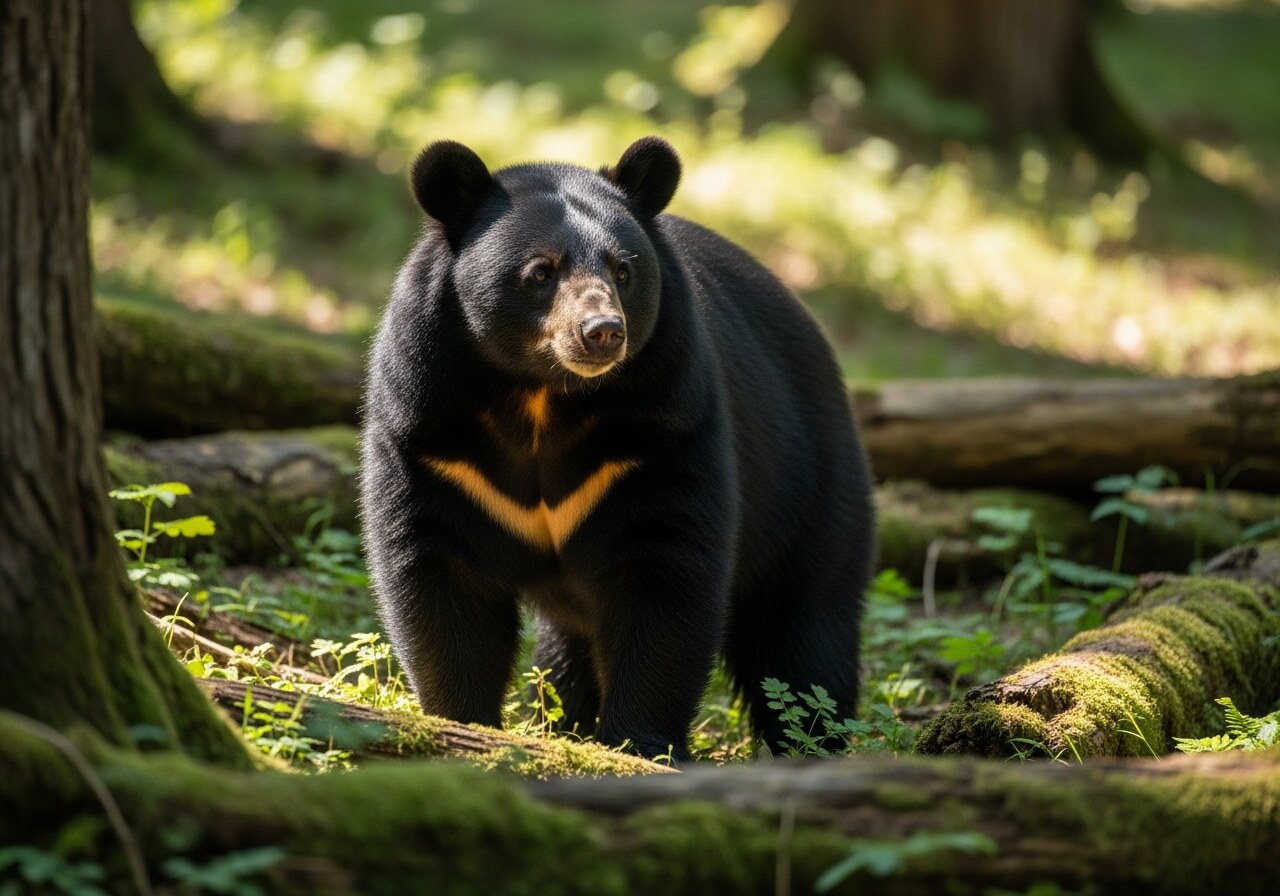
Sun bear (Helarctos malayanus)
- Size. 40-65 kg — the world's smallest bear.
- Coat. Short, sleek, jet-black.
- Chest patch. U-shaped or sun-shaped, cream-yellow.
- Tongue. Unusually long for extracting insects, honey and termites.
- Range. Indonesia, Malaysia, Vietnam, Thailand, Cambodia, Myanmar, Laos.
- Status. Vulnerable; CITES Appendix I.
Moon bear (Asiatic black bear, Ursus thibetanus)
- Size. 100-200 kg — much larger than the sun bear.
- Coat. Long, shaggy, with a distinctive thick ruff around the neck.
- Chest patch. V-shaped or crescent-shaped (hence "moon bear"), white.
- Range. Iran, Pakistan, Afghanistan, the Himalayas, Vietnam, China, the Russian Far East, Japan.
- Status. Vulnerable; CITES Appendix I.
The bile-farming connection
Both species' gall bladders contain ursodeoxycholic acid, which has long-standing use in some traditional medicine traditions. The synthetic form of the same molecule has been available pharmaceutically for decades. Bile-farming captures bears (most often moon bears in Vietnam, sun bears more often in Indonesia and Malaysia) and surgically extracts bile through a permanent catheter, a procedure now formally prohibited in Vietnam but still ongoing in some neighbouring countries.
The World Organisation for Animal Health (WOAH) has flagged bear-bile farming as a welfare and biosecurity concern. Rescue work focuses on lifetime sanctuary care for retired bile bears, which is where partner sanctuaries WARN intends to support fit in.
Rescue outcomes
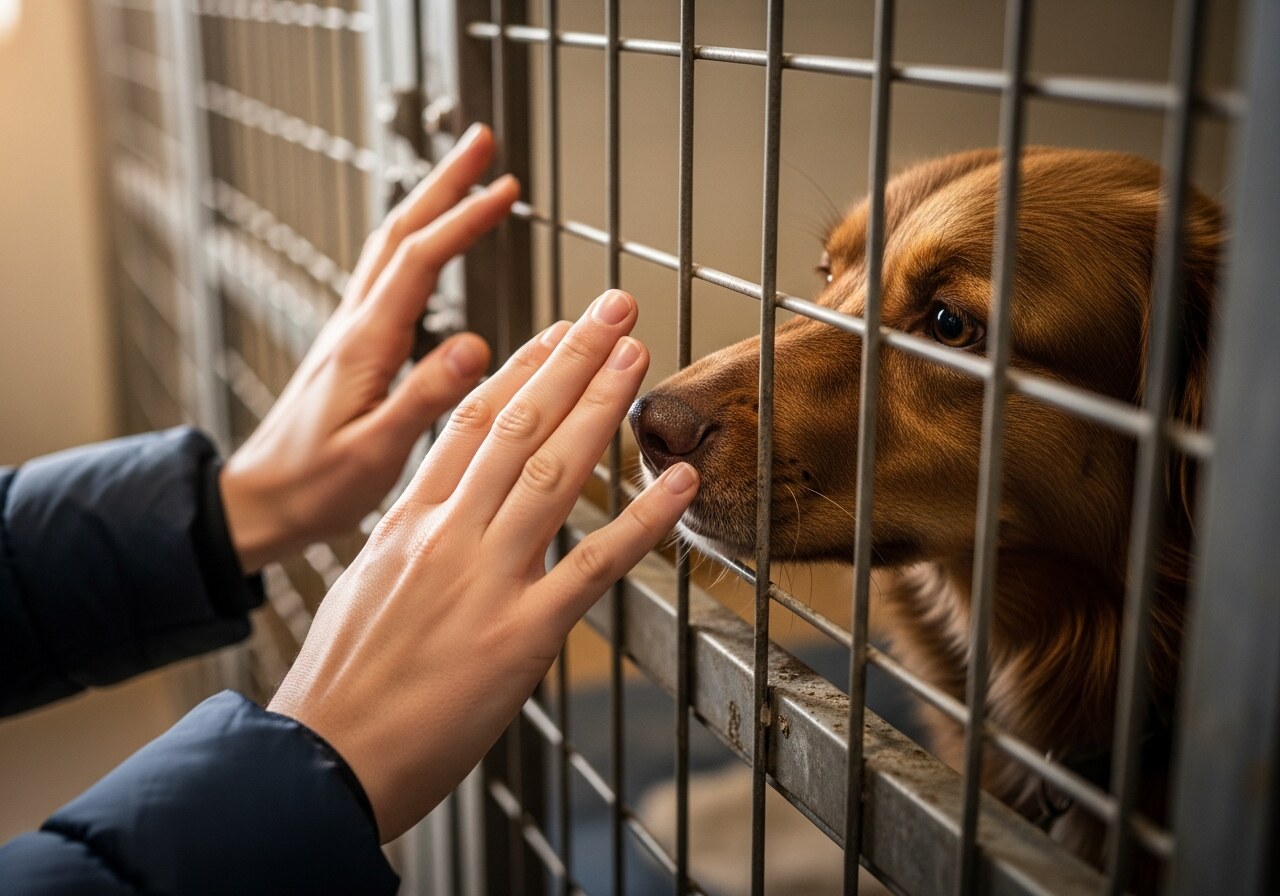
Most bears rescued from the bile industry or the trafficking trade cannot be released. They have spent years in cages, are habituated to humans, and frequently have skeletal deformities, dental damage and chronic disease. Lifetime sanctuary care is the standard outcome — and is expensive. A single rescued moon bear typically costs £8,000-12,000 per year to keep in a high-standard sanctuary.
Sources: IUCN Red List, CITES, WOAH, UNEP-WCMC.
We need your support to make this happen
World Animal Rescue Network is at the launch stage of this work. We do not yet have rescue numbers to share — and that is exactly why your support matters now. Every donation helps us put trained teams on the ground, secure veterinary supplies and equipment, and reach the first animals before they are lost.
Donate today to fund our first deployments, or sponsor an animal to back a specific species through rehabilitation. You can also join the network as a volunteer, fundraiser, or monthly supporter.