Wildlife Guide · Worldwide
Bat
Chiroptera
The only mammals that truly fly, and quiet guardians of farms and forests.
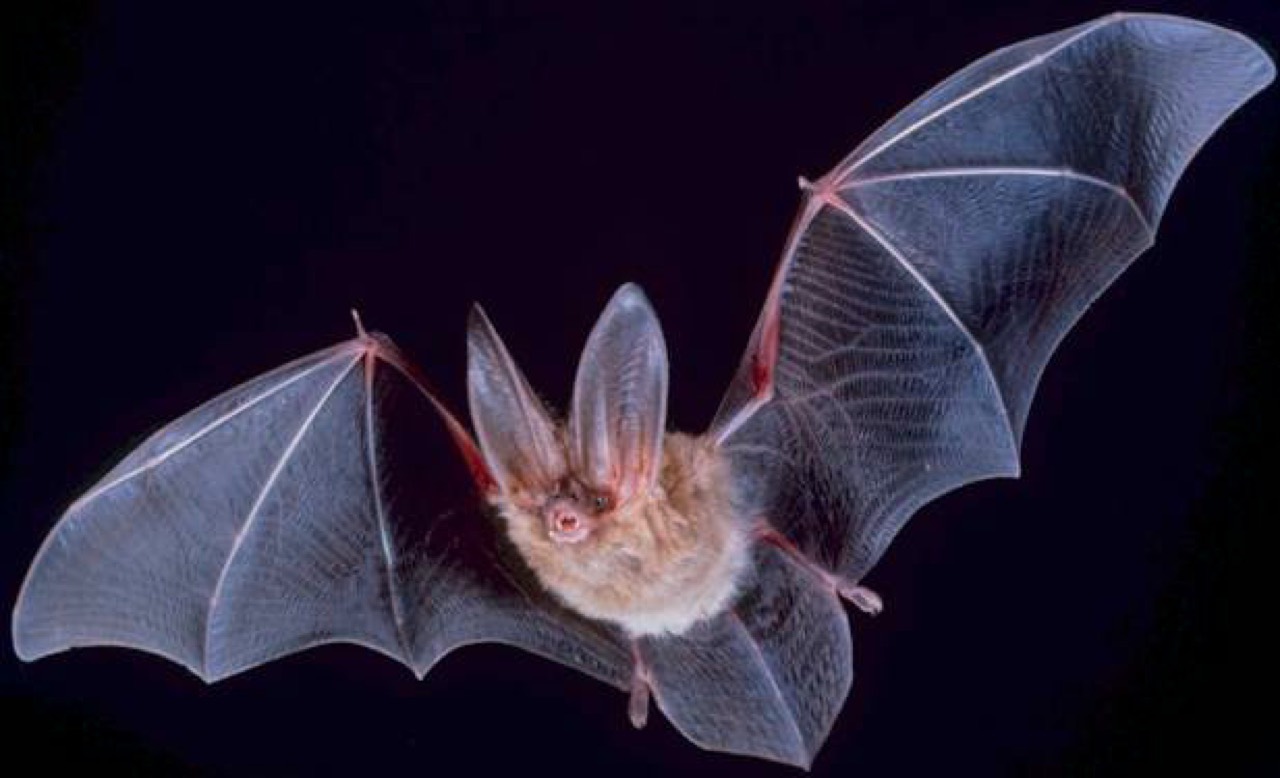
Source: Wikimedia Commons via Wikipedia “Bat”
In brief
Bats (order Chiroptera) are the only mammals capable of true flight, with around 1,400 species worldwide that mostly navigate by echolocation and provide vital pest control, pollination, and seed dispersal.
Also in Animals A to Z · Animals that start with B
By WARN Research & Conservation TeamLast updated
Bats make up the order Chiroptera, a remarkably diverse group of roughly 1,400 species found on every continent except Antarctica. They are the only mammals capable of true, sustained powered flight, and most navigate the dark using echolocation, sending out high-pitched calls and listening for the echoes that bounce back. Far from the villains of folklore, bats keep insect numbers in check, pollinate flowers, and scatter seeds that regrow forests. Yet many species are in trouble, squeezed by habitat loss, persecution, and the spread of white-nose syndrome, a fungal disease that has devastated populations across North America.
~1,400
Known species worldwide
1 in 5
Of all mammal species are bats
~41 yrs
Longest recorded lifespan in the wild
90%+
Decline in several North American species from white-nose syndrome
Figures sourced from Smithsonian Institution - Bat Facts, U.S. Department of the Interior - 13 Facts About Bats, U.S. Geological Survey - White-Nose Syndrome Killed Over 90% of Three Bat Species and other references on this page.
Bat: Quick Facts
| Lifespan | Commonly 5-20 years; up to ~41 years recorded in the wild |
|---|---|
| Weight | ~2 g (Kitti's hog-nosed bat) to ~1.6 kg (large flying foxes) |
| Size | Body 3-40 cm; wingspan 17 cm to ~1.7 m |
| Diet | Varies: insects, fruit, nectar, pollen; a few eat fish, frogs, or blood |
| Gestation | About 40 days to 6 months depending on species |
| Young | Usually 1 pup per year (occasionally twins) |
| Baby name | Pup |
| Group name | A colony or cloud of bats |
| Top speed | Some species exceed 100 km/h (about 60 mph) in level flight |
| CITES | Several species listed on Appendix I or II; most not listed |
Scientific Classification
| Kingdom | Animalia |
|---|---|
| Phylum | Chordata |
| Class | Mammalia |
| Order | Chiroptera |
| Families | About 20 families (e.g. Pteropodidae, Vespertilionidae) |
| Species | ~1,400 species |
Conservation Status
- IUCN Status
- Varies by species (Least Concern to Critically Endangered)
- Population
- Unknown overall; trends tracked species by species rather than for the whole order
- Trend
- Decreasing for many species, including those hit by white-nose syndrome
- Assessed
- Assessed individually; many reviewed 2019-2021
- CITES
- Several species on CITES Appendix I or II; most not listed
Chiroptera is an order, not a single species, so the IUCN Red List assesses bats individually. Status ranges from abundant species of Least Concern to Critically Endangered island and cave-dwelling bats.
Did you know?
A single insect-eating bat can catch hundreds of mosquitoes and other insects in a single hour, and Kitti's hog-nosed bat, weighing about as much as two raisins, is one of the smallest mammals on Earth.
Key Facts: Bat
- Bats are the only mammals that can truly fly, using wings formed from a thin membrane stretched over elongated finger bones.
- With around 1,400 species, bats account for roughly one in five of all mammal species on Earth.
- Most bats use echolocation, emitting calls and reading the returning echoes to hunt and navigate in darkness.
- Insect-eating bats can consume large quantities of pests each night, saving farmers significant crop losses.
- Fruit and nectar bats pollinate hundreds of plant species and disperse seeds that help regenerate forests.
- White-nose syndrome, habitat loss, and persecution have pushed many bat species toward decline or extinction.
The only mammals that truly fly
Many animals glide, but bats are the only mammals that achieve genuine, flapping flight. Their wings are not feathered like a bird's; instead, a flexible skin membrane called the patagium stretches between greatly elongated finger bones, the body, and often the legs and tail. This design makes bats astonishingly agile, able to hover, turn sharply, and snatch insects mid-air. Body size spans a huge range, from tiny species weighing around two grams, among the smallest mammals alive, to large flying foxes with wingspans approaching 1.7 metres.
Seeing with sound
Most bats hunt and move through the dark using echolocation. They produce rapid, high-frequency calls and interpret the echoes that bounce off surroundings, building a detailed sound picture of obstacles and prey. This sense is precise enough to detect an insect on the wing or a thin twig. Not all bats rely on it, however: many Old World fruit bats lean mainly on keen eyesight and a strong sense of smell to find ripe fruit and flowers.
Nature's pest controllers and pollinators
Bats deliver ecosystem services worth billions to agriculture. Insect-eating species devour vast numbers of moths, beetles, and crop pests each night, reducing the need for pesticides. In tropical and desert regions, nectar-feeding bats pollinate plants including agave and many wild relatives of cultivated crops, while fruit bats disperse seeds across cleared land, jump-starting forest recovery. Plants pollinated or seeded by bats include those linked to bananas, mangoes, and cacao, the source of chocolate.
Threats and conservation
Bat fortunes vary enormously by species, ranging from abundant and secure to critically endangered. A leading threat in North America is white-nose syndrome, a cold-loving fungus that rouses hibernating bats and burns their energy reserves; it has killed more than 90 percent of little brown, northern long-eared, and tri-colored bats in affected areas. Elsewhere, habitat destruction, wind-turbine collisions, disturbance of roosts, and killing driven by fear or myth all take a toll. Protecting caves, forests, and roost sites is central to keeping bat populations healthy.
Microbats vs Megabats (fruit bats)
| Feature | Microbats | Megabats (fruit bats) |
|---|---|---|
| Main diet | Mostly insects (some fish, frogs, blood) | Fruit, nectar, and pollen |
| Echolocation | Usually present and well developed | Mostly absent; rely on sight and smell |
| Eyesight | Good, but secondary to sound | Excellent, large eyes |
| Typical size | Small, often a few grams | Larger, up to ~1.6 kg with big wingspans |
| Where found | Worldwide, including temperate zones | Mainly tropical and subtropical regions |
What WARN Does
Bats are a globally distributed group and fall outside the countries where the World Animal Rescue Network currently funds hands-on rescue work. WARN does not run or fund bat-specific projects, and this guide does not claim otherwise. At our launch stage, this page is educational content created to answer common questions accurately, support broader awareness of misunderstood wildlife, and strengthen the wider WARN mission. Where readers want to help, we point them toward the nearest relevant WARN focus: protecting the habitats that bats and countless other species depend on.
Bats fall outside WARN's current rescue countries, so we cannot claim to fund work for them directly. If this guide sparked your interest, the most relevant way to help is to support WARN's habitat protection efforts, which safeguard the forests, caves, and wild spaces that bats and countless other species rely on.
Bat: Frequently Asked Questions
Are bats the only mammals that can fly?
How many species of bats are there?
Do all bats use echolocation?
Are bats blind?
What do bats eat?
Where do bats live?
How long do bats live?
How big is a bat?
Are bats dangerous?
Sources & References
Population figures, conservation status and biological facts on this page are drawn from authoritative scientific and intergovernmental sources.
Terms used on this page
Plain-English definitions, from our wildlife and conservation glossary.
Latest Bat Stories
Quick, fact-checked reads on the bat — amazing facts, key questions and the threats it faces.
Guides
Pet Adoption vs. Animal Rescue: How to Help When You Can't Adopt
Pet adoption, cat adoption, dog adoption, puppies for adoption — they all matter. But what about the animals you cannot bring home?
Read the storyGuides
Giving in Memory of a Pet: A Complete Guide to Tribute Donations and Pet Memorials
How to give in memory of a much-loved pet, what a tribute donation actually does, how memorial walls work, and how WARN matches your gift to the same species your animal belonged to.
Read the storySpecies
12 Amazing Facts About the Humpback Whale, the Ocean's Great Singer
From hours-long songs that only males sing to flippers longer than any other whale, here are 12 genuinely surprising facts about the humpback whale.
Read the storyExplore more animals
Discover more animals, their habitats and their conservation status in the WARN wildlife-guide library.