Cat Breed · United States
Bengal
Bred from the Asian leopard cat, the Bengal wears a wild rosetted coat over an athletic, energetic, water-loving personality.
By WARN Research & Conservation TeamLast updated
In brief
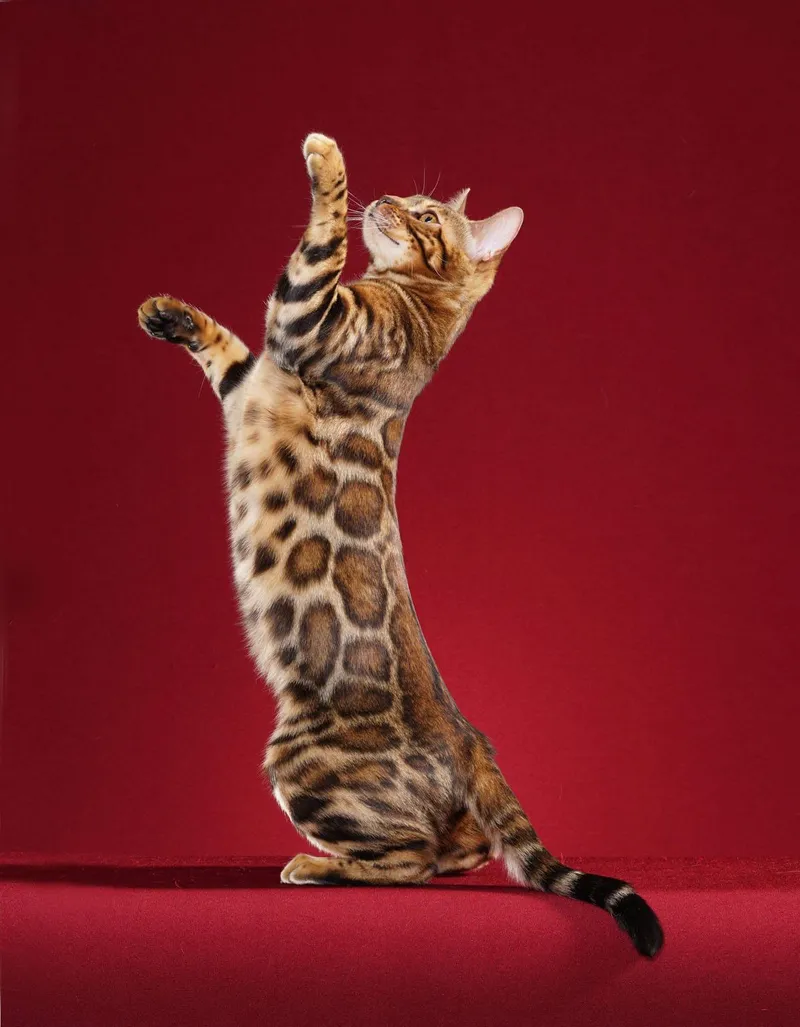
The Bengal is an athletic, wild-looking cat with a spotted or rosetted coat bred from the Asian leopard cat. Energetic, curious, and playful, it loves climbing, water, and active engagement, suiting busy, interactive households.
What are the key facts about a Bengal?
The Bengal is a cat breed from United States: medium (4–7 kg), active, playful, curious. Bred from the Asian leopard cat, the Bengal wears a wild rosetted coat over an athletic, energetic, water-loving personality.
| Origin | United States |
|---|---|
| Size | Medium (4–7 kg) |
| Weight | 4–7 kg (9–15 lb) |
| Lifespan | 12–16 years |
| Coat | Short, dense, glossy coat; low-maintenance, brush weekly |
| Temperament | Active, playful, curious |
| Good with | Active families, experienced owners, enrichment-rich homes |
Is a Bengal a good cat for you?
A Bengal is a good cat when your home matches active families, experienced owners, enrichment-rich homes. It is a active, playful, curious medium (4–7 kg) breed from United States.
Bred from the Asian leopard cat, the Bengal wears a wild rosetted coat over an athletic, energetic, water-loving personality. That one-line pitch is not a care plan. Factor grooming (Short, dense, glossy coat; low-maintenance, brush weekly), typical adult size (4–7 kg (9–15 lb)), and the health issues listed below before you pay a deposit.
Meet adults of the breed, not only puppies or kittens, and prefer rescue or health-screened homes. A Bengal that looks right in a photo can still be the wrong animal for a small flat, a full-time office job, or a household that wanted a low-energy companion.
What is a Bengal?
Bred from the Asian leopard cat, the Bengal wears a wild rosetted coat over an athletic, energetic, water-loving personality. Origin is United States; coat or markings are described as Short, dense, glossy coat; low-maintenance, brush weekly.
Kennel and registry labels describe a type. Individual Bengals still vary, and rescue animals may be mixes.
Where does the Bengal come from?
Bengals come from United States. The Bengal was created in the United States in the 1960s and 1980s by crossing the small wild Asian leopard cat with domestic cats.
Breeder Jean Mill is credited with developing the modern breed, aiming for a gentle pet with an exotic, wild appearance. After several generations, Bengals became fully domestic in temperament while keeping their striking rosetted and spotted coats. The breed gained recognition from major registries and rapidly grew in popularity for its energetic, dog-like nature.
That origin still shows. A Bengal is medium (4–7 kg) and active, playful, curious, typically living 12–16 years. Use the history as context for care and conservation, not as folklore to repeat without sources.
How much care does a Bengal need?
Plan 12–16 years of food, vet care, grooming and time. A Bengal is medium (4–7 kg) (4–7 kg (9–15 lb)) from United States, with coat care described as short, dense, glossy coat; low-maintenance, brush weekly.
This temperament does not thrive on a 20-minute walk and eight hours alone.
Grooming follows the coat, not a generic clip: Short, dense, glossy coat; low-maintenance, brush weekly. Keep the animal lean; extra weight is a joint and heart tax, especially in a medium cat.
Budget for unexpected vet bills. The health section below is why “cheap to buy” is not the same as cheap to keep.
What surprises people about the Bengal?
A few details about the breed, alongside the practical care information in this guide.
- Bengals descend from the small wild Asian leopard cat.
- Many Bengals love water and may join their owners at the sink or bath.
- Their coats can have a shimmering, glittered appearance in sunlight.
- Bengals are highly athletic and can leap several times their own height.
What health issues should you know about in a Bengal?
Health concerns to discuss with your vet, including changes to watch for and everyday care. This is general guidance, not veterinary advice — always speak to your vet.
Hypertrophic cardiomyopathy (HCM)
HCM thickens the heart muscle and can develop without obvious early signs.
Care: A vet can screen with a heart scan and manage it with medication if needed; responsible breeders test their cats.
Progressive retinal atrophy
This inherited eye condition slowly reduces vision and can lead to blindness.
Care: A vet or eye specialist can diagnose it, and cats cope well in a stable environment; genetic testing of breeding cats helps prevent it.
Patellar luxation
Some Bengals can have kneecaps that slip out of place, causing an occasional skip or hop in their step.
Care: A vet can assess severity and recommend management, from weight control to corrective options in more significant cases.
Who should skip a Bengal?
Skip a Bengal if you are owners who wanted a low-exercise companion. This United States cat is medium (4–7 kg) and active, playful, curious — the mismatch is usually lifestyle, not a missing accessory.
This page is allowed to say no. Skip if you are owners who wanted a low-exercise companion.
A different cat breed on this site may fit. Wanting “a Bengal” after a film or a colour photo is not a reason to ignore the skip list.
What are the hidden catches with a Bengal?
The hidden cost of a Bengal is usually not the purchase price. It is years of care, the health list on this page, and the mismatch between a active, playful, curious animal and a busy home.
The impulse-buy catch
A Bengal from United States is often sold on looks. Coat, colour and size are not a temperament test. Meet the adult animal, ask about health screening, and walk away from pressure sales.
The hypertrophic cardiomyopathy (hcm) catch
HCM thickens the heart muscle and can develop without obvious early signs. A vet can screen with a heart scan and manage it with medication if needed; responsible breeders test their cats.
The progressive retinal atrophy catch
This inherited eye condition slowly reduces vision and can lead to blindness. A vet or eye specialist can diagnose it, and cats cope well in a stable environment; genetic testing of breeding cats helps prevent it.
How does a Bengal compare with Sphynx and Scottish Fold?
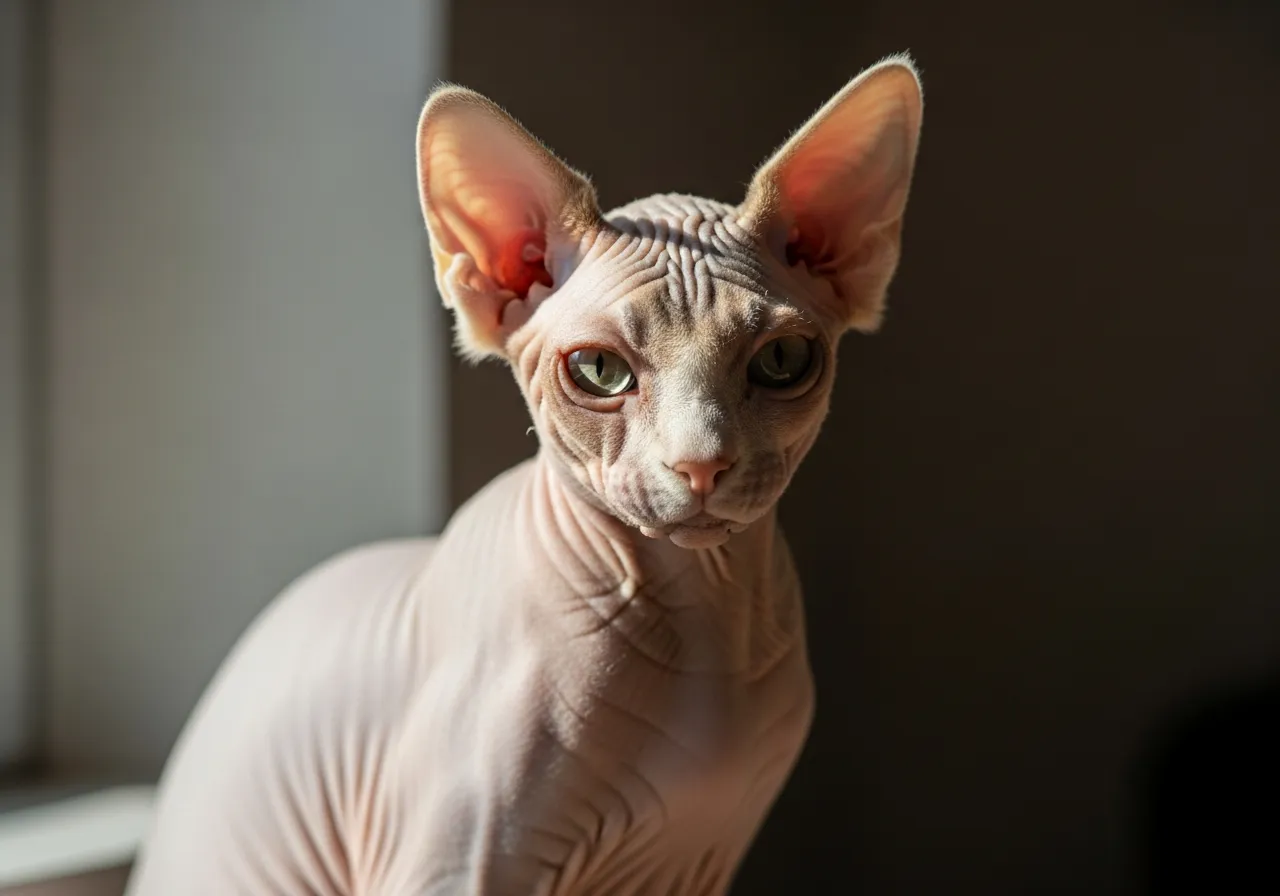
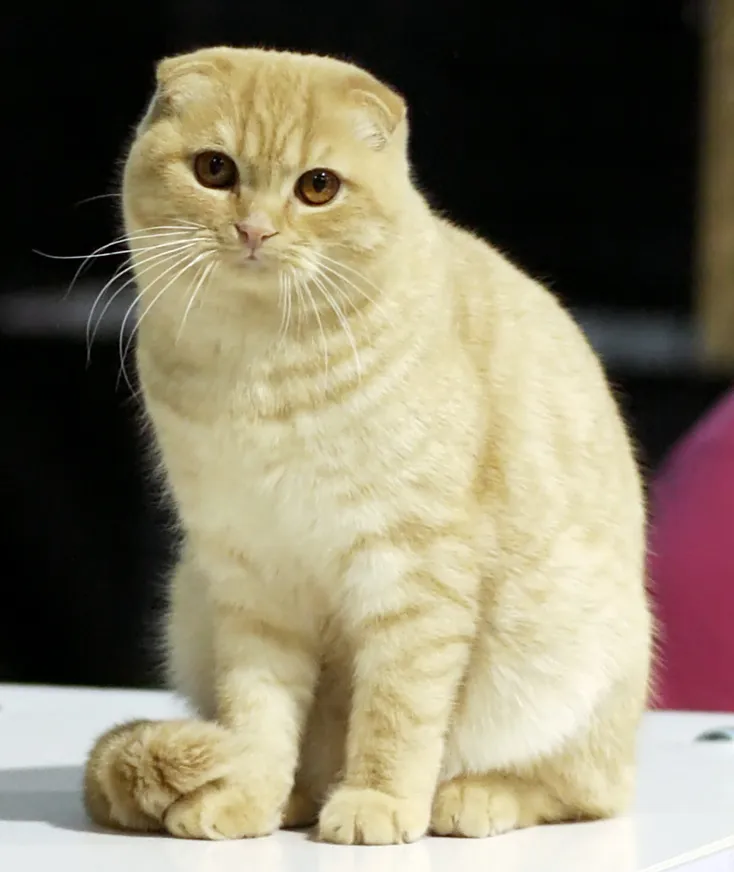
A Bengal is not interchangeable with Sphynx and Scottish Fold. Compare origin, size, lifespan and temperament before you choose — those four lines prevent most regret.
| Cat fact | Bengal | Sphynx | Scottish Fold |
|---|---|---|---|
| Origin | United States | Canada | Scotland |
| Size | Medium (4–7 kg) | Medium (3.5–5 kg) | Medium (3–6 kg) |
| Lifespan | 12–16 years | 9–15 years | 11–15 years |
| Temperament | Active, playful, curious | Affectionate, energetic, mischievous | Sweet, calm, adaptable |
What is the verdict on the Bengal?
Choose a Bengal only if the care, skip-if and health sections still look like your life after a week of thinking. Otherwise pick a different cat or wait. Rescue is usually the better first door than a waiting-list puppy or kitten.
If the match is real, budget for 12–16 years of vet care and do not skip health screening. If it is not, walking away is the kind choice — for you and for the animal.
Every cat deserves a chance
Whatever breed you love, countless cats live without a home or care. A symbolic adoption or a gift to WARN funds community-cat welfare — neutering, vaccination and treatment for cats most people never see.