Cat Breed · Norway
Norwegian Forest Cat
A rugged longhaired forest cat adapted to Scandinavian winters.
By WARN Research & Conservation TeamLast updated
In brief
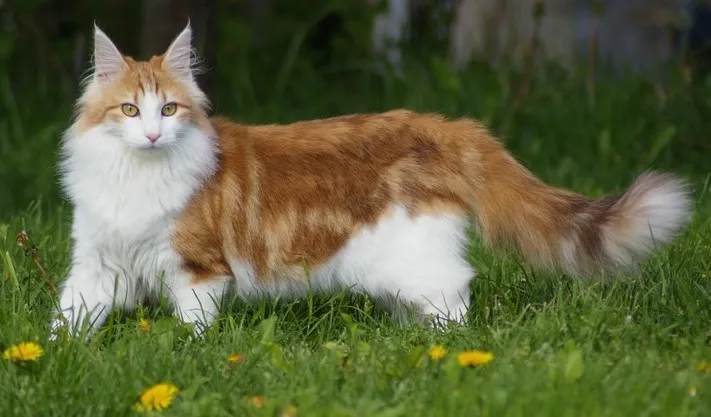
The Norwegian Forest Cat is a large, sturdy longhaired breed from Scandinavia, built for cold climates with a thick water-resistant double coat. Affectionately called the 'Wegie', it is gentle and independent, bonding closely with its family while remaining a confident, skilled climber.
What are the key facts about a Norwegian Forest Cat?
The Norwegian Forest Cat is a cat breed from Norway: large (4–9 kg), independent, gentle, playful. A rugged longhaired forest cat adapted to Scandinavian winters.
| Origin | Norway |
|---|---|
| Size | Large (4–9 kg) |
| Weight | 4-9 kg (9-20 lb), with males notably heavier than females |
| Lifespan | 12–15 years |
| Coat | A long, dense double coat with a glossy, water-resistant top layer and woolly undercoat, plus a ruff and bushy tail. It sheds seasonally, shedding heavily in spring when the winter coat is lost; weekly brushing keeps it tangle-free, increasing to several times a week during the moult. The coat is largely self-maintaining and rarely needs bathing. |
| Temperament | Independent, gentle, playful |
| Good with | A relaxed, family-friendly cat that suits households with children and other pets, including cat-friendly dogs. Its easygoing, independent nature makes it forgiving for less experienced owners, though it appreciates company and vertical space to climb. It tolerates flats if given tall cat trees and enrichment, but it is an active, athletic breed that enjoys interactive play and exploring. |
Is a Norwegian Forest Cat a good cat for you?
A Norwegian Forest Cat is a good cat when your home matches a relaxed, family-friendly cat that suits households with children and other pets, including cat-friendly dogs. its easygoing, independent nature makes it forgiving for less experienced owners, though it appreciates company and vertical space to climb. it tolerates flats if given tall cat trees and enrichment, but it is an active, athletic breed that enjoys interactive play and exploring.. It is a independent, gentle, playful large (4–9 kg) breed from Norway.
A rugged longhaired forest cat adapted to Scandinavian winters. That one-line pitch is not a care plan. Factor grooming (A long, dense double coat with a glossy, water-resistant top layer and woolly undercoat, plus a ruff and bushy tail. It sheds seasonally, shedding heavily in spring when the winter coat is lost; weekly brushing keeps it tangle-free, increasing to several times a week during the moult. The coat is largely self-maintaining and rarely needs bathing.), typical adult size (4-9 kg (9-20 lb), with males notably heavier than females), and the health issues listed below before you pay a deposit.
Meet adults of the breed, not only puppies or kittens, and prefer rescue or health-screened homes. A Norwegian Forest Cat that looks right in a photo can still be the wrong animal for a small flat, a full-time office job, or a household that wanted a low-energy companion.
What is a Norwegian Forest Cat?
A rugged longhaired forest cat adapted to Scandinavian winters. Origin is Norway; coat or markings are described as A long, dense double coat with a glossy, water-resistant top layer and woolly undercoat, plus a ruff and bushy tail. It sheds seasonally, shedding heavily in spring when the winter coat is lost; weekly brushing keeps it tangle-free, increasing to several times a week during the moult. The coat is largely self-maintaining and rarely needs bathing..
Kennel and registry labels describe a type. Individual Norwegian Forest Cats still vary, and rescue animals may be mixes.
Where does the Norwegian Forest Cat come from?
Norwegian Forest Cats come from Norway. The Norwegian Forest Cat is a natural breed that developed over centuries in the forests and farms of Norway, where its thick coat and robust build helped it survive harsh Nordic winters.
It features in Norse mythology and folk tales, and may well have travelled aboard Viking ships as a working rat-catcher. The breed nearly disappeared during the 20th century through crossbreeding, but a dedicated Norwegian breeding programme revived it from the 1930s onward. It was officially recognised in Europe in the late 1970s and is now Norway's official national cat.
How much care does a Norwegian Forest Cat need?
Plan 12–15 years of food, vet care, grooming and time. A Norwegian Forest Cat is large (4–9 kg) (4-9 kg (9-20 lb), with males notably heavier than females) from Norway, with coat care described as a long, dense double coat with a glossy, water-resistant top layer and woolly undercoat, plus a ruff and bushy tail. it sheds seasonally, shedding heavily in spring when the winter coat is lost; weekly brushing keeps it tangle-free, increasing to several times a week during the moult. the coat is largely self-maintaining and rarely needs bathing..
Match daily exercise to the independent, gentle, playful temperament rather than to Instagram.
Grooming follows the coat, not a generic clip: A long, dense double coat with a glossy, water-resistant top layer and woolly undercoat, plus a ruff and bushy tail. It sheds seasonally, shedding heavily in spring when the winter coat is lost; weekly brushing keeps it tangle-free, increasing to several times a week during the moult. The coat is largely self-maintaining and rarely needs bathing.. Keep the animal lean; extra weight is a joint and heart tax, especially in a large cat.
Budget for unexpected vet bills. The health section below is why “cheap to buy” is not the same as cheap to keep.
What surprises people about the Norwegian Forest Cat?
A few details about the breed, alongside the practical care information in this guide.
- It is Norway's official national cat, designated by the late King Olav V.
- The breed appears in Norse legend as the 'skogkatt' (forest cat), said to pull the goddess Freyja's chariot.
- Unusually among cats, many Wegies are confident climbers that descend trees head-first thanks to strong claws.
- Its water-resistant double coat lets it shrug off snow and rain that would soak most other longhairs.
What health issues should you know about in a Norwegian Forest Cat?
Health concerns to discuss with your vet, including changes to watch for and everyday care. This is general guidance, not veterinary advice — always speak to your vet.
Hypertrophic cardiomyopathy (HCM)
Thickening of the heart muscle that may cause sudden illness or heart failure.
Care: Breeding cats should be screened; affected cats may need lifelong medication under veterinary care.
Hip dysplasia
An inherited malformation of the hip joint that can cause stiffness, lameness, or arthritis as the dog ages.
Care: Keep dogs lean, choose health-screened parents, and seek vet advice for pain management or surgery if needed.
Glycogen storage disease
Glycogen storage disease can occur in this breed and may need veterinary monitoring.
Care: Discuss prevention and treatment with your vet.
Who should skip a Norwegian Forest Cat?
Skip a Norwegian Forest Cat if you are first-time owners hoping the animal will train itself. This Norway cat is large (4–9 kg) and independent, gentle, playful — the mismatch is usually lifestyle, not a missing accessory.
This page is allowed to say no. Skip if you are first-time owners hoping the animal will train itself.
A different cat breed on this site may fit. Wanting “a Norwegian Forest Cat” after a film or a colour photo is not a reason to ignore the skip list.
What are the hidden catches with a Norwegian Forest Cat?
The hidden cost of a Norwegian Forest Cat is usually not the purchase price. It is years of care, the health list on this page, and the mismatch between a independent, gentle, playful animal and a busy home.
The impulse-buy catch
A Norwegian Forest Cat from Norway is often sold on looks. Coat, colour and size are not a temperament test. Meet the adult animal, ask about health screening, and walk away from pressure sales.
The hypertrophic cardiomyopathy (hcm) catch
Thickening of the heart muscle that may cause sudden illness or heart failure. Breeding cats should be screened; affected cats may need lifelong medication under veterinary care.
The hip dysplasia catch
An inherited malformation of the hip joint that can cause stiffness, lameness, or arthritis as the dog ages. Keep dogs lean, choose health-screened parents, and seek vet advice for pain management or surgery if needed.
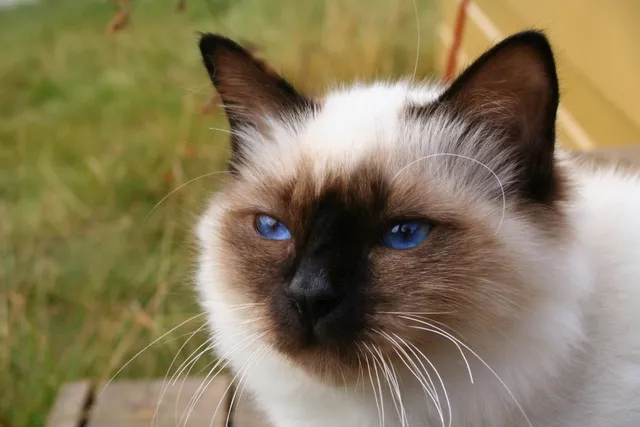
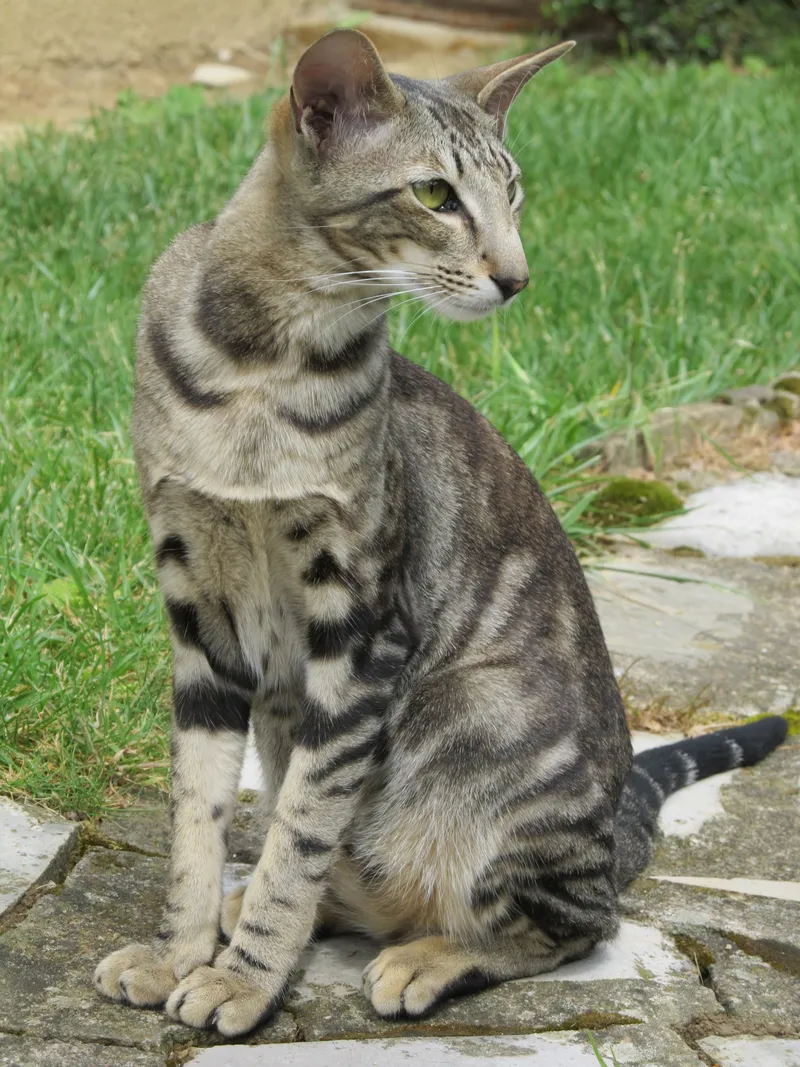
How does a Norwegian Forest Cat compare with Birman and Oriental Shorthair?
A Norwegian Forest Cat is not interchangeable with Birman and Oriental Shorthair. Compare origin, size, lifespan and temperament before you choose — those four lines prevent most regret.
| Cat fact | Norwegian Forest Cat | Birman | Oriental Shorthair |
|---|---|---|---|
| Origin | Norway | Burma/France | Thailand/United Kingdom |
| Size | Large (4–9 kg) | Medium (3–6 kg) | Medium (3–5 kg) |
| Lifespan | 12–15 years | 13–17 years | 13–17 years |
| Temperament | Independent, gentle, playful | Gentle, quiet, affectionate | Vocal, social, intelligent |
What is the verdict on the Norwegian Forest Cat?
Choose a Norwegian Forest Cat only if the care, skip-if and health sections still look like your life after a week of thinking. Otherwise pick a different cat or wait. Rescue is usually the better first door than a waiting-list puppy or kitten.
If the match is real, budget for 12–15 years of vet care and do not skip health screening. If it is not, walking away is the kind choice — for you and for the animal.
Every cat deserves a chance
Whatever breed you love, countless cats live without a home or care. A symbolic adoption or a gift to WARN funds community-cat welfare — neutering, vaccination and treatment for cats most people never see.