Cat Breed · United States
Somali
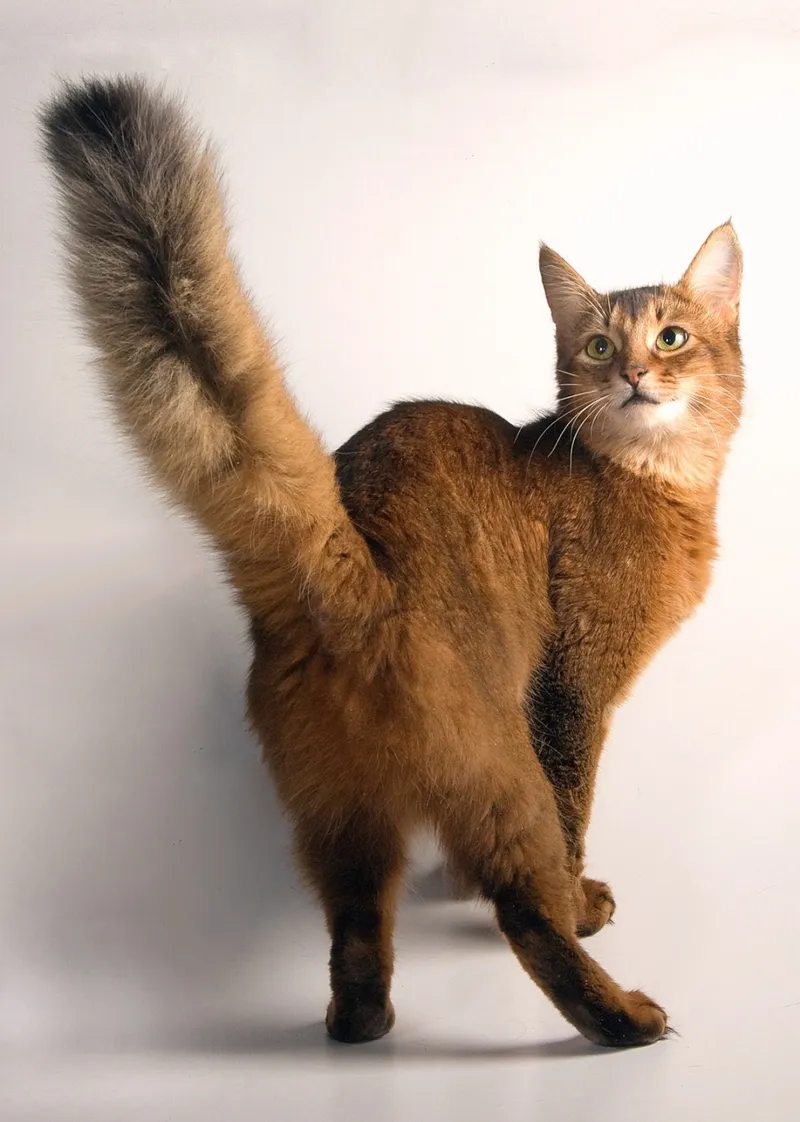
A longhaired Abyssinian with a ticked coat and fox-like brush tail.
By WARN Research & Conservation TeamLast updated
In brief
The Somali is the longhaired counterpart of the Abyssinian, sharing its ticked, warm-toned coat and lively, inquisitive nature. Active, playful and highly intelligent, it is an agile climber and busy explorer that thrives on interaction and stimulation rather than long quiet hours alone.
What are the key facts about a Somali?
The Somali is a cat breed from United States: medium (3–5 kg), active, curious, playful. A longhaired Abyssinian with a ticked coat and fox-like brush tail.
| Origin | United States |
|---|---|
| Size | Medium (3–5 kg) |
| Weight | 3-5 kg (6.5-11 lb), with males generally larger than females |
| Lifespan | 13–17 years |
| Coat | Medium-length, fine and soft with a striking ticked (agouti) pattern in which each hair carries several bands of colour, plus a full ruff and a bushy, fox-like tail. The semi-long coat lacks a heavy undercoat, so it resists matting and needs only weekly combing, increasing during seasonal moults. Bathing is rarely required. |
| Temperament | Active, curious, playful |
| Good with | Best for active households that can offer plenty of play, climbing and mental challenge; it suits families, sociable children and other lively pets. It does well with both first-time and experienced owners who understand its need for stimulation. Adaptable to flats if given vertical space and enrichment, but it is not a placid lap cat and can grow bored without company. |
Is a Somali a good cat for you?
A Somali is a good cat when your home matches best for active households that can offer plenty of play, climbing and mental challenge; it suits families, sociable children and other lively pets. it does well with both first-time and experienced owners who understand its need for stimulation. adaptable to flats if given vertical space and enrichment, but it is not a placid lap cat and can grow bored without company.. It is a active, curious, playful medium (3–5 kg) breed from United States.
A longhaired Abyssinian with a ticked coat and fox-like brush tail. That one-line pitch is not a care plan. Factor grooming (Medium-length, fine and soft with a striking ticked (agouti) pattern in which each hair carries several bands of colour, plus a full ruff and a bushy, fox-like tail. The semi-long coat lacks a heavy undercoat, so it resists matting and needs only weekly combing, increasing during seasonal moults. Bathing is rarely required.), typical adult size (3-5 kg (6.5-11 lb), with males generally larger than females), and the health issues listed below before you pay a deposit.
Meet adults of the breed, not only puppies or kittens, and prefer rescue or health-screened homes. A Somali that looks right in a photo can still be the wrong animal for a small flat, a full-time office job, or a household that wanted a low-energy companion.
What is a Somali?
A longhaired Abyssinian with a ticked coat and fox-like brush tail. Origin is United States; coat or markings are described as Medium-length, fine and soft with a striking ticked (agouti) pattern in which each hair carries several bands of colour, plus a full ruff and a bushy, fox-like tail. The semi-long coat lacks a heavy undercoat, so it resists matting and needs only weekly combing, increasing during seasonal moults. Bathing is rarely required..
Kennel and registry labels describe a type. Individual Somalis still vary, and rescue animals may be mixes.
Where does the Somali come from?
Somalis come from United States. The Somali descends directly from the Abyssinian, emerging from longhaired kittens that appeared in Abyssinian litters, a trait carried as a recessive gene from earlier outcrossing.
For decades such kittens were quietly removed, until breeders in the United States and Canada, notably Evelyn Mague in the late 1960s and 70s, championed them as a breed in their own right. Mague chose the name Somali as a nod to Somalia, neighbour of Abyssinia (Ethiopia), reflecting the cat's close kinship with the Abyssinian. It achieved championship status with US registries in the late 1970s.
How much care does a Somali need?
Plan 13–17 years of food, vet care, grooming and time. A Somali is medium (3–5 kg) (3-5 kg (6.5-11 lb), with males generally larger than females) from United States, with coat care described as medium-length, fine and soft with a striking ticked (agouti) pattern in which each hair carries several bands of colour, plus a full ruff and a bushy, fox-like tail. the semi-long coat lacks a heavy undercoat, so it resists matting and needs only weekly combing, increasing during seasonal moults. bathing is rarely required..
This temperament does not thrive on a 20-minute walk and eight hours alone.
Grooming follows the coat, not a generic clip: Medium-length, fine and soft with a striking ticked (agouti) pattern in which each hair carries several bands of colour, plus a full ruff and a bushy, fox-like tail. The semi-long coat lacks a heavy undercoat, so it resists matting and needs only weekly combing, increasing during seasonal moults. Bathing is rarely required.. Keep the animal lean; extra weight is a joint and heart tax, especially in a medium cat.
Budget for unexpected vet bills. The health section below is why “cheap to buy” is not the same as cheap to keep.
What surprises people about the Somali?
A few details about the breed, alongside the practical care information in this guide.
- Its bushy tail and ruff have earned it the nickname 'fox cat'.
- Each individual hair is banded with up to ten or more colours, the ticking that gives the coat its glowing, shimmering depth.
- The breed name honours Somalia, chosen because it borders Abyssinia (Ethiopia), reflecting its parent breed the Abyssinian.
- Many Somalis are notably dextrous with their paws and enjoy manipulating toys, taps and small objects.
What health issues should you know about in a Somali?
Health concerns to discuss with your vet, including changes to watch for and everyday care. This is general guidance, not veterinary advice — always speak to your vet.
Progressive retinal atrophy
Progressive retinal atrophy can occur in this breed and may need veterinary monitoring.
Care: Discuss prevention and treatment with your vet.
Renal amyloidosis
Renal amyloidosis can occur in this breed and may need veterinary monitoring.
Care: Discuss prevention and treatment with your vet.
Dental disease
Plaque and tartar build-up leads to gum infection and tooth loss.
Care: Brush teeth regularly and schedule professional dental cleanings as your vet advises.
Who should skip a Somali?
Skip a Somali if you are owners who wanted a low-exercise companion. This United States cat is medium (3–5 kg) and active, curious, playful — the mismatch is usually lifestyle, not a missing accessory.
This page is allowed to say no. Skip if you are owners who wanted a low-exercise companion.
A different cat breed on this site may fit. Wanting “a Somali” after a film or a colour photo is not a reason to ignore the skip list.
What are the hidden catches with a Somali?
The hidden cost of a Somali is usually not the purchase price. It is years of care, the health list on this page, and the mismatch between a active, curious, playful animal and a busy home.
The impulse-buy catch
A Somali from United States is often sold on looks. Coat, colour and size are not a temperament test. Meet the adult animal, ask about health screening, and walk away from pressure sales.
The progressive retinal atrophy catch
Progressive retinal atrophy can occur in this breed and may need veterinary monitoring. Discuss prevention and treatment with your vet.
The renal amyloidosis catch
Renal amyloidosis can occur in this breed and may need veterinary monitoring. Discuss prevention and treatment with your vet.
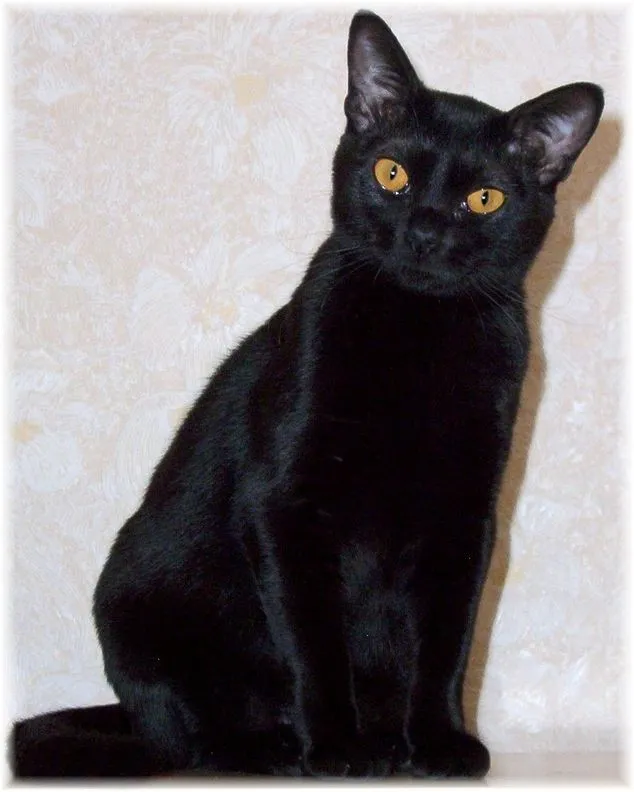
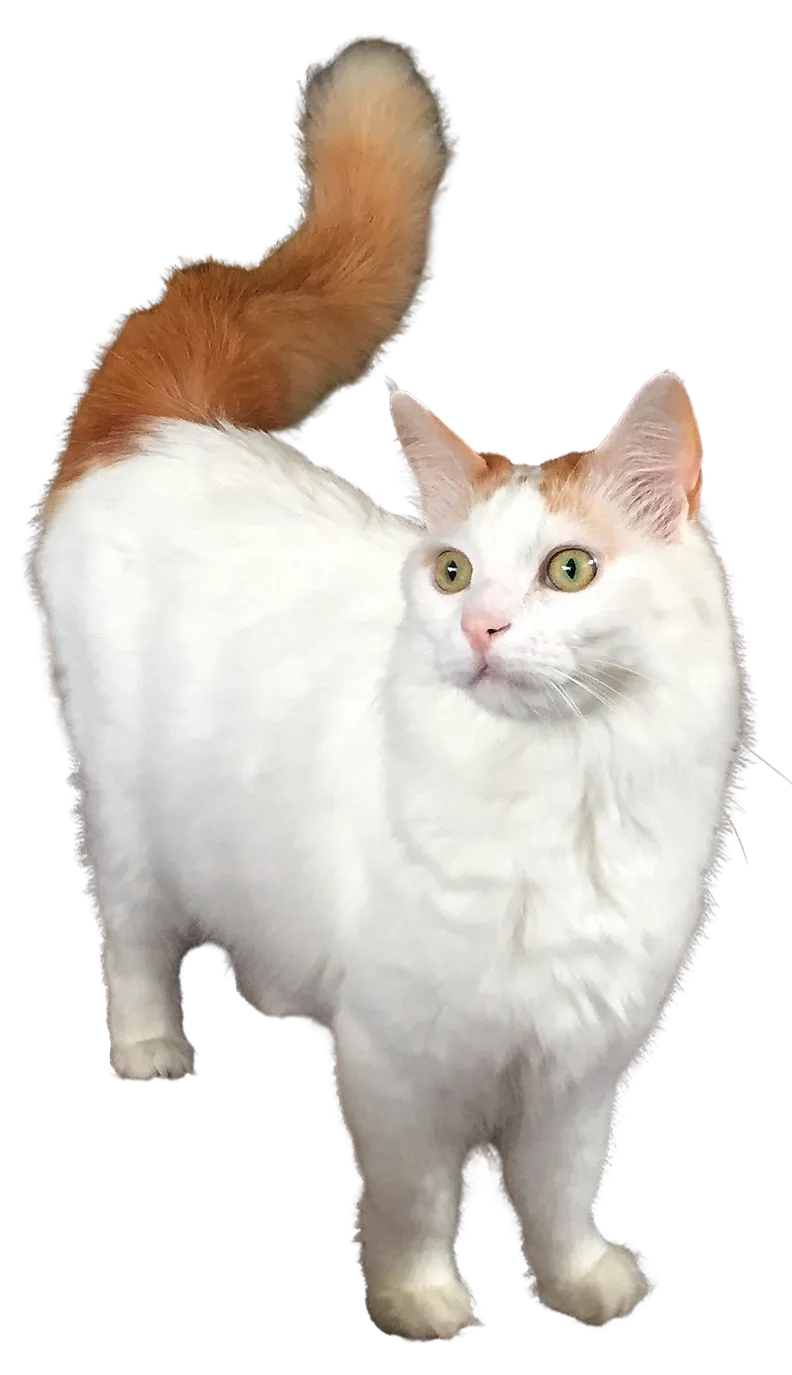
How does a Somali compare with Bombay and Turkish Van?
A Somali is not interchangeable with Bombay and Turkish Van. Compare origin, size, lifespan and temperament before you choose — those four lines prevent most regret.
| Cat fact | Somali | Bombay | Turkish Van |
|---|---|---|---|
| Origin | United States | United States | Turkey |
| Size | Medium (3–5 kg) | Medium (3–5 kg) | Large (4–8 kg) |
| Lifespan | 13–17 years | 13–17 years | 12–15 years |
| Temperament | Active, curious, playful | Affectionate, social, velcro | Energetic, water-loving, independent |
What is the verdict on the Somali?
Choose a Somali only if the care, skip-if and health sections still look like your life after a week of thinking. Otherwise pick a different cat or wait. Rescue is usually the better first door than a waiting-list puppy or kitten.
If the match is real, budget for 13–17 years of vet care and do not skip health screening. If it is not, walking away is the kind choice — for you and for the animal.
Every cat deserves a chance
Whatever breed you love, countless cats live without a home or care. A symbolic adoption or a gift to WARN funds community-cat welfare — neutering, vaccination and treatment for cats most people never see.