Wildlife Guide · Australia (wild); kept worldwide
Cockatiel
Nymphicus hollandicus (Kerr, 1792) — the smallest member of the cockatoo family
Australia's pocket cockatoo — a gentle, whistling parrot bred into many colour mutations.
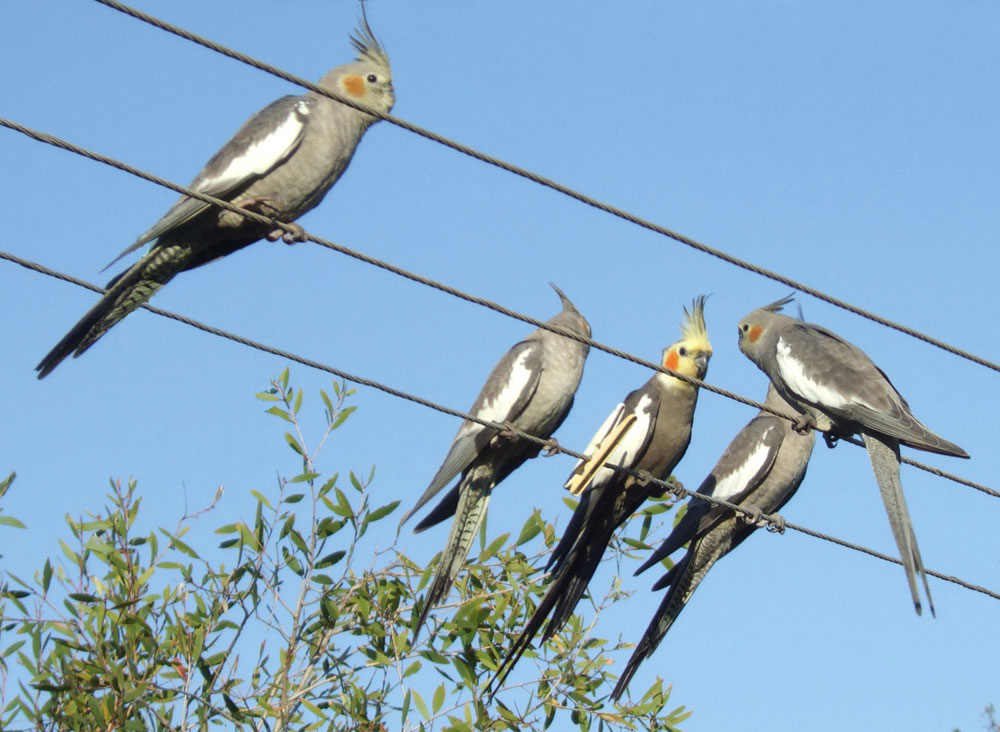
Photo: Jana und Thomas Kömpel / Wikimedia Commons (CC BY-SA 3.0)
In brief
The cockatiel (Nymphicus hollandicus) is a small Australian parrot — the smallest cockatoo, Least Concern in the wild — kept worldwide as a gentle pet; its colour 'varieties' are captive-bred mutations of one species.
Also in Animals A to Z · Animals that start with C
By WARN Research & Conservation TeamLast updated
The cockatiel (Nymphicus hollandicus) is a small, crested parrot from the Australian outback and the smallest member of the cockatoo family. Wild cockatiels are grey with white wing flashes, orange cheek patches and an expressive crest, and roam the interior in nomadic flocks. As pets they are second in popularity only to the budgerigar, prized for their gentle nature and whistled tunes. Captive breeding has produced colour mutations — lutino, pied, pearl, cinnamon, whiteface and more — that are all the same species. Wild cockatiels are Least Concern, but every pet bird needs company, space and a varied diet. WARN publishes this guide as free, honest bird-care education.
30–33 cm
Length including the long tail
LC
IUCN status of the wild cockatiel
15–25 yr
Lifespan with good care
#2
Second most popular pet bird after the budgie
Figures sourced from IUCN Red List — Nymphicus hollandicus, Lafeber — cockatiel care, VCA Hospitals — cockatiels .
Cockatiel: Quick Facts
| Wild range | Inland Australia |
|---|---|
| Family | Cacatuidae — smallest cockatoo |
| IUCN status | Least Concern (wild) |
| Length | 30–33 cm including tail |
| Lifespan | 15–25 years with good care |
| Varieties | Captive-bred colour mutations of one species |
Scientific Classification
| Kingdom | Animalia |
|---|---|
| Phylum | Chordata |
| Class | Aves |
| Order | Psittaciformes |
| Family | Cacatuidae |
| Species | Nymphicus hollandicus |
Conservation Status
- IUCN Status
- Least Concern in the wild. Captive colour mutations are not separate species; pet birds are captive-bred.
- Population
- Widespread and common across inland Australia
- Trend
- Stable
- Assessed
- 2018
- CITES
- Not listed
Key Facts: Cockatiel
- Cockatiels are the smallest members of the cockatoo family, native to Australia.
- Wild birds are grey; lutino, pied, pearl and whiteface are captive-bred mutations.
- They are gentle, social parrots that need daily interaction and out-of-cage time.
- Males tend to whistle and mimic more; females are usually quieter.
- An all-seed diet causes disease — they need pellets and vegetables too.
- With good care they commonly live 15–25 years.
Wild cockatiels of the outback
Nymphicus hollandicus ranges across inland Australia, favouring open country near water. Flocks are nomadic, following rain and seeding grasses, and can gather in large numbers at waterholes. Their grey camouflage, white wing flash and jaunty crest are unmistakable, and the crest itself signals mood — raised when alert or excited, flattened when frightened or content.
Wild cockatiels are seed-eaters that nest in tree hollows. The species is Least Concern with a vast range, though like all hollow-nesters it depends on old trees that are slow to replace.
From wild parrot to gentle companion
Cockatiels entered aviculture in the 19th century and became one of the world's favourite pet birds. Selective breeding produced colour mutations unknown in the wild — the yellow lutino, patchy pied, lacy pearl, warm cinnamon and orange-free whiteface — that can be combined in countless ways. They remain one species with one set of needs.
Cockatiels are gentle and sociable, often bonding closely with their keepers, and many males learn whistled tunes. They are not 'easy' throwaway pets, however: they need company, space and decades of care.
Care, diet and welfare
A cockatiel needs a cage wide enough for flight, daily time out of the cage, and either a bird companion or plenty of human interaction, because isolation causes stress and feather-plucking. Diet is a major welfare issue: an all-seed diet causes obesity, fatty liver disease and vitamin A deficiency, so a formulated pellet base with vegetables is recommended.
Hens are prone to chronic egg-laying and egg binding if over-stimulated to breed, and all cockatiels are prone to night frights — thrashing in the dark — so a dim night light and a calm sleeping spot help.
Cockatiels in the parrot family
As cockatoos, cockatiels share the order Psittaciformes with budgerigars, macaws and the large crested cockatoos — see WARN's parrot and cockatoo guides for the wider family. The welfare lesson is shared across the order: parrots are intelligent, long-lived, social animals, not ornaments.
Prospective owners should adopt where possible, buy only from responsible breeders, and plan for a bird that may live into its twenties and needs daily attention.
Explore cockatiel varieties on WARN
WARN's cockatiel variety library at cockatiel covers selectively bred colour mutations — starting with the wild-type Normal Grey and the Pied, with more (lutino, pearl, cinnamon, whiteface and others) added as suitable human-free photos are sourced — each with how the colour arises, how to sex the bird, common health issues and care.
The library helps owners see past colour to the bird's real needs, and choose responsibly.
Cockatiel Colour Mutations Guide
From the wild-type Normal Grey to the Lutino, Pearl, Pied, Whiteface, Albino and Fallow — explore cockatiel colour varieties, how each mutation arises, how to tell the sexes apart, common health issues and responsible care.
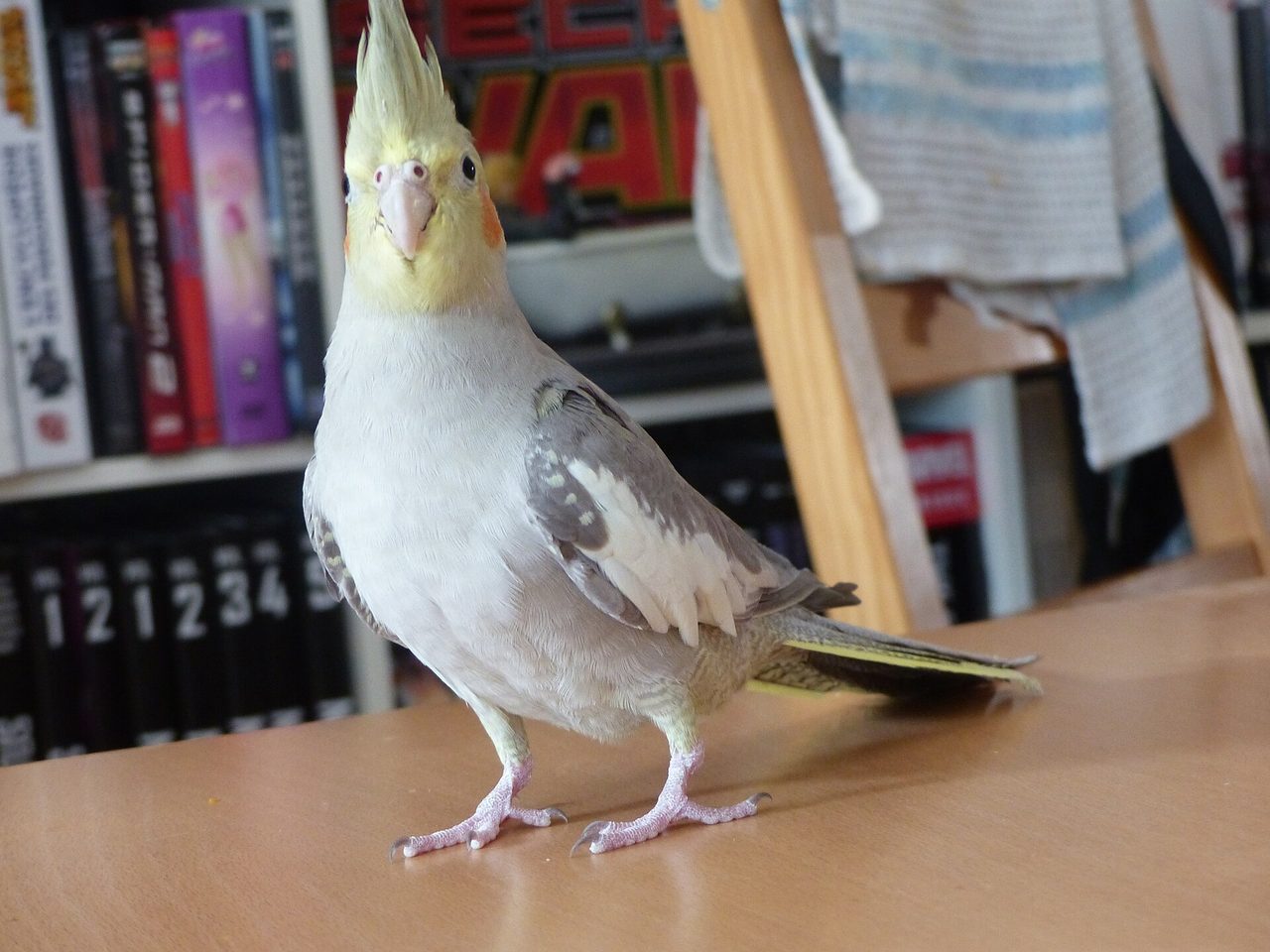
Normal Grey
Domestic colour mutation (wild type native to Australia)
Gentle, affectionate, whistly
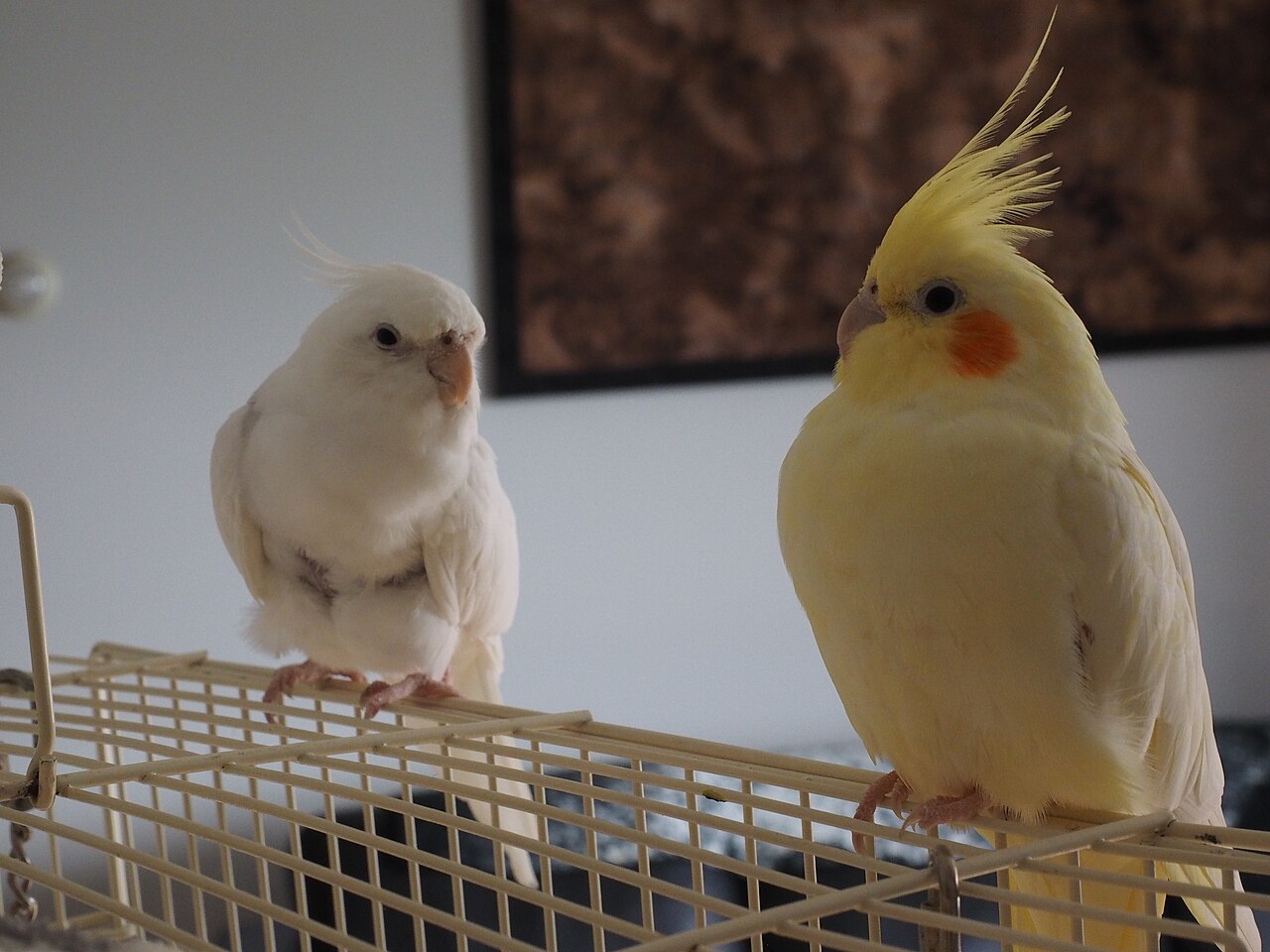
Lutino
Domestic colour mutation (wild type native to Australia)
Gentle, affectionate, sometimes shy
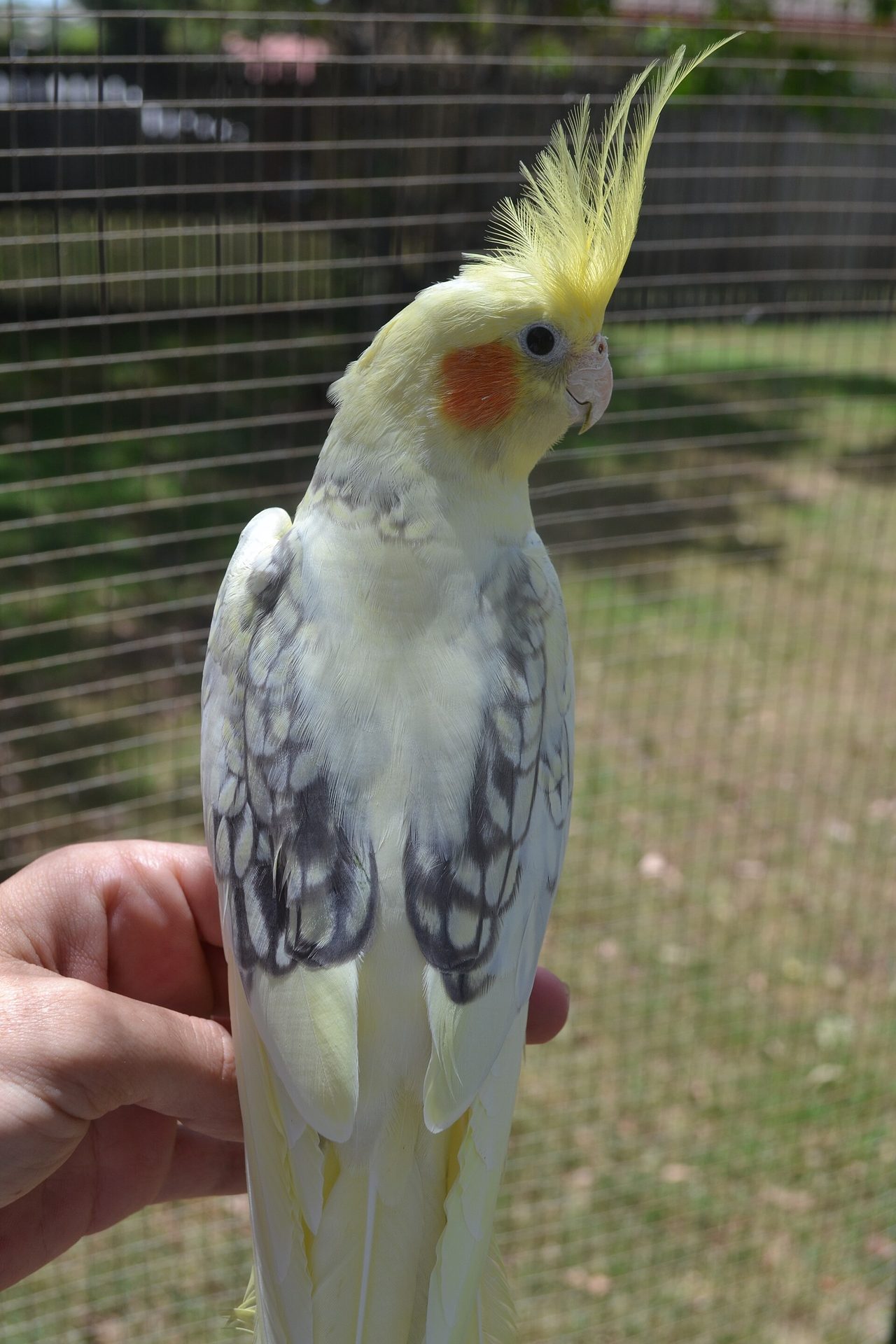
Pied
Domestic colour mutation (wild type native to Australia)
Gentle, playful, individual
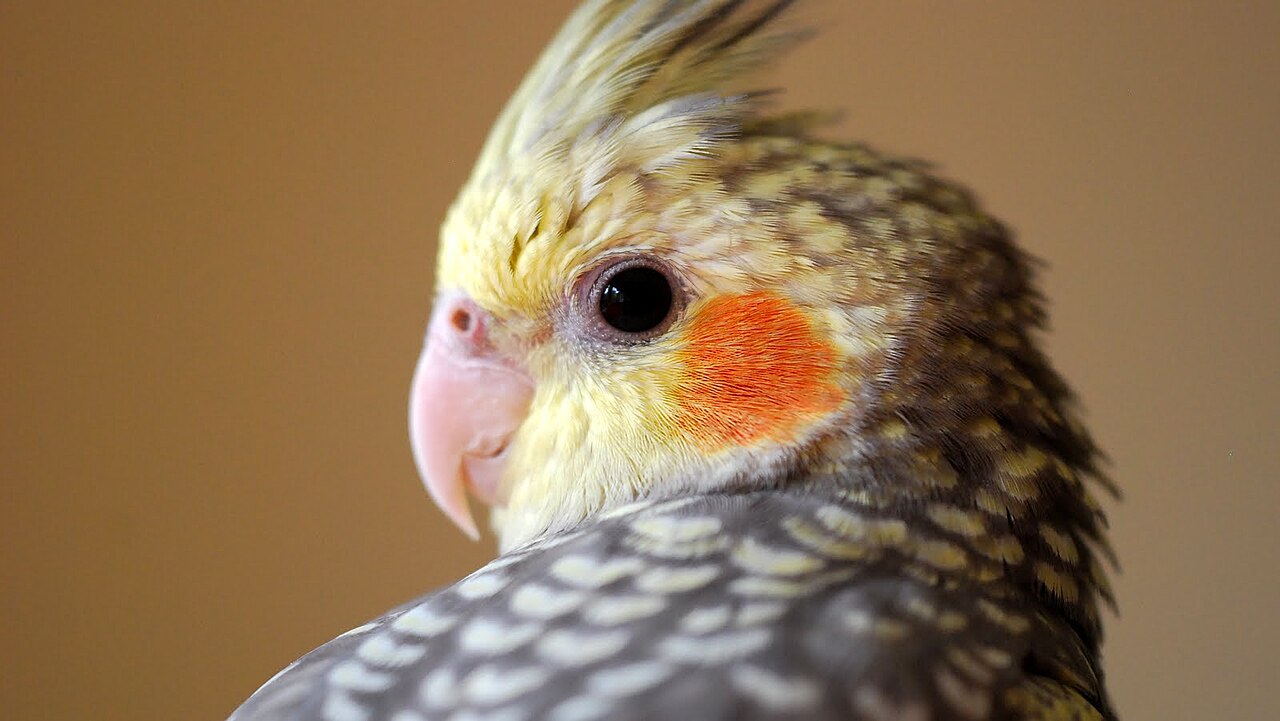
Pearl
Domestic colour mutation (wild type native to Australia)
Gentle, affectionate, active
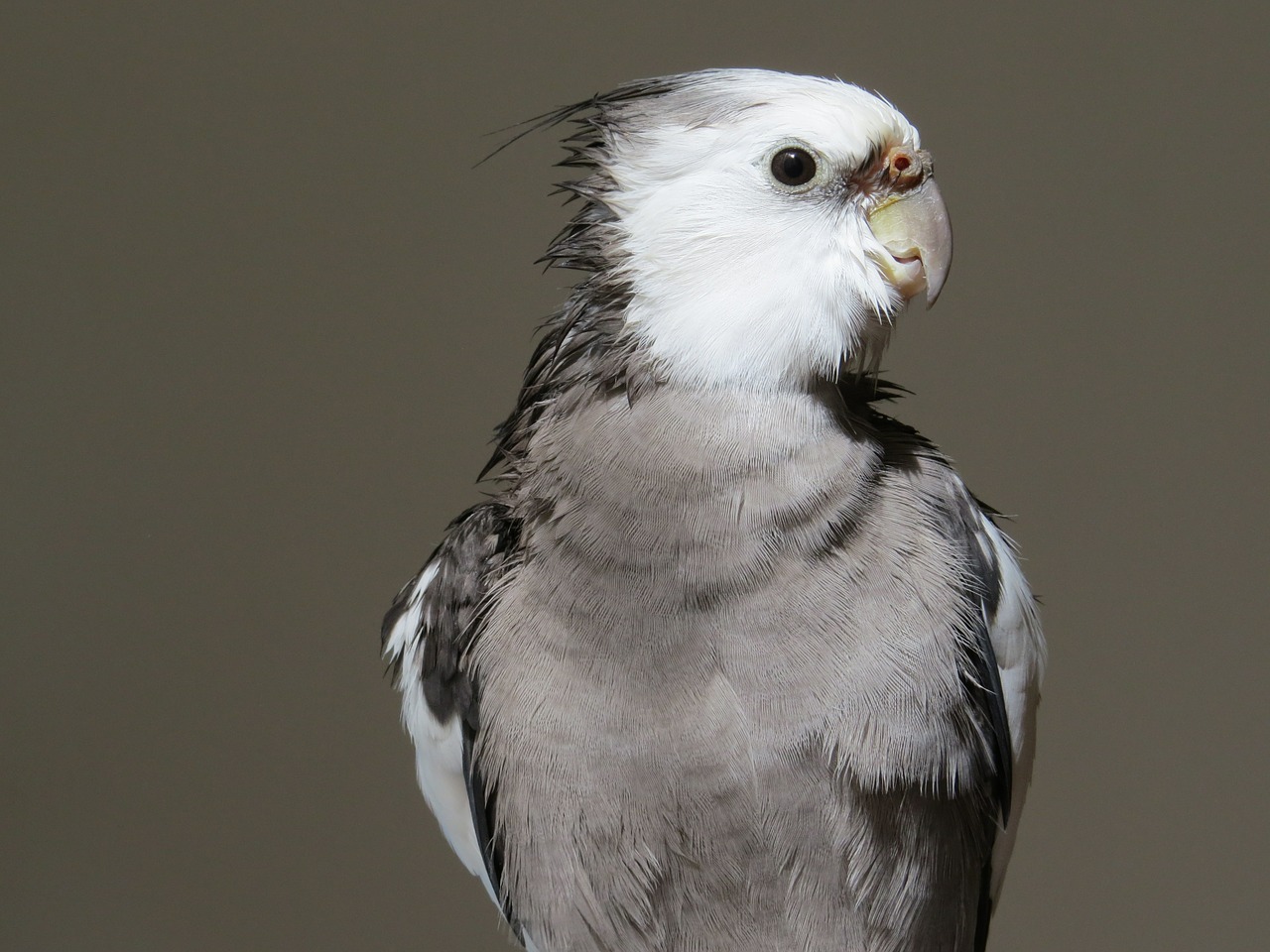
Whiteface
Domestic colour mutation (wild type native to Australia)
Gentle, affectionate, quiet
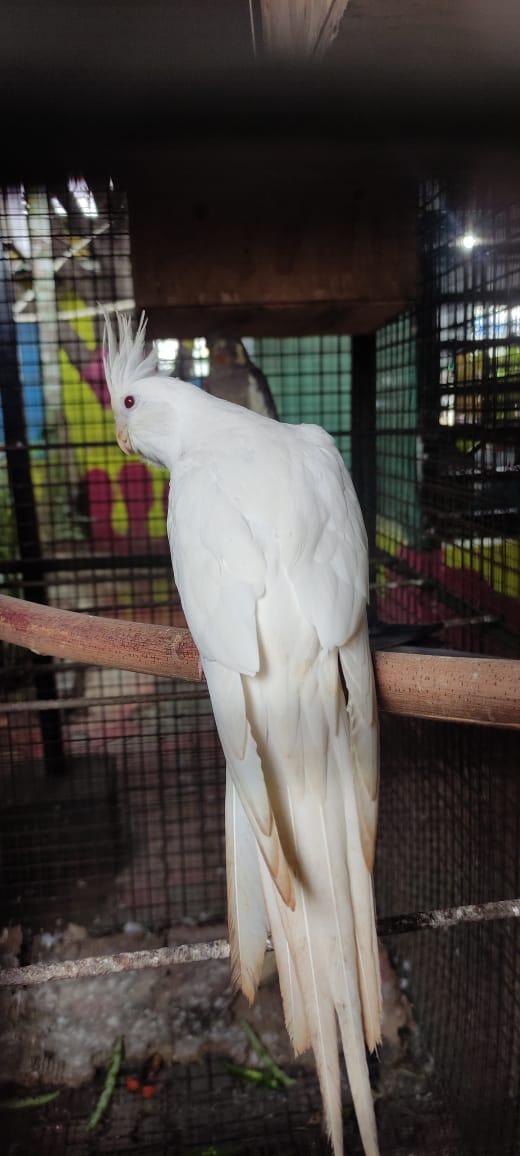
Albino (Whiteface Lutino)
Domestic colour mutation (wild type native to Australia)
Gentle, affectionate, sometimes shy
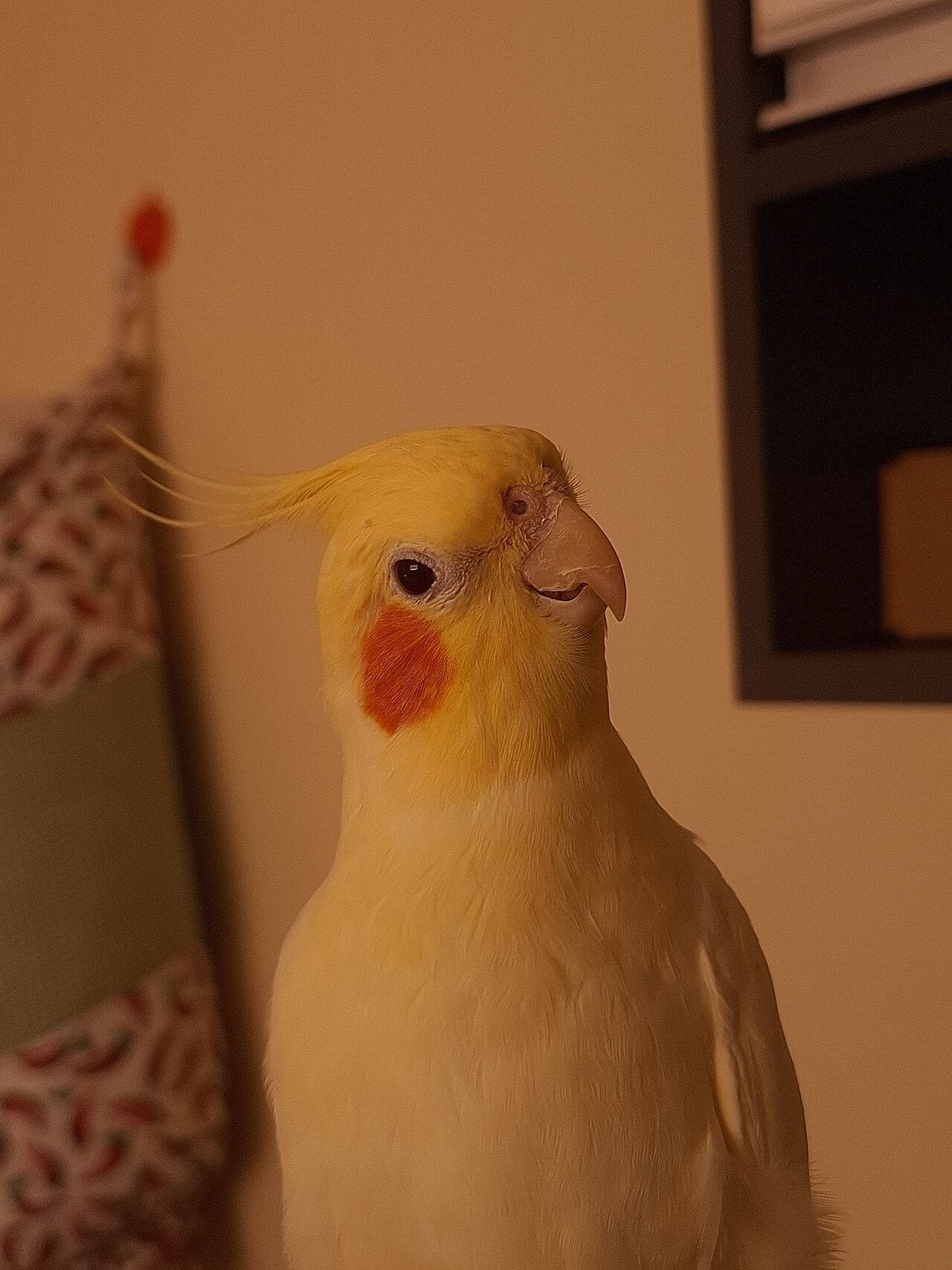
Fallow
Domestic colour mutation (wild type native to Australia)
Gentle, calm, affectionate
What WARN Does
WARN's parrot welfare work highlights that all parrots — from the trafficked macaw to the pet-shop cockatiel — are intelligent, social, long-lived animals. This cockatiel guide is free education on keeping the world's second most popular pet bird well, not as a disposable cage ornament.
If this guide helps you understand wildlife and the pressures it faces, a gift to WARN supports habitat protection and free public education in our partner countries.
Cockatiel: Frequently Asked Questions
Are cockatiel colours different breeds?
Are cockatiels good pets for beginners?
Do cockatiels talk or whistle?
How long do cockatiels live?
Are wild cockatiels endangered?
Where do cockatiels live?
Are cockatiels dangerous?
Sources & References
Population figures, conservation status and biological facts on this page are drawn from authoritative scientific and intergovernmental sources.
Terms used on this page
Plain-English definitions, from our wildlife and conservation glossary.
Explore more animals
Discover more animals, their habitats and their conservation status in the WARN wildlife-guide library.