Wildlife Guide · North Pacific — California, Alaska, British Columbia, Russia, Japan
Sea Otter
Enhydra lutris (Linnaeus, 1758)
Kelp-forest gardeners with the densest fur on Earth — Endangered keystone predators.
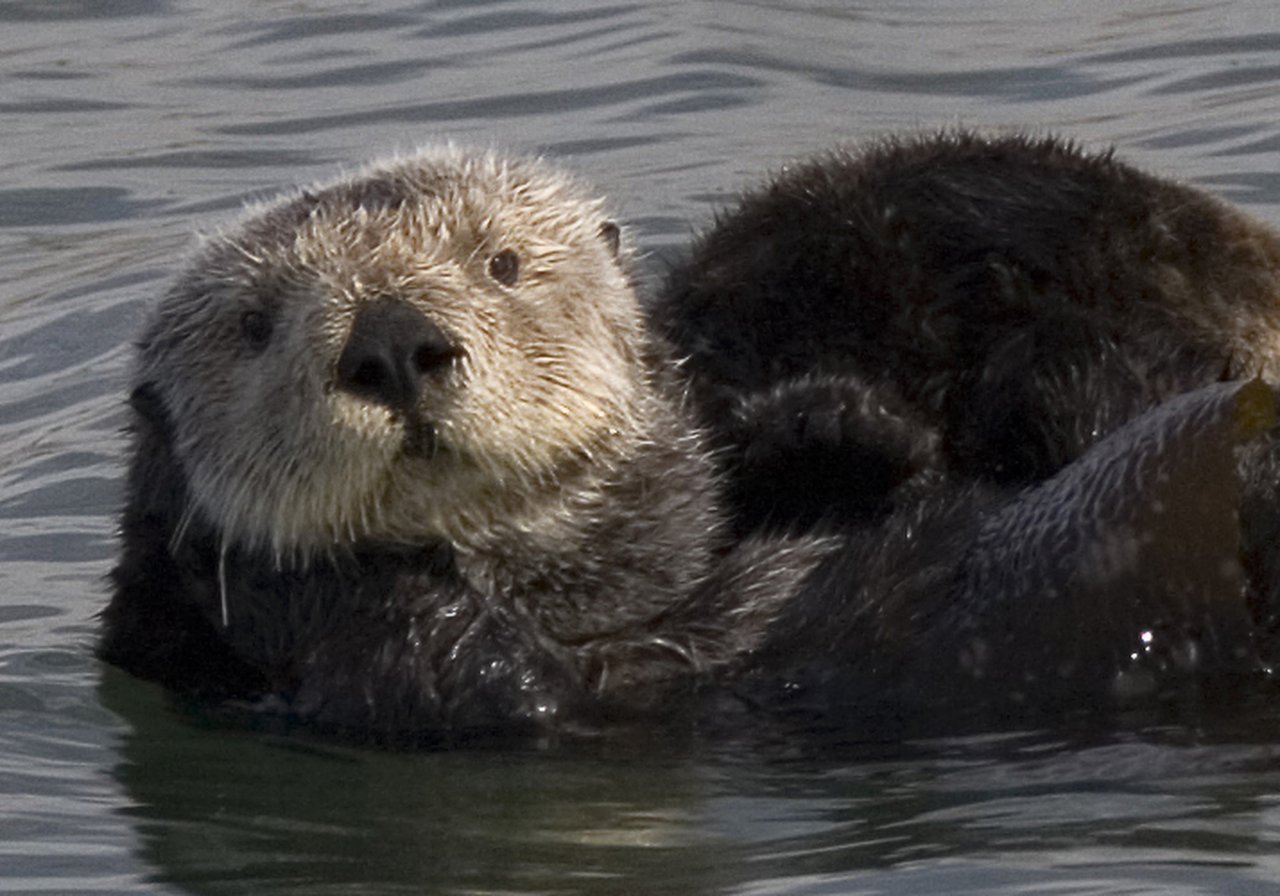
Source: Wikimedia Commons
In brief
The sea otter (Enhydra lutris) is an Endangered North Pacific keystone predator that maintains kelp forests by controlling sea urchins — insulated by the densest fur of any mammal, not blubber.
Also in Animals A to Z · Animals that start with S
How you can help
You can support the related appeal — read its purpose, recipient status and fund terms first — or give once to where it is needed most. Sharing accurate information helps too.
By WARN Research & Conservation TeamLast updated
The sea otter is a marine mustelid of the North Pacific, famous for floating on its back, using tools to crack shellfish and wrapping pups in kelp. Unlike other marine mammals relying on blubber, sea otters depend on extraordinarily dense fur — up to one million hairs per square inch — for insulation. They are keystone predators: by eating sea urchins they allow kelp forests to flourish, supporting fish and carbon storage. Listed as Endangered on the IUCN Red List, sea otters face oil spills, entanglement, shark predation and range limitations.
Endangered
IUCN Red List status
1 M
Hairs per square inch — densest fur known
~100,000
Global population estimate
CITES II
International trade regulated
Figures sourced from IUCN Red List — sea otter, Smithsonian Ocean — sea otter, Encyclopaedia Britannica — sea otter and other references on this page.
Sea Otter: Quick Facts
| IUCN status | Endangered |
|---|---|
| Insulation | Dense fur, not blubber |
| Ecological role | Keystone kelp-forest predator |
| Tool use | Stones to crack shellfish |
| Population | ~100,000 globally |
| Range | North Pacific coast |
Scientific Classification
| Kingdom | Animalia |
|---|---|
| Phylum | Chordata |
| Class | Mammalia |
| Order | Carnivora |
| Family | Mustelidae |
| Species | Enhydra lutris |
Conservation Status
- IUCN Status
- Endangered on the IUCN Red List due to historic fur trade depletion and ongoing threats from oil, sharks and fisheries conflict.
- Population
- Roughly 100,000 individuals
- Trend
- Stable to increasing in Alaska; fragile in California
- Assessed
- 2015
- CITES
- Appendix II
Southern sea otter subspecies remains below US recovery targets.
Key Facts: Sea Otter
- Sea otters lack blubber; air trapped in fur keeps them warm in cold Pacific water.
- They use stones as anvils to break open clams, mussels and sea urchins.
- Kelp forest health depends on otter predation on urchins — a classic keystone relationship.
- Historic fur trade reduced sea otters to fewer than 2,000 individuals before protection.
- Oil coats fur and destroys insulation — a single spill can kill thousands.
- California population remains below recovery targets despite decades of protection.
Anatomy and the fur that changed history
Sea otters are the heaviest members of the weasel family, with females around 20 kg and males up to 45 kg. Their hind feet are flipper-like; forepaws are dexterous for handling prey. They dive to 50 metres but forage mostly in shallow kelp beds.
Fur quality drove the eighteenth- and nineteenth-century Pacific fur trade, extirpating otters from much of their range. International protection from 1911 onward allowed partial recovery along the Aleutians and California coast.
Grooming consumes hours daily. Otters blow air into the underfur, maintaining a waterproof layer. Contaminants that mat fur — especially oil — cause fatal hypothermia within hours.
Kelp forests and keystone ecology
Where sea otters thrive, sea urchin populations stay low and kelp grows tall, creating habitat for fish, invertebrates and seabirds. Where otters were removed, 'urchin barrens' — bare rock scraped clean — replaced forests.
This trophic cascade influences fisheries and carbon sequestration: kelp absorbs CO₂ as it grows. Restoring otter populations may enhance blue-carbon storage, though quantification remains active research.
Diet includes crabs, abalone, clams and fish. Daily intake equals roughly 25 percent of body mass — high metabolic cost of staying warm without blubber.
Threats and conservation
The IUCN lists sea otters as Endangered with roughly 100,000 individuals globally and a stable to increasing trend in Alaska but fragile recovery in California. Great white shark bites have increased mortality in central California — possibly linked to shark population shifts.
Entanglement in fishing gear, pollution, disease and limited genetic diversity in southern populations constrain recovery. Range expansion is blocked by gaps without kelp or by high shark risk.
Reintroduction to Oregon and historical range continues as a management tool. Public reporting of stranded otters supports rapid oil-spill response.
Sea otters and people
Sea otters are tourism icons at Monterey and Sitka. Viewing from shore or respectful boat distance minimises disturbance to nursing females.
Conflict with fisheries — especially shellfish divers — persists where otters compete for abalone and urchins. Co-management seeks balance between recovery goals and livelihoods.
Readers can support sea otters through oil-spill preparedness advocacy, kelp conservation and organisations conducting non-invasive research — not by attempting to keep otters as pets, which is illegal and impossible to sustain.
What WARN Does
WARN's free marine education supports readers worldwide — including coastal communities in Indonesia and Malaysia — in understanding keystone species and kelp-forest ecology. Healthy oceans connect to habitat appeals across our partner countries from Brazil to Pakistan.
If this guide helps you understand wildlife and the pressures it faces, a gift to WARN supports habitat protection and free public education in our partner countries.
How can I help save the sea otter?
Explore practical ways to support the sea otter, from everyday choices and sharing reliable information to reviewing a related appeal before giving.
Explore ways to support
Read the related appeal’s purpose, recipient status and fund terms. Choose an affordable gift after checking what is proposed and what has been reported.
Ease the pressures
Avoid the wildlife trade and souvenirs, never buy wild animals as pets, and choose sustainable, habitat-friendly products — the threats behind the sea otter's decline fall when demand does.
Spread the word
Share accurate, sourced information about the sea otter. Wider awareness is what turns concern into lasting protection.
Sea Otter: Frequently Asked Questions
How can I help save the sea otter?
Are sea otters endangered?
Why do sea otters hold hands?
Do sea otters use tools?
What do sea otters eat?
Where do sea otters live?
How is a sea otter different from a river otter?
Are sea otters dangerous?
How long do sea otters live?
How big is a sea otter?
Sources & References
Population figures, conservation status and biological facts on this page are drawn from authoritative scientific and intergovernmental sources.
Terms used on this page
Plain-English definitions, from our wildlife and conservation glossary.
Latest Sea Otter Stories
Quick, fact-checked reads on the sea otter — amazing facts, key questions and the threats it faces.
Explore more animals
Discover more animals, their habitats and their conservation status in the WARN wildlife-guide library.