Snake Species · South-east Asia
Burmese Python
Massive python of Myanmar and Thailand — invasive population in the Everglades.
By WARN Research & Conservation TeamLast updated
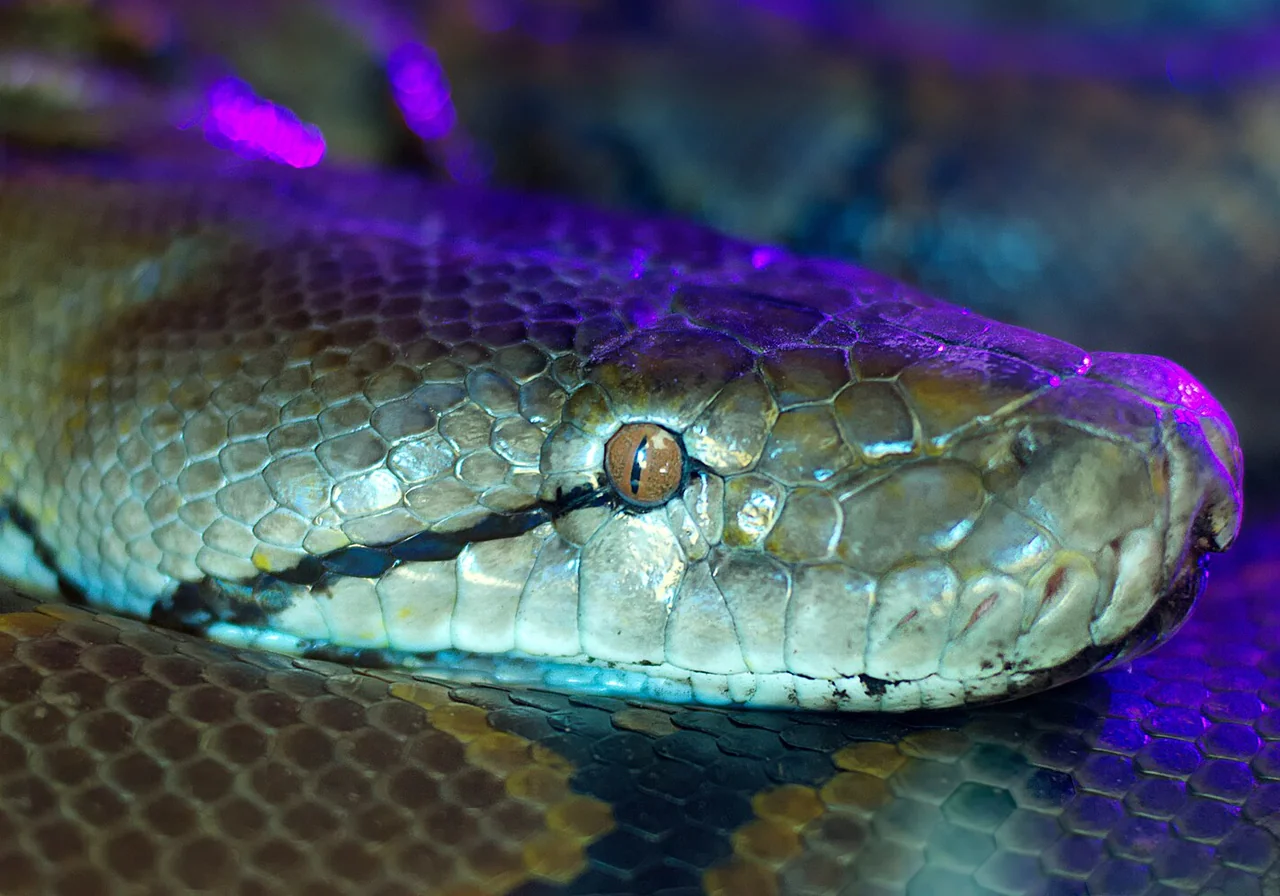
In brief
The Burmese Python is a massive constrictor native to Myanmar, Thailand, Vietnam and southern China — with an invasive breeding population in Florida's Everglades devastating native mammals. Its defining trait is rapid growth to 4–5 m and voracious appetite. Wild Asian populations face skin trade and hunting pressure.
What are the key facts about a Burmese Python?
The Burmese Python is a snake species from South-east Asia: very large (4–5 m), powerful constrictor, invasive in florida. Massive python of Myanmar and Thailand — invasive population in the Everglades.
| Origin | South-east Asia |
|---|---|
| Size | Very large (4–5 m) |
| Typical length | 3.5–5 m (11–16 ft) typical adult length; 30–70 kg body mass in large females |
| Lifespan | 10–30 years depending on species |
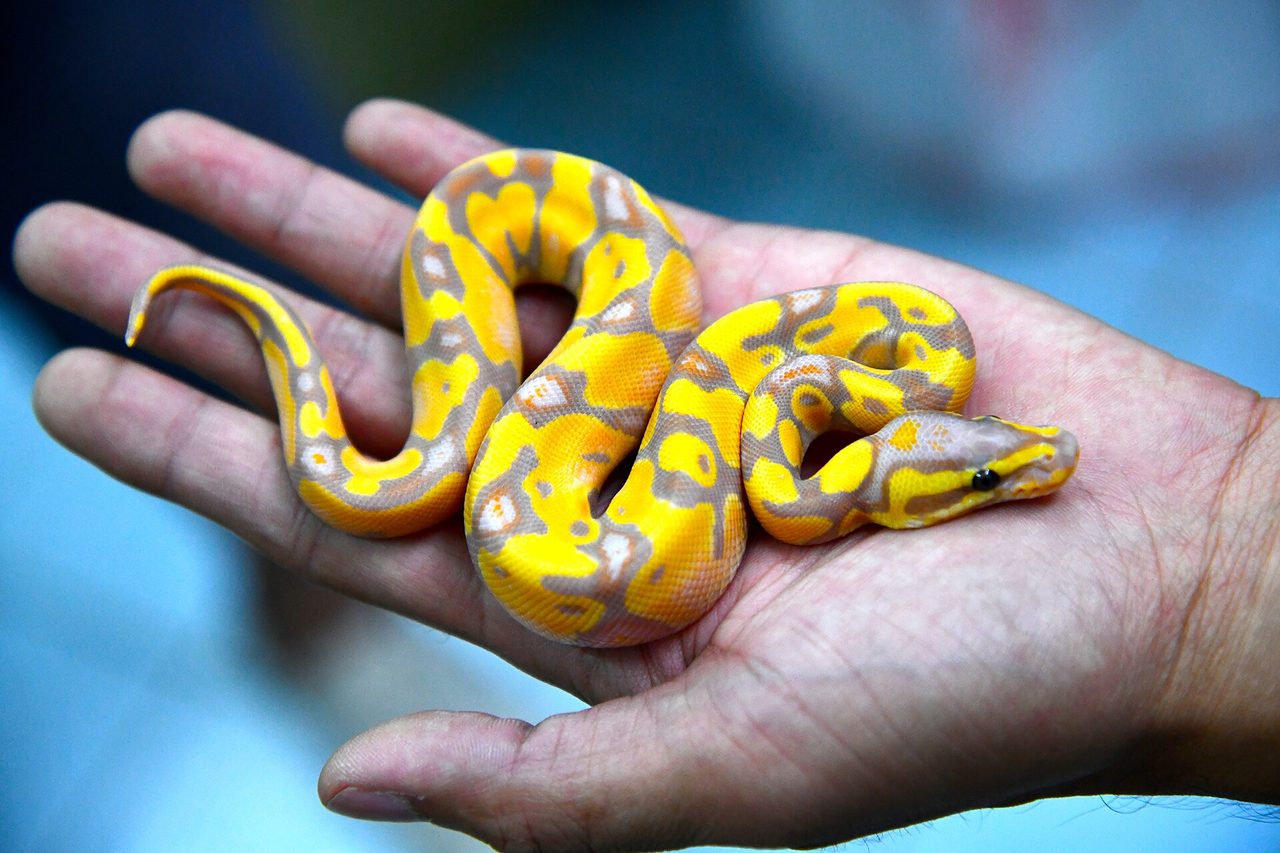
| Scales & pattern | Tan or brown ground with dark brown dorsal blotches bordered in black; arrow-shaped head marking. Smooth iridescent scales. Albino and granite morphs popular in captivity. Pattern darkens with age. Healthy specimens shed in one piece; frequent incomplete sheds indicate humidity or health problems. |
| Temperament | Powerful constrictor, invasive in Florida |
| Conservation note | Expert reptile keepers only — Burmese pythons grow too large and powerful for most homes. Secure room-sized enclosures with multiple handlers for maintenance are essential. Never release unwanted pets — Florida's invasive crisis demonstrates the ecological damage. Captive-bred only. |
Should you keep a Burmese Python?
A Burmese Python is a wild snake from South-east Asia. This page is a species briefing, not a shopping guide. Most people should not keep one; many species here are unsafe, illegal, or both as pets.
Fear, fashion and the exotic-pet trade all distort this animal. The Burmese Python belongs in South-east Asia, in the habitat that produced a very large (4–5 m) powerful constrictor, invasive in florida species. Killing “pests”, buying wild-caught animals, or posing with them for photos all make the conservation problem worse.
If a Burmese Python is already in accredited care, follow specialist veterinary and licensing rules. If it is not, do not start. The honest next step is the species guide and, where WARN funds relevant work, the appeal linked from this page.
What is a Burmese Python?
Massive python of Myanmar and Thailand — invasive population in the Everglades. Origin is South-east Asia; coat or markings are described as Tan or brown ground with dark brown dorsal blotches bordered in black; arrow-shaped head marking. Smooth iridescent scales. Albino and granite morphs popular in captivity. Pattern darkens with age. Healthy specimens shed in one piece; frequent incomplete sheds indicate humidity or health problems..
Treat “species” here as a library label for a wild species or distinct form, not as a kennel-club product.
Where does the Burmese Python come from?
Burmese Pythons come from South-east Asia. Burmese pythons inhabit rainforest, grassland and mangrove edge from Myanmar through Thailand, Laos, Vietnam, Cambodia and southern China.
They are excellent swimmers and often found near water. Escaped and deliberately released pets established a breeding population in Florida's Everglades from the 1980s onward, where they consume deer, raccoons and bobcats — among the most damaging invasive reptiles in North America. Wild Asian populations face skin trade pressure and hunting for meat and traditional medicine. CITES Appendix II listing regulates international trade. Burmese pythons can live 20 to 25 years in captivity and grow from hatchling to 3 m within three years with regular feeding — enclosure planning must anticipate adult size from day one.
What does a Burmese Python actually need?
A wild Burmese Python needs the habitat and social system of South-east Asia, not a spare room. Size (Very large (4–5 m)) and a powerful constrictor, invasive in florida life history are why private keeping fails.
In the wild that means connected habitat, a diet the species evolved with, and distance from the pet and selfie trades. Captive “care sheets” for wild snakes are how trafficking gets laundered as husbandry.
If you already work in accredited rescue, follow specialist protocols and licensing. Everyone else: do not acquire a Burmese Python. Support habitat and anti-trafficking work instead.
What surprises people about the Burmese Python?
A few details about the breed, alongside the practical care information in this guide.
- Burmese pythons in Florida's Everglades have consumed alligators — documented predation both directions.
- They can swim long distances and survive in saline mangrove edge habitat.
- A single female may produce 50 to 100 eggs in a clutch — among the largest clutches of any python.
- Florida's invasive population likely began from Hurricane Andrew destroying a breeding facility in 1992.
What health issues should you know about in a Burmese Python?
Health concerns to discuss with your vet, including changes to watch for and everyday care. This is general guidance, not veterinary advice — always speak to your vet.
Invasive impact (Florida)
Released Burmese pythons in the Everglades consume native mammals, birds and reptiles, causing documented population crashes of raccoons, opossums and bobcats.
Care: Never release unwanted pets. Rehome through reptile rescue organisations or humane euthanasia as last resort.
Skin trade
Wild Burmese pythons are hunted for leather in South-east Asia under CITES quotas, with laundering of illegally sourced skin.
Care: Purchase captive-bred animals only. Avoid python skin products of uncertain origin.
Habitat loss
Rainforest clearing in Myanmar and Thailand reduces Burmese python range and prey availability.
Care: Support habitat protection in South-east Asia. In captivity, provide adequate space and thermal gradients throughout life.
Who should skip a Burmese Python?
Skip a Burmese Python if you are anyone hoping to keep a Burmese Python as a pet or photo prop. This South-east Asia snake is very large (4–5 m) and powerful constrictor, invasive in florida — the mismatch is usually lifestyle, not a missing accessory.
This page is allowed to say no. Skip if you are anyone hoping to keep a Burmese Python as a pet or photo prop. Skip if you are anyone who will pay for a wild-caught or roadside animal. Skip if you are tourists looking for handling or selfies.
A different snake species on this site may fit. Wanting “a Burmese Python” after a film or a colour photo is not a reason to ignore the skip list.
What are the hidden catches with a Burmese Python?
The hidden cost of a Burmese Python is usually not the purchase price. It is years of care, the health list on this page, and the mismatch between a powerful constrictor, invasive in florida animal and a busy home.
The pet-trade catch
Cute infant Burmese Pythons in ads were usually taken from wild families. The adult you cannot house is then dumped, euthanised, or passed on. Do not create that demand.
The tourism catch
Paying to hold, ride, or selfie with a Burmese Python funds the next capture or a stressed ambassador animal. Distance and accredited viewing are the ethical default.
The invasive impact (florida) catch
Released Burmese pythons in the Everglades consume native mammals, birds and reptiles, causing documented population crashes of raccoons, opossums and bobcats. Never release unwanted pets. Rehome through reptile rescue organisations or humane euthanasia as last resort.
The skin trade catch
Wild Burmese pythons are hunted for leather in South-east Asia under CITES quotas, with laundering of illegally sourced skin. Purchase captive-bred animals only. Avoid python skin products of uncertain origin.
How does a Burmese Python compare with Eastern Garter Snake and Green Anaconda?
A Burmese Python is not interchangeable with Eastern Garter Snake and Green Anaconda. Compare origin, size, lifespan and temperament before you choose — those four lines prevent most regret.
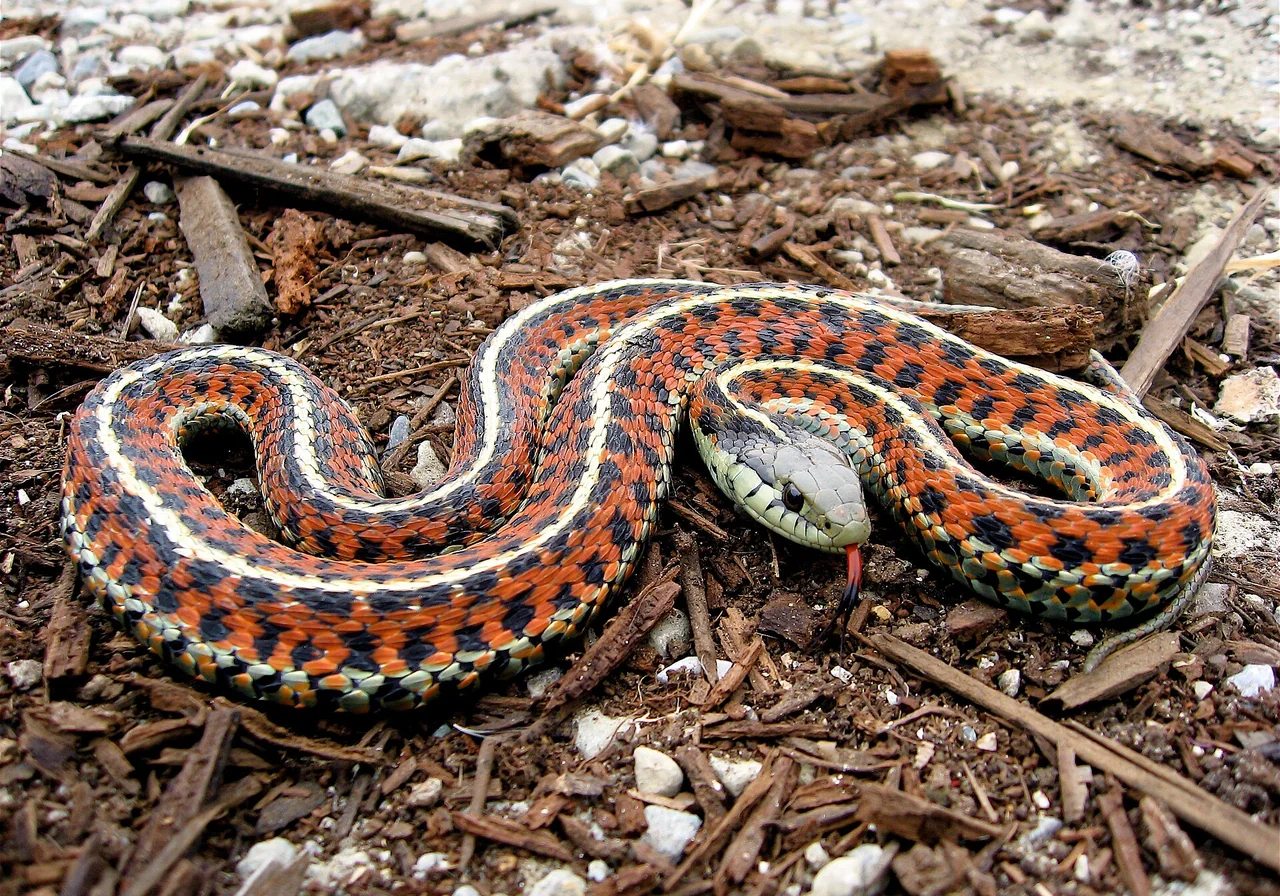
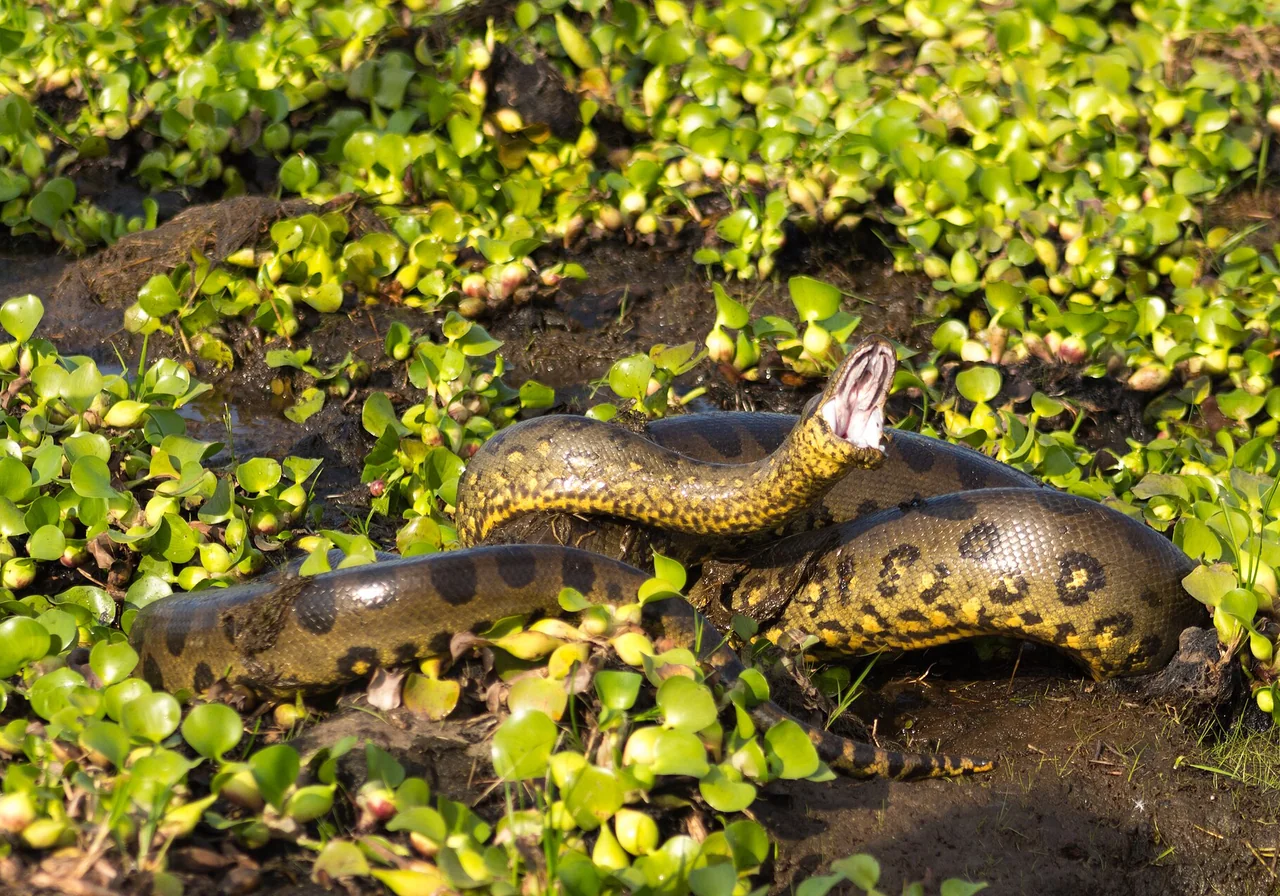
| Snake fact | Burmese Python | Eastern Garter Snake | Green Anaconda |
|---|---|---|---|
| Origin | South-east Asia | North America | Amazon & Orinoco basins |
| Size | Very large (4–5 m) | Small (50–70 cm) | Very large (5–6 m+) |
| Lifespan | 10–30 years depending on species | 10–30 years depending on species | 15–20 years (grass snake); 20–30 years (anaconda) |
| Temperament | Powerful constrictor, invasive in Florida | Harmless, active, semi-aquatic | Aquatic constrictor, heavy-bodied |
What is the verdict on the Burmese Python?
A Burmese Python is a wild snake to understand and protect, not a pet to acquire. If you came here to buy one, the verdict is no. If you came here to learn, use the species guide next.
Help looks like habitat, enforcement and refusing the trade — not a cage in a spare room. WARN is a CIC, not a charity; donate only if you want to fund partner work in our network countries, and do not expect Gift Aid.
Snakes keep ecosystems healthy
Snakes control rodents and serve as prey for raptors — yet persecution and habitat loss remove them silently. WARN publishes these guides to reduce fear-driven killing in Pakistan, Brazil, Colombia and beyond.