Wildlife Guide · North America (United States, Mexico, southern Canada)
Wild Turkey
Meleagris gallopavo
North America's big, iridescent ground bird and the wild ancestor of the farmyard turkey.
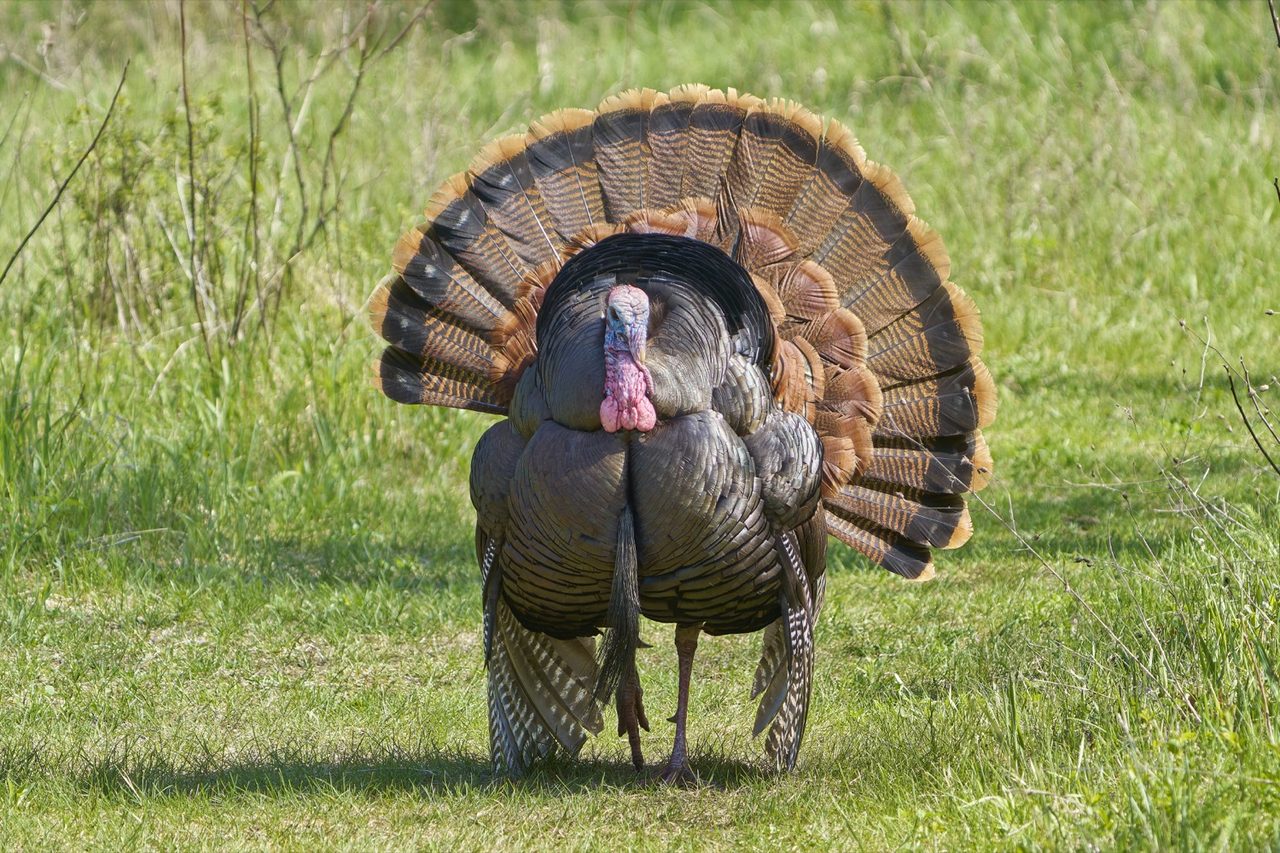
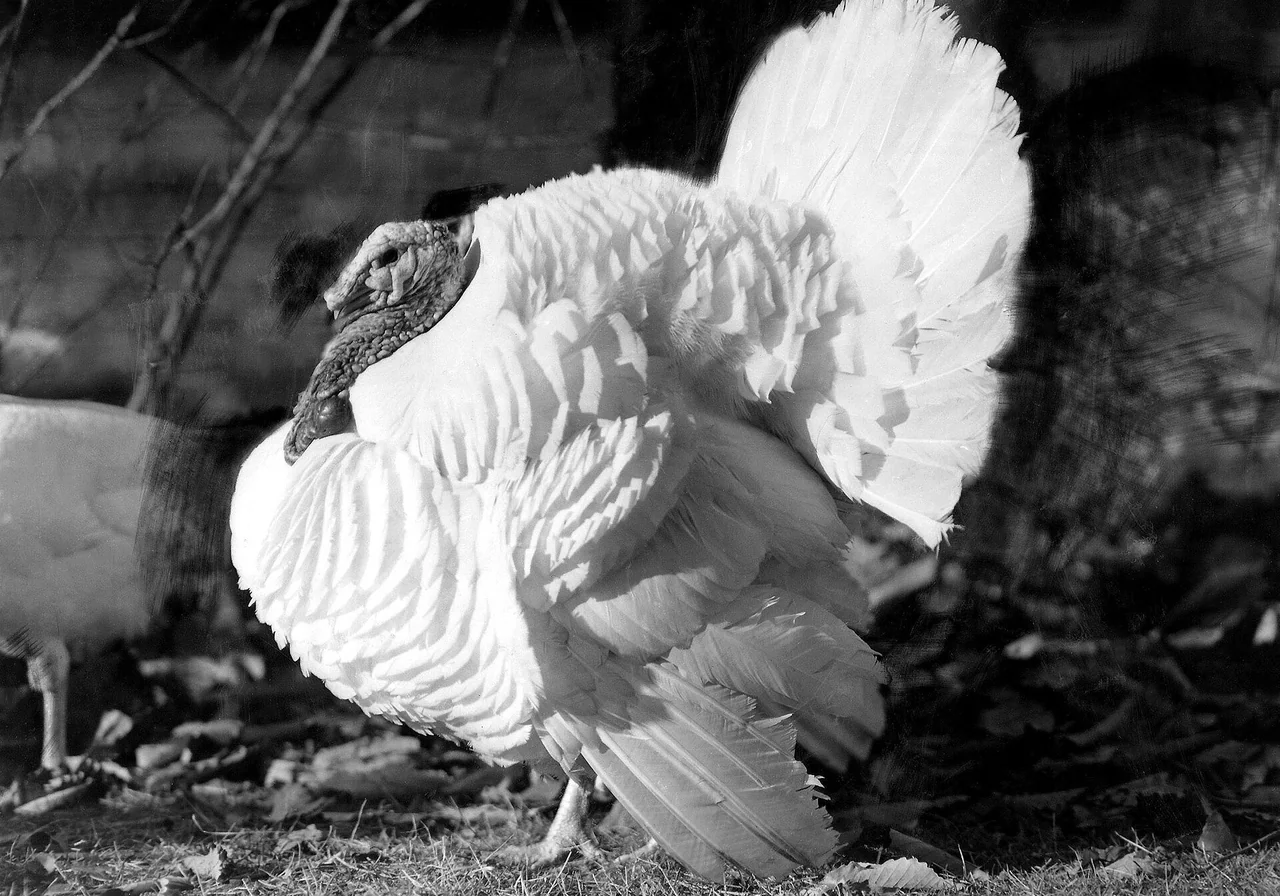
Source: Wikimedia Commons — “20260428 tom wild turkey matthaei botanical gardens PD08908 1” by Paul Danese, CC BY-SA 4.0
In brief
A wild turkey (Meleagris gallopavo) is a large North American ground bird and the wild ancestor of the domestic turkey. Males have iridescent feathers, a bare red-and-blue head and a fan-shaped tail, and produce a loud gobble that carries up to a mile.
Also in Animals A to Z · Animals that start with W
By WARN Research & Conservation TeamLast updated
The wild turkey (Meleagris gallopavo) is a large, ground-dwelling game bird native to North America and the wild ancestor of the domestic turkey. Males, called toms or gobblers, are unmistakable: dark, iridescent body feathers that shimmer bronze, copper and green, a bare bluish head with red wattles, and a fan-shaped tail they spread in courtship. Their carrying "gobble" can travel up to a mile. Despite weighing several kilograms, turkeys are agile and can fly short distances in fast, powerful bursts, usually roosting in trees overnight. Once heavily reduced by hunting and habitat loss, the species recovered dramatically across the twentieth century and is now widespread and classed as Least Concern.
Up to 1 mile
distance a tom's gobble can carry
~7 million
estimated wild turkeys in North America today
5-11 kg
typical weight of an adult male
6
recognised subspecies
Figures sourced from Wikipedia - Wild turkey, IUCN Red List, Encyclopaedia Britannica - Turkey (bird) and other references on this page.
Wild Turkey: Quick Facts
| Common name | Wild turkey |
|---|---|
| Scientific name | Meleagris gallopavo |
| IUCN status | Least Concern |
| Range | North America (US, Mexico, southern Canada) |
| Habitat | Mature woodland with open clearings and fields |
| Diet | Omnivore: acorns, nuts, seeds, berries, insects |
| Male weight | About 5-11 kg |
| Female weight | About 2.5-5.4 kg |
| Wingspan | Roughly 1.25-1.44 m |
| Subspecies | 6 recognised |
Scientific Classification
| Kingdom | Animalia |
|---|---|
| Phylum | Chordata |
| Class | Aves |
| Order | Galliformes |
| Family | Phasianidae |
| Genus | Meleagris |
| Species | Meleagris gallopavo |
Conservation Status
- IUCN Status
- Least Concern on the IUCN Red List. The wild turkey declined sharply due to hunting and habitat loss, dropping to roughly 30,000 birds in the 1930s, but recovered strongly through habitat protection and reintroduction efforts to around 7 million today. It is widespread across North America and not considered threatened.
- Population
- Approximately 7 million in North America
- Trend
- Stable to increasing
- Assessed
- Assessed by the IUCN as Least Concern
- CITES
- Not listed on CITES
One of conservation's clearest recovery stories: from near-collapse in the early twentieth century to abundance across much of its native range today.
Key Facts: Wild Turkey
- The wild turkey is a large North American game bird and the wild ancestor of the domestic turkey.
- Males (toms) display iridescent plumage, a fan-shaped tail and a gobble that can carry up to a mile.
- Despite their bulk, turkeys are strong short-distance fliers and roost in trees at night.
- They are omnivores, favouring acorns and other nuts alongside seeds, berries and small animals.
- The species recovered from roughly 30,000 birds in the 1930s to around 7 million today.
- The IUCN lists the wild turkey as Least Concern, with a stable to increasing population.
What does a wild turkey look like?
Wild turkeys are big, long-legged birds with rounded bodies and a distinctive fan-shaped tail. Adult males are larger and more ornate than females, typically measuring around 100-125 cm long and weighing roughly 5-11 kg, with the heaviest birds heavier still; females are smaller, usually about 76-95 cm and 2.5-5.4 kg. The wingspan spans roughly 1.25-1.44 metres. A male's body feathers are dark but richly iridescent, glinting bronze, copper, green and gold in good light, while females are duller and better camouflaged. The most striking feature is the bare head and neck, which can flush blue, white and red, especially in displaying males. Fleshy growths include the snood, a flap of skin over the bill; the wattle at the throat; and bumpy caruncles on the neck. Males also sport a tuft of coarse, hair-like feathers called a beard on the chest, and spurs on the legs used in fights with rivals. These features together make a displaying tom one of the most recognisable birds in North America.
Where do wild turkeys live and what do they eat?
Wild turkeys are birds of North America, ranging across much of the United States and into Mexico and southern Canada. They favour a mix of mature woodland and open clearings, fields or grassland: trees provide acorns, nuts and safe overnight roosts, while open ground offers seeds, insects and space to forage and display. This patchwork of forest and edge habitat suits them well, and they have adapted to farmland and even suburban fringes in many areas. Turkeys are omnivores with a broad diet. They especially favour hard mast such as acorns and other nuts, but also eat seeds, grains, berries, buds and roots, supplemented by insects and other invertebrates and occasionally small amphibians or reptiles. They typically feed by walking and scratching at the leaf litter and ground, foraging in flocks for much of the year. At dusk they fly up to roost in trees, which helps keep them safe from ground predators through the night.
How do wild turkeys behave and breed?
For much of the year wild turkeys are social, moving in flocks that often separate by sex and age. In the breeding season males compete for mates through dramatic display: a tom puffs out his body feathers, fans his tail, drops his wings and struts while gobbling, drumming and making a spitting sound. The gobble, given mainly by males in spring, can carry up to a mile and advertises his presence to females and rivals alike. Dominant males may mate with several females. Hens nest on the ground in a shallow, concealed scrape, usually laying a sizeable clutch of eggs that they incubate alone. The young, called poults, are precocial: they can walk and feed themselves soon after hatching and follow the hen, who broods and protects them. Within a couple of weeks they can make short flights up to low roosts. Turkeys communicate with a wide range of calls beyond the gobble, including yelps, clucks and purrs, used to keep flocks together and signal alarm.
Wild turkey vs domestic turkey
| Feature | Wild turkey | Domestic turkey |
|---|---|---|
| Species | Meleagris gallopavo | Meleagris gallopavo (bred form) |
| Origin | Wild across North America | Bred from a Mexican subspecies |
| Plumage | Dark, iridescent bronze and green | Often white; bred for meat |
| Weight | Leaner; males about 5-11 kg | Frequently much heavier |
| Flight | Strong short-distance flier | Usually too heavy to fly |
| Behaviour | Alert, wary, roosts in trees | Tame, farm-reared |
Turkey Breeds Guide
From the Broad Breasted White and Bourbon Red to the Narragansett, Bronze, Royal Palm and four more — explore 8 of the world's most searched domestic turkey breeds with temperament, conformation, common health issues and responsible care guidance.
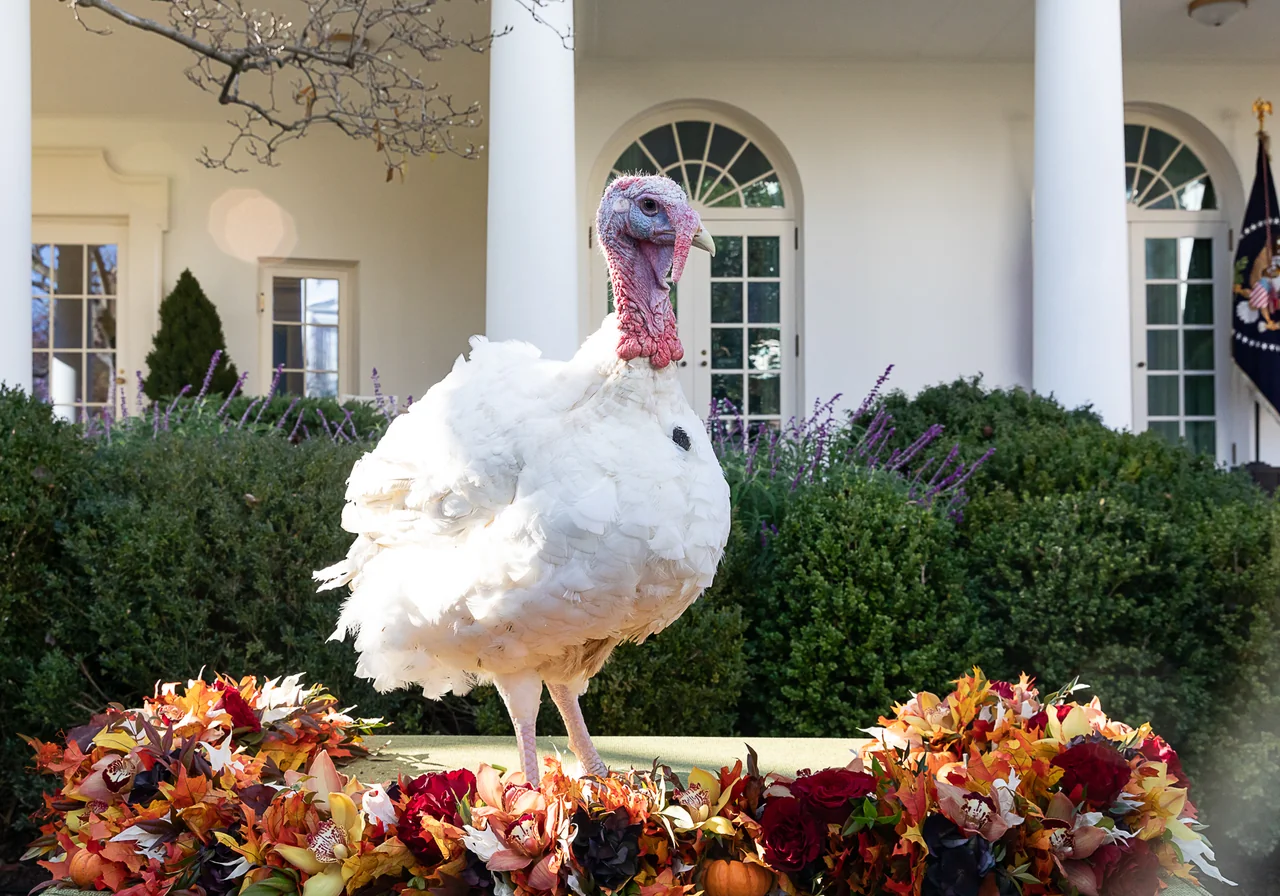
Broad Breasted White
United States
Docile, heavy, limited mobility at maturity
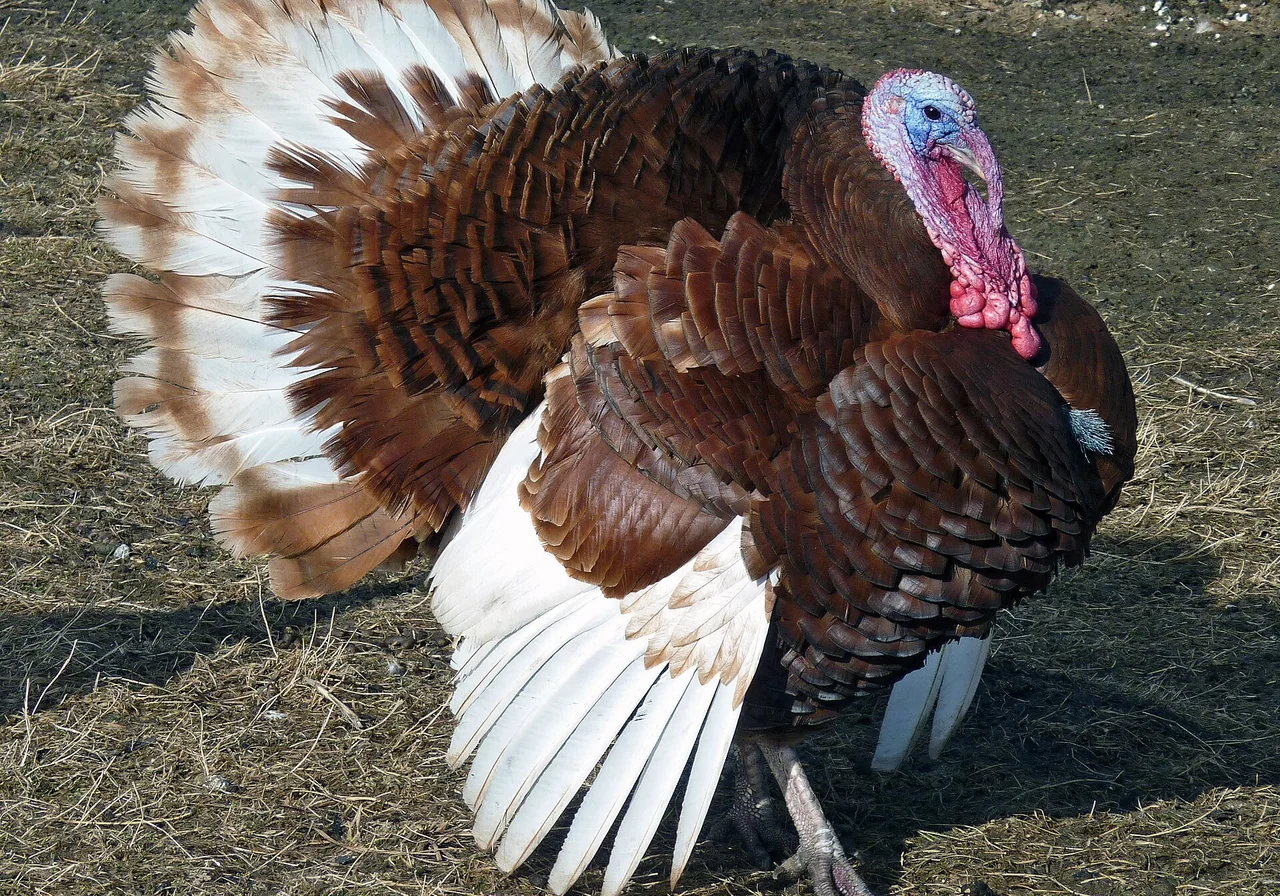
Bourbon Red
United States (Kentucky)
Active, foraging, hardy
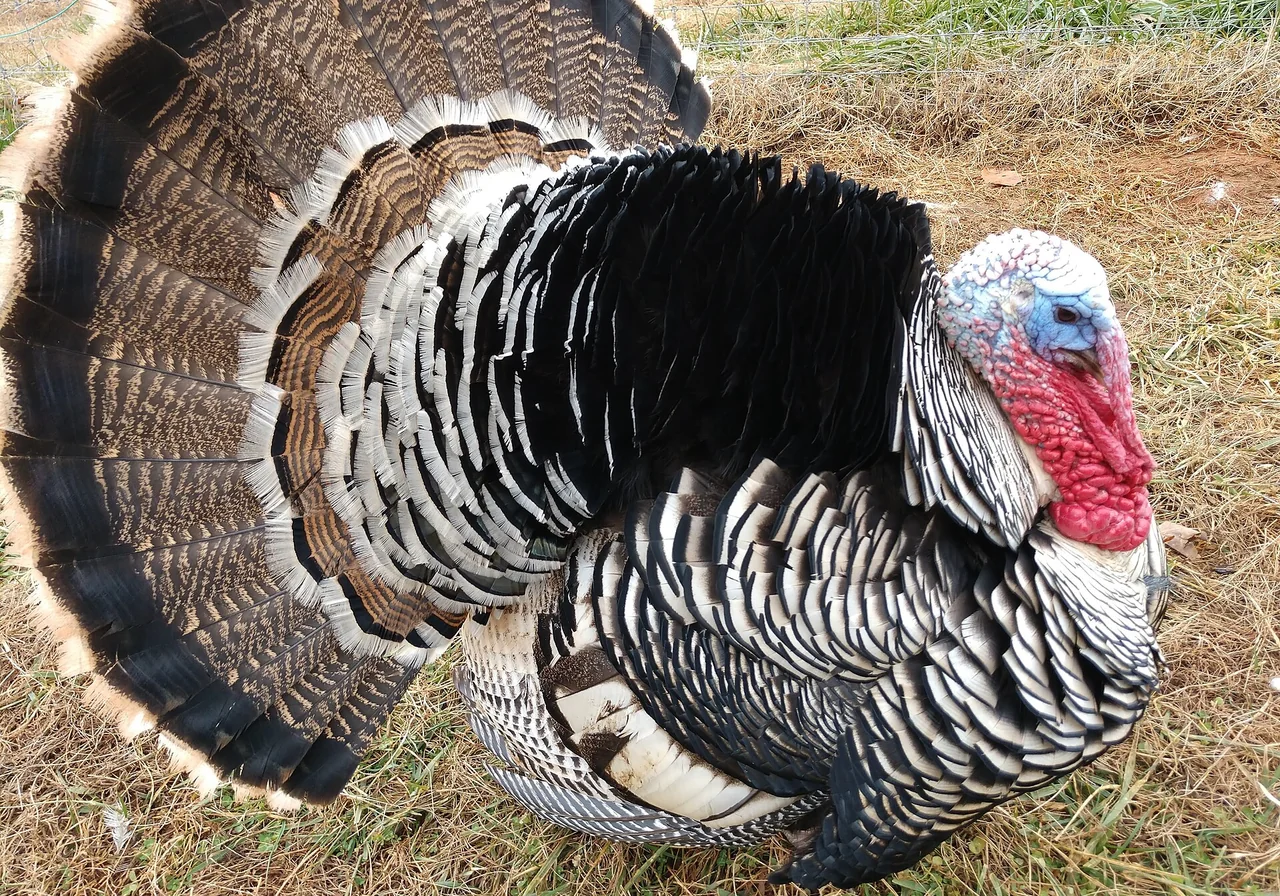
Narragansett
United States (Rhode Island)
Calm, hardy, good forager
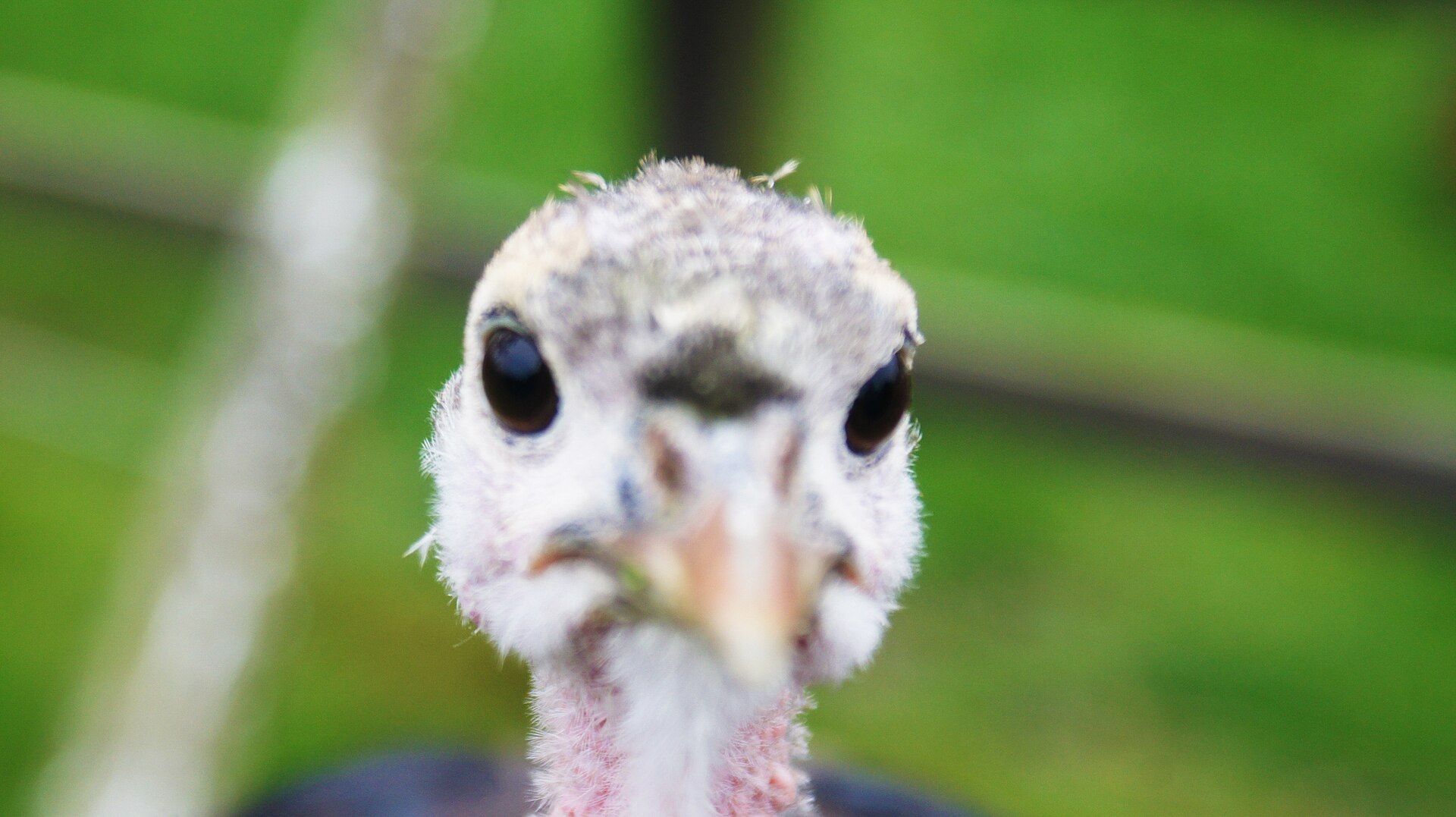
Bronze
United States
Active, hardy, foraging
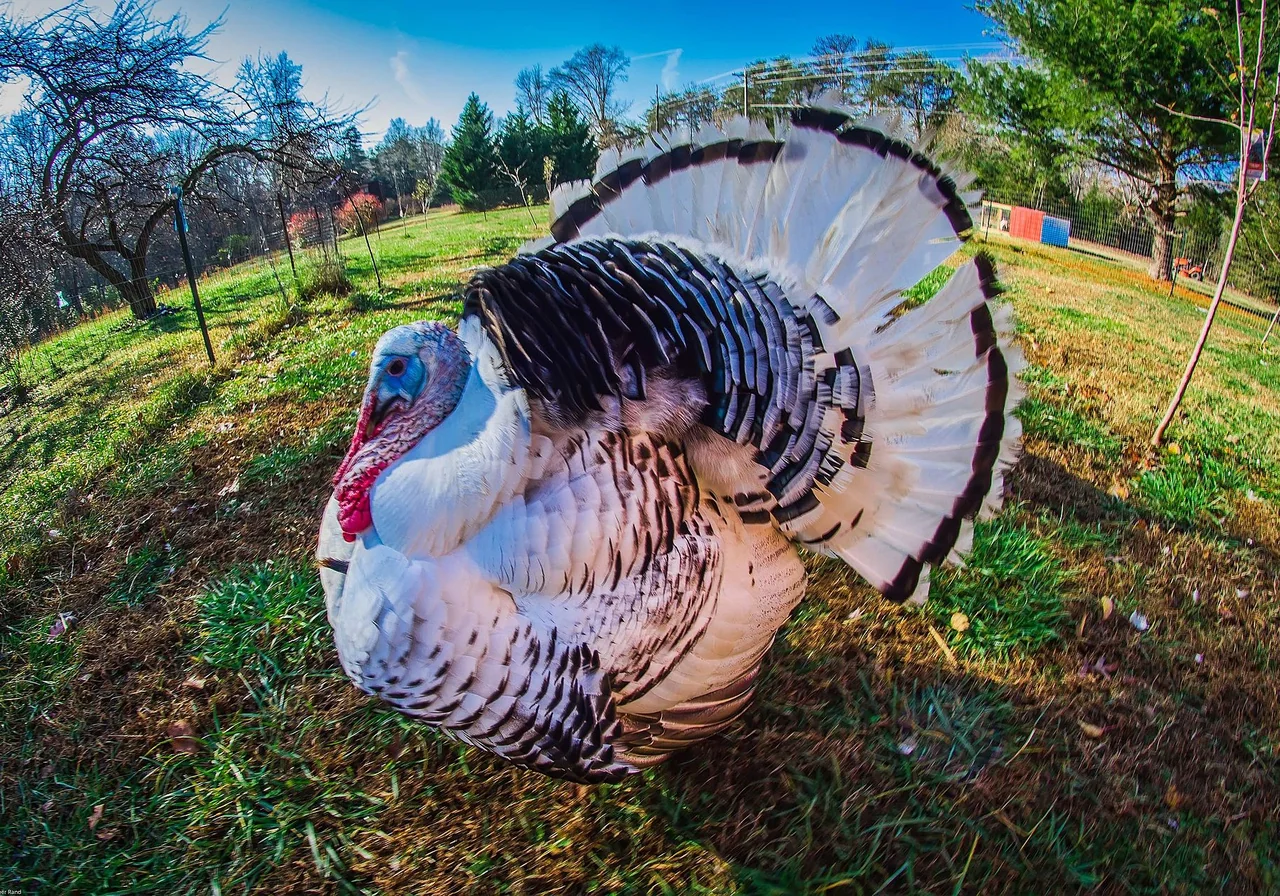
Royal Palm
United States
Active, ornamental, good forager
Slate
United States
Calm, hardy, heritage
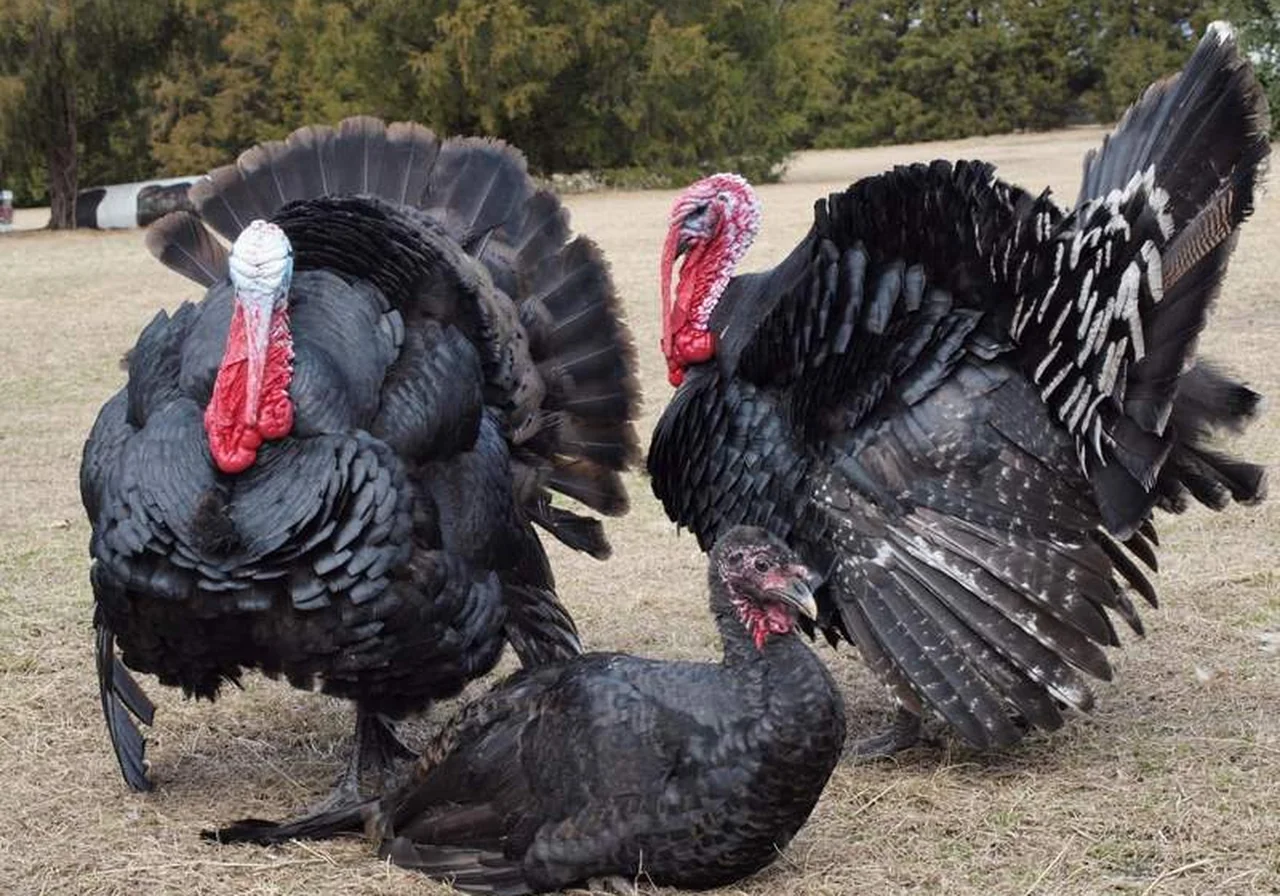
Black Spanish
Europe (via Americas)
Active, hardy, historic
Beltsville Small White
United States
Calm, compact, early-maturing
What WARN Does
WARN does not run field projects specifically for wild turkeys, which thrive across North America, outside the countries where WARN's partners work. This guide is part of WARN's free educational work to help people understand wildlife. The broader threats turkeys once faced, habitat loss and over-exploitation, are the same pressures that bear down on the animals WARN's partners do protect, which is why clear, honest information about all species matters.
If learning about wildlife like the wild turkey sparks your curiosity, a small gift helps WARN keep producing free educational guides and supporting the animals its partners protect.
Wild Turkey: Frequently Asked Questions
Can wild turkeys fly?
What is the difference between a wild turkey and a domestic turkey?
Why do turkeys gobble?
What do wild turkeys eat?
Are wild turkeys endangered?
Where do wild turkeys live?
Are wild turkeys dangerous?
How long do wild turkeys live?
How big is a wild turkey?
Sources & References
Population figures, conservation status and biological facts on this page are drawn from authoritative scientific and intergovernmental sources.
Terms used on this page
Plain-English definitions, from our wildlife and conservation glossary.
Explore more animals
Discover more animals, their habitats and their conservation status in the WARN wildlife-guide library.