Wildlife Guide · Canada & Alaska (USA)
Wolverine
Gulo gulo
The boreal giant — pound for pound one of the toughest predators on Earth
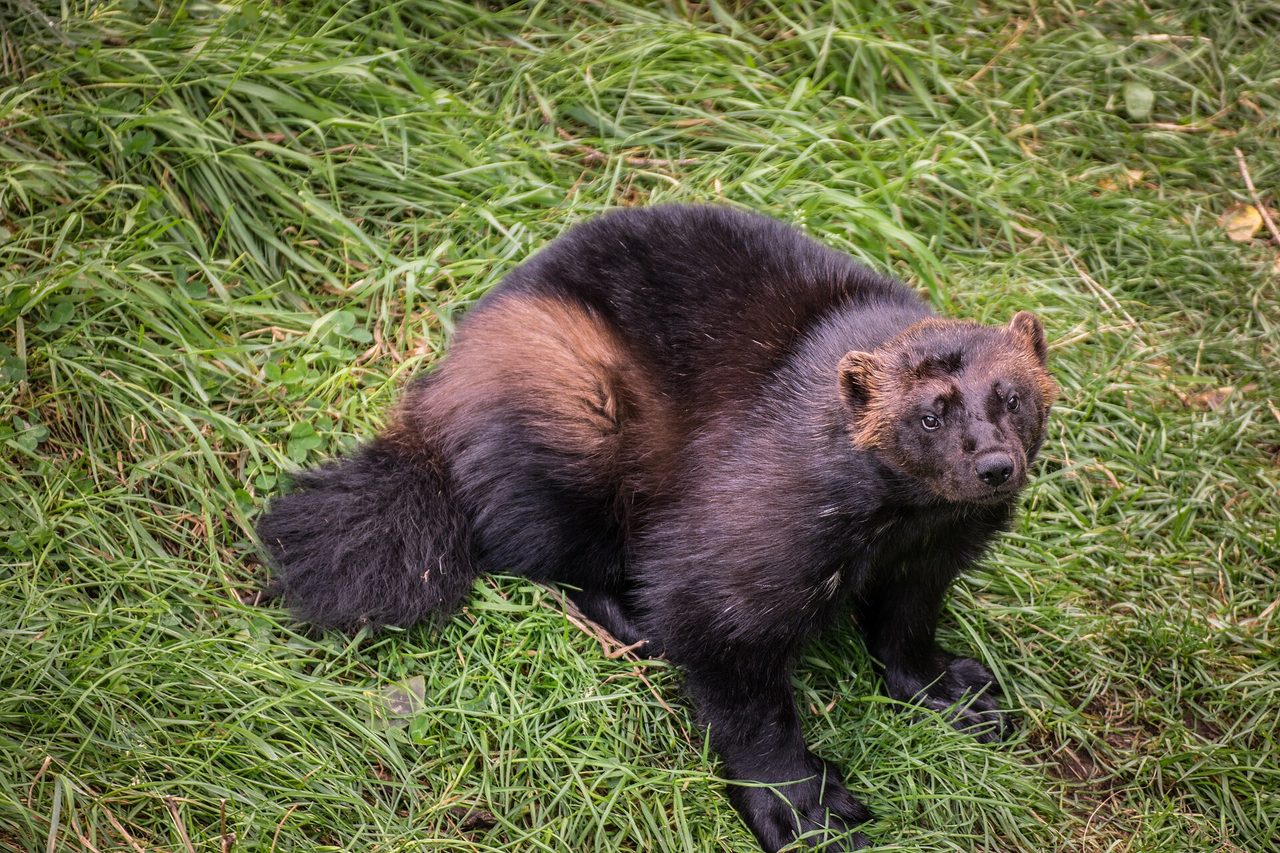
Photo: 0x010C / Wikimedia Commons (CC BY-SA 4.0)
In brief
The wolverine (Gulo gulo) is a large, powerful member of the weasel family found across boreal and Arctic regions of North America and Eurasia, classified as Least Concern globally by the IUCN but facing serious pressure from climate-driven snowpack loss, trapping, and habitat fragmentation.
Also in Animals A to Z · Animals that start with W
By WARN Research & Conservation TeamLast updated
The wolverine (Gulo gulo) is the largest land-dwelling member of the weasel family, yet it punches spectacularly above its weight. Built like a small bear and armed with semi-retractable claws, a vice-like jaw, and musk glands that rival a skunk's, it roams the remote boreal forests, alpine tundra, and Arctic plains of the Northern Hemisphere. A single male may patrol a home range exceeding 500 square kilometres — one of the largest of any terrestrial mammal relative to body size. Wolverines are legendary for their ferocity, endurance, and appetite: the genus name Gulo is Latin for "glutton," and the animal's ability to cover 40 miles in a single day across deep snow has earned it an almost mythological reputation among both Indigenous peoples and wildlife biologists.
11–18 kg
Adult male weight
500+ km²
Male home range
15,000–30,000
Est. global population
64 km/day
Max daily travel distance
Figures sourced from IUCN Red List — Gulo gulo (2023), US Fish & Wildlife Service — North American Wolverine Threatened Listing (2023), Federal Register — Threatened Species Status for North American Wolverine (2023) and other references on this page.
Wolverine: Quick Facts
| Body length | 65–105 cm (male) |
|---|---|
| Weight | 11–18 kg (male); 6–12 kg (female) |
| Lifespan | Up to 13 years in the wild |
| Litter size | 1–5 kits (typically 2–3) |
| Gestation | ~30–50 days after delayed implantation (total ~7–9 months) |
| Home range | ~400–1,500 km² (male); 100–300 km² (female) |
| Subspecies | G. g. gulo (Eurasia); G. g. luscus (North America) |
| Diet | Carrion, small-medium mammals, birds, eggs, berries |
Scientific Classification
| Kingdom | Animalia |
|---|---|
| Phylum | Chordata |
| Class | Mammalia |
| Order | Carnivora |
| Family | Mustelidae |
| Genus | Gulo |
| Species | Gulo gulo (Linnaeus, 1758) |
Conservation Status
- IUCN Status
- Least Concern
- Population
- 15,000–30,000 (estimated globally)
- Trend
- Decreasing
- Assessed
- 2023
- CITES
- Appendix II
North American wolverine in the contiguous US listed as Threatened under the US Endangered Species Act, effective January 2, 2024. EU regional assessment: Vulnerable.
Did you know?
A wolverine can travel over 40 miles (64 km) in a single day across deep snow — a feat of endurance that rivals trained sled dogs — powered by a metabolism that lets it go days between large meals and then consume up to a third of its body weight in one sitting.
Key Facts: Wolverine
- Wolverines are the largest land-dwelling mustelids, yet males rarely exceed 18 kg — their strength is wildly disproportionate to their size.
- They depend critically on persistent spring snowpack for denning; females dig multi-chambered snow dens to birth and rear their kits.
- Climate change is the single greatest long-term threat, with projections suggesting suitable habitat could shrink by 63% by 2099 if warming continues unabated.
- The North American population segment in the contiguous United States (fewer than 350 individuals) was listed as Threatened under the US Endangered Species Act, effective January 2, 2024.
- Globally the species is rated Least Concern by the IUCN (2023), but with a decreasing population trend across most of its range.
- Wolverines are solitary, wide-ranging, and naturally low in density, making them exceptionally vulnerable to habitat fragmentation and slow to recover from population losses.
What is a wolverine?
The wolverine (Gulo gulo) is a stocky, muscular carnivore belonging to the family Mustelidae — the weasel family — and is the only living species in the genus Gulo. Despite resembling a small bear at first glance, it is more closely related to otters, martens, and badgers. Adult males typically weigh 11–18 kg (24–40 lb) and measure 65–105 cm in body length, while females are 30–40% smaller. The fur is dense, dark brown to black, with a pale buff stripe running along each flank that merges into a bushy tail. The wide, semi-plantigrade feet act as natural snowshoes, distributing weight across deep snow. Paired musk glands near the base of the tail produce a pungent secretion used for scent-marking territory and caching food — earning the wolverine the nickname 'skunk bear' in parts of North America. The skull is massively built with carnassial teeth capable of crushing frozen carcasses and the bones of large prey. Two subspecies are recognised: the Eurasian wolverine (G. g. gulo) and the North American wolverine (G. g. luscus).
Where do wolverines live?
Wolverines occupy a circumpolar range spanning the boreal forests, alpine meadows, subarctic shrublands, and Arctic tundra of the Northern Hemisphere. In North America they are most numerous in Alaska and Canada, with a small, isolated population persisting in the mountainous regions of the contiguous United States — primarily the Northern Rockies of Idaho, Montana, Wyoming, Washington, and Oregon. In Eurasia they range from Scandinavia east across Russia and Siberia, with strongholds in Norway, Sweden, Finland, and the Russian interior. Wolverines are strongly associated with persistent spring snowpack, and their distributional boundaries in many regions align closely with the April snow-cover line. They avoid areas with high human disturbance and require vast tracts of connected wilderness. Male home ranges typically span 400–1,500 km² and may reach or exceed 3,500 km² in areas of low prey density, among the largest recorded for any terrestrial carnivore of comparable body mass. Females maintain smaller ranges of roughly 100–300 km² that typically overlap the territories of one or more males.
What do wolverines eat — and how do they hunt?
Wolverines are highly opportunistic omnivores, but carrion forms the foundation of their winter diet. They are famous for locating the carcasses of elk, caribou, moose, and other ungulates killed by deep snow or larger predators, using their powerful jaws to crack frozen bones that no other predator can access. In spring and summer the diet diversifies to include ground squirrels, voles, hares, porcupines, marmots, nesting birds, eggs, berries, and roots. Wolverines are also accomplished hunters capable of taking prey several times their own size — documented kills include white-tailed deer, caribou calves, and even adult reindeer in Scandinavia, often pursued through deep snow where their broad feet give them a decisive advantage over hooved prey. Food caching is a crucial survival strategy; wolverines use musk-scented 'larders' beneath snow or in rock crevices to store kills that may sustain them through lean periods. This caching behaviour is so central to their ecology that trapping bait stations have historically been used to target them, making trapping one of the significant historical causes of population decline across their range.
How do wolverines reproduce, and what threatens their survival?
Wolverines breed in late spring to summer (May–August), but implantation is delayed until late autumn through a process called embryonic diapause — meaning fertilised eggs do not implant in the uterine wall until environmental conditions are suitable. Litters of one to five kits (typically two or three) are born in February or March inside elaborate, multi-chambered snow dens. The female excavates tunnels and chambers deep into consolidated snowpack — sometimes extending several metres — and kits remain hidden here until May, when they first emerge. This obligate dependence on persistent spring snow is the species' most critical and most threatened ecological requirement. Climate change is shrinking the snowpack that wolverines depend on for denning, food storage, and thermoregulation. Scientific modelling projects a 63% reduction in suitable wolverine habitat by 2099 under business-as-usual warming scenarios. Additional pressures include historical and ongoing trapping for fur, road fragmentation of connectivity corridors, snowmobile disturbance of dens, and competition from expanding wolves and cougars recovering into wolverine range.
What is the wolverine's conservation status, and are populations declining?
Globally the wolverine is rated Least Concern on the IUCN Red List (2023 assessment), but this headline masks significant regional variation and a documented decreasing population trend across most of its range. The worldwide population is estimated at 15,000–30,000 individuals, the majority in Canada (estimated 15,000–19,000 in the western population) and Russia. Scandinavian populations have partially recovered under strict legal protection — Sweden held approximately 733–811 individuals in 2023, Norway around 378–411, and Finland an estimated 350–500 — but all remain far below historical levels and carry very low genetic diversity. The most imperilled population is in the contiguous United States, where fewer than 350 wolverines survive in highly fragmented mountain strongholds; the US Fish and Wildlife Service listed this population as Threatened under the Endangered Species Act, effective January 2, 2024. The wolverine is listed on CITES Appendix II, meaning international trade in the species or its products requires documentation and oversight. Long-term viability depends on maintaining large blocks of cold, snowy wilderness connected by dispersal corridors — a challenge that grows harder as climate change accelerates and human infrastructure expands into remote landscapes.
What WARN Does
WARN does not currently run projects for the wolverine — our rescue and conservation partnerships are focused in its partner-network countries, while wolverines range across the boreal and Arctic regions of North America and Eurasia. This guide is offered as free educational content because understanding species like the wolverine — and the climate forces reshaping their world — builds the public awareness that sustains conservation everywhere. Every habitat saved, whether in the tropics or the far north, is part of the same global effort.
Wild places are shrinking — from Arctic snowfields to tropical forests. Supporting WARN helps protect the habitats and rescue networks that give wildlife a fighting chance worldwide.
Wolverine: Frequently Asked Questions
Is a wolverine actually related to wolves or bears?
How strong is a wolverine for its size?
Why do wolverines need snow to reproduce?
Are wolverines dangerous to humans?
Why is the wolverine listed as Threatened in the United States if it is Least Concern globally?
What do wolverines eat?
Where do wolverines live?
How long do wolverines live?
How big is a wolverine?
Sources & References
Population figures, conservation status and biological facts on this page are drawn from authoritative scientific and intergovernmental sources.
- IUCN Red List — Gulo gulo (2023)
- US Fish & Wildlife Service — North American Wolverine Threatened Listing (2023)
- Federal Register — Threatened Species Status for North American Wolverine (2023)
- Animal Diversity Web — Gulo gulo
- Alaska Dept of Fish & Game — Wolverine Species Profile
- NMBU — Wolverine abundance estimates in Scandinavia 2015–2024
- Wolverines in a changing landscape — ScienceDirect synthesis (2022)
Terms used on this page
Plain-English definitions, from our wildlife and conservation glossary.
Latest Wolverine Stories
Quick, fact-checked reads on the wolverine — amazing facts, key questions and the threats it faces.
Explore more animals
Discover more animals, their habitats and their conservation status in the WARN wildlife-guide library.