Rescue & Welfare · Companion animal facts
Is elephant riding cruel?
Elephant riding turns a wide-ranging social animal into tourist transport.
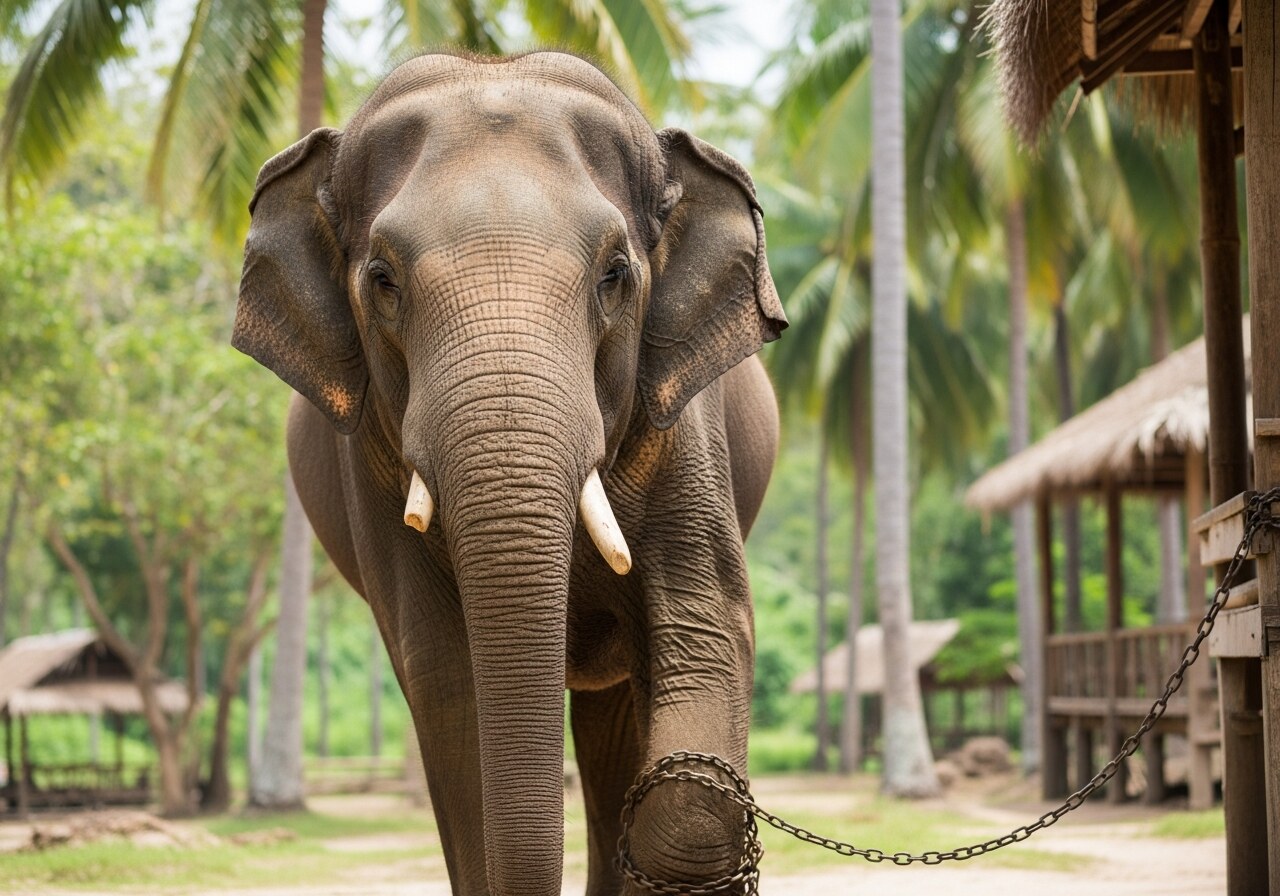
In brief
Elephant riding is widely considered cruel because elephants are often trained through fear, restrained for long periods and made to carry tourists despite complex social, movement and welfare needs. This answer targets a common travel question and gives a clear welfare-first recommendation.
By WARN Research & Conservation TeamLast updated
This answer targets a common travel question and gives a clear welfare-first recommendation.
Quick facts
| Short answer | Avoid elephant riding |
|---|---|
| Hidden harm | Training, restraint, separation and repetitive labour |
| Better option | Observation-based sanctuaries with no forced contact |
| Ask | Can elephants choose distance from visitors? |
Key takeaways
- Elephant riding usually depends on control, restraint and stressful training.
- Bathing or feeding experiences can still be exploitative.
- Observation from distance is the safer welfare model.
- Ask whether elephants can choose to avoid visitors.
Why this question matters
Tourists often see only the ride, not the training and control system behind it.
The welfare-first answer
Elephants need social choice, movement, foraging and autonomy. Riding, performances and crowded bathing sessions usually prioritise tourist experience over elephant welfare.
What to do next
Choose venues where elephants are observed at distance and where visitor money funds care without forcing animals into contact.
What WARN does
WARN encourages observation-based wildlife tourism that keeps animals wild, avoids forced contact and supports facilities whose finances do not depend on exploiting animals.
Frequently asked questions
Is bareback elephant riding better?
Is bathing elephants ethical?
What should I do instead?
Sources & references
Original WARN research and writing. This page is written to answer a specific search question while linking readers to deeper welfare, rescue and conservation guidance.