Conservation · Why species are endangered
Why are cheetahs endangered?
Vulnerable — fewer than 7,000 adults; vast ranges, snaring, conflict and cub pet trade outpace slow reproduction.
In brief
Cheetahs are Vulnerable — fewer than 7,000 adults remain in fragmented African populations and a tiny Iranian group. Habitat loss, human conflict, prey depletion and illegal pet trade demand for cubs are the main threats. Cheetahs reproduce slowly and cannot recover quickly from removals.
By WARN Research & Conservation TeamLast updated
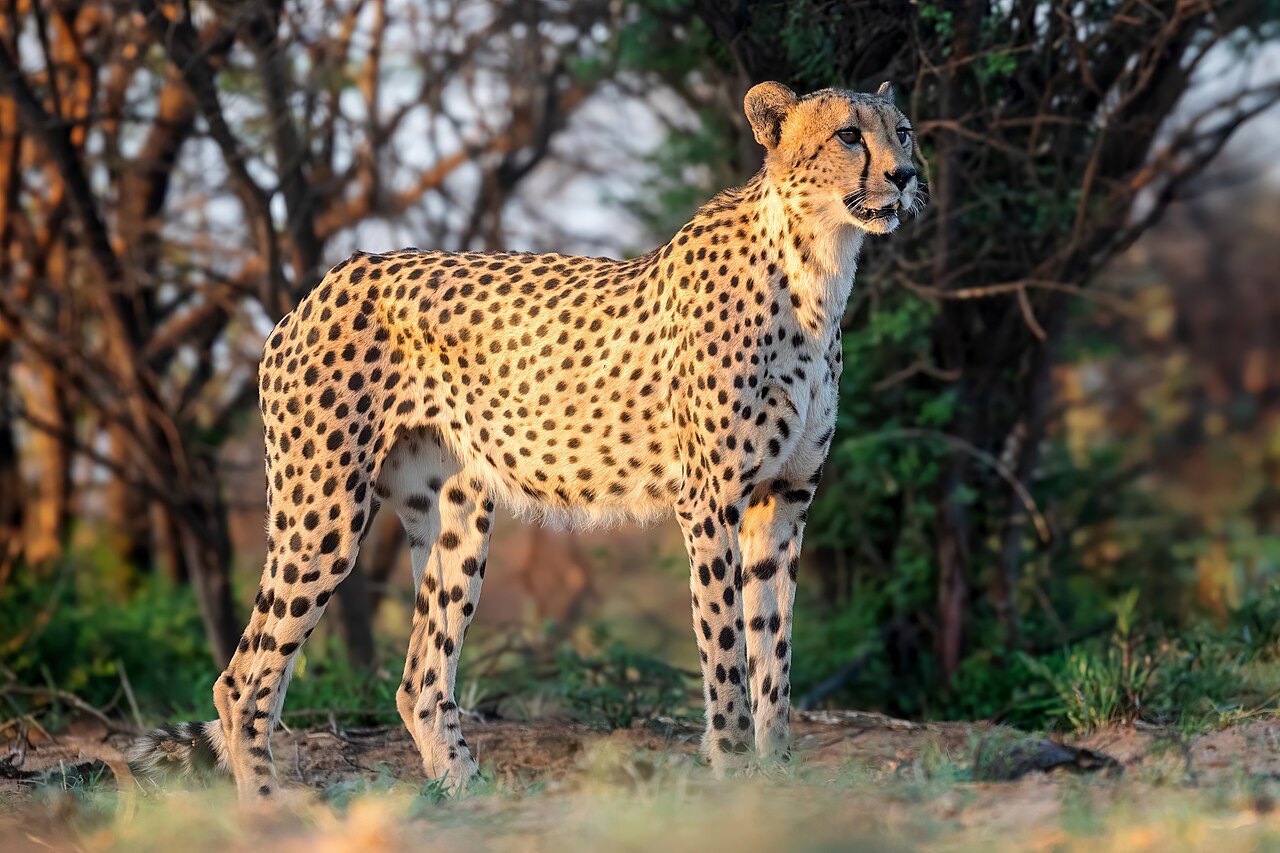
Cheetah (Acinonyx jubatus) is Vulnerable with fewer than 7,000 adults — fragmented across Africa and a tiny Iranian population. Speed specialist needing open grassland and enormous home ranges — every fence and farm shrinks viable territory. Bushmeat snaring kills cheetahs and removes prey. Illegal cub smuggling to Gulf pet markets kills mothers — most cubs die in transit. Reproduction slow — interbirth interval roughly two years.
<7,000
Adult cheetahs estimated globally
1,500 km²
Male home range can exceed this in Namibia
50
Asiatic cheetahs in Iran — Critically Endangered
100 km/h
Top speed — energetically costly hunts
Quick facts
| IUCN status | Vulnerable — Acinonyx jubatus |
|---|---|
| Main threats | Habitat loss, snaring, conflict, pet trade |
| Home range | Among largest of any felid — fragmentation critical |
| Genetic bottleneck | Low diversity — historic population crash |
| Pet trade | Cubs smuggled from East Africa — CITES Appendix I |
| Prey loss | Snares set for bushmeat kill ungulates and cheetahs |
Key takeaways
- Vulnerable — fewer than 7,000 adults.
- Huge home ranges — fragmentation lethal.
- Snaring and prey loss major drivers.
- Pet trade kills mothers — cubs die in transit.
- Asiatic cheetah fewer than 50 in Iran.
- See cheetah guide and savanna hub.
Range and fragmentation
Cheetahs once ranged India to South Africa — extirpated from 90% of historic range. Southern Africa holds largest populations — Namibia, Botswana, Kenya. Iran’s Asiatic subspecies Critically Endangered — roadkill and prey loss in isolated desert. Fences on commercial farms block movement — genetic isolation follows.
Snaring and prey depletion
Wire snares indiscriminate — catch cheetahs seeking gazelle and impala already caught. Anti-poaching patrols cut snare lines daily in some reserves — underfunded elsewhere. Prey base collapse from bushmeat trade starves cheetahs before habitat physically disappears.
Recovery pathways
Cheetah Conservation Fund model — livestock guard dogs, farmer training, habitat easements. Reintroduction to India attempted 2022 — requires decades prey buildup. Donors should fund patrol kilometres and cub-confiscation rehabilitation — not awareness-only.