Pakistan · street-dog welfare
Help street dogs in Karachi
Help make humane veterinary care, rabies vaccination and responsible street-dog management possible in Karachi, Pakistan.
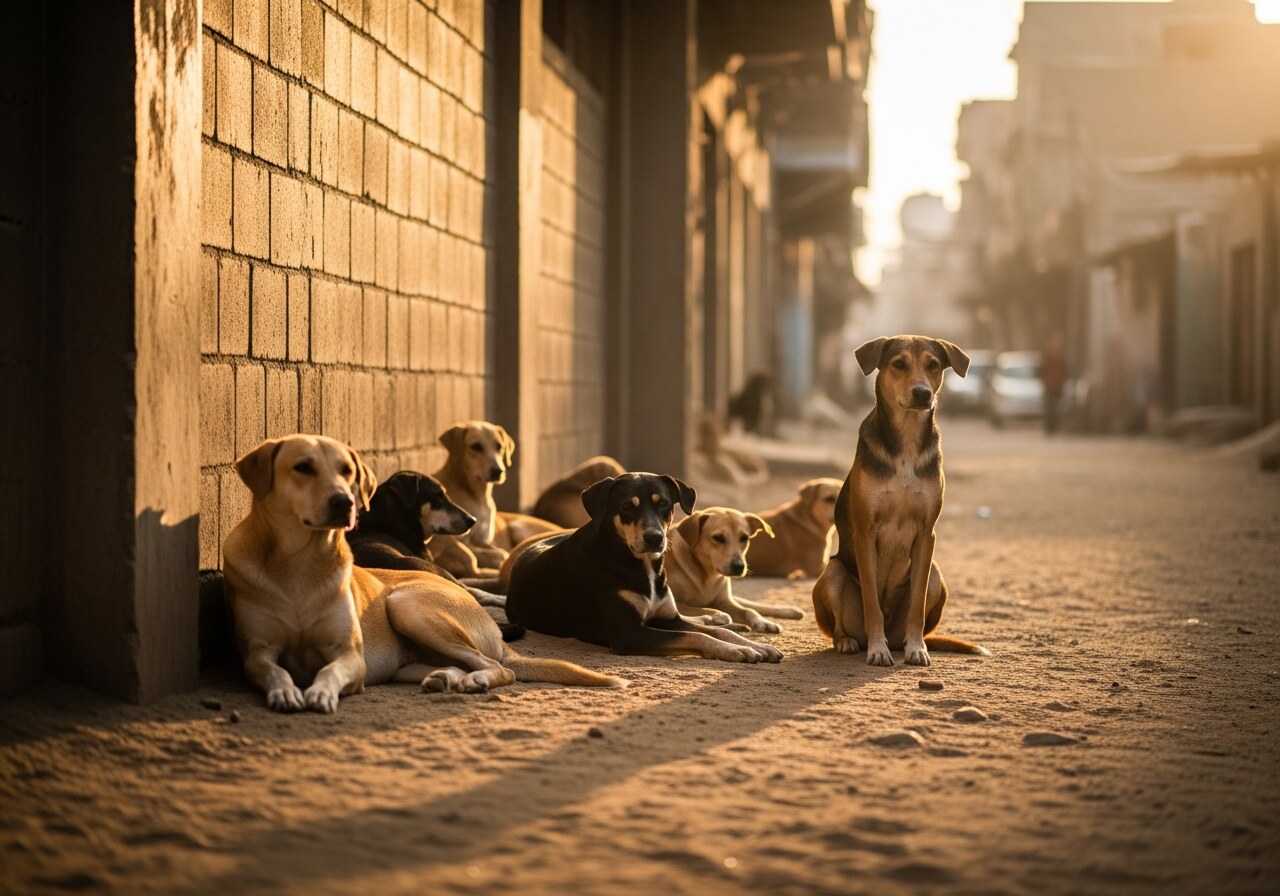
Street dogs in Karachi, Pakistan, photographed on 11 December 2018. This historical photograph does not establish vaccination status or a WARN-funded programme.
Photo: Saaien / Wikimedia Commons (CC BY-SA 4.0). Resized; display may be cropped. Source CC BY-SA 4.0
- Professional care and prevention
- Needs and budgets assessed before grant approval
- One-off or monthly support; share to raise awareness
In brief
This appeal raises funds for assessed street-dog welfare needs in Karachi, Pakistan. Eligible support may include veterinary care, rabies vaccination and appropriate Catch-Neuter-Vaccinate-Return (CNVR). WARN selects recipients after reviewing their capacity, proposed work and budget; the public grant register shows published decisions and payments.
By WARN Research & Conservation TeamLast updated
Choose informed support
Support karachi street dogs
Help make humane veterinary care, rabies vaccination and responsible street-dog management possible in Karachi, Pakistan.
Before you give
Your gift supports this appeal’s stated purpose. Activities described on this page are eligible or proposed support; published grant records show what has been agreed, paid or reported.
Choose an amount and frequency you can afford. No donation amount guarantees a particular rescue, treatment or release.
WARN is a UK community interest company, number 17298990. Gift Aid is unavailable.
Support street-dog welfare
Pakistan · street-dog welfare · one-off or monthly
How often
Choose an amount
Your gift supports this appeal’s purpose. Grants depend on assessed needs, agreed budgets and available funds.
Where should it go?
Secure payment · You'll be directed to a secure checkout.
Secure donation · accepted methods
Secure card checkout powered by Stripe. Card details are entered on Stripe; available wallets depend on your device and browser.
How to support street dogs in Karachi
Understand the intended work, check the grant information and choose a gift you can afford.
- 1
Read the purpose and current records
This appeal concerns humane street-dog welfare in Karachi, Pakistan. Review the proposed support below and /about/where-your-money-goes/#grant-register for published grant decisions.
- 2
Choose an affordable gift
Select an amount, currency and one-off or monthly frequency. Check this appeal is selected before continuing to Stripe checkout. Available wallets depend on your device and browser.
- 3
Consider regular support
A recurring gift helps WARN plan income for eligible support. One-off gifts are welcome too. Find help with future payments at manage.
- 4
Follow decisions and published results
Your receipt records the gift. Check /about/where-your-money-goes/#grant-register for published recipient decisions and payments, and manage for help with future monthly donations.
A better future for Karachi’s street dogs
A dog living on the street should be considered as an individual animal, with care needs that deserve a professional response. This appeal invites support for that response in Karachi. It brings together the immediate question of suitable care and the longer-term question of how people and dogs can live more safely alongside one another.
Before a grant is approved, the work needs to be concrete: who would deliver it, where, for which animals, over what period and at what cost. WARN’s role is to assess those proposals and make funding decisions within the appeal’s purpose. The sections below explain what a credible request could include.
There is no fundraising countdown or guaranteed treatment count on this page. Needs, budgets and recipient decisions should drive the next step. The register below provides a place to check published grants; the source list explains the professional guidance behind the approach.
What meaningful help needs to address
Care that reaches an individual dog
A wounded or unwell dog needs an assessment and an appropriate care plan. An effective funding request should explain who will examine animals, where treatment and recovery can take place, and what happens to animals requiring longer care. A photograph of an injured dog cannot answer those questions.
Rabies prevention for dogs and people
WHO identifies dog vaccination as a central way to prevent human rabies and says culling free-roaming dogs is ineffective for rabies control. Its approach also includes bite prevention and prompt access to human post-exposure care. Animal welfare and public health need to be planned together.
Continuity after a clinic day
A single event can be useful, but a proposal also needs a follow-up plan. WARN would look for a defined area, a practical schedule, records of animals reached and a way for residents to raise concerns. The relevant question is what sustained support would achieve in that neighbourhood.
Community confidence
Residents, veterinary teams and local authorities may have different concerns about free-roaming dogs. A responsible request should explain how those concerns will be heard and how the programme will communicate its limits. Good intentions alone do not establish local consent or permission to operate.
Understanding CNVR and its limits
Catch-Neuter-Vaccinate-Return can form part of a wider programme for free-roaming dogs. WOAH’s guidance includes humane handling, veterinary surgery with pain management, recovery care and an assessment before return. Local law and community circumstances matter.
The approach needs complementary measures, including responsible ownership and access to care. Its suitability depends on the animals and place involved. A proposal should explain its choices and how welfare will be monitored after treatment.
Vaccination and welfare need clear objectives
For donors, the useful distinction is between a funded activity and its result. A vaccination visit, a sterilisation procedure, a recovery stay and a community meeting are different activities. A good report identifies what happened and what follow-up evidence exists, without treating every activity as a completed rescue or proof that a wider public-health problem has been solved.
The appeal at a glance
| Appeal location | Karachi, Pakistan. A location focus does not establish a current WARN clinic or an appointed local recipient. |
|---|---|
| WARN’s role | Assess organisations and proposed budgets, select eligible support and report grants when records are available. |
| Funding status | Use the appeal-specific grant register below. An unpublished record does not establish that a payment has or has not occurred. |
| Donation amounts | Choose an affordable gift. No verified local cost schedule is published here, so amounts are not presented as a guaranteed number of treatments. |
What donations could help make possible
These are possible uses of support, subject to assessment, an agreed budget and available funds.
Focus1
Professional veterinary assessment and care
Potential grants could contribute to a costed request for examinations, treatment, suitable accommodation or recovery care. The request should identify the provider, the intended animals and the limits of the service.
Focus2
Vaccination programme capacity
A proposal could include vaccine procurement, trained delivery teams and record keeping. WARN would ask how the budget connects to a defined programme and how reported vaccinations will be evidenced.
Focus3
Appropriate CNVR work
Where locally suitable, a request could support professionally delivered sterilisation and associated care. Approval would depend on the welfare plan, local permissions, individual assessment and follow-up arrangements.
Focus4
Practical information and follow-up
Potential support could help an organisation communicate with residents, provide locally relevant information and report progress. These are proposed funding categories, not a list of grants already made.
What a useful progress report should explain
A donor should be able to follow the money and understand its limitations. For any published grant, look for the recipient’s identity, the agreed purpose and amount, the payment status and the period covered by the report. Where animal-care figures are available, the report should explain how they were recorded and whether the same animals received several services.
Photos can help explain the work when the owner has authorised their use and the caption identifies the place, date and activity. They should accompany records rather than stand in for them. WARN will distinguish a recipient’s report from independently verified evidence when describing results.
If donating is not possible, share this appeal with its funding context intact. Relevant awareness is useful: it helps another reader understand both the needs and how support would be selected. Avoid passing on unverified rescue claims or an old image as a current incident.
How does my donation reach the animals?
Your gift supports this appeal’s purpose. WARN assesses organisations, needs and budgets before deciding which eligible work to fund.
A public grant record should identify the recipient, amount, purpose and status of support. Until those details are published, the activities described here are possible uses of funds rather than completed WARN work. See grant selection.
WARN's target is for at least 80% of unrestricted donations to support eligible animal-welfare programmes. This is a planning target, not an achieved result. Named appeals follow their own published fund terms. This applies to unrestricted funds and is a target, not an audited result or a guarantee about each appeal gift. Read the funding policy and published records at where your money goes.
How responsible support works
From a gift to a grant
This is WARN’s grant-making process. Check the published records below for this appeal’s actual progress.
Assess the need
Review an organisation’s identity, local capacity, welfare practices, current request and proposed budget.
Agree the support
Choose a suitable purpose within the appeal, agree the budget and set proportionate reporting requirements.
Record the payment
Publish the recipient, amount, purpose and payment status when a grant record is available.
Follow the results
Report what the recipient can evidence, with dates and limitations. An approved grant and a completed outcome are different stages.
Grant register
Approved commitments and completed payments are different stages. Public records identify recipients and purposes without exposing donor details, banking information or sensitive wildlife locations.
Records not yet published
A reconciled financial summary and individual grant records have not yet been published here. This is a reporting status, not a statement that income, expenditure or grants are zero. Contact WARN for information about your gift.
Ask about a donation or grantLearn more and explore other ways to help
Explore the evidence, practical animal-welfare information and other relevant ways to support the cause.

Help street dogs abroad
Practical information for people considering support across borders.
Open this page
Working-donkey welfare
Explore another animal-welfare appeal and its proposed support.
Open this pageAlso: Street-dog guide · Pakistan · Find animal help
Your questions answered
Karachi street dogs: frequently asked questions
What does this Karachi street-dog appeal support?
What does CNVR mean?
Does sterilisation replace rabies vaccination?
Is returning a dog to the street always appropriate?
Does WARN run a rescue centre in Karachi?
Which organisation will receive the funds?
How many dogs will my donation help?
Can WARN collect an injured dog today?
What should someone do after a possible rabies exposure?
How do I donate to help street dogs in Karachi?
How can I help street dogs in Karachi from the UK?
Can I give monthly to help street dogs in Karachi?
How does my donation reach street dogs in Karachi?
Is this Gift Aid eligible or US tax-deductible?
Can I help without donating?
Sources and references
- World Health Organization: rabies fact sheet — Vaccination, prevention and urgent post-exposure care; dated 5 June 2024, reviewed for this page on 8 September 2026.
- WOAH Terrestrial Code, Chapter 7.7: dog population management — Scope, welfare, professional care and the conditions and limitations of CNVR; reviewed 8 September 2026.
- WARN: grant selection and due diligence — WARN’s process, distinct from evidence about street-dog programmes elsewhere.
Make humane support possible
Help build the funds for assessed care and prevention. An affordable gift or a thoughtful share can help this appeal reach people who want to support street dogs.
Help Karachi’s street dogs