Appeal · Pakistan
How to Help Working Horses
Working horses deserve skilled care, comfort and time to rest. Help build support for practical welfare improvements in the communities where they live.
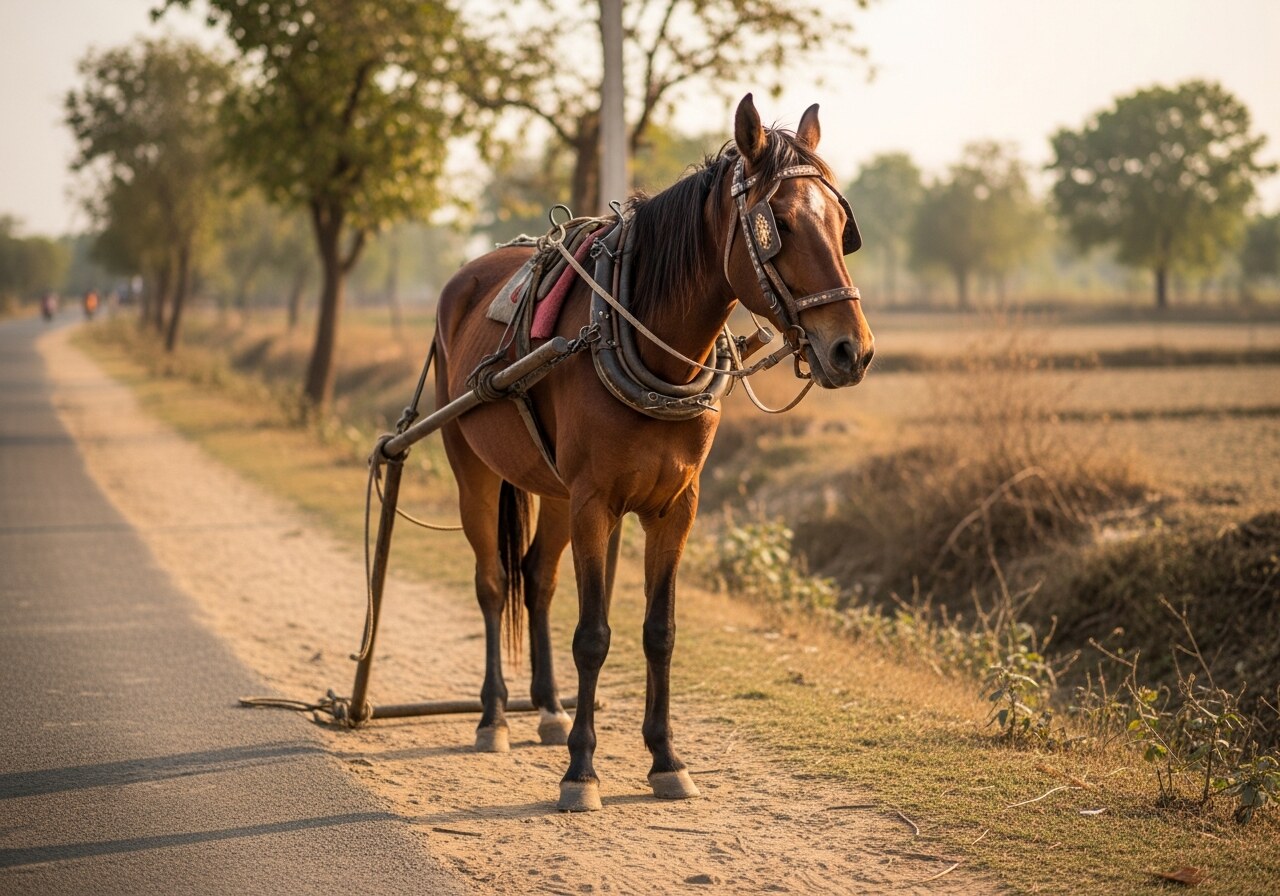
Working horse photographed in Lahore, Pakistan on 13 November 2004. This historical photograph illustrates equine welfare; it does not document a WARN veterinary visit.
Photo: Guilhem Vellut (Flickr: *_*) / Wikimedia Commons (CC BY-SA 2.0). Resized; display may be cropped. Source CC BY-SA 2.0
- Support intended working-horse welfare grants in Pakistan for veterinary and hoof care, suitable harnesses and better everyday conditions.
- Choose one-off or monthly support
- Read the grant status and how funds are allocated
In brief
Support intended working-horse welfare grants in Pakistan for veterinary and hoof care, suitable harnesses and better everyday conditions. WARN is developing its grant-making work. Grant records have not yet been published; read the purpose, terms and reporting status before giving.
By WARN Research & Conservation TeamLast updated
Choose informed support
Support working horses
Working horses deserve skilled care, comfort and time to rest. Help build support for practical welfare improvements in the communities where they live.
Before you give
Your gift supports this appeal’s stated purpose. Activities described on this page are eligible or proposed support; published grant records show what has been agreed, paid or reported.
Choose an amount and frequency you can afford. No donation amount guarantees a particular rescue, treatment or release.
WARN is a UK community interest company, number 17298990. Gift Aid is unavailable.
Give now
Appeal · Pakistan · one-off or monthly
How often
Choose an amount
Your gift supports this appeal’s purpose. Grants depend on assessed needs, agreed budgets and available funds.
Where should it go?
Secure payment · You'll be directed to a secure checkout.
Secure donation · accepted methods
Secure card checkout powered by Stripe. Card details are entered on Stripe; available wallets depend on your device and browser.
Pakistan
Intended geographical focus
Qualified care
Required for clinical activities
Everyday welfare
The aim extends beyond a single visit
The appeal focus describes intended support. Independent conservation and welfare sources are linked below.
How to Help Working Horses
Support intended working-horse welfare grants in Pakistan for veterinary and hoof care, suitable harnesses and better everyday conditions.
- 1
Read the appeal purpose and current funding status
Support intended working-horse welfare grants in Pakistan for veterinary and hoof care, suitable harnesses and better everyday conditions. The grant register and allocation policy explain how to distinguish proposed support from published results.
- 2
Choose an affordable gift
Select an amount, currency and one-off or monthly frequency. Check this appeal is selected before continuing to Stripe checkout. Available wallets depend on your device and browser.
- 3
Consider regular support
Choose a frequency and amount that suit you. Recurring gifts support planning under this appeal’s terms; they do not guarantee a specific animal outcome.
- 4
Follow decisions and published results
Your receipt records the gift. Check /about/where-your-money-goes/#grant-register for published recipient decisions and payments, and manage for help with future monthly donations.
Why do working horses need help?
Working horses provide transport and support livelihoods. A welfare project needs to understand the horse’s daily environment, the demands of its work and the owner’s ability to access appropriate services.
The intended focus of this appeal is Pakistan. The aim is support for practical care and better conditions through eligible organisations, with attention to the needs of individual horses and the services their communities can sustain.
What should a welfare assessment consider?
A responsible assessment should consider the individual horse, its environment and the resources available for care. Brooke describes welfare as including physical and mental wellbeing, with nutrition, rest and appropriate interactions all relevant.
The proposed response should match the assessment. A new harness, a veterinary visit and owner education address different needs; none should be offered as a universal solution or judged solely by how many items were distributed.
Who would a working-horse grant reach?
A national horse-population estimate is not a project plan. A proposal should identify the community and animals it intends to support, explain how need was established and show how the service will reach them.
It should also explain who might otherwise be missed: owners unable to travel, animals needing repeated care or horses whose condition requires referral. A grant report should distinguish the number of visits from the number of individual animals assessed.
What could working-horse donations support?
Intended eligible activities include veterinary assessment and treatment, skilled farriery, clinically appropriate dental care, suitable harness improvements and practical owner support. Costs should be justified by a proposal rather than attached to invented prices for a clinic day.
WARN is developing its grant-making work and does not operate equine clinics. Grant records have not yet been published. The donation form accepts contributions to the purpose; it does not assign a named horse or guarantee a specific treatment.
What should an effective proposal include?
Look for named clinical responsibility, appropriate qualifications, a plan for follow-up and a referral route for cases beyond the service’s capacity. A mobile project should explain its locations, staffing, travel and the continuity of care between visits.
A prevention project should identify the underlying problem and involve the people who will maintain the change. For example, an equipment proposal needs fitting and maintenance arrangements, while a service-development proposal needs a practical way to keep qualified care accessible.
What happens after the first visit?
A strong report should explain what was provided, what follow-up was possible and what changed for the horse. It should acknowledge cases that remained unresolved. Treating the same animal repeatedly is not the same as reaching a new animal each time.
You can share the appeal and independent educational resources if donating is not possible. Anyone concerned about an individual horse should seek an appropriate local veterinary or animal-welfare contact; this form does not dispatch treatment.
From your gift to accountable support
WARN intends to support eligible organisations through assessed grants. The recipient, scope, budget and reporting requirements need to be documented before a grant is treated as an approved commitment.
Grant records have not yet been published. Use the register and reporting pages for evidence of approved grants, transfers and results.
The appeal terms explain the funding purpose and allocation policy. Suggested gift amounts are contributions; they do not promise a fixed treatment, item or animal outcome.
How responsible support works
From a gift to a grant
This is WARN’s grant-making process. Check the published records below for this appeal’s actual progress.
Assess the need
Review an organisation’s identity, local capacity, welfare practices, current request and proposed budget.
Agree the support
Choose a suitable purpose within the appeal, agree the budget and set proportionate reporting requirements.
Record the payment
Publish the recipient, amount, purpose and payment status when a grant record is available.
Follow the results
Report what the recipient can evidence, with dates and limitations. An approved grant and a completed outcome are different stages.
Grant register
Approved commitments and completed payments are different stages. Public records identify recipients and purposes without exposing donor details, banking information or sensitive wildlife locations.
Records not yet published
A reconciled financial summary and individual grant records have not yet been published here. This is a reporting status, not a statement that income, expenditure or grants are zero. Contact WARN for information about your gift.
Ask about a donation or grantLearn more and explore other ways to help
Explore the evidence, practical animal-welfare information and other relevant ways to support the cause.

Help Working Donkeys
Explore the intended support for working donkeys in Pakistan.
Open this page
Help Animals After a Disaster
Read about animal emergency-care and preparedness needs.
Open this pageAlso: Horse guide · Working-equine briefing · How funds are allocated · How grants are assessed · All appeals
Your questions answered
Working horses: frequently asked questions
How can I donate to help working horses?
What is the difference between this and the donkey appeal?
Does WARN provide horse treatment directly?
Can I sponsor a particular horse?
Why does ongoing care matter?
How should I judge a report on a horse-welfare grant?
How do I donate to help working horses?
How can I help working horses from the UK?
Can I give monthly to help working horses?
How does my donation reach working horses?
Is this Gift Aid eligible or US tax-deductible?
Can I help without donating?
Help build support for working horses
Choose an affordable contribution to the purpose described here. Sharing this appeal can also help others learn about the need and decide how to support it.
Support working horses