Animal Comparison
Lynx vs Bobcat
A bobcat is a lynx species (Lynx rufus). Eurasian and Canada lynx differ in size, ear tufts and foot size. The names overlap; the field marks do not.
By WARN Research & Conservation TeamLast updated
In brief — Lynx vs Bobcat
Bobcat is a lynx species; lynx in North America usually means the Canada lynx as opposed to the bobcat.
A bobcat is a lynx — Lynx rufus — not an unrelated small cat. In everyday North American speech, lynx usually means the Canada lynx (Lynx canadensis), which is larger-footed and more snow-adapted than the bobcat. Ear tufts, tail tip and range help separate them in the field.
See the difference
Images are shown at different scales. Read each caption for the species, source and context.
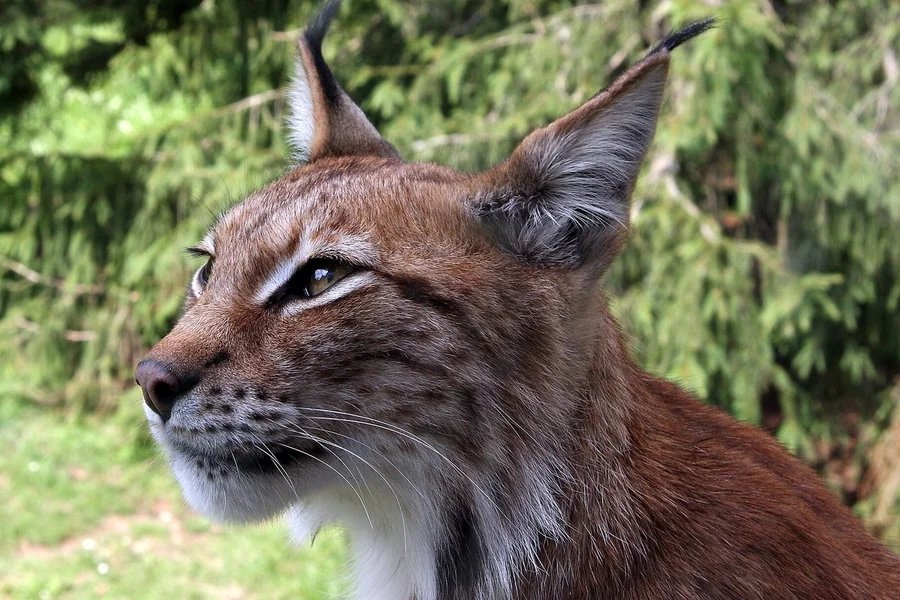
Lynx — long ear tufts; oversized paws; black tail tip
AI-generated educational wildlife portrait — World Animal Rescue Network
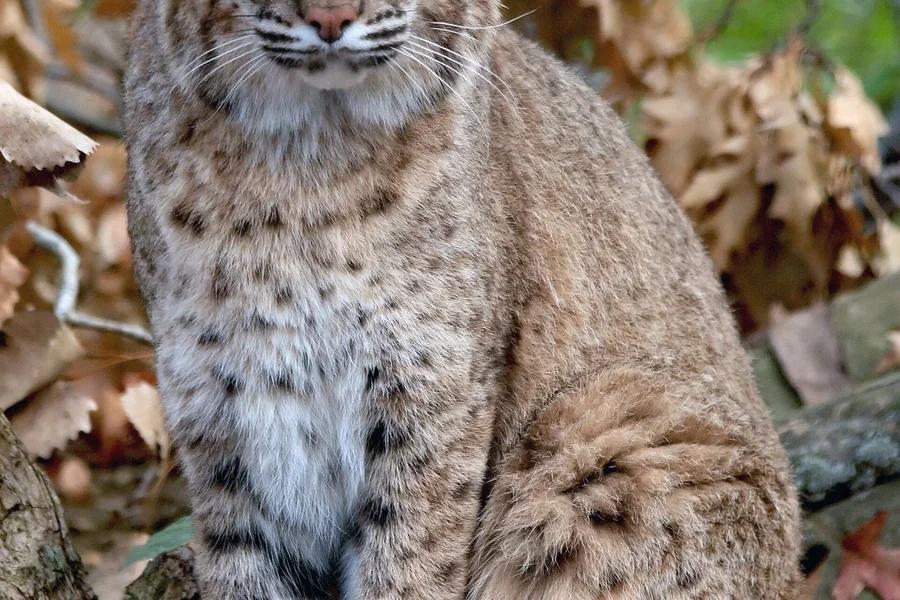
Bobcat — a lynx species; shorter tufts; spotted coat
AI-generated educational wildlife portrait — World Animal Rescue Network
Lynx vs Bobcat: At a Glance
| Feature | Lynx | Bobcat |
|---|---|---|
| Scientific identity | Genus Lynx (several species) | Lynx rufus — a lynx species |
| North American lynx usually | Canada lynx (L. canadensis) | Bobcat |
| Ear tufts | Long, prominent on Canada/Eurasian lynx | Shorter tufts |
| Feet | Canada lynx: very large, furred paws | Smaller paws relative to body |
| Tail tip | Canada lynx: entirely black tip | Black on top, white beneath tip |
| Coat | Canada lynx often greyer, less spotted | Often more spotted/rufous |
| Typical weight | Canada ~8–18 kg; Eurasian larger | Often ~6–14 kg |
| Snow adaptation | Strong in Canada lynx | Less specialised for deep snow |
| Range | Canada/Alaska; Eurasia (different species) | Wide across contiguous US into Mexico/Canada |
| Main prey tendency | Canada lynx strongly tied to snowshoe hare | Broader diet: rabbits, rodents, birds |
Size and physical differences
Canada lynx and Eurasian lynx are typically larger than bobcats; bobcats often weigh about 6–14 kg, Canada lynx about 8–18 kg, Eurasian lynx often 18–30 kg.
Lynx versus bobcat is a naming trap. Bobcats belong to the genus Lynx. They are lynxes in the same way a dog is a canid. What people usually want is the difference between a bobcat and a Canada lynx — or, in Europe, simply what a lynx looks like, because bobcats do not occur there.
Once that is stated, the comparison becomes practical. Bobcats are more generalist, often more spotted, and keep a tail with a black top and white underside tip pattern. Canada lynx are built for snow: very large paws, longer ear tufts, and a black-tipped tail. Eurasian lynx are larger again and take bigger prey. Leading with the taxonomy prevents the false idea that bobcats are not real lynxes.
This comparison sticks to marks you can use without laboratory gear: size, shape, behaviour and the words people actually type into a search box. Scientific names are given where they prevent a regional mix-up.
Say the correction first
A bobcat is a lynx species. Pages that treat lynx and bobcat as mutually exclusive categories without explanation recreate the myth. The useful contrast in North America is bobcat versus Canada lynx. In Europe and Asia, lynx means Eurasian or Iberian lynx, and bobcat is not in the fauna. Field observers should treat colour alone as weak evidence and combine it with shape, behaviour and habitat before naming what they see. Where published measurements disagree, this page gives the range rather than a single tidy figure that implies more certainty than the sources support. Field observers should treat colour alone as weak evidence and combine it with shape, behaviour and habitat before naming what they see. Where published measurements disagree, this page gives the range rather than a single tidy figure that implies more certainty than the sources support.
Ear tufts, tail and feet
Canada lynx show long ear tufts, oversized paws that act like snowshoes, and a short tail with an all-black tip. Bobcats have shorter tufts, smaller feet, and a tail tip that is black above and pale below. Spotted flanks are commoner in bobcats, though coats vary. Field observers should treat colour alone as weak evidence and combine it with shape, behaviour and habitat before naming what they see. Where published measurements disagree, this page gives the range rather than a single tidy figure that implies more certainty than the sources support. Field observers should treat colour alone as weak evidence and combine it with shape, behaviour and habitat before naming what they see. Where published measurements disagree, this page gives the range rather than a single tidy figure that implies more certainty than the sources support.
Habitat and prey
Canada lynx track boreal and high-snow forests where snowshoe hares boom and bust. Bobcats use swamps, scrub, mountains and suburban edges across a huge latitudinal range. Diet breadth is part of why bobcats are more familiar to people in the lower 48 states. Field observers should treat colour alone as weak evidence and combine it with shape, behaviour and habitat before naming what they see. Where published measurements disagree, this page gives the range rather than a single tidy figure that implies more certainty than the sources support. Field observers should treat colour alone as weak evidence and combine it with shape, behaviour and habitat before naming what they see. Where published measurements disagree, this page gives the range rather than a single tidy figure that implies more certainty than the sources support.
Size and danger to people
All wild lynx species generally avoid people. Bobcats are smaller than Eurasian lynx and usually smaller than Canada lynx. Predation on healthy adult humans is not a meaningful risk category for either animal; livestock and pet conflicts are the practical management issues. Field observers should treat colour alone as weak evidence and combine it with shape, behaviour and habitat before naming what they see. Where published measurements disagree, this page gives the range rather than a single tidy figure that implies more certainty than the sources support. Field observers should treat colour alone as weak evidence and combine it with shape, behaviour and habitat before naming what they see. Where published measurements disagree, this page gives the range rather than a single tidy figure that implies more certainty than the sources support.
Other lynx species
Eurasian lynx are substantially larger and take deer-sized prey more regularly. Iberian lynx are a Critically Endangered specialist historically tied to rabbits in Spain and Portugal. Neither is a bobcat, and neither should be collapsed into a single lynx cartoon. Field observers should treat colour alone as weak evidence and combine it with shape, behaviour and habitat before naming what they see. Where published measurements disagree, this page gives the range rather than a single tidy figure that implies more certainty than the sources support. Field observers should treat colour alone as weak evidence and combine it with shape, behaviour and habitat before naming what they see. Where published measurements disagree, this page gives the range rather than a single tidy figure that implies more certainty than the sources support.
Why the comparison matters
People search for lynx versus bobcat because a wrong name leads to the wrong expectation — about danger, about care, about what lives in a local habitat. Getting the distinction right is how accurate advice and conservation reporting stay attached to the animal that is actually present. Field observers should treat colour alone as weak evidence and combine it with shape, behaviour and habitat before naming what they see. Conservation status also diverges inside everyday labels: a common garden species and a rare relative can share a common name while facing completely different pressures. Where published measurements disagree, this page gives the range rather than a single tidy figure that implies more certainty than the sources support. WARN publishes these comparisons so high-intent questions get a sourced answer instead of an unsourced listicle.
Did you know?
The bobcat’s name comes from its bobbed tail — yet that short tail is a lynx family trait, not proof it sits outside the genus.
Lynx vs Bobcat: FAQs
Is a bobcat a lynx?
What is the difference between a lynx and a bobcat?
Which is bigger?
Do bobcats live in Europe?
Can bobcats and Canada lynx hybridise?
Are lynx dangerous to people?
Help protect animals
Learning about animals can help more people understand their needs. WARN raises funds for eligible animal-welfare organisations. Read the relevant appeal’s purpose, recipient status and fund terms, or share this free guide to raise awareness.