Animal Comparison
Rattlesnake vs Copperhead
Rattlesnakes have a rattle of keratin segments; copperheads are pit vipers with hourglass bands and no rattle.
By WARN Research & Conservation TeamLast updated
In brief — Rattlesnake vs Copperhead
Both are pit vipers; rattlesnakes have a rattle, copperheads have hourglass bands and no rattle.
Rattlesnakes are pit vipers that grow a rattle of interlocking keratin segments at the tail tip. Copperheads are also pit vipers, but they lack a rattle and show distinctive chestnut hourglass bands across a paler body. Both can bite; rattlesnakes generally deliver a more medically serious envenomation on average, though any pit viper bite needs urgent care.
See the difference
Images are shown at different scales. Read each caption for the species, source and context.
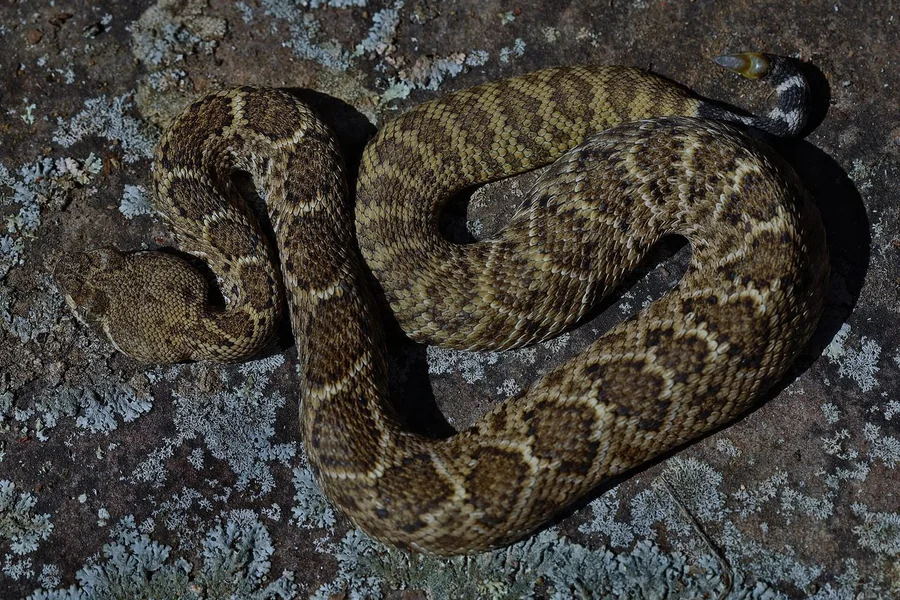
Rattlesnake — rattle and pit viper pattern
AI-generated educational wildlife portrait — World Animal Rescue Network
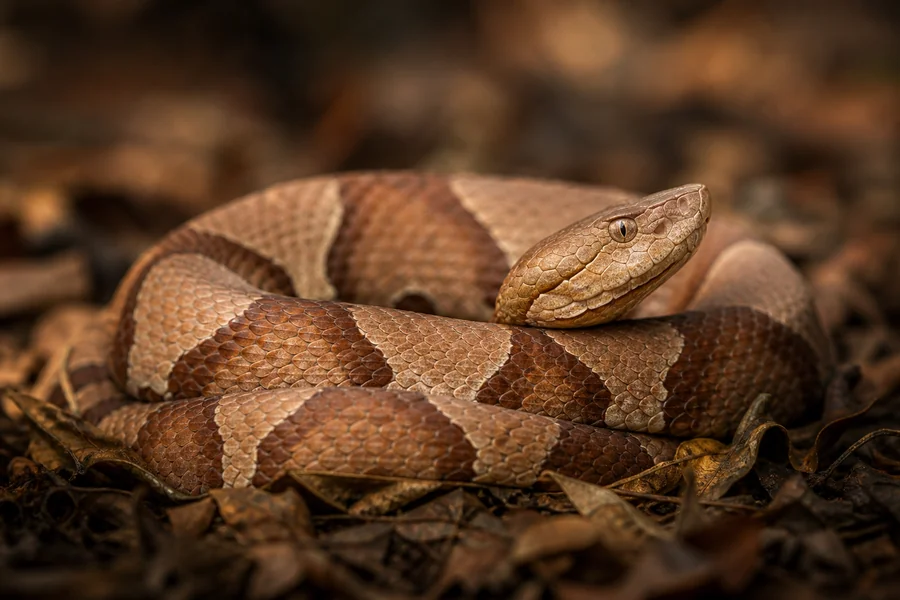
Copperhead — hourglass bands, copper tones
AI-generated educational wildlife portrait — World Animal Rescue Network
Rattlesnake vs Copperhead: At a Glance
| Feature | Rattlesnake | Copperhead |
|---|---|---|
| Rattle | Present (keratin segments) | Absent |
| Pattern | Varies by species; often blotched | Chestnut hourglass bands |
| Genus (typical) | Crotalus / Sistrurus | Agkistrodon |
| Heat pits | Present | Present |
| Typical adult length | Often 90–150 cm (species-dependent) | Often 60–90 cm |
| Warning sound | Rattle buzz when vibrated | No rattle; may vibrate tail in leaves |
| Camouflage | Rock, prairie or woodland patterns | Leaf-litter specialist look |
| Venom medical note | Often more serious on average | Often less severe on average; still urgent |
| Range | Wide in the Americas | Eastern and central North America |
| Pupil | Vertical in typical light | Vertical in typical light |
Size and physical differences
Many adult timber or western rattlesnakes reach about 90–150 cm; copperheads are usually smaller, often around 60–90 cm.
Rattlesnake versus copperhead is a North American pit viper comparison driven by backyard sightings. Both belong to the crotaline group with heat-sensing pits between eye and nostril. Rattlesnakes (genera such as Crotalus and Sistrurus) advertise with a rattle assembled from retained scale segments. The copperhead (Agkistrodon contortrix) is a different genus: quieter, patterned for leaf-litter camouflage, and frequently involved in bites because people step near it without noticing.
Pattern and tail tip are the field keys. Hourglass crossbands that are wider on the sides point toward copperhead. A true rattle — not just a pointed tail — points toward rattlesnake. Young cottonmouths confuse beginners in some regions; local field guides matter.
This comparison sticks to marks you can use without laboratory gear: size, shape, behaviour and the words people actually type into a search box. Scientific names are given where they prevent a regional mix-up. Where published measurements disagree, this page gives the range rather than a single tidy figure that implies more certainty than the sources support.
The rattle is decisive when visible
A rattlesnake’s rattle is a stack of hollow keratin segments. When the tail vibrates, the segments knock together and buzz. Copperheads have no such instrument. They may still vibrate the tail among dry leaves, which can sound faintly similar at a distance and fool people. Look for the structured button-and-segment rattle, not sound alone. Young rattlesnakes may have only a button, so pattern and head shape still matter. Never approach to count segments. Field observers should combine silhouette, behaviour and habitat before naming what they see. Where published measurements disagree, this page gives the range rather than a single tidy figure. Treat a single trait as supporting evidence rather than a complete identification. Local field guides remain the final check when similar species share a landscape.
Copperhead hourglass bands
Copperheads show distinctive crossbands that typically narrow over the spine and widen on the sides — an hourglass or dumbbell silhouette in dorsal view. Ground colour is often tan to pinkish brown, matching fallen leaves. Rattlesnake patterns vary widely by species and can include diamonds, blotches or bands, but they do not match the classic copperhead hourglass when you know the local look. Regional photo guides outperform memory of a single zoo specimen. Field observers should combine silhouette, behaviour and habitat before naming what they see. Where published measurements disagree, this page gives the range rather than a single tidy figure. Treat a single trait as supporting evidence rather than a complete identification. Local field guides remain the final check when similar species share a landscape.
Medical seriousness without panic theatre
Copperhead bites are numerous in parts of the eastern United States partly because the snake is common and well camouflaged near people. Many copperhead envenomations are less destructive than those of large rattlesnakes, yet "less severe on average" is not the same as harmless. Rattlesnake bites more often involve higher venom yields and more serious systemic effects, depending on species. Any pit viper bite is a medical emergency. This page is not first-aid advice beyond that statement. Field observers should combine silhouette, behaviour and habitat before naming what they see. Where published measurements disagree, this page gives the range rather than a single tidy figure. Treat a single trait as supporting evidence rather than a complete identification. Local field guides remain the final check when similar species share a landscape.
Shared pit viper toolkit
Both snakes have heat pits, folding fangs and venom adapted for ectothermic and endothermic prey. Both prefer avoidance over confrontation when given space. The comparison is useful because hikers want a quick sort after a trail glimpse, not because the animals are opposites. Cottonmouths (water moccasins) are closer relatives of copperheads than rattlesnakes are, which is why water-edge snakes need a three-way check in the southeast. Field observers should combine silhouette, behaviour and habitat before naming what they see. Where published measurements disagree, this page gives the range rather than a single tidy figure. Treat a single trait as supporting evidence rather than a complete identification. Local field guides remain the final check when similar species share a landscape. When evidence is thin, prefer a broader label over a false precise name.
Why the comparison matters
Misidentification changes how people describe bites to clinicians and how communities set education priorities. It also fuels unnecessary killing of non-rattlesnakes that share the same leaf litter. Accurate names keep advice attached to the animal present. WARN publishes these comparisons so high-intent questions get a sourced answer instead of an unsourced listicle. Field observers should combine silhouette, behaviour and habitat before naming what they see. Where published measurements disagree, this page gives the range rather than a single tidy figure. Treat a single trait as supporting evidence rather than a complete identification. Local field guides remain the final check when similar species share a landscape. When evidence is thin, prefer a broader label over a false precise name. Field observers should combine silhouette, behaviour and habitat before naming what they see. Where published measurements disagree, this page gives the range rather than a single tidy figure.
Did you know?
A rattlesnake adds a rattle segment each time it sheds — but segments wear and break, so you cannot read age as a simple segment count.
Rattlesnake vs Copperhead: FAQs
What is the difference between a rattlesnake and a copperhead?
Is a copperhead a rattlesnake?
Which bite is worse?
Do copperheads rattle their tails?
Are baby rattlesnakes more dangerous?
Where do copperheads live?
Help protect animals
Learning about animals can help more people understand their needs. WARN raises funds for eligible animal-welfare organisations. Read the relevant appeal’s purpose, recipient status and fund terms, or share this free guide to raise awareness.