Animal Comparison
Salamander vs Lizard
Salamanders are moist-skinned amphibians; lizards are scaly reptiles. Eggs, skin and life cycles separate them cleanly.
By WARN Research & Conservation TeamLast updated
In brief — Salamander vs Lizard
Salamanders are moist-skinned amphibians; lizards are scaly reptiles — lookalikes, not close equivalents.
Salamanders are amphibians with moist, usually scale-less skin and a life cycle often tied to water or damp cover. Lizards are reptiles with dry, scaly skin and amniote eggs that do not need standing water. Similar four-legged shapes hide different classes of vertebrate.
See the difference
Images are shown at different scales. Read each caption for the species, source and context.
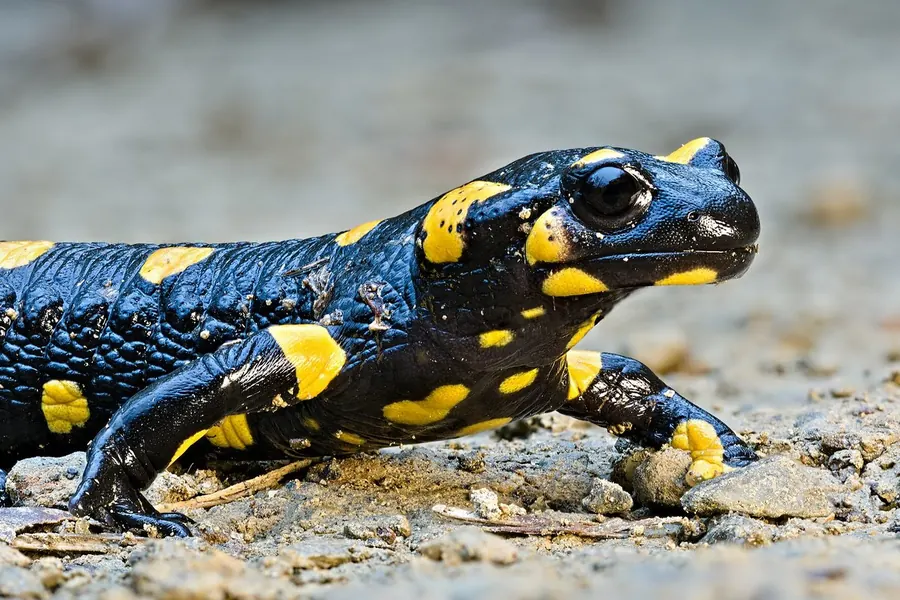
Salamander — moist skin, amphibian limbs
AI-generated educational wildlife portrait — World Animal Rescue Network
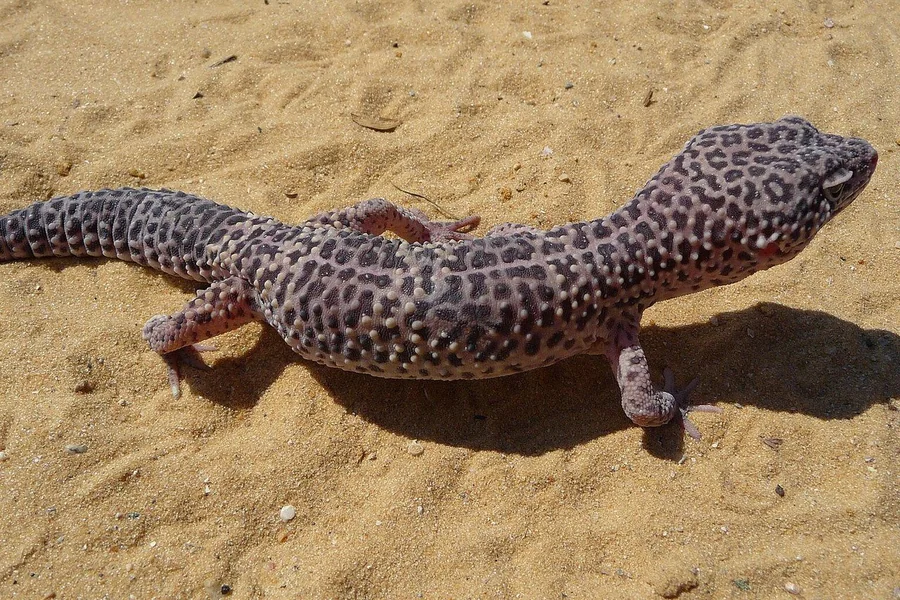
Lizard — dry scales, clawed toes
AI-generated educational wildlife portrait — World Animal Rescue Network
Salamander vs Lizard: At a Glance
| Feature | Salamander | Lizard |
|---|---|---|
| Class | Amphibian | Reptile |
| Skin | Moist, glandular; usually no scales | Dry, keratin scales |
| Eggs | Often jelly-coated; need moisture | Amniotic shelled eggs or live birth |
| Larval stage | Common in many species | No amphibian larva |
| Claws | Usually absent | Usually present |
| Eyelids | Present in many | Present in many; some specialised |
| Habitat moisture | Tied to dampness or water | Many tolerate dry habitats |
| Toxicity stereotype | Some skin toxins | Some venomous lineages (rare) |
| Tail autonomy | Some can shed tails | Many can shed tails |
| Metamorphosis | Often present | Direct development |
Size and physical differences
Most familiar lizards and salamanders overlap from a few centimetres to about 30 cm; giant salamanders can exceed 1 m, larger than most lizards people meet.
Salamander versus lizard is a lookalike trap for anyone who sorts animals by leg count alone. Both can be elongated, four-limbed and tailed, and some salamanders even lose obvious metamorphosis cues. Biologically they sit in different classes. Salamanders are amphibians (order Caudata). Lizards are reptiles within Squamata, alongside snakes.
Touch and skin are the everyday giveaways when safe and legal to observe: salamander skin looks and feels moist or glandular; lizard skin is dry and scaly. Eggs and larvae seal the case — many salamanders lay eggs in water or damp sites and may have aquatic larvae, while lizards lay shelled eggs on land or bear live young without a tadpole stage.
This comparison sticks to marks you can use without laboratory gear: size, shape, behaviour and the words people actually type into a search box. Scientific names are given where they prevent a regional mix-up. Where published measurements disagree, this page gives the range rather than a single tidy figure that implies more certainty than the sources support.
Skin decides the first glance
If the animal's skin looks wet, shiny or finely porous without overlapping scales, think salamander. If it is clearly tiled with scales, think lizard. That rule fails mainly when people judge from a poor photo in leaf litter. Newts are salamanders; their breeding-season skins can look especially aquatic. Desert lizards can look almost dusty. Do not handle wild amphibians with dry hands or sunscreen residue — their skin is permeable. Observation without contact is enough for this comparison. Field observers should combine silhouette, behaviour and habitat before naming what they see. Where published measurements disagree, this page gives the range rather than a single tidy figure. Treat a single trait as supporting evidence rather than a complete identification. Local field guides remain the final check when similar species share a landscape.
Life cycle and eggs
Many salamanders begin as aquatic larvae with gills, then move toward a more terrestrial adult form, though some species remain aquatic and some skip a free-living larva. Lizards never pass through a tadpole-like stage. Their eggs are amniotic — structured for development on land — or they give birth to live young. Finding jelly egg masses in a pond points toward amphibians, not lizards. Finding parchment-shelled eggs in a warm nest burrow points toward reptiles. The life-cycle contrast is why biologists refuse to treat the two as interchangeable garden "lizards". Field observers should combine silhouette, behaviour and habitat before naming what they see. Where published measurements disagree, this page gives the range rather than a single tidy figure. Treat a single trait as supporting evidence rather than a complete identification.
Why the shapes converged
A long body, four legs and a tail is a workable template for hunting insects among rocks and logs. Evolution reused that template in amphibians and reptiles separately. Some limbless lizards complicate the picture by looking like snakes; some salamanders have reduced limbs. Convergence explains the search query; it does not make the animals the same. When in doubt, ask whether the species needs damp cover to keep the skin working, or whether it basks to raise body temperature like a typical diurnal lizard. Field observers should combine silhouette, behaviour and habitat before naming what they see. Where published measurements disagree, this page gives the range rather than a single tidy figure. Treat a single trait as supporting evidence rather than a complete identification.
Toxicity and myths
Some salamanders secrete toxins from skin glands as a defence; bright colours can advertise that chemical protection. Most lizards are harmless to people, though a few lineages such as helodermatid lizards are venomous. Folklore that any shiny newt is deadly to touch is overstated, but licking amphibians or allowing pets to mouth them is unwise. Wash hands after any permitted contact. The myth pile around both groups is large; stick to skin type and life cycle for identification. Field observers should combine silhouette, behaviour and habitat before naming what they see. Where published measurements disagree, this page gives the range rather than a single tidy figure. Treat a single trait as supporting evidence rather than a complete identification. Local field guides remain the final check when similar species share a landscape.
Why the comparison matters
Pond management, pet trade advice and school science all fail when an amphibian is treated as a dry-skinned reptile. Salamanders decline when wetlands are drained; many lizards decline when basking sites and insect prey vanish. Accurate names keep advice attached to the animal present. WARN publishes these comparisons so high-intent questions get a sourced answer instead of an unsourced listicle. Field observers should combine silhouette, behaviour and habitat before naming what they see. Where published measurements disagree, this page gives the range rather than a single tidy figure. Treat a single trait as supporting evidence rather than a complete identification. Local field guides remain the final check when similar species share a landscape. When evidence is thin, prefer a broader label over a false precise name.
Did you know?
The largest living amphibians are giant salamanders — animals that can outlength many of the lizards people imagine when they hear the word lizard.
Salamander vs Lizard: FAQs
Is a salamander a lizard?
How can I tell them apart?
Are newts lizards?
Do salamanders have scales?
Which is bigger?
Can lizards live in water like salamanders?
Help protect animals
Learning about animals can help more people understand their needs. WARN raises funds for eligible animal-welfare organisations. Read the relevant appeal’s purpose, recipient status and fund terms, or share this free guide to raise awareness.