"The elephant" is shorthand for three different species — two African and one Asian — with different ranges, different bodies, different ecologies, and very different relationships with humans.
WARN is preparing to operate in Thailand and Cambodia (Asian elephant range) and Kenya and Tanzania (African savanna elephant range). The differences matter for our work.
Quick comparison
- Size. African savanna elephant: 4-7 tonnes. African forest elephant: 2-5 tonnes. Asian elephant: 2.5-5 tonnes.
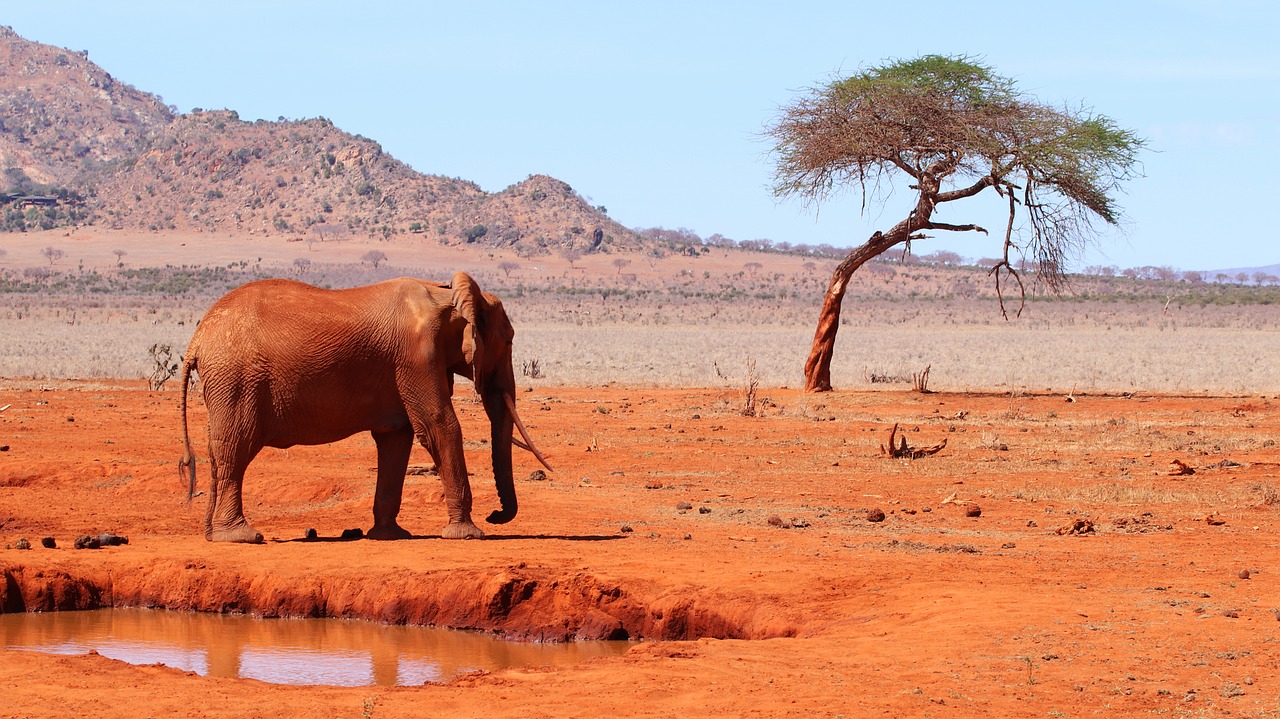
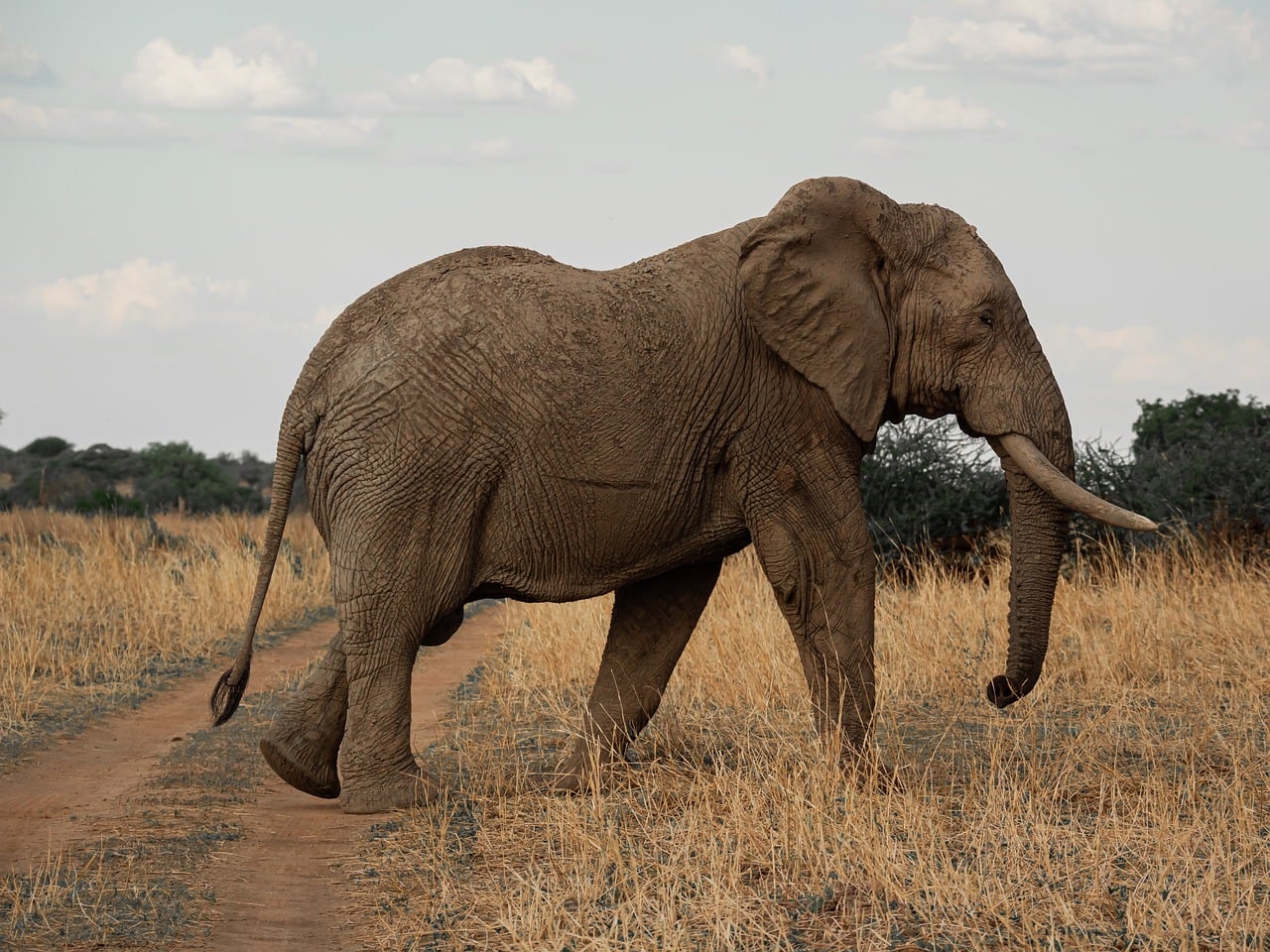
- Ears. African: large, roughly the shape of the African continent. Asian: smaller and rounded.
- Tusks. African: both males and females carry tusks. Asian: only some males have full tusks; females have none or small tushes.
- Forehead. African: flat or slightly sloped. Asian: distinctly domed, with two prominent "bumps".
- Back. African: concave (dips in the middle). Asian: convex or humped.
- Trunk tip. African: two finger-like projections. Asian: one finger-like projection.
- Toenails. African savanna: 4 front / 3 back. Asian: 5 front / 4 back.
Conservation status
- African savanna elephant. Endangered. Estimated 350,000+ wild individuals.
- African forest elephant. Critically Endangered. Estimated 40,000-65,000.
- Asian elephant. Endangered. Estimated 41,000-52,000 wild individuals, plus roughly 15,000-18,000 in captivity.
The captivity difference
The most important practical difference for welfare work: Asian elephants have a 4,000-year history of domestication as working animals — for logging, agriculture, war and ceremony. Roughly a third of all Asian elephants alive today live in captivity, mostly in working camps and tourism. African elephants have never been domesticated at population scale; almost all live wild.
The implication for WARN: our planned Asian elephant work (Thailand, Cambodia as wider range and search context) would focus predominantly on captive-elephant welfare and retirement-sanctuary support, while our planned East Africa elephant work (Kenya, Tanzania) would focus on wild-elephant anti-snaring and anti-poaching support. See our briefings on the Asian elephant and the African elephant for the full picture.
Sources: IUCN Red List, CITES, WOAH captive-elephant welfare guidance, UNEP-WCMC.
We need your support to make this happen
World Animal Rescue Network is at the launch stage of this work. We do not yet have rescue numbers to share — and that is exactly why your support matters now. Every donation helps us put trained teams on the ground, secure veterinary supplies and equipment, and reach the first animals before they are lost.
Donate today to fund our first deployments, or sponsor an animal to back a specific species through rehabilitation. You can also join the network as a volunteer, fundraiser, or monthly supporter.