Borneo is the world's third largest island and one of the most biodiverse places on Earth. It is also one of the most rapidly deforested. The island — shared between Indonesia (Kalimantan), Malaysia (Sabah and Sarawak) and Brunei — has lost more than half of its lowland forest in 40 years, in a scale of destruction with no parallel in the history of documented deforestation.
The scale of Borneo's forest loss
Borneo's forests once covered virtually the entire island — around 74 million hectares. By 2010, satellite analysis showed approximately 30% of total forest cover had been lost since 1973. For lowland forest specifically — the habitat most critical to endemic species like the orangutan — the loss exceeds 50% compared to 1980 levels. Between 2000 and 2019, Indonesia lost more forest than any other country in the world.
The primary driver is oil palm plantation expansion, followed by pulpwood development, illegal logging and infrastructure construction. The numbers are not just environmental statistics — they are the direct cause of the rescue crisis that fills partner animal rehabilitation centres in Kalimantan and Sabah year-round.
Why Borneo's biodiversity is unique
Borneo hosts more species per square kilometre than almost anywhere on Earth. Among its endemic species:
- The Bornean orangutan (Pongo pygmaeus) — found nowhere else on the planet, and listed as Endangered
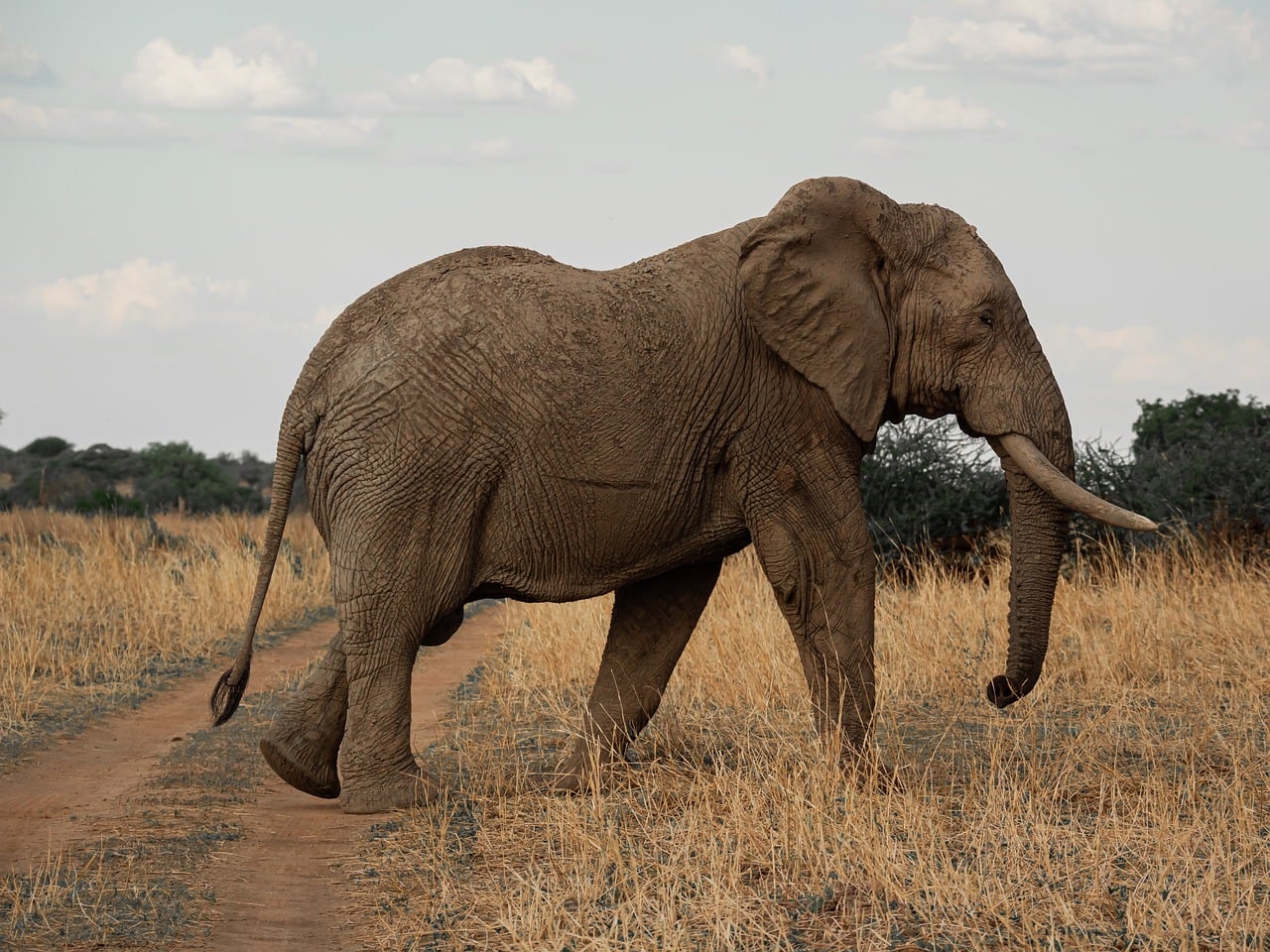
- The Bornean pygmy elephant — the smallest Asian elephant subspecies
- The Bornean slow loris — a venomous primate and one of the most heavily trafficked mammals on the illegal wildlife market
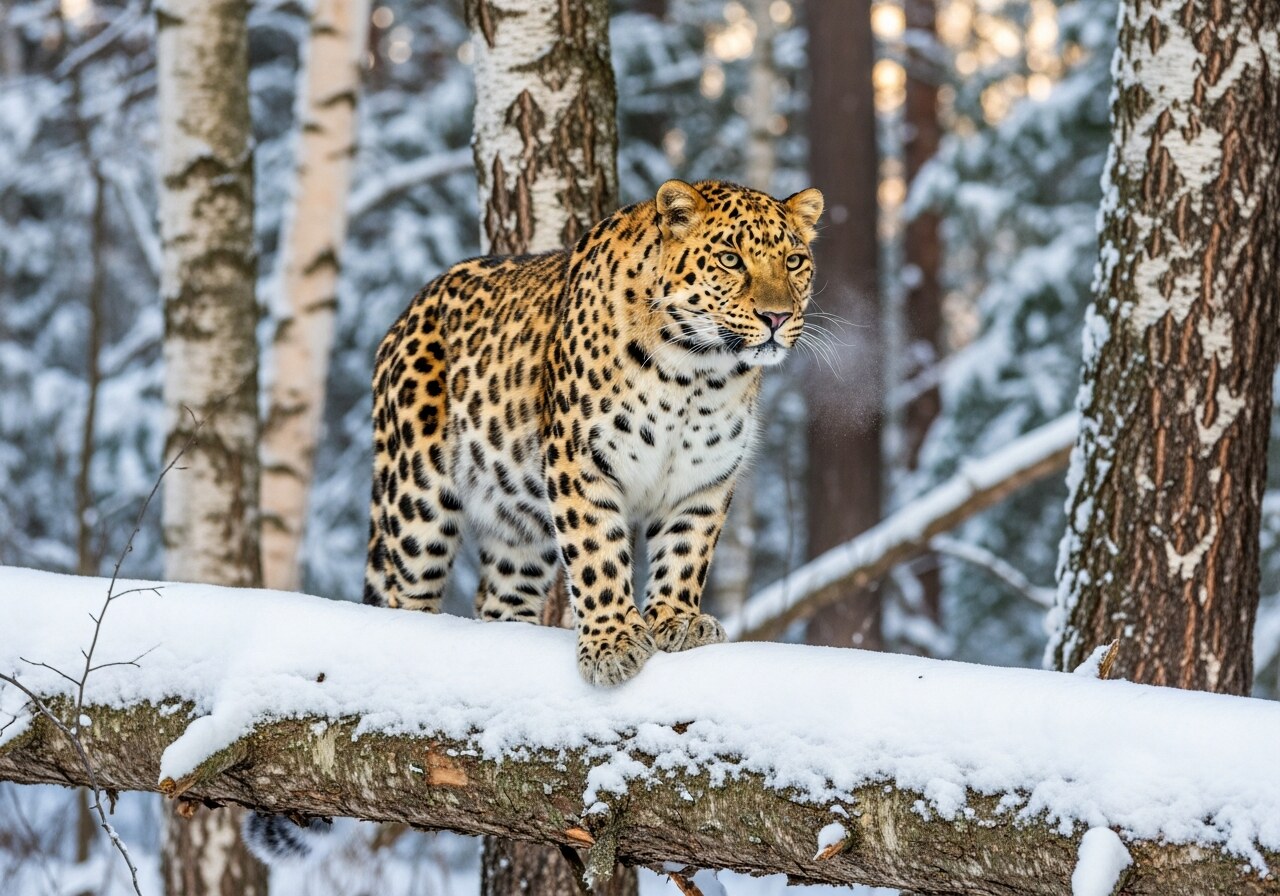
- The Sunda clouded leopard — a canopy-dwelling big cat found only in Borneo and Sumatra
- The proboscis monkey — a Bornean endemic entirely dependent on riverine and coastal forest
These species exist in Borneo and nowhere else. Deforestation is not just reducing their numbers — for some, it is eliminating the only place they have ever existed.
Palm oil: the dominant driver
Palm oil plantations now cover more than 14 million hectares of Indonesia's land area, with a significant proportion in Kalimantan. For wildlife, the conversion of forest to plantation means the loss of canopy cover, food-source diversity, denning and nesting habitat, and the corridors that allow animals to move between remaining forest patches. Animals displaced from cleared forest enter plantations or human settlements, where they face killing, capture or starvation.
The rescue crisis in numbers
Rescue centres in Kalimantan and Sabah report rising intake year-on-year. Every orangutan confiscated from a plantation, every slow loris seized from a trafficker, every pygmy elephant shot in a crop-raiding incident — these are the direct, measurable outputs of habitat loss translating into wildlife welfare crisis. WARN's Indonesia and Malaysia programmes are designed to fund this rescue capacity directly, working through vetted local partner organisations that are already on the ground.
What restoration looks like on the ground
The most effective near-term intervention in Borneo is restoring the habitat corridors that connect remaining forest patches — enabling surviving wildlife populations to move, interbreed and access food. Community-based reforestation in the buffer zones around protected areas can restore functional corridors within a decade when properly managed. This is the work WARN's Restore Natural Habitats appeal funds: planting native species in the right places, protecting restored land from re-clearing, and monitoring corridor use by the animals WARN's partners rescue and release.
Help WARN restore the habitats our rescued animals need
WARN's Restore Natural Habitats appeal funds native tree planting, forest corridor protection and reforestation projects across all ten of our operational countries — giving the animals we rescue somewhere safe to return to after rehabilitation.
Read the appeal or donate today to fund your first trees planted and your first corridor protected. Every pound goes directly to on-the-ground habitat work in Borneo, the Amazon, East Africa or Southeast Asia.