Deforestation kills animals in slow motion. When forests are cleared for agriculture, logging or urban development, the effects on wildlife are immediate, cascading and often irreversible — and they are the direct cause of most of the rescue crises WARN responds to across Asia, Africa and Latin America.
The direct impacts: death, displacement and capture
The most immediate effect of deforestation is outright habitat destruction. Animals living in a section of forest that is cleared face three choices: die, migrate, or adapt. Most cannot adapt quickly enough. Many cannot migrate because surrounding habitat is already degraded or fragmented. The result, for millions of individual animals every year, is death.
In Indonesia and Malaysia — two of WARN's operational countries — orangutans displaced by palm-oil plantation expansion are routinely found starving in cleared land. They are injured by plantation machinery, deliberately killed by workers, or confiscated by wildlife officers. The infants of killed mothers are sold as pets. These are the animals that arrive at WARN's partner rescue centres.
Habitat fragmentation: the hidden long-term killer
Even when deforestation doesn't kill animals outright, it fragments their habitat into isolated patches separated by agriculture, roads and urban development. This is often more damaging in the long run than direct clearance.
- Isolated populations cannot interbreed, leading to inbreeding depression and lower juvenile survival.
- Animals cannot reach seasonal food sources when the landscape between forest patches has been converted.
- Released rescued animals cannot establish territories when corridors are broken — making rescue outcomes unsustainable.
- Disease spreads faster in stressed, crowded populations confined to reduced habitat.
- Human-wildlife conflict increases as animals cross into farmland in search of food, leading to retaliatory killing.
Which animals suffer most?
Forest-dependent specialists suffer most because they cannot easily switch habitats. Among the species WARN works to protect:
- Orangutans are strictly arboreal and cannot easily cross open ground. Fragmentation is catastrophic for them.
- Pangolins need undisturbed forest floor for their insect prey. Deforestation pushes them into cleared areas where traffickers find them easily.
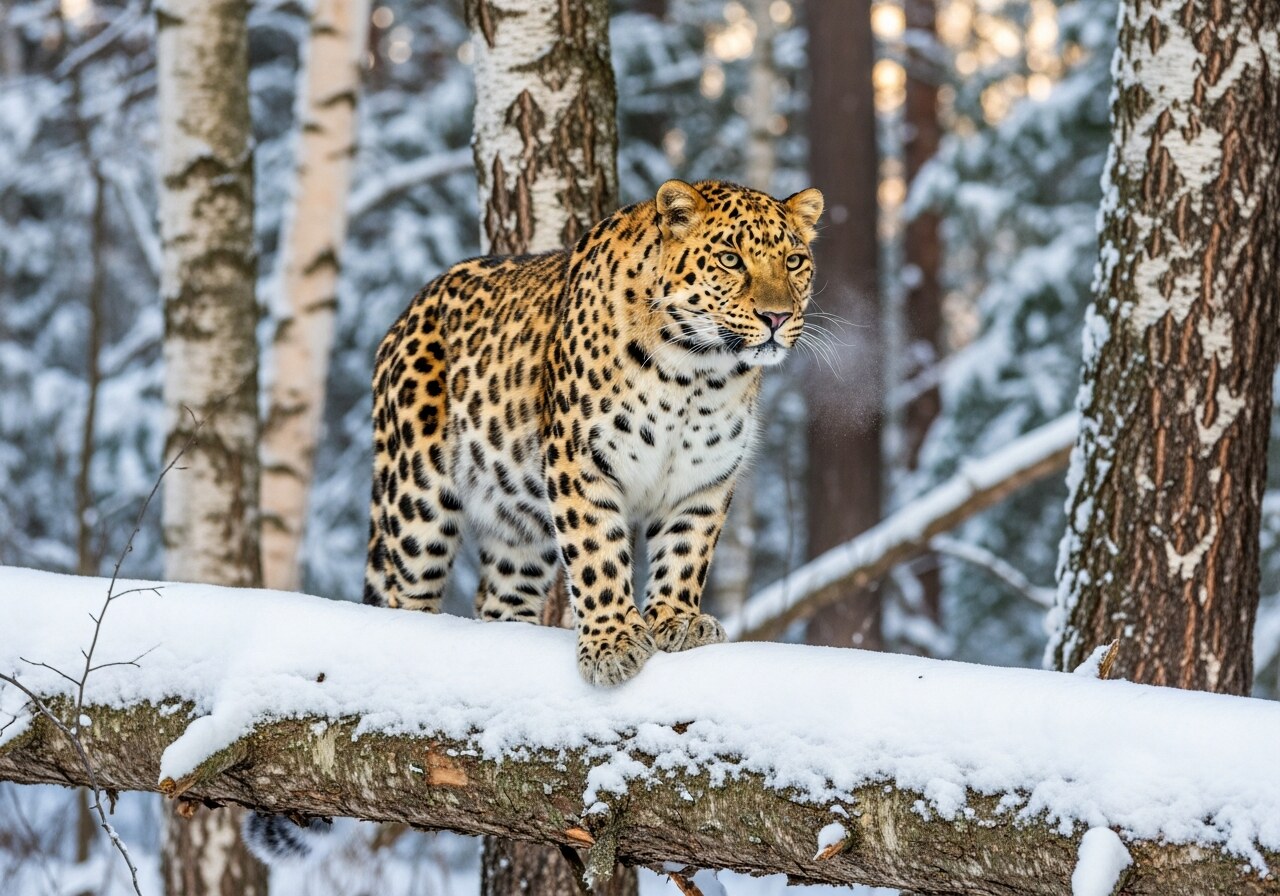
- Indochinese tigers need 60–100 km² of contiguous forest each. Fragmented forests in Vietnam and Cambodia cannot support viable tiger populations.
- Amazon parrots and macaws nest in old-growth tree cavities. When those trees are cleared, nesting sites disappear entirely.
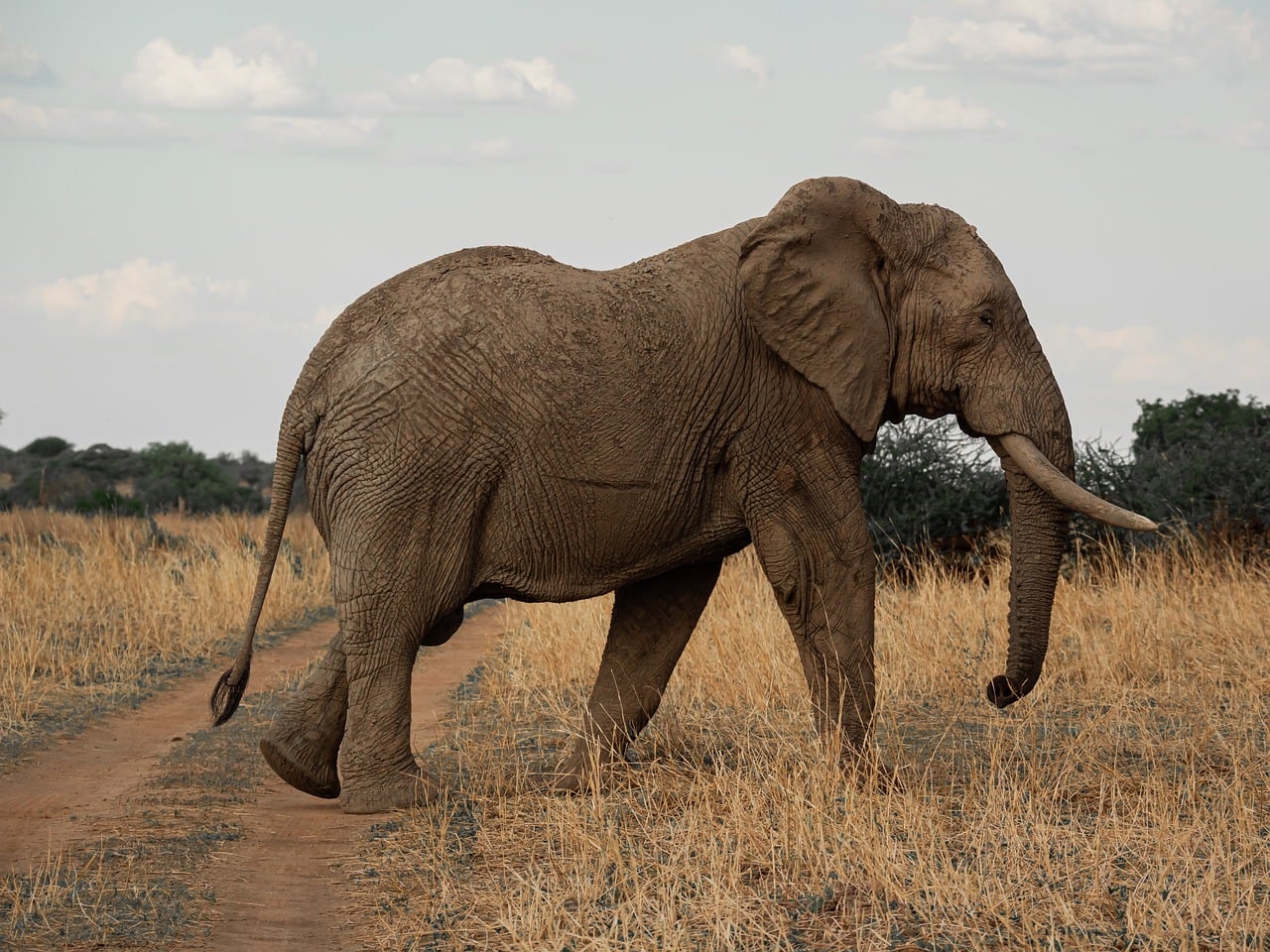
- African elephants require vast landscape-scale ranges. As woodland fragments in Kenya and Tanzania, elephants enter farms and deadly human-wildlife conflict follows.
Deforestation and the wildlife trafficking trade
There is a direct, well-documented link between deforestation and increased trafficking. As forest is cleared and animals are forced into open ground or human-adjacent areas, they become far easier to capture. In Cambodia, snares are concentrated in the last remaining forest patches — exactly where wildlife congregates and traffickers focus their effort. WARN's anti-trafficking work in Cambodia, Indonesia and Kenya exists because deforestation has made wild animals dangerously accessible.
Rescue is not enough
WARN's animal rescue and anti-trafficking programmes treat the immediate crisis. But they cannot work sustainably if the habitat those animals need for release is gone. This is why WARN adopted a third charitable object specifically covering habitat protection and restoration, and why the Restore Natural Habitats appeal funds tree planting, corridor restoration and community forestry in all ten operational countries.
Help WARN restore the habitats our rescued animals need
WARN's Restore Natural Habitats appeal funds native tree planting, forest corridor protection and reforestation projects across all ten of our operational countries — giving the animals we rescue somewhere safe to return to after rehabilitation.
Read the appeal or donate today to fund your first trees planted and your first corridor protected. Every pound goes directly to on-the-ground habitat work in Borneo, the Amazon, East Africa or Southeast Asia.