Habitat loss is the single largest driver of wildlife decline and extinction globally. More species face elevated risk because of habitat loss than because of hunting, pollution, invasive species and climate change combined — and the rate of loss is accelerating, not slowing.
What is habitat loss?
Habitat loss occurs when natural environments that animals depend on — forests, wetlands, grasslands, savannahs, coral reefs — are destroyed, degraded or fragmented by human activity or environmental change, making them unable to support the species that once lived there. It takes three main forms:
- Habitat destruction — outright clearance, such as forest conversion to farmland or peatland drainage for plantation development.
- Habitat degradation — partial damage that reduces habitat quality, such as selective logging, pollution or invasive species introduction, leaving a reduced or lower-quality version of the original ecosystem.
- Habitat fragmentation — breaking continuous habitat into isolated patches, often more damaging long-term than either destruction or degradation because it cuts populations off from each other, preventing genetic exchange and seasonal migration.
The scale of the crisis
The numbers are well documented and alarming. The world loses 10 million hectares of forest every year, according to the UN Food and Agriculture Organisation. That is an area roughly the size of Iceland disappearing from the map annually. Globally, an estimated 75% of the land surface has been significantly altered by human activity. The IUCN lists habitat loss as the leading threat for the majority of Critically Endangered species on its Red List.
The five main causes
- Agricultural expansion — the single dominant cause globally. Cattle ranching in the Amazon, oil palm in Borneo, soybean cultivation in the Cerrado, charcoal agriculture in East Africa. Food systems are the primary engine of habitat loss.
- Commercial logging — both legal and illegal timber extraction removes individual old trees, fragments forest structure and opens roads that become corridors for further encroachment.
- Infrastructure development — roads, dams, mines and urban growth directly destroy habitat and create linear barriers that fragment populations.
- Urban and suburban growth — expanding cities consume habitat at the edges and generate secondary impacts through pollution and increased human-wildlife interface.
- Climate-driven habitat shifts — as temperatures rise and rainfall patterns change, some habitats become climatically unsuitable for the species they supported. Coral bleaching is the most dramatic example; glacier retreat is destroying the freshwater habitats of mountain species.
How habitat loss drives wildlife into rescue centres
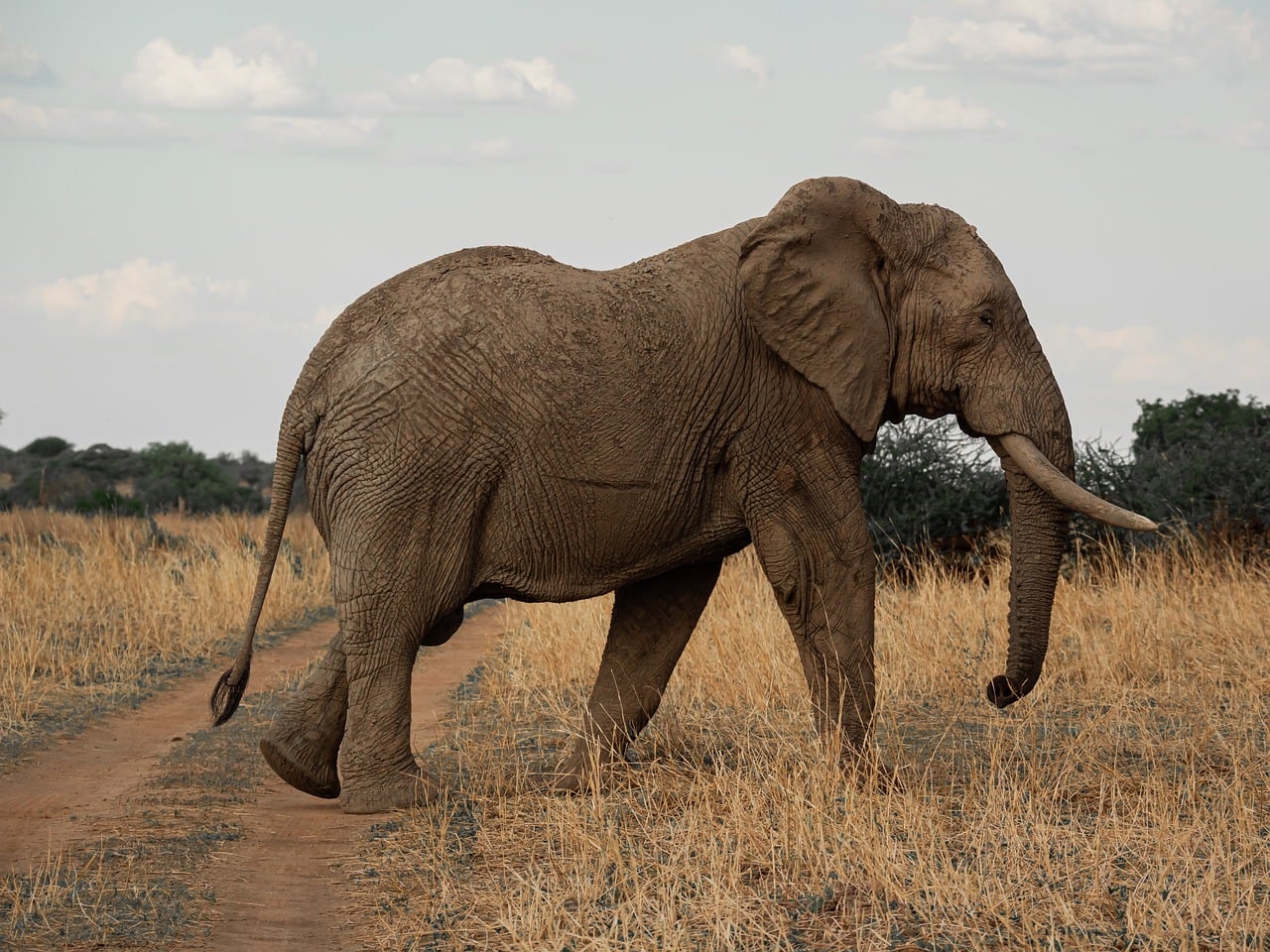
In every one of WARN's ten operational countries, habitat loss is the underlying driver of animal welfare crises. In Kenya and Tanzania, savannah fragmentation drives elephants and lions into farm land — and retaliatory killing follows. In Indonesia and Malaysia, Bornean orangutans displaced by plantation expansion arrive at rescue centres underweight, injured or orphaned. In Colombia and Peru, parrots and Andean bears displaced from deforested Amazon forest are captured by traffickers. The link between habitat loss and rescue demand is direct and measurable.
Can the damage be reversed?
Yes — but not quickly, cheaply or without sustained effort. Reforestation using native species, active habitat management, community-based protection and long-term monitoring can restore ecosystem function and enable wildlife population recovery. Animals do return to restored corridors. Camera-trap data from reforestation projects consistently records increasing wildlife use within 18–24 months of restoration beginning. But restoration takes decades to complete and requires continuous protection from re-encroachment. WARN's Restore Natural Habitats appeal funds exactly this kind of sustained, community-based habitat work in all ten of our operational countries.
Help WARN restore the habitats our rescued animals need
WARN's Restore Natural Habitats appeal funds native tree planting, forest corridor protection and reforestation projects across all ten of our operational countries — giving the animals we rescue somewhere safe to return to after rehabilitation.
Read the appeal or donate today to fund your first trees planted and your first corridor protected. Every pound goes directly to on-the-ground habitat work in Borneo, the Amazon, East Africa or Southeast Asia.