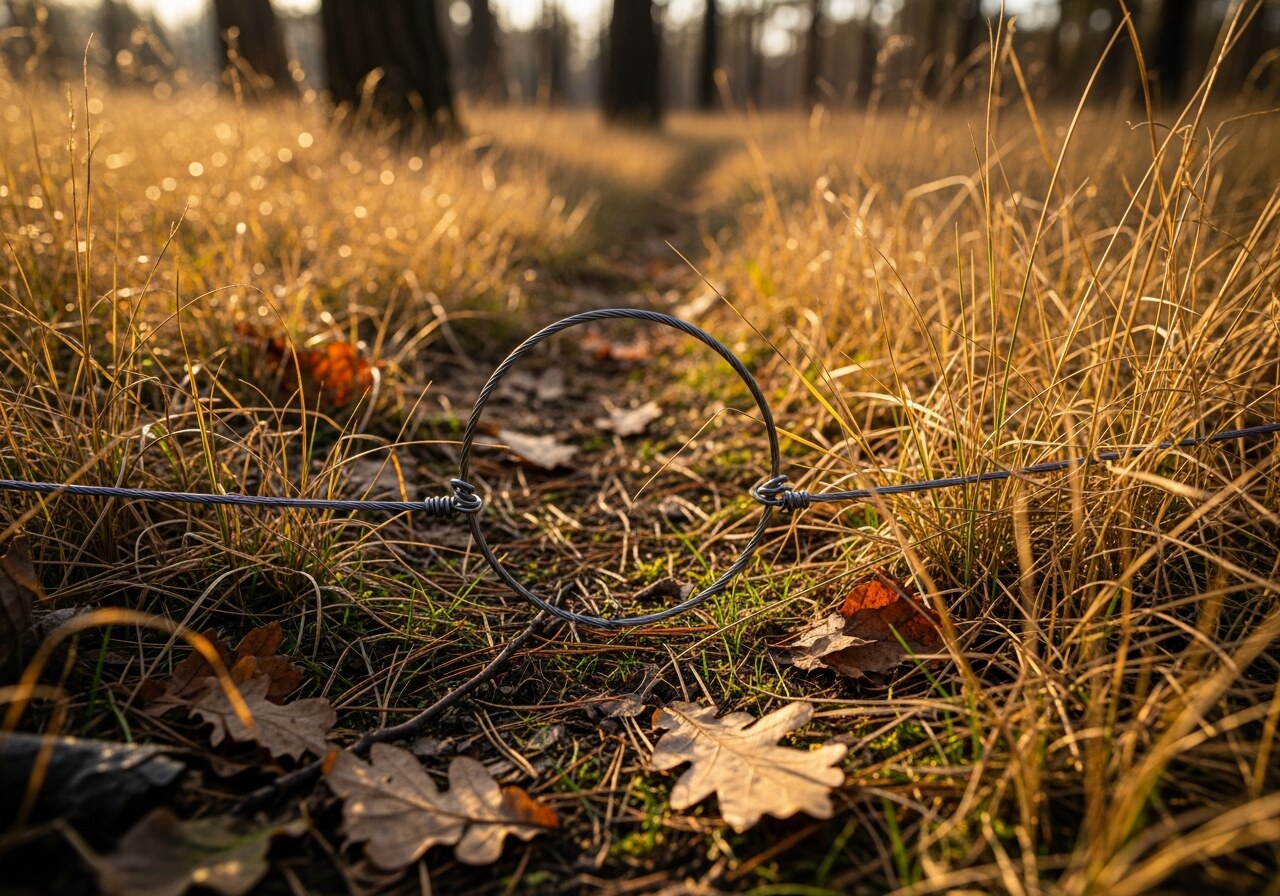
Cambodia faces what biologists now call the "empty forest syndrome": large stretches of mature forest where the trees still stand, but the animals are gone. The primary cause is widespread snaring using cheap motorcycle-cable wire.
The problem
- Researchers estimate that millions of snares have been set across the Lower Mekong region in recent years.
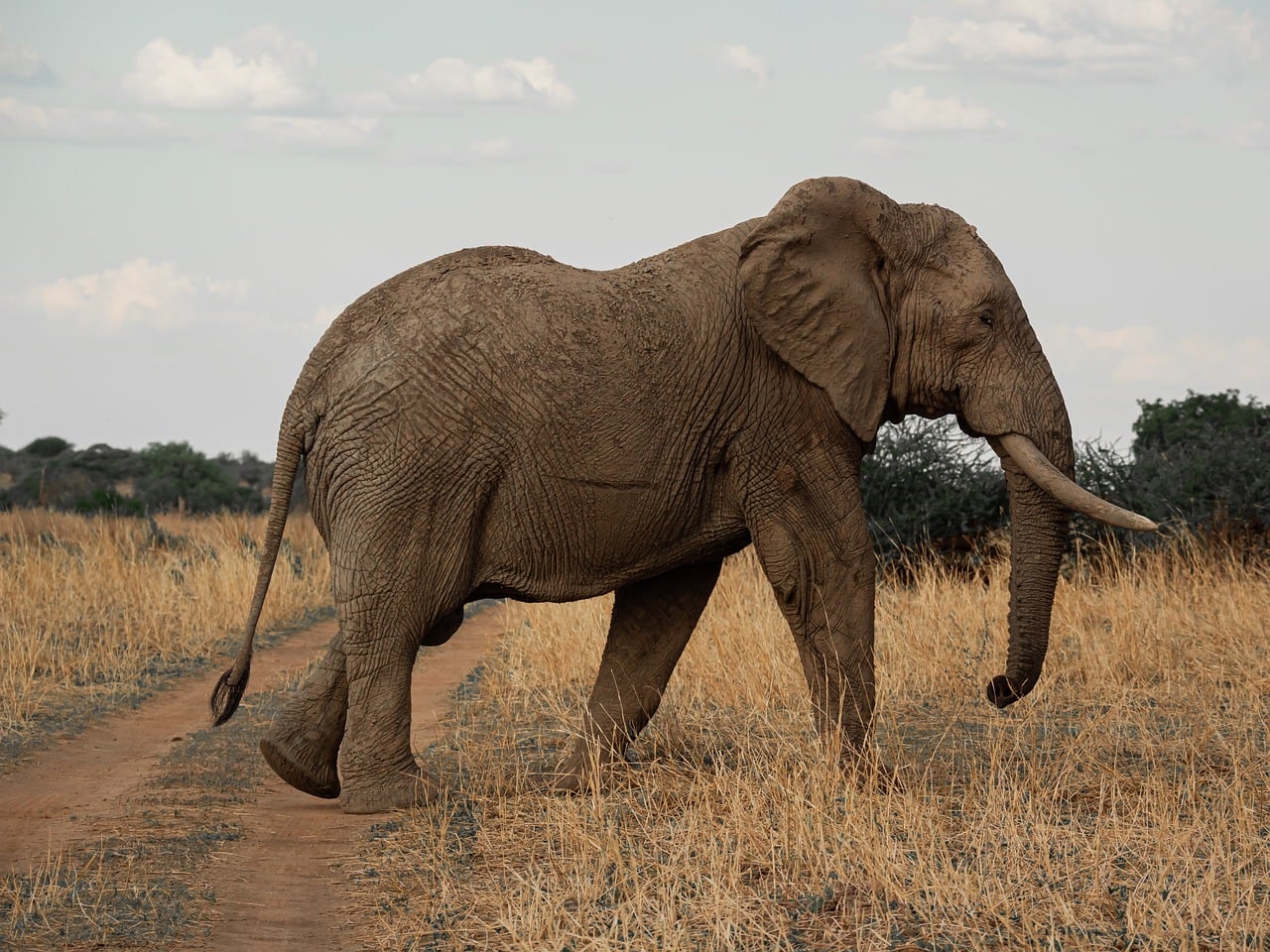
- Snares are indiscriminate — they catch pangolins, sun bears, leopards, elephants, and gaur in equal measure.
- A single snare costs less than US $0.50 to set and can remain functional for years.
- Many trapped animals die slowly from dehydration or wound infection before they are found.
How we tackle it
Snare removal is one of the highest-impact conservation interventions available. It requires trained patrol teams, GPS mapping of snare hotspots, and veterinary triage capacity to treat animals found alive in snares. Where local communities depend on subsistence hunting, alternative-livelihood programmes are equally important — patrolling alone cannot solve the issue.
What WARN is preparing to do
Our Cambodia programme will fund and train de-snaring patrols in priority protected areas, support evidence collection for prosecutions, and provide veterinary triage for animals found alive. We also plan to support community programmes that reduce subsistence-snaring pressure over the long term. We need your help to launch this.
We need your support to make this happen
World Animal Rescue Network is at the launch stage of this work. We do not yet have rescue numbers to share — and that is exactly why your support matters now. Every donation helps us put trained teams on the ground, secure veterinary supplies and equipment, and reach the first animals before they are lost.
Donate today to fund our first deployments, or sponsor an animal to back a specific species through rehabilitation. You can also join the network as a volunteer, fundraiser, or monthly supporter.