Endangered species are animals at high risk of extinction in the wild. The authoritative global definition comes from the International Union for Conservation of Nature (IUCN), which publishes the IUCN Red List of Threatened Species. The Red List uses seven categories of extinction risk, from Least Concern through to Extinct. The two categories most people mean when they say "endangered" are Endangered (EN) and Critically Endangered (CR) — the two highest categories before Extinct in the Wild.
This briefing summarises the endangered species that live in the ten countries World Animal Rescue Network (WARN) is preparing to operate in: Indonesia, Malaysia, Vietnam, Thailand, Cambodia, Pakistan, Colombia, Peru, Kenya and Tanzania. Almost every country on that list holds globally significant endangered animals, and almost every one of them is reachable by the kind of frontline animal rescue, animal shelter and animal sanctuary work that supporter donations can directly fund.
What "endangered" actually means
The IUCN Red List categories, in order of increasing extinction risk, are:
- Least Concern (LC) — widespread and abundant.
- Near Threatened (NT) — close to qualifying as threatened.
- Vulnerable (VU) — high risk of extinction in the wild.
- Endangered (EN) — very high risk of extinction in the wild.
- Critically Endangered (CR) — extremely high risk of extinction in the wild.
- Extinct in the Wild (EW) — only surviving in captivity.
- Extinct (EX) — no surviving individuals.
The other global tool worth knowing about is CITES — the Convention on International Trade in Endangered Species of Wild Fauna and Flora. CITES is a treaty signed by 184 countries that regulates the international trade in more than 40,000 species. Appendix I lists species threatened with extinction whose commercial trade is prohibited; Appendix II lists species whose trade is regulated to prevent over-exploitation.
Endangered species in WARN's Southeast Asian countries
Indonesia and Malaysia
Indonesia and Malaysia together hold a stunning concentration of endangered species:
- Sumatran orangutan — Critically Endangered (IUCN). Fewer than 14,000 estimated to remain in the wild.
- Bornean orangutan — Critically Endangered.
- Tapanuli orangutan — Critically Endangered; only formally described as a species in 2017, the rarest great ape on Earth.
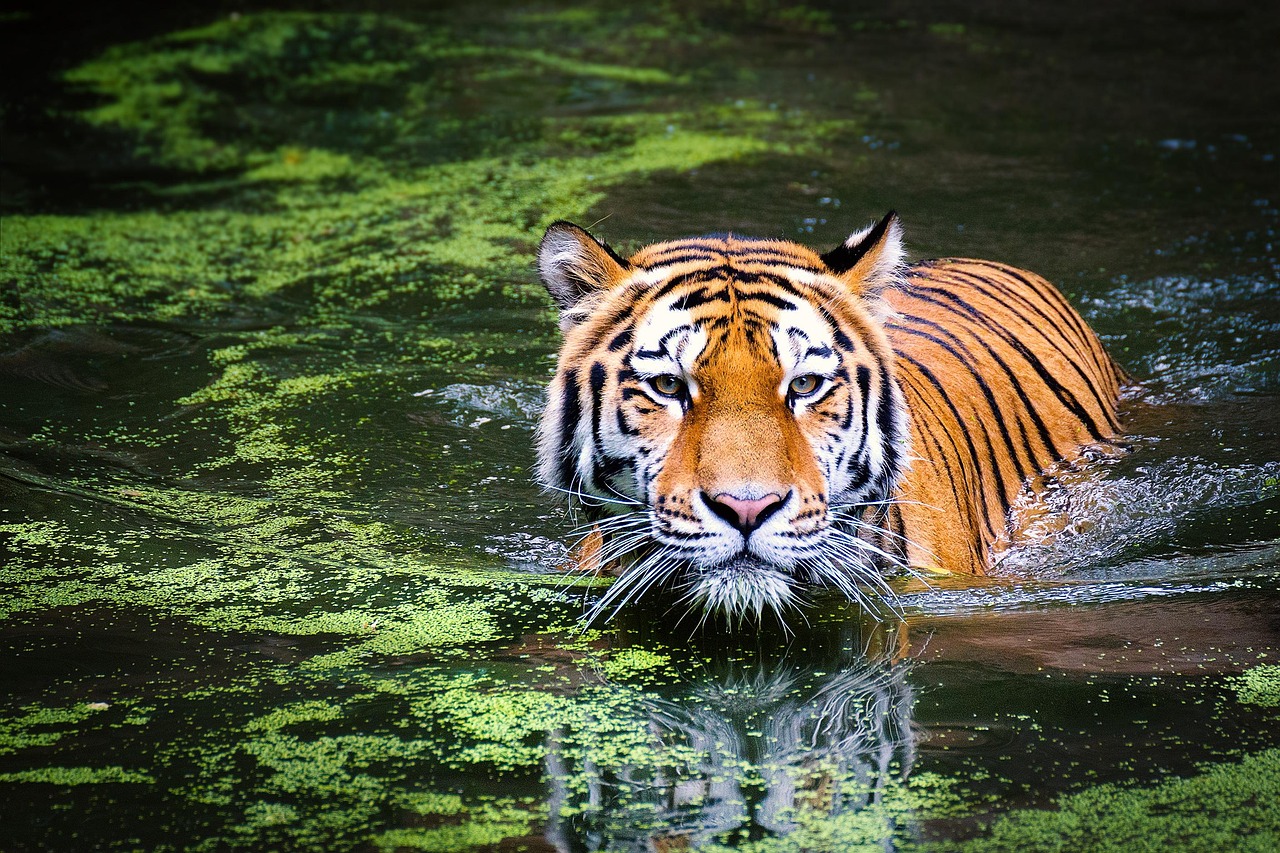
- Sumatran tiger — Critically Endangered.
- Malayan tiger — Critically Endangered.
- Sumatran rhino — Critically Endangered; fewer than 80 estimated to remain.
- Sunda pangolin — Critically Endangered; the most trafficked mammal on the planet.
- Sun bear — Vulnerable; targeted for the bile and pet trades.
- Helmeted hornbill — Critically Endangered, killed for its solid casque ("red ivory").
- Hawksbill turtle — Critically Endangered.
Vietnam, Thailand and Cambodia
- Asian elephant — Endangered. Wild populations in all three countries.
- Indochinese tiger — Endangered; possibly already extinct in Vietnam and Cambodia.
- Saola — Critically Endangered; one of the rarest large mammals on Earth, found only in the Annamite mountains between Vietnam and Laos.
- Pygmy slow loris — Endangered.
- Asiatic black bear (moon bear) — Vulnerable; targeted for bile farming.
- Siamese crocodile — Critically Endangered; tiny wild population in Cambodia.
- Irrawaddy dolphin (Mekong population) — Critically Endangered.
Endangered species in Pakistan
Pakistan is less often mentioned in endangered-species lists but holds globally important populations:
- Snow leopard — Vulnerable; wild population in the northern mountains.
- Indus river dolphin — Endangered; one of the world's few freshwater dolphin species.
- Markhor — Near Threatened; Pakistan's national animal.
- Marine turtles — green turtle (Endangered), olive ridley (Vulnerable), and others nest on Sindh and Balochistan beaches.
- Houbara bustard — Vulnerable; under pressure from falconry trade.
Endangered species in Colombia and Peru
Colombia and Peru sit across the Amazon basin and the tropical Andes — two of the most species-rich regions on Earth:
- Spectacled (Andean) bear — Vulnerable; South America's only bear.
- Jaguar — Near Threatened globally, with declining Amazon populations.
- Pink river dolphin (boto) — Endangered.
- Tucuxi — Endangered.
- Giant otter — Endangered.
- Yellow-eared parrot — Vulnerable.
- Military macaw — Vulnerable.
- Brown-headed spider monkey — Critically Endangered.
- Cotton-top tamarin — Critically Endangered; one of the world's most threatened primates.
- Andean condor — Vulnerable.
Endangered species in Kenya and Tanzania
East Africa is the global poster region for endangered megafauna, but the list is far longer than most supporters realise:
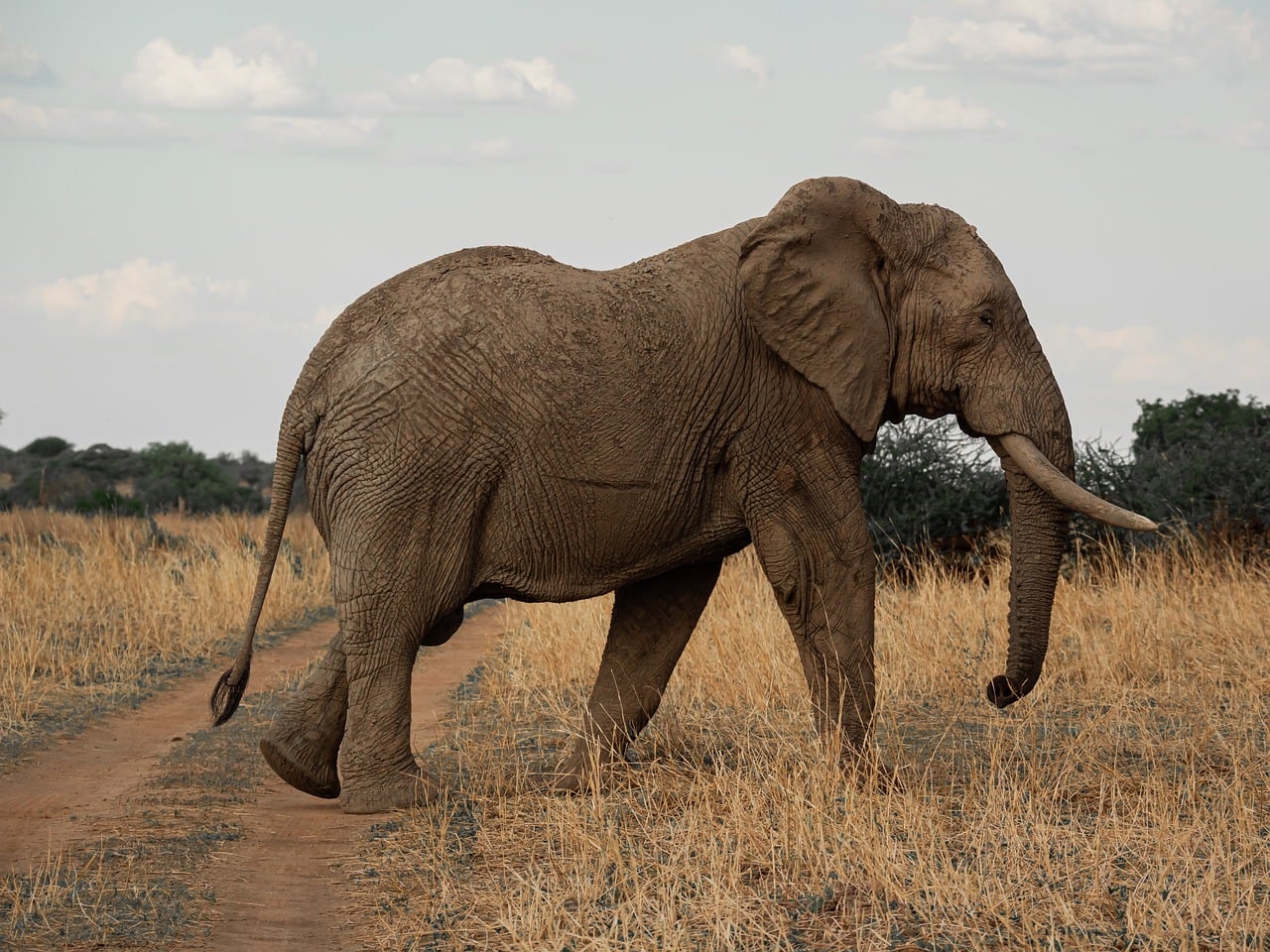
- African elephant (savanna) — Endangered (the African forest elephant is Critically Endangered).
- Black rhino — Critically Endangered.
- Eastern white rhino — functionally extinct in the wild.
- Grevy's zebra — Endangered; mostly restricted to northern Kenya.
- Hirola — Critically Endangered; possibly the most threatened antelope on Earth.
- African wild dog — Endangered.
- Cheetah — Vulnerable, with declining sub-populations.
- Mountain bongo — Critically Endangered.
- African pangolins — multiple species, all Vulnerable to Critically Endangered.
- Marine turtles — green turtle, hawksbill, olive ridley nest on the coast.
What is driving extinctions in WARN countries
The IUCN's analysis of extinction drivers is remarkably consistent across our ten countries. The same five threats appear again and again:
- Habitat loss — deforestation in the Amazon and the Indonesian/Malaysian rainforests, dryland conversion in East Africa, coastal development across Southeast Asia.
- Illegal wildlife trade — pangolins and tigers in Asia; parrots and primates in Latin America; ivory, rhino horn and pangolin scales in East Africa. UNODC's World Wildlife Crime Report is the authoritative global summary.
- Climate change — coral bleaching, glacier loss, drought-driven mortality (see our separate climate briefing).
- Snaring and bycatch — wire snares in Cambodia and Kenya, ghost nets and longlines for marine species.
- Conflict with humans — retaliatory killing of predators like jaguars, lions, leopards and elephants.
What animal rescue work does for endangered species
Animal rescue, animal shelter and animal sanctuary work is not a substitute for habitat protection or law enforcement — but it is an indispensable part of the response. Every confiscated pangolin needs triage. Every orphaned orangutan needs years of rehabilitation. Every snared elephant needs a veterinary team. Every trafficked macaw needs a flight-conditioning aviary. This is where supporter donations actually land:
- Mobile veterinary care for injured and confiscated endangered animals.
- Partner animal shelters in cities and partner sanctuaries in forest and savanna for animals that cannot return to the wild.
- Soft-release programmes for rehabilitated animals where habitat still exists.
- Snare-removal patrols that remove tens of thousands of wire snares from protected areas every year.
- Forensic and seizure support for CITES and UNODC enforcement work.
Where WARN fits in
World Animal Rescue Network is a launch-stage global animal rescue charity preparing to fund frontline rescue, shelter and sanctuary work across all ten of the countries listed above. Our appeals are organised by species and region — orangutans, parrots, Andean bears, working horses, Karachi dogs, Snare-Free Savanna and more — and an unrestricted donation lets our trustees direct funding wherever endangered animals need it most urgently.
Sources
- IUCN Red List of Threatened Species — category definitions and assessments for all species listed above.
- CITES — Appendix I and II listings.
- UNODC — World Wildlife Crime Report.
- WOAH — animal disease surveillance affecting endangered species.
We need your support to make this happen
World Animal Rescue Network is at the launch stage of this work. We do not yet have rescue numbers to share — and that is exactly why your support matters now. Every donation helps us put trained teams on the ground, secure veterinary supplies and equipment, and reach the first animals before they are lost.
Donate today to fund our first deployments, or sponsor an animal to back a specific species through rehabilitation. You can also join the network as a volunteer, fundraiser, or monthly supporter.