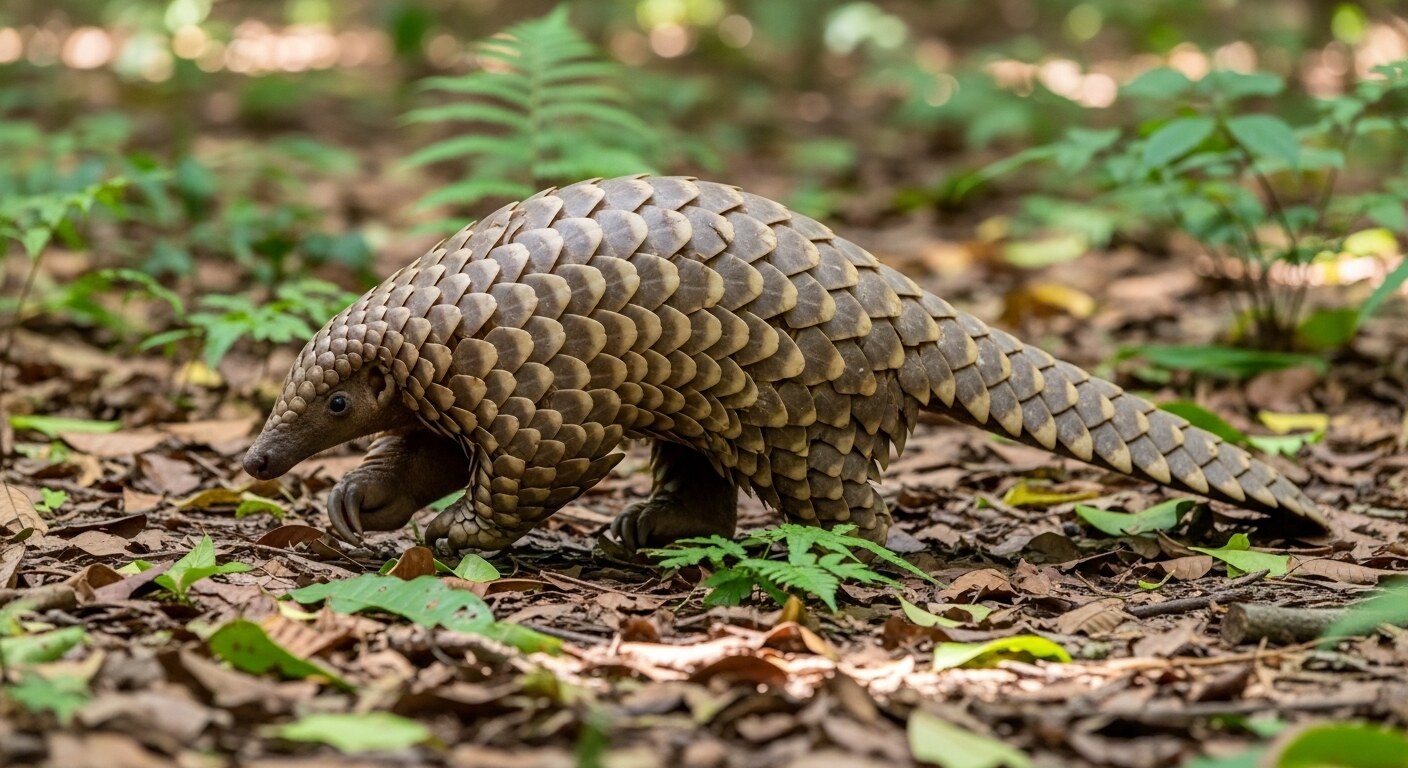
Pangolin rescue has become one of the defining wildlife crises of our time. All eight pangolin species are listed under CITES Appendix I, the strictest international protection available. Yet pangolins remain the most trafficked mammal in the world. Malaysia, as both a transit point and a destination market for the trade, is a critical place to intervene.
The problem
- Hundreds of thousands of pangolins are trafficked each year, primarily for their scales.
- Pangolin scales are made of keratin — the same material as human fingernails — and have no proven medicinal value.
- Pangolins are solitary, nocturnal, and notoriously difficult to keep in captivity. Most seized pangolins die within weeks unless they are handled by experts.
- A single pangolin can consume tens of millions of ants and termites a year, playing a critical role in forest insect regulation.
How rescue works
Pangolin rescue begins with intelligence-led customs interdiction. Once pangolins are confiscated, they need immediate species-specialist veterinary care — most cannot eat anything other than live ants and termites, and many arrive dehydrated and traumatised. Surviving animals are then placed in a soft-release facility within native habitat for a slow return to the wild.
What WARN is preparing to do
Our Malaysia programme will fund customs-detection training at key transit points, equip a pangolin-specific rehabilitation centre with the right diet and quarantine infrastructure, and work with local rescue partners on safe soft-release into protected reserves. We cannot launch this without supporter funding.
We need your support to make this happen
World Animal Rescue Network is at the launch stage of this work. We do not yet have rescue numbers to share — and that is exactly why your support matters now. Every donation helps us put trained teams on the ground, secure veterinary supplies and equipment, and reach the first animals before they are lost.
Donate today to fund our first deployments, or sponsor an animal to back a specific species through rehabilitation. You can also join the network as a volunteer, fundraiser, or monthly supporter.