The Selous–Niassa corridor links Tanzania's vast Selous Game Reserve with the Niassa Reserve across the Mozambique border. Together they form one of the largest contiguous protected ecosystems in Africa — and one of the most heavily affected by bushmeat snaring.
The problem
- The Selous–Niassa corridor covers more than 154,000 km² across two countries.
- Bushmeat snaring is now considered one of the biggest threats to large mammals in this landscape.
- Cross-border smuggling routes complicate enforcement on both sides of the border.
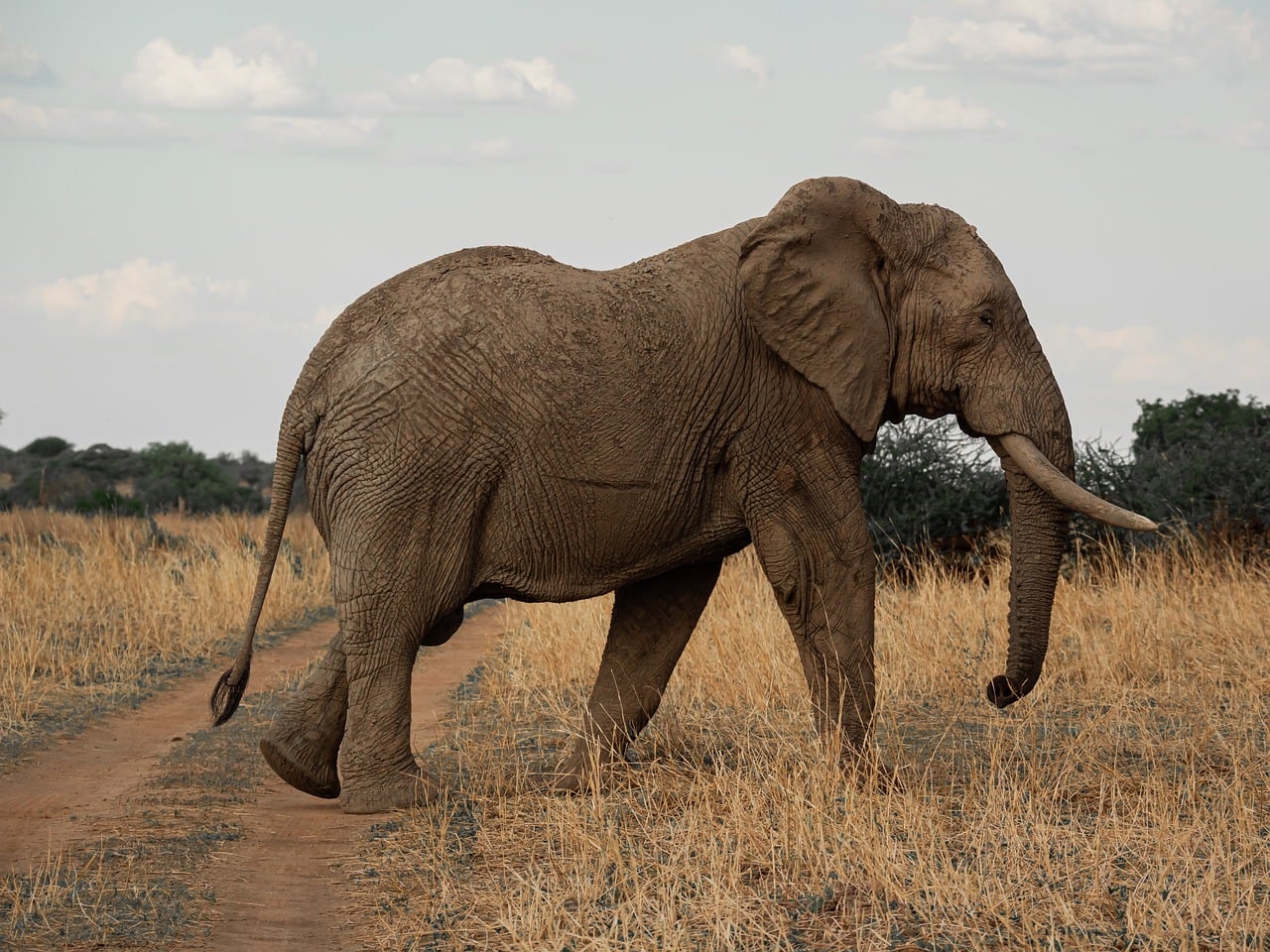
- Lions, elephants, leopards, and wild dogs are all collateral victims of snares set for antelope.
How we tackle it
Effective anti-poaching in this corridor cannot be enforcement-only. It also requires reducing local demand for bushmeat through alternative-protein programmes, supporting ranger services with veterinary backup, and giving villages a direct stake in the wildlife economy around them.
What WARN is preparing to do
Working with local conservation partners, our Tanzania programme is designed to support ranger anti-poaching patrols, community veterinary outreach for villages bordering the reserves, and rapid-response field medicine for any wildlife found alive in snares. We need your support to launch.
We need your support to make this happen
World Animal Rescue Network is at the launch stage of this work. We do not yet have rescue numbers to share — and that is exactly why your support matters now. Every donation helps us put trained teams on the ground, secure veterinary supplies and equipment, and reach the first animals before they are lost.
Donate today to fund our first deployments, or sponsor an animal to back a specific species through rehabilitation. You can also join the network as a volunteer, fundraiser, or monthly supporter.