Southern Vietnamese authorities dismantled an alleged cat-theft ring in June 2026, recovering more than 400 live cats destined for slaughter alongside dozens of dead animals preserved on ice, according to police reports and animal welfare groups.
What happened in the June 2026 raids?
Police described the operation as targeting a "criminal group specialising in stealing and collecting cats". Officers tracked the network after investigating a spate of pet thefts in Ho Chi Minh City, with the breakthrough coming on 11 June 2026.
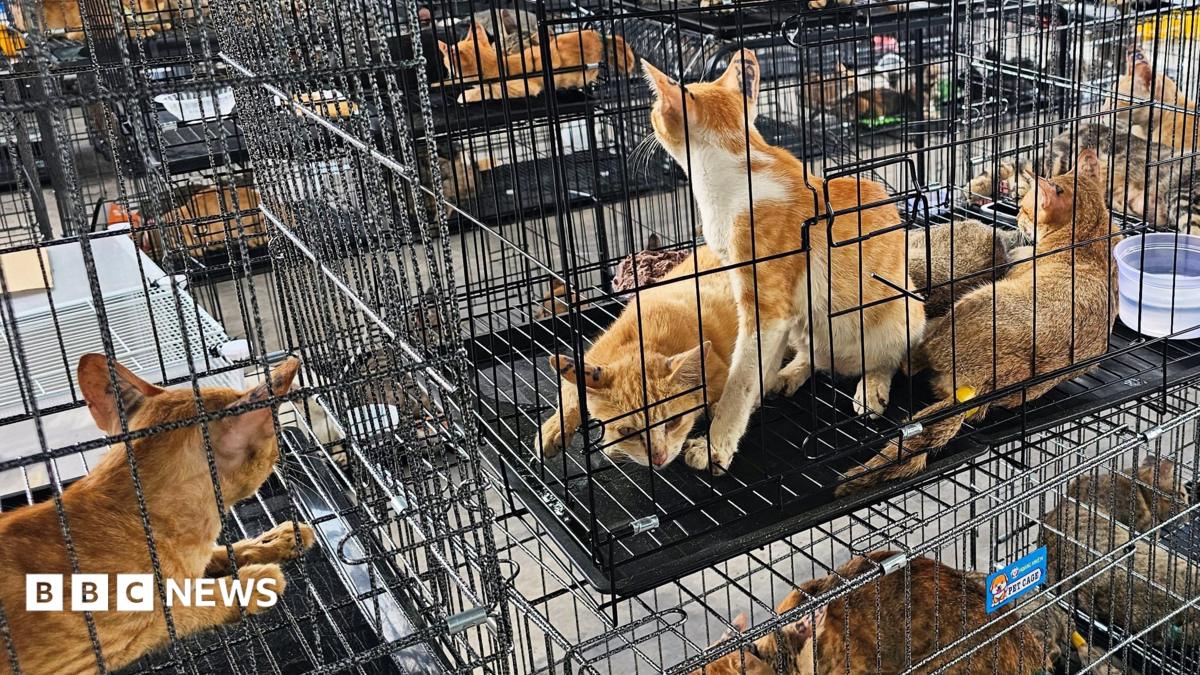
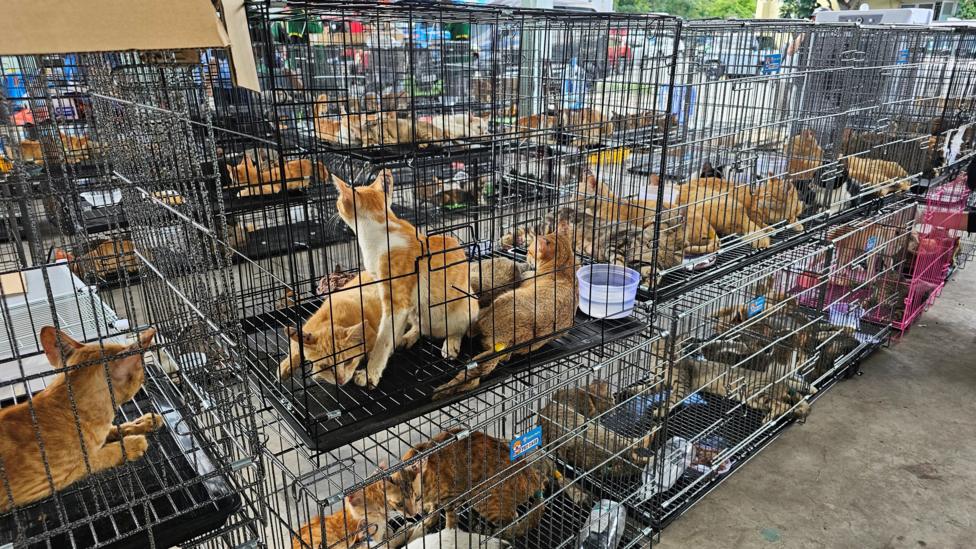
Raids across Tay Ninh Province and Ho Chi Minh City recovered:
- More than 400 live cats
- Around 80 dead cats preserved on ice
- 21 additional cats at a separate facility
Nine people were arrested. Investigators said suspects admitted trapping and collecting cats across southern Vietnam over roughly three years, moving stolen animals to holding sites before selling them to traders in transactions every two to three days.
Timeline: how the case unfolded
- 2023–2026: Investigators allege the group collected stolen cats across southern Vietnam, holding them before sale to meat traders.
- Early June 2026: Ho Chi Minh City police investigate a surge in reported pet cat thefts.
- 11 June 2026: Authorities identify and track the alleged theft ring.
- Mid-June 2026: Coordinated raids in Tay Ninh Province and Ho Chi Minh City recover hundreds of cats.
- 16 June 2026: Humane World for Animals reports 40+ reunions with owners; police urge more pet owners to come forward.
Local authorities took decisive action that saved the lives of so many animals — but a number had later died as a result of their ordeal.
— Humane World for Animals
Stolen pets, not anonymous strays
The most important detail for pet owners internationally is how the supply chain works. Demand for cat meat in Vietnam outstrips available strays in many areas, so collectors target owned cats taken from yards and doorsteps. The reunion of more than 40 cats with their owners after this raid is direct evidence that pet theft feeds the trade.
Welfare investigators have long documented cats being transported in cramped wire crates without food or water, frequently mixed with dogs of unknown vaccination status — creating severe welfare harm and public-health risk in a country where rabies remains endemic.
What happens to rescued cats next?
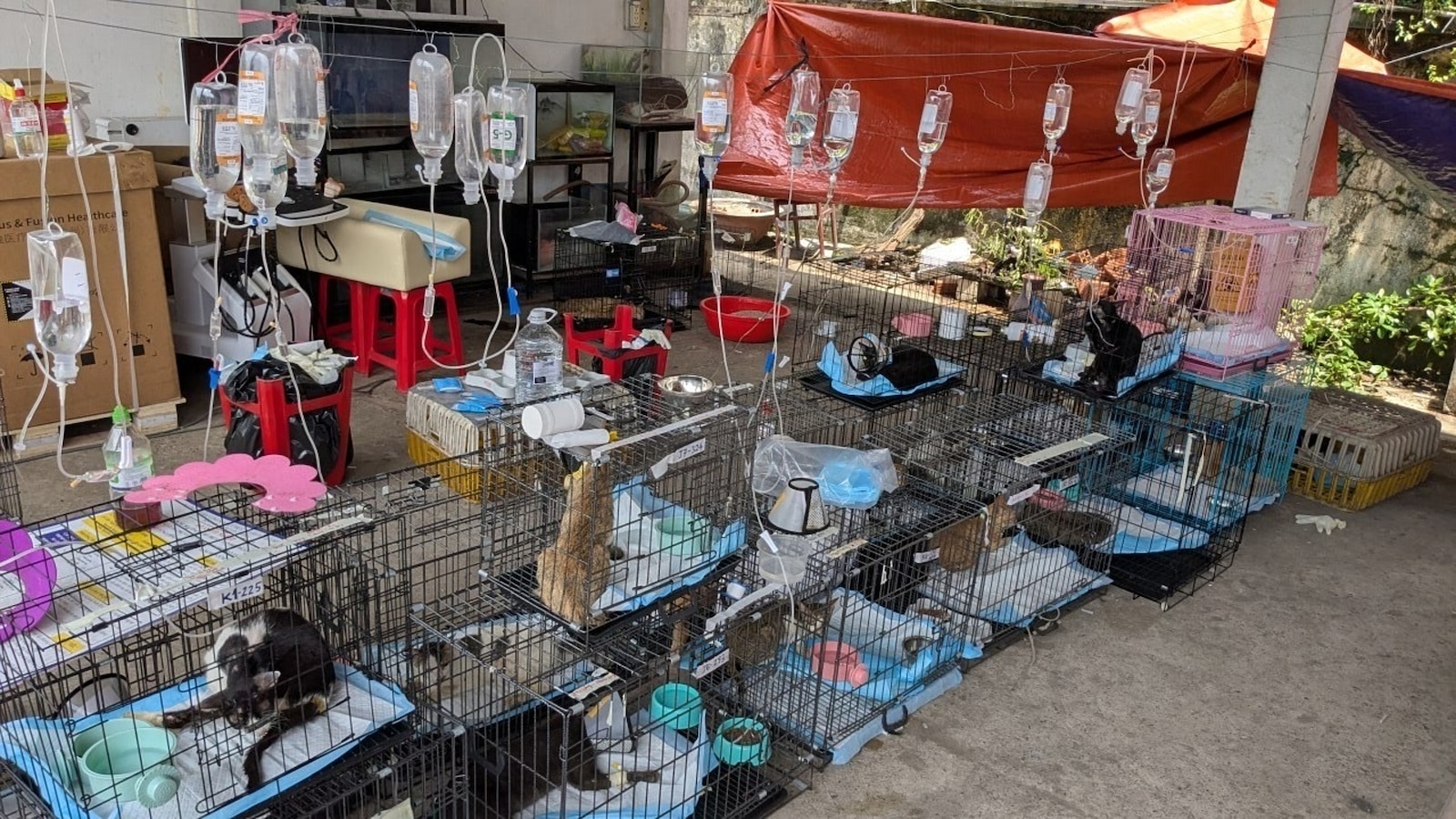
Even when police succeed, the bottleneck moves to quarantine, veterinary triage and shelter placement. Cats held as evidence need daily care. Survivors may require wound treatment, parasite control, vaccination and behaviour support before they can be adopted locally or returned to identified owners.
Humane World for Animals told reporters it was supplying food and other materials for animals still in police custody while the investigation continues. Without funded shelter capacity, welfare groups cannot absorb large seizure numbers — which makes donor support for post-raid care structurally important, not optional.
The wider cat meat trade in Vietnam
This raid does not exist in isolation. Humane World for Animals estimates that around one million cats and five million dogs are captured, stolen, trafficked or slaughtered for meat in Vietnam each year. Cats sold for meat are locally known as tiểu hổ — "little tiger".
Consumption remains legal, but vendors require permits proving animal origin. Stolen pets bypass that traceability entirely. Campaigners cite growing public opposition — particularly among younger urban residents and pet owners — with survey work commissioned by welfare groups finding majorities backing trade bans.
For background, see WARN's briefing on Vietnam's cat meat trade and the cat meat trade rescue guide.
How WARN fits in
WARN is a global not-for-profit animal welfare organisation. Vietnam is wider search and educational context for the dog and cat meat trade on this site — WARN's current in-network focus is Indonesia and Malaysia for partner-led rescue. We report raids like this because accurate, citation-backed news helps donors understand why post-seizure cat rescue capacity matters.
When enforcement succeeds, the limiting factor is often whether local partners have quarantine pens, vaccines and staff to say yes to the next load of survivors. That is what supporter funding is for.
Sources & further reading
- BBC News — Hundreds of cats stolen for food in Vietnam rescued by police (16 Jun 2026)
- WARN briefing — Vietnam's cat meat trade: scale, stolen pets and public health