Guide 1
What the Trade Involves
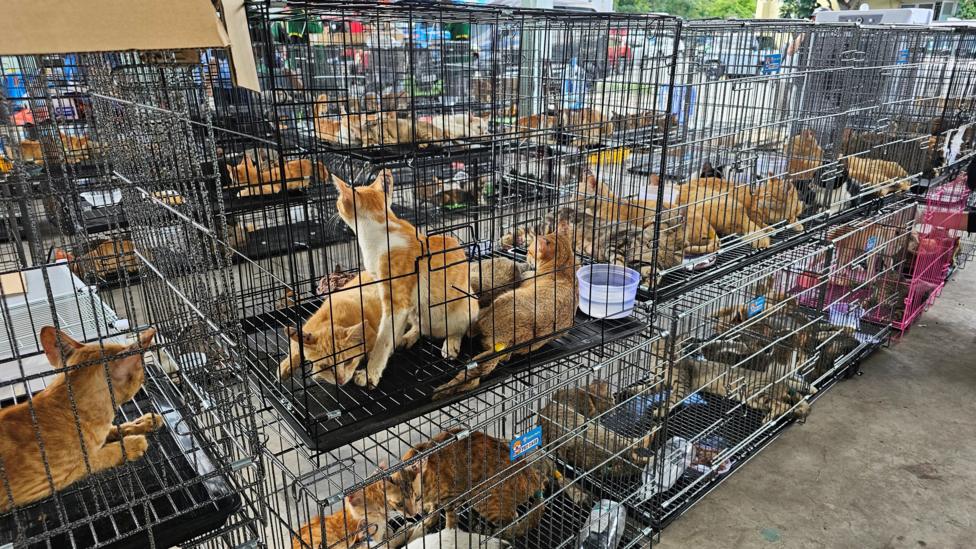
Cats may be stolen, collected from streets or moved through dealers before reaching holding sites and slaughterhouses. The trade creates severe welfare harm through confinement, transport stress, injury, fear and disease risk.
Guide 2
What Happens After Rescue
Cats removed from the trade need quarantine, rabies risk assessment, wound treatment, vaccination, parasite care and behaviour support. Some can be adopted locally; others need longer shelter or sanctuary placement.
Guide 3
Why Donor Support Matters
Rescue operations only work when there is somewhere safe for cats to go after seizure. Funding veterinary care and shelter capacity helps local teams say yes when enforcement or surrender opportunities arise.
Guide 4
The Vietnam Cat Meat Trade
An estimated millions of cats are consumed annually in parts of Vietnam, including stolen pets. Live transport and slaughter conditions breach welfare and public-health standards. Seizure rescue, quarantine and shelter recovery are the immediate welfare gap after police intercepts.
Guide 5
UK Donor Route
Donate at donate or read donate stop dog cat meat trade for the broader meat-trade path. The country guides describe welfare issues and places; they do not establish funded WARN operations.