Appeal · Southeast Asia
How to Help End the Dog and Cat Meat Trade
Dogs and cats taken into the meat trade need safety, care and a lasting response to the trade itself. Help build support for both through this appeal.
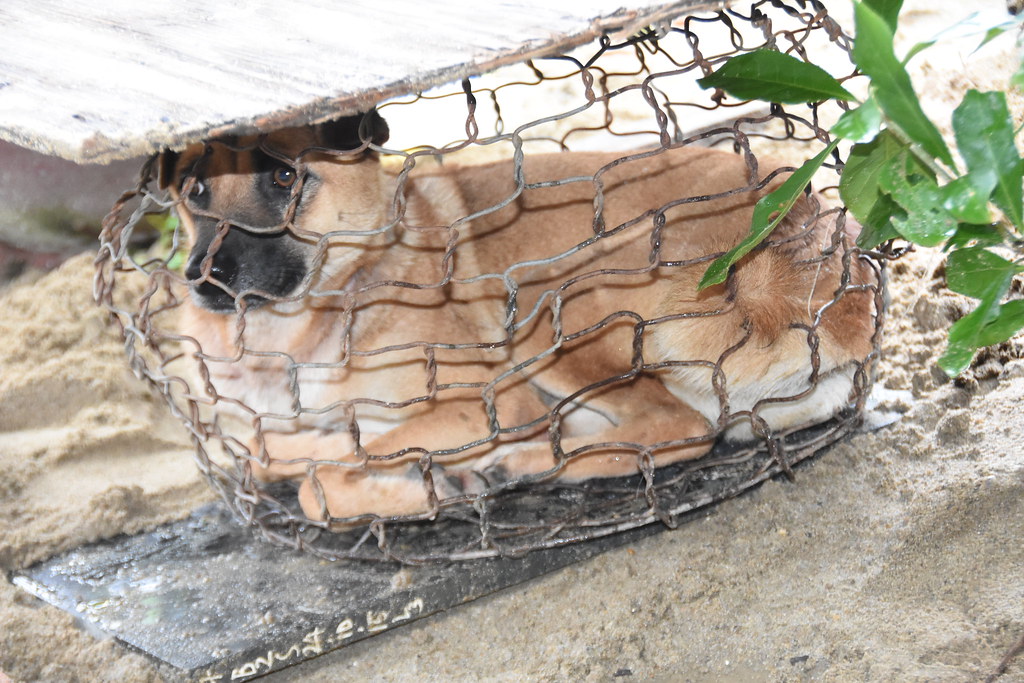
Dog confined at a dog-meat restaurant in Hoi An, central Vietnam, photographed in November 2016. This historical photograph documents meat-trade confinement; it does not show a WARN rescue or the 2026 cat seizures.
Photo: shankar s. / Flickr (CC BY 2.0). Flickr-served size; no local image edits. Display may be cropped. Source CC BY 2.0
- Support intended grants for dogs and cats affected by the meat trade: lawful rescue support, veterinary care, suitable shelter and locally led reform.
- Choose one-off or monthly support
- Read the grant status and how funds are allocated
In brief
Support intended grants for dogs and cats affected by the meat trade: lawful rescue support, veterinary care, suitable shelter and locally led reform. WARN is developing its grant-making work. Grant records have not yet been published; read the purpose, terms and reporting status before giving.
By WARN Research & Conservation TeamLast updated
Choose informed support
Support dogs and cats affected by the meat trade
Dogs and cats taken into the meat trade need safety, care and a lasting response to the trade itself. Help build support for both through this appeal.
Before you give
Your gift supports this appeal’s stated purpose. Activities described on this page are eligible or proposed support; published grant records show what has been agreed, paid or reported.
Choose an amount and frequency you can afford. No donation amount guarantees a particular rescue, treatment or release.
WARN is a UK community interest company, number 17298990. Gift Aid is unavailable.
Give now
Appeal · Southeast Asia · one-off or monthly
How often
Choose an amount
Your gift supports this appeal’s purpose. Grants depend on assessed needs, agreed budgets and available funds.
Where should it go?
Secure payment · You'll be directed to a secure checkout.
Secure donation · accepted methods
Secure card checkout powered by Stripe. Card details are entered on Stripe; available wallets depend on your device and browser.
Care
Plan beyond the initial rescue
Local reform
Address future harm as well as current cases
Evidence
Separate reporting from funding records
The appeal focus describes intended support. Independent conservation and welfare sources are linked below.
How to Help End the Dog and Cat Meat Trade
Support intended grants for dogs and cats affected by the meat trade: lawful rescue support, veterinary care, suitable shelter and locally led reform.
- 1
Read the appeal purpose and current funding status
Support intended grants for dogs and cats affected by the meat trade: lawful rescue support, veterinary care, suitable shelter and locally led reform. The grant register and allocation policy explain how to distinguish proposed support from published results.
- 2
Choose an affordable gift
Select an amount, currency and one-off or monthly frequency. Check this appeal is selected before continuing to Stripe checkout. Available wallets depend on your device and browser.
- 3
Consider regular support
Choose a frequency and amount that suit you. Recurring gifts support planning under this appeal’s terms; they do not guarantee a specific animal outcome.
- 4
Follow decisions and published results
Your receipt records the gift. Check /about/where-your-money-goes/#grant-register for published recipient decisions and payments, and manage for help with future monthly donations.
Why do dogs and cats in the trade need help?
FOUR PAWS documents the trade in Indonesia, Cambodia and Vietnam and identifies pet theft, demand reduction and stronger enforcement as parts of the problem. Rescue and care for affected animals must sit alongside work that reduces future harm.
This appeal seeks support for intended grants in Southeast Asia. The needs of a particular location, recipient or group of animals would be established through assessment. A country guide or report about another organisation’s work is not a record of WARN funding.
What support is needed after animals reach safety?
Care does not end when a vehicle is stopped or animals leave a market. An appropriate proposal should cover legal custody, veterinary assessment, suitable accommodation, feeding and the staff needed to care for animals over time.
The clinical team should decide individual treatment and infection-control needs. A responsible funding plan also considers owner identification and reunification where possible, behaviour support and lawful longer-term placement. It should not assume that every animal can immediately be rehomed.
Why does local context matter?
The law, enforcement responsibilities and available care differ between countries and localities. We do not present a broad national legal summary as permission for anyone to seize animals. Relevant rules and permissions must be checked for the actual proposal.
Local reform efforts should involve affected communities and people already working on animal welfare. The aim is to reduce suffering and demand without treating entire nationalities or cultures as responsible for the conduct documented in an investigation.
Dogs and cats need appropriate care
A proposal should describe accommodation, handling and veterinary plans for the species involved. Dogs and cats should not be treated as interchangeable units in a rescue total or donation-price list.
Plans need to account for individuals with different ages, health conditions and responses to handling. Funding should include the time and resources required for follow-up, rather than only the moment of intake.
What does the evidence say about public health?
WHO identifies bites and scratches involving infected animals as important routes of rabies exposure. Anyone who may have been exposed needs prompt professional medical assessment. A funding appeal cannot determine whether an animal or person has rabies.
This page does not claim that all animals in the trade are infected or that a new pandemic is inevitable. Veterinary and public-health decisions should be based on actual risk assessments and appropriate professional guidance.
What could this appeal support?
Intended eligible support includes lawful rescue coordination, veterinary care, suitable temporary accommodation, owner-reunification work where appropriate, and locally led advocacy or demand reduction. A grant should identify the need, the responsible organisation and the planned result.
WARN does not run meat-trade interception teams or its own shelters. Grant records have not yet been published. Suggested donations do not buy a named dog, cat, surgery or seizure operation.
Follow the reporting and the funding separately
Our newsroom includes reporting on the Vietnam cat trade and the June 2026 recovery of stolen cats. Those stories provide context and links to their reporting sources. They should not be read as WARN rescue or grant announcements.
For funding evidence, use the grant register and published reports. A useful report should explain custody, care, expenditure and outcomes without disclosing sensitive personal information or compromising an investigation.
From your gift to accountable support
WARN intends to support eligible organisations through assessed grants. The recipient, scope, budget and reporting requirements need to be documented before a grant is treated as an approved commitment.
Grant records have not yet been published. Use the register and reporting pages for evidence of approved grants, transfers and results.
The appeal terms explain the funding purpose and allocation policy. Suggested gift amounts are contributions; they do not promise a fixed treatment, item or animal outcome.
How responsible support works
From a gift to a grant
This is WARN’s grant-making process. Check the published records below for this appeal’s actual progress.
Assess the need
Review an organisation’s identity, local capacity, welfare practices, current request and proposed budget.
Agree the support
Choose a suitable purpose within the appeal, agree the budget and set proportionate reporting requirements.
Record the payment
Publish the recipient, amount, purpose and payment status when a grant record is available.
Follow the results
Report what the recipient can evidence, with dates and limitations. An approved grant and a completed outcome are different stages.
Grant register
Approved commitments and completed payments are different stages. Public records identify recipients and purposes without exposing donor details, banking information or sensitive wildlife locations.
Records not yet published
A reconciled financial summary and individual grant records have not yet been published here. This is a reporting status, not a statement that income, expenditure or grants are zero. Contact WARN for information about your gift.
Ask about a donation or grantLearn more and explore other ways to help
Explore the evidence, practical animal-welfare information and other relevant ways to support the cause.
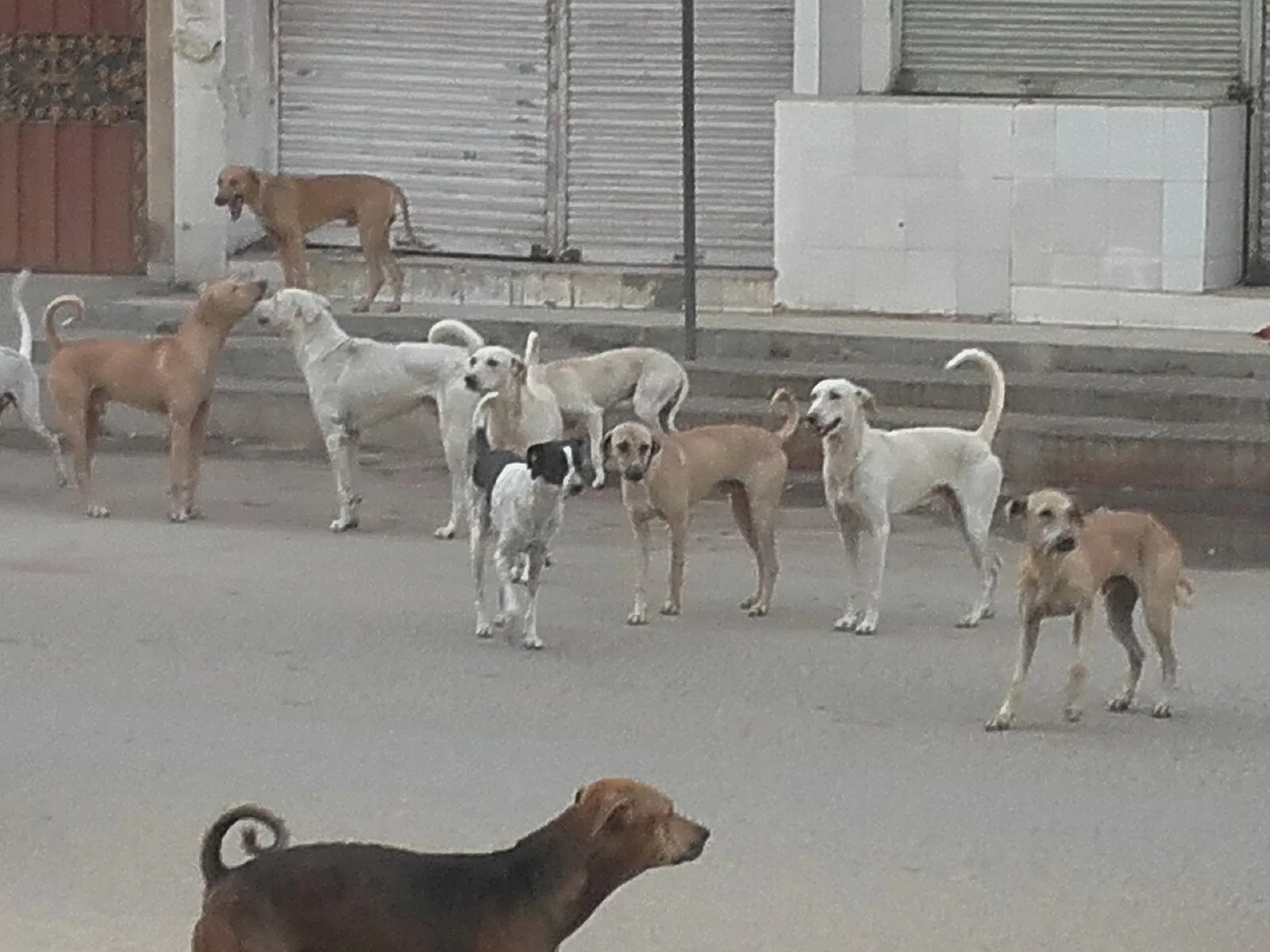
Karachi Street Dogs
Read the separate appeal for street-dog welfare in Karachi.
Open this page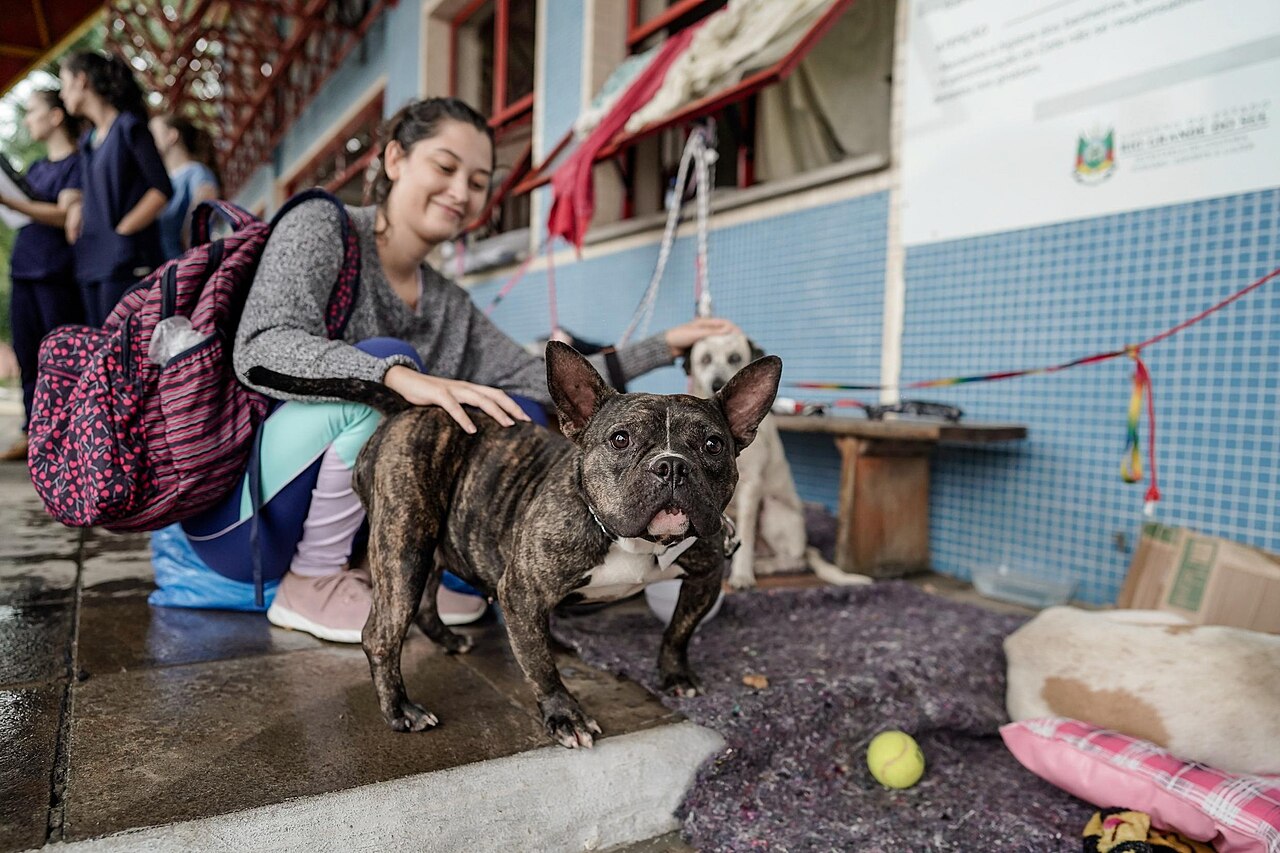
Help Animals After a Disaster
Explore emergency-care and preparedness needs.
Open this pageAlso: Vietnam cat trade briefing · June 2026 cat rescue report · How funds are allocated · How grants are assessed · All appeals
Your questions answered
Dogs and cats affected by the meat trade: frequently asked questions
How can I help end the dog and cat meat trade?
Does WARN carry out seizures or run a shelter?
Can I adopt a dog or cat rescued from the trade?
How many animals are killed in the trade?
Why does a grant need to cover ongoing care?
How can I report suspected cruelty?
How do I donate to help dogs and cats affected by the meat trade?
How can I help dogs and cats affected by the meat trade from the UK?
Can I give monthly to help dogs and cats affected by the meat trade?
How does my donation reach dogs and cats affected by the meat trade?
Is this Gift Aid eligible or US tax-deductible?
Can I help without donating?
Help build support for dogs and cats affected by the meat trade
Choose an affordable contribution to the purpose described here. Sharing this appeal can also help others learn about the need and decide how to support it.
Support dogs and cats affected by the meat trade