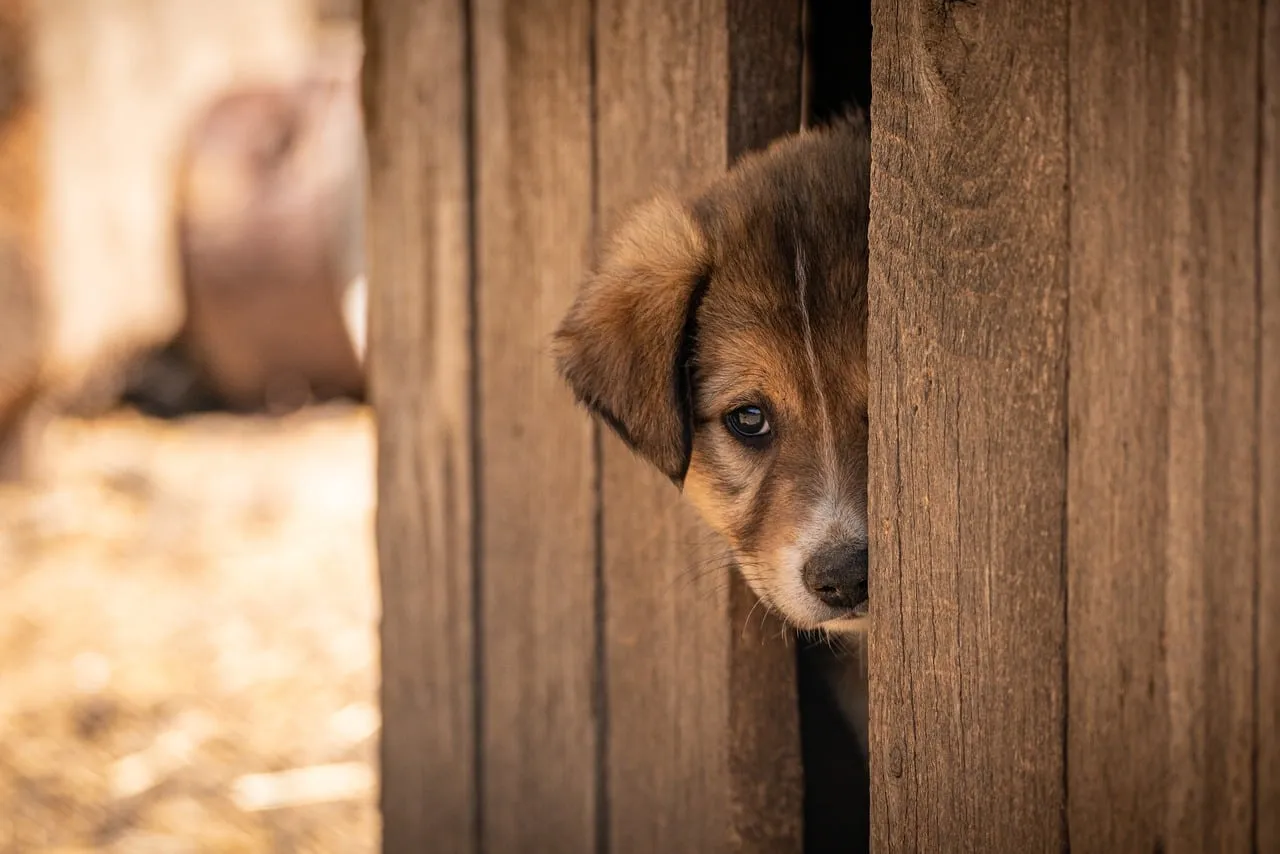
CNVR — Catch-Neuter-Vaccinate-Return — is the internationally endorsed method for managing free-roaming dog populations humanely. It is the answer when someone asks how to help street dogs without mass killing, and it is the programme UK donors fund when they support WARN's Karachi street dogs appeal.
What CNVR involves
- Catch — Dogs are humanely caught using soft nets and trained handlers.
- Neuter — Sterilisation surgery under anaesthetic prevents further litters.
- Vaccinate — Every dog receives a rabies jab, building the herd immunity WHO says is needed to stop human deaths.
- Return — Dogs are ear-notched for identification and returned to their territory, where they remain familiar community guardians.
Why donors fund CNVR
Pakistan holds an estimated 20 million free-roaming dogs and reports among Asia's highest human rabies death tolls. Mass culling removes visible dogs but does not reduce breeding or vaccinate replacements — the vacuum effect fills vacated territories with unvaccinated animals within weeks. CNVR breaks that cycle.
Cities including Jaipur, Chennai and Bali have shown what sustained CNVR achieves: stabilised populations and eliminated dog-mediated rabies. The model works when funding and political will hold steady — which is exactly what donor gifts to partner clinics provide.
Where to give
Read the full Karachi street dogs appeal, the rescue guide street dog rescue in Pakistan, or help dogs in Karachi. Donate to fund CNVR clinic days, or explore symbolic dog adoption from £5/month.
Help the rescue dogs WARN is being built for
WARN's launch programme in Karachi will fund partner dog rescues and the animal shelter capacity they urgently need — humane catch-neuter-vaccinate-return work, veterinary care for injured street dogs, and responsible in-country adoption of rescue dogs into safe Pakistani homes.
Read the Karachi street dogs appeal for the full plan, or donate today to fund our first surgeries, vaccinations and shelter weeks. Every pound helps another rescue dog get a fair start.