Global · Donkey welfare threat

Donkey Skin Trade

What the donkey skin trade is, why it threatens donkey welfare and livelihoods, and how working-donkey protection reduces exploitation risk.

By WARN Research & Conservation TeamLast updated

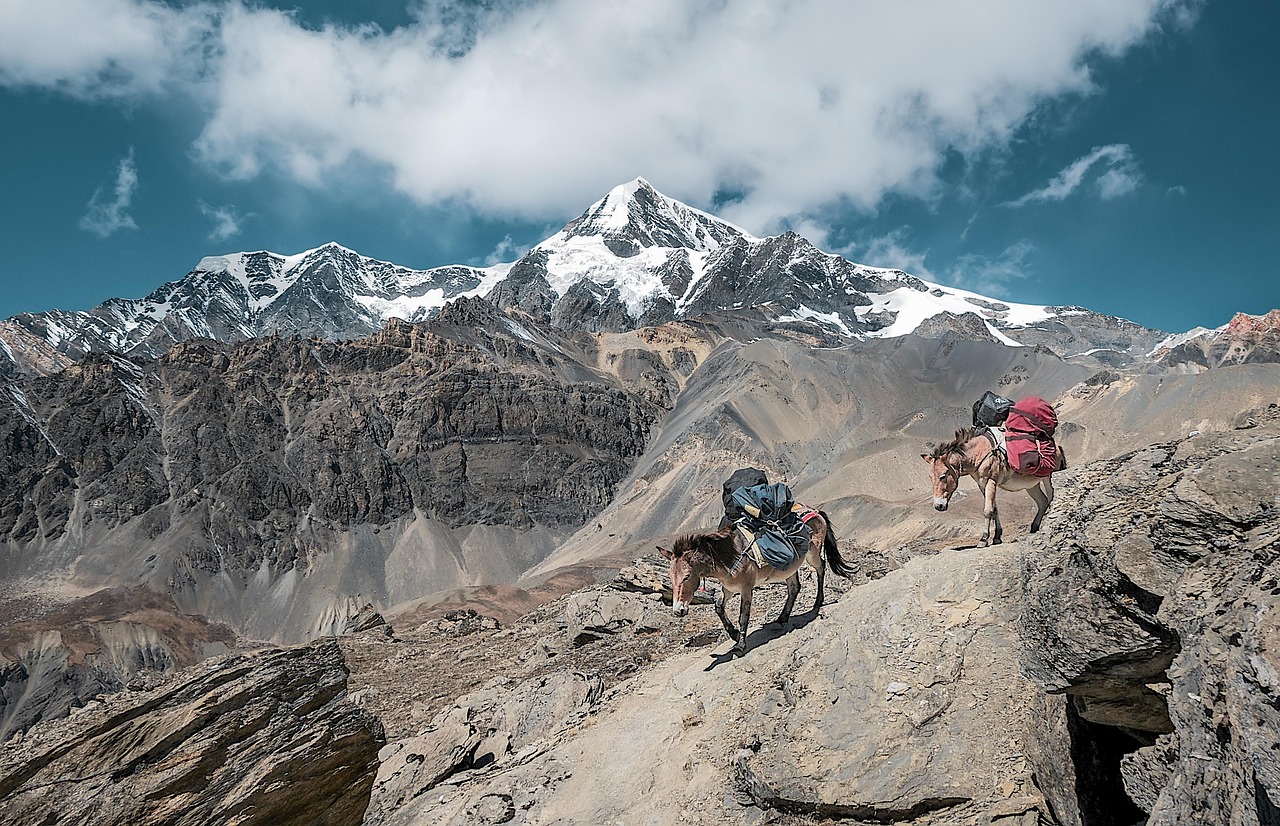
Working donkey at risk from welfare neglect and exploitative trade

In brief

The donkey skin trade kills donkeys for hides used in ejiao, driving theft, slaughter and population pressure in countries where poor families depend on working donkeys.

Ejiao
Demand driver
Hides
Trade product
Theft
Welfare and livelihood risk
Bans
Policy response in some regions

What Is the Donkey Skin Trade?

The donkey skin trade supplies hides used to make ejiao, a gelatine product used in traditional medicine and consumer goods. Rising demand has placed pressure on donkey populations and created incentives for theft, illegal slaughter and cross-border trafficking.

Guide 2

Why It Hurts Poor Communities

For many low-income households, a donkey is transport, income and resilience. Losing a donkey to theft or slaughter can remove the family’s ability to carry water, reach markets or earn daily wages.

Guide 3

How Welfare Work Helps

Protecting working donkeys requires veterinary care, owner support, community awareness and enforcement against theft and illegal slaughter. Healthy, valued donkeys are less likely to be abandoned or sold under pressure.

Guide 4

Ejiao and the Global Donkey Skin Trade

Ejiao is a gelatin product made from donkey hides, used in some traditional medicine markets. Demand has driven mass theft and slaughter of working donkeys across Africa and Asia — collapsing rural economies that depend on donkey labour.

Guide 5

Protecting Working Donkeys from Theft

Community education, animal identification and access to veterinary care are possible areas to assess when reviewing working-donkey welfare proposals. See working donkeys appeal.

Source Notes

WARN uses named intergovernmental, conservation and animal-welfare sources for numeric claims. These notes summarise the source basis for this page.

Working equine welfare sector

The donkey skin trade is widely documented as a major welfare and livelihood threat.

African Union policy reporting

The African Union endorsed a continental ban on donkey slaughter for skins in 2024.

International animal welfare reporting

Donkey hide demand has been associated with theft, slaughter and population pressure in several regions.

Donkey Skin Trade: Frequently Asked Questions

What is ejiao?
Ejiao is a gelatine product traditionally made from donkey hides and used in some medicine and consumer markets.
Why is the donkey skin trade a welfare issue?
It can drive theft, transport stress, illegal slaughter and population pressure in communities that depend on donkeys.
How can donors help?
Donors can fund working-donkey welfare, veterinary care, community protection and advocacy against exploitative trade routes.
What is ejiao?
A gelatin product from donkey hides used in some traditional medicine markets — driving a global skin trade that threatens working donkey populations.
Can UK donors help stop the donkey skin trade?
Fund working donkey welfare at working donkeys appeal — protecting livelihoods and raising awareness of theft risks.
Which countries are affected?
Africa and Asia face the worst theft pressure. Pakistan working donkeys are within WARN's funded focus.
Is the donkey skin trade legal?
Regulations vary. Many countries have banned or restricted exports, but illegal trade continues through criminal networks.
How can I check whether WARN has paid a grant?
Read /about/where-your-money-goes/#grant-register for published recipient, approval and payment records. A reconciled financial summary and individual grant records have not yet been published here. This is a reporting status, not a statement that income, expenditure or grants are zero. Contact WARN for information about your gift.

Help Fund Frontline Rescue

World Animal Rescue Network CIC (Company no. 17298990) raises funds for established local partners. Your support helps build the rescue capacity these animals need.

Protect Working Donkeys