Pakistan · Working horse welfare

Horse Abuse in Pakistan

Why working horses in Pakistan suffer preventable neglect and abuse, and how mobile equine clinics can treat wounds, lameness and exhaustion.

By WARN Research & Conservation TeamLast updated

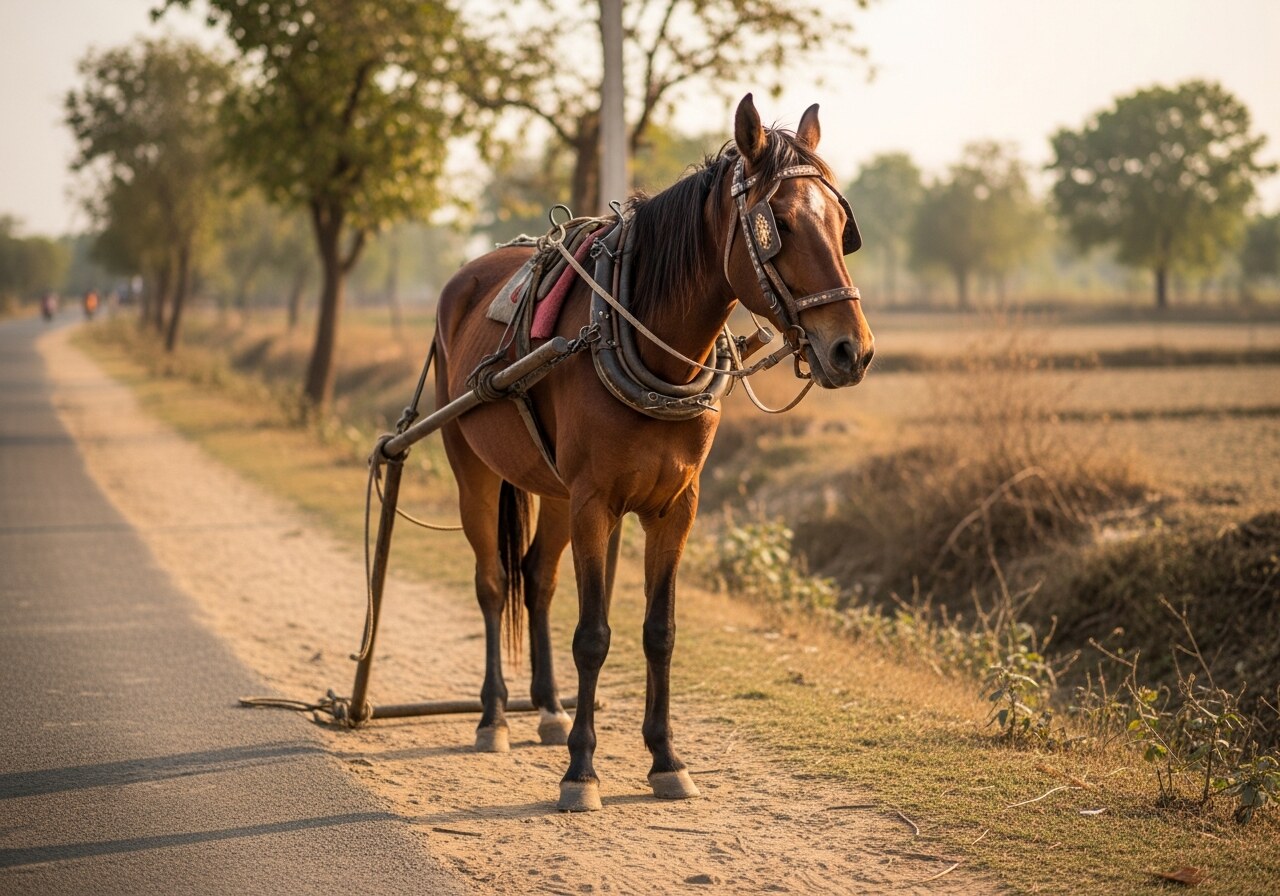
Working horse in need of field veterinary care

In brief

Horse abuse in Pakistan is often linked to overwork, poverty, poor harnessing and lack of affordable veterinary care; mobile equine clinics can treat wounds, lameness, teeth, hooves, parasites and exhaustion.

Harness
Wound risk
Hooves
Lameness driver
Heat
Exhaustion risk
Mobile
Field care solution

Guide 1

Why Horses Suffer in Pakistan

Working horses are used in transport, markets, construction and industrial areas. Many work long hours on poor surfaces with badly fitting harnesses. When veterinary care is unavailable or unaffordable, small injuries become chronic pain.

Guide 2

What Rescue Looks Like for Working Horses

Rescue is usually field care, not removal. Teams treat wounds, lameness, dehydration, parasites and dental pain, then work with owners on harness fit, rest, water and early warning signs.

Guide 3

Why Donor Support Matters

A mobile clinic can reach working horses that would never reach a formal hospital. Funding medicines, farriery tools and veterinary time creates immediate welfare impact.

Guide 4

Common Working Horse Abuse Patterns

Overloading carts, inadequate hoof care, tight nosebands, beatings to maintain pace and working in extreme heat without water cause lameness, colic, exhaustion and early death. Mobile clinics address immediate suffering while owner education prevents recurrence.

Guide 5

Lameness and Harness Wounds

Ill-fitting harnesses create shoulder and wither wounds that become infected under continued work. Farriery prevents hoof cracks and laminitis. Both are core services WARN aims to raise support for through working horses appeal.

Source Notes

WARN uses named intergovernmental, conservation and animal-welfare sources for numeric claims. These notes summarise the source basis for this page.

Working equine welfare research

Field clinics and owner education are common interventions for working horses.

WOAH animal welfare guidance

Access to care, pain prevention and humane handling are key welfare principles.

WARN country research

Pakistan is a WARN focus country for working-equine mobile clinic planning.

Horse Abuse in Pakistan: Frequently Asked Questions

How can I help abused horses in Pakistan?
You can support mobile equine clinics, farriery, wound care, dental treatment, nutrition support and owner education through partner-led programmes.
Are working horses removed from owners?
Not as the default. Many families depend on their horses. Welfare programmes usually treat the horse where it works unless removal is necessary for safety.
What problems do working horses face?
Common problems include harness wounds, lameness, overgrown hooves, dental pain, dehydration, parasites and untreated injuries.
Why are working horses abused in Pakistan?
Economic pressure, lack of veterinary access and insufficient welfare awareness — mobile clinics and education address all three.
Can UK donors help Pakistani working horses?
Yes — working horses appeal funds mobile equine clinics, farriery and wound care.
What is colic in working horses?
Abdominal pain often from dehydration, poor forage or overwork — a common killer treatable with field veterinary care if reached in time.
Does WARN operate horse sanctuaries in Pakistan?
No. WARN is developing grant support. Check the relevant appeal and /about/where-your-money-goes/#grant-register for recipient selection, agreements and published payments.
How can I check whether WARN has paid a grant?
Read /about/where-your-money-goes/#grant-register for published recipient, approval and payment records. A reconciled financial summary and individual grant records have not yet been published here. This is a reporting status, not a statement that income, expenditure or grants are zero. Contact WARN for information about your gift.

Help Fund Frontline Rescue

World Animal Rescue Network CIC (Company no. 17298990) raises funds for established local partners. Your support helps build the rescue capacity these animals need.

Support Working Horses