Guide 1
Why Mobile Equine Clinics Are Needed
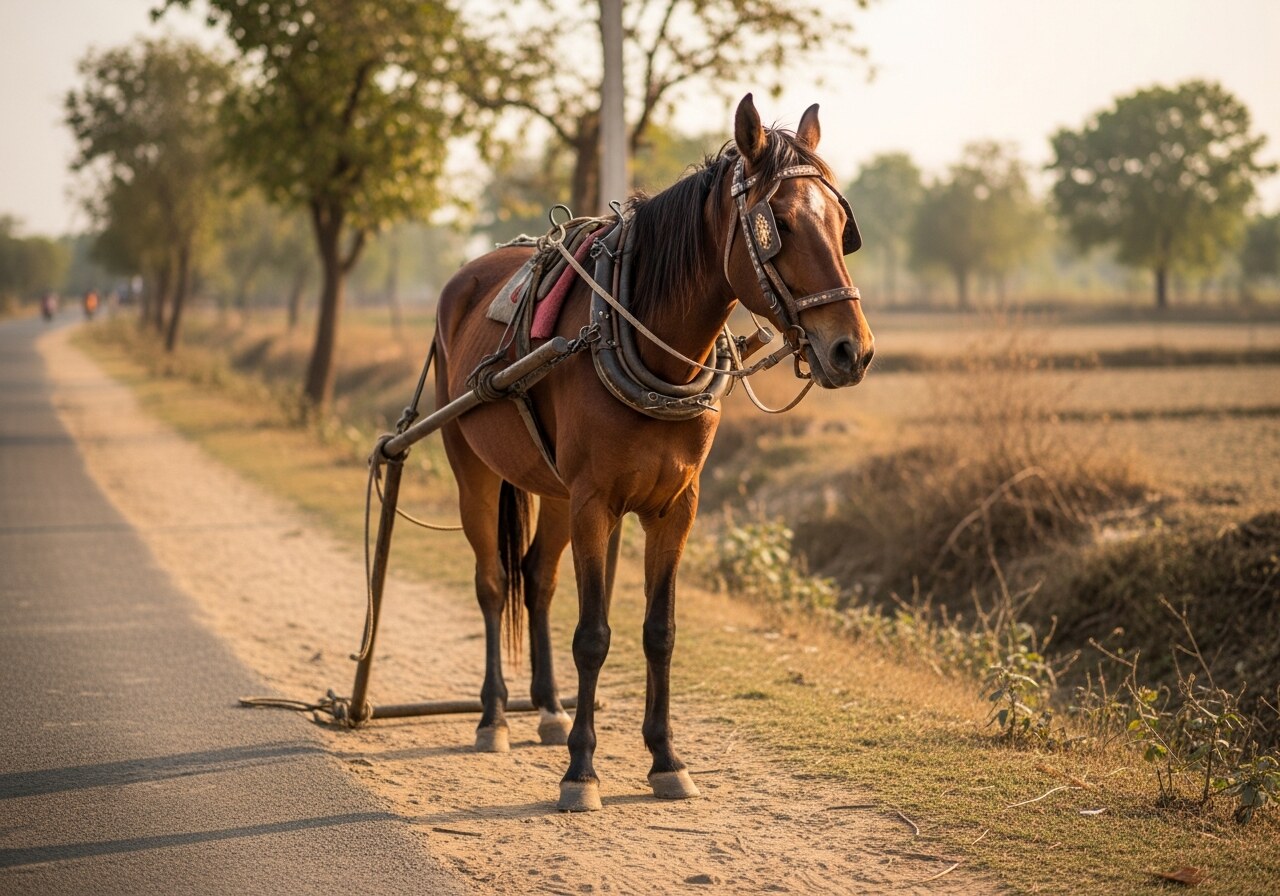
Working horses may be too far from clinics or too lame to travel. Owners may also lose vital income by leaving work for a day. Mobile clinics remove that barrier by delivering care at markets, industrial sites and transport routes.
Guide 2
What a Horse Clinic Can Treat
A clinic can treat lameness, wounds, dehydration, parasites, dental pain and exhaustion. It can also provide farriery, nutrition advice, harness checks and referrals for severe cases.
Guide 3
Why Donations Fund Prevention
The best clinic work prevents the same injury recurring. Owner education, harness adjustment and early treatment reduce suffering long after a single clinic day ends.
Guide 4
Farriery, Dental and Wound Care in the Field
Mobile equine clinics carry hoof knives, rasps, dental floats, wound dressings, pain relief and antibiotics. A farrier plus vet team treats lameness, overgrown hooves, harness wounds and colic cases at cart horse stands and market yards.
Guide 5
Owner Education for Cart Horse Welfare
Load limits, water stops, rest breaks and noseband fit prevent more suffering than treatment alone. Partners distribute care guides at every clinic visit — gains persist between rounds.