Working equines · Field care

Mobile Vet Clinics for Donkeys

How mobile veterinary clinics help working donkeys by treating wounds, hooves, teeth, parasites and exhaustion where the animals work.

By WARN Research & Conservation TeamLast updated

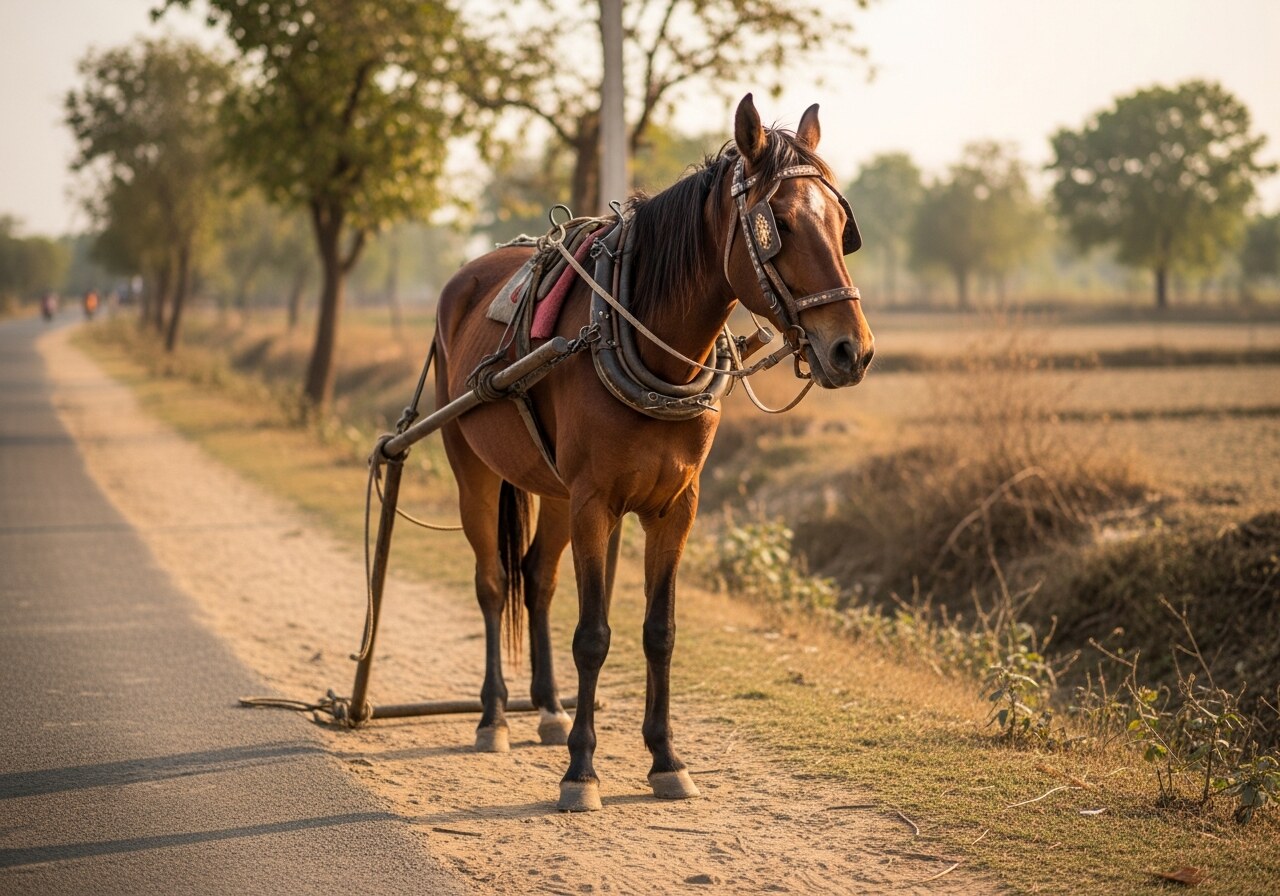
Working equine receiving field veterinary support

In brief

Mobile vet clinics for donkeys bring treatment to working animals where they are: wound care, hoof trimming, dental treatment, deworming, pain relief, harness checks and emergency medicines.

Field
Care delivered on site
Hooves
Farriery need
Teeth
Dental pain risk
Harness
Wound prevention

Guide 1

Why Mobile Clinics Work

Working donkeys are often far from formal veterinary facilities. Owners may lose a day’s income if they travel for care, and many cannot transport a lame or exhausted animal. Mobile clinics meet donkeys at brick kilns, markets, transport routes and rural work sites.

Guide 2

What a Clinic Can Treat

A field clinic can clean and dress wounds, trim hooves, treat lameness, rasp painful teeth, deworm animals, provide pain relief, address dehydration and advise on load limits, rest, water and harness fit.

Guide 3

Why Owner Education Matters

Treatment only lasts if the cause changes. Teaching owners how to fit harnesses, recognise pain, provide water and seek help early prevents the same donkey returning with the same wound weeks later.

Guide 4

What a Donkey Mobile Clinic Carries

Field kits include wound dressings, hoof knives and rasps, dental floats, dewormers, pain relief, antibiotics and humane harness samples. A travelling vet team plus farrier can treat 30–50 donkeys per day at a brick kiln or market stop.

Guide 5

Owner Education at Clinic Days

Load limits, water access, rest breaks and harness fit prevent more suffering than treatment alone. Partners distribute simple care guides in local languages at every clinic — welfare gains persist between visits.

Source Notes

WARN uses named intergovernmental, conservation and animal-welfare sources for numeric claims. These notes summarise the source basis for this page.

Working equine welfare practice

Mobile clinics are a common delivery model for working-equine welfare in low-resource settings.

WOAH animal welfare guidance

Veterinary access, disease prevention and humane handling are core welfare principles.

WARN programme planning

WARN identifies working-equine mobile clinics as a planned intervention in Pakistan and other focus countries.

Mobile Vet Clinics for Donkeys: Frequently Asked Questions

What is a mobile donkey vet clinic?
It is a field veterinary service that travels to working donkeys instead of expecting owners to bring animals to a clinic.
What treatments do working donkeys need most?
Common needs include wound care, hoof trimming, dental treatment, parasite control, pain relief and harness-related injury prevention.
Can donations fund clinic days?
Yes. Donations can support travel, medicines, equipment, veterinary time and follow-up education for owners.
What is a mobile vet clinic for donkeys?
A travelling veterinary team visiting brick kilns, markets and rural communities to treat working donkeys in situ.
How can UK donors fund donkey clinics?
Donate to working donkeys appeal — gifts cover medicines, farriery tools and vet travel costs.
How often do clinics visit?
Partners aim for repeat visits every four to eight weeks at high-need sites — monthly donor income helps maintain schedules.
What conditions do clinic donkeys present with?
Harness wounds, overgrown hooves, dental problems, colic, lameness and exhaustion — all treatable with field care.
How can I check whether WARN has paid a grant?
Read /about/where-your-money-goes/#grant-register for published recipient, approval and payment records. A reconciled financial summary and individual grant records have not yet been published here. This is a reporting status, not a statement that income, expenditure or grants are zero. Contact WARN for information about your gift.

Help Fund Frontline Rescue

World Animal Rescue Network CIC (Company no. 17298990) raises funds for established local partners. Your support helps build the rescue capacity these animals need.

Fund Mobile Donkey Clinics