Practical guides · Emergencies

Pet Emergency Preparedness

How to build an emergency plan and go-kit for your pets, what to do differently for fire, flood, earthquake and hurricane, and the two decisions that determine whether animals survive a disaster.

By WARN Editorial TeamLast updated

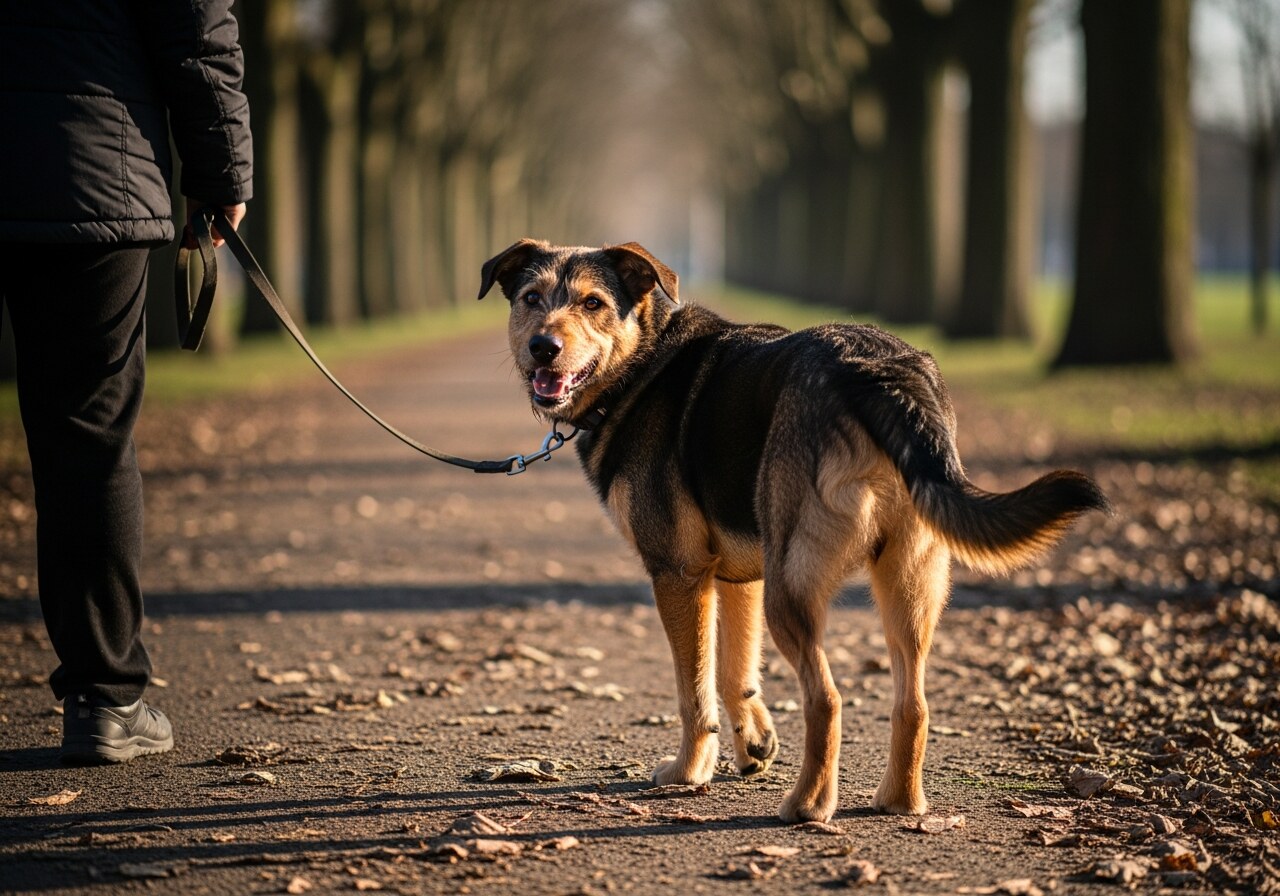
A dog with its owner — planning ahead is what keeps pets safe in an emergency

In brief

Pet emergency preparedness comes down to two decisions made before anything happens: never leave animals behind when you evacuate, and identify in advance where you can take them, because most emergency shelters do not accept pets. Everything else — the go-kit, the carriers, the copies of vaccination records, the microchip details — exists to make those two decisions possible under pressure.

Never
Leave animals behind in an evacuation
Before
Find pet-friendly shelter in advance
2 weeks
Medication to keep in the kit
Microchip
The single best reunification tool

Guide 1

The Two Decisions That Matter Most

Most pet emergency advice is a list of supplies. The supplies matter, but they are downstream of two decisions, and households that get these wrong lose animals regardless of how good their kit is.

**Never leave animals behind.** If conditions are unsafe for you, they are unsafe for them. Animals left behind in an evacuation frequently cannot be reached again for days, and a house that is survivable at the moment you leave may not be by the time anyone returns. The common intention — leave extra food and water, come back tomorrow — assumes a return that often does not happen on schedule.

**Know where you can take them before you need to.** This is the failure that catches people out. Many emergency shelters do not accept animals other than assistance dogs, for public health reasons. If your evacuation plan ends at a shelter, it is not a plan for your pets.

Work out the alternatives now, while there is time: friends or relatives outside your immediate area, hotels that accept animals, boarding kennels and veterinary practices that take emergency boarding. Write the list down with phone numbers. Under stress, nobody researches accommodation.

Guide 2

The Go-Kit

Keep it assembled, keep it where you can reach it in the dark, and check it twice a year.

**Water and food** for several days, with a bowl. Rotate the food so it does not expire in the bag.

**Medication** — at least two weeks' supply where possible, in its original labelled packaging, with a copy of the prescription.

**A carrier or crate for every animal.** This is the item people improvise and should not. A frightened cat cannot be carried in your arms through a stairwell. Label each carrier with the animal's name and your contact details.

**Vaccination and medical records**, copied. Boarding kennels and emergency shelters will ask for proof of vaccination, and a practice you have never used cannot look up your animal's history.

**A current photograph of you with each animal.** This is for proving ownership if you are separated, and it does that far better than a photo of the animal alone.

**Leads, harnesses, litter tray and litter, poo bags, a towel**, and something familiar that smells of home.

**A written card** listing each animal's name, species, breed, microchip number, medical conditions, medications and your vet's details. Keep a copy in the kit and one in your wallet.

Guide 3

Identification Is What Gets Animals Home

Reunification after a disaster is overwhelmingly an identification problem. Animals are found; owners are not located.

**Microchip, and keep the registration current.** A microchip with an out-of-date phone number is a dead end, and this is by far the most common failure. Check your registry details now, and again whenever you move or change number. In the UK, microchipping is a legal requirement for dogs and cats.

**A collar tag as well.** The chip requires a scanner and someone who thinks to use one; a tag is readable by anyone who catches the animal. Belt and braces.

**Photograph every animal from several angles**, including any distinctive markings, and keep the photos somewhere that survives your phone being lost — cloud storage or emailed to yourself.

**Know your animal's microchip number** without having to look it up at home. Put it on the wallet card.

Guide 4

What Changes by Disaster Type

The core plan is the same. These are the differences worth planning for.

**Fire.** The margin is minutes, so the priority is knowing where animals hide and being able to reach them fast. Cats in particular go somewhere inaccessible when frightened. Keep carriers near the exit rather than in a loft. A window sticker stating how many animals are inside helps responders.

**Flood.** Warning time is usually longer, and the danger is being cut off rather than overwhelmed. Move animals to upper floors early and evacuate sooner than feels necessary — roads close before water reaches houses. Never let an animal into floodwater; it carries sewage, chemicals and debris.

**Earthquake.** There is no warning, so this is about the environment: secure heavy furniture that could fall on a crate, and know that animals may bolt and go missing for days afterwards. Identification matters more here than anywhere.

**Hurricane and severe storm.** The most predictable, and therefore the one where poor preparation is least excusable. Evacuate early, with the animals, on the first advisory rather than the last. Boarding options fill quickly.

If a disaster leaves you dealing with injured wildlife rather than pets, the handling rules are different — see what to do injured wild animal.

**Heat.** Increasingly the common emergency. Animals left in vehicles or in unshaded gardens die quickly, and brachycephalic breeds — flat-faced dogs and cats — are at substantially higher risk.

Guide 5

If You Are Separated

Act quickly and systematically rather than driving around.

Contact local animal shelters, rescues and veterinary practices directly and in person where possible, and repeat daily — intake volumes after a disaster are high and descriptions get lost. Report the animal missing to your microchip registry, which is the mechanism most likely to produce a match.

Post on local lost-and-found networks with a clear photograph, the microchip number and the location the animal was last seen. Include the date.

Search at dawn and dusk, when displaced animals move and when it is quiet. A frightened animal will usually be close to where it was lost, hiding, and will not come when called even by a familiar voice for the first few days.

Keep looking for longer than feels reasonable. Animals are recovered weeks after disasters more often than people expect.

Explore Related Rescue Work

Wildlife guide

Dog

A dog (Canis lupus familiaris) is a domesticated mammal descended from the grey wolf, kept worldwide as a companion, working and assistance animal. Every breed is the same species. The IUCN does not assess dogs for extinction risk. Street dogs are the same species as pets.

Wildlife guide

Cat

A cat (Felis catus) is a small domesticated carnivorous mammal descended from the African wildcat, kept worldwide as a companion. Every breed is the same species. The IUCN does not assess cats for extinction risk. Community cats are the same species as pets.

Wildlife guide

Horse

A horse (Equus ferus caballus) is a domesticated mammal kept worldwide for work, sport and companionship. Every breed is the same subspecies. The IUCN does not assess horses for extinction risk. Working horses are the same species as riding horses.

Country programme

Indonesia

Indonesia’s forests, islands and coasts support remarkable wildlife, including all three orangutan species. Animal welfare and conservation needs differ between Kalimantan, Sumatra and the wider archipelago.

Country programme

Pakistan

Pakistan has distinct animal welfare needs in cities, working-animal communities and wildlife habitats. Karachi street dogs are the focus of a WARN appeal; a country guide is not evidence of an operating WARN clinic.

Country programme

Kenya

Kenya’s savannas, highlands, freshwater habitats and coast support wildlife alongside communities and working animals. Rescue needs and conservation priorities vary by place and species.

Source Notes

WARN uses named intergovernmental, conservation and animal-welfare sources for numeric claims. These notes summarise the source basis for this page.

Ready.gov — preparing for disasters with pets

US federal guidance on evacuation planning, shelter limitations and go-kit contents for households with animals.

Read the source — Ready.gov — preparing for disasters with pets (opens in a new tab)

RSPCA — planning for emergencies with pets

UK guidance on evacuation, identification and microchip requirements.

Read the source — RSPCA — planning for emergencies with pets (opens in a new tab)

Pet Emergency Preparedness: Frequently Asked Questions

What should be in a pet emergency kit?
Several days of food and water with a bowl; at least two weeks of any medication in labelled packaging; a carrier or crate for every animal; copied vaccination and medical records; a current photograph of you with each animal for proving ownership; leads, harnesses, litter tray, bags and a towel; and a written card listing each animal’s microchip number, conditions, medications and your vet’s details.
Should I take my pets if I have to evacuate?
Always. If conditions are unsafe for you they are unsafe for them, and animals left behind often cannot be reached again for days. The plan that fails is the one that assumes you can return tomorrow.
Do emergency shelters accept pets?
Many do not, other than assistance dogs, for public health reasons. This is the single most common gap in household plans. Identify alternatives in advance — friends or relatives outside the affected area, hotels that accept animals, boarding kennels and veterinary practices offering emergency boarding — and keep the phone numbers written down.
How do I find my pet after a disaster?
Report it missing to your microchip registry first, then contact shelters, rescues and veterinary practices directly and repeat daily, since intake volumes are high and descriptions get mislaid. Post locally with a clear photograph, the microchip number and the last known location. Search at dawn and dusk, and keep looking longer than feels reasonable — recoveries weeks later are more common than people expect.
Why does microchip registration matter so much?
Because reunification after a disaster is mostly an identification problem — animals are found, owners are not located. A microchip with an out-of-date phone number is a dead end, and that is the most common failure. Check your registry details now and after any move or change of number, and keep a collar tag as well, since a tag needs no scanner.
I want to donate to help animals after a flood or earthquake abroad. Is this the right page?
No. This is a household preparedness guide for your own pets. The separate animal disaster relief appeal page describes possible support and its funding status; it does not promise an existing WARN response team or emergency dispatch service.
How can I check whether WARN has paid a grant?
Read /about/where-your-money-goes/#grant-register for published recipient, approval and payment records. A reconciled financial summary and individual grant records have not yet been published here. This is a reporting status, not a statement that income, expenditure or grants are zero. Contact WARN for information about your gift.

Help Fund Frontline Rescue

World Animal Rescue Network CIC (Company no. 17298990) raises funds for established local partners. Your support helps build the rescue capacity these animals need.

Help animals after a disaster