Found an animal that needs help?
Find the right next step
Choose what you can see to find practical guidance and contact options. WARN does not operate an emergency dispatch service. If a person is in immediate danger, contact local emergency services.
Keep a safe distance and contact a professional. Contact options updated for Choose location / elsewhere.
Keep a safe distance and contact a professional
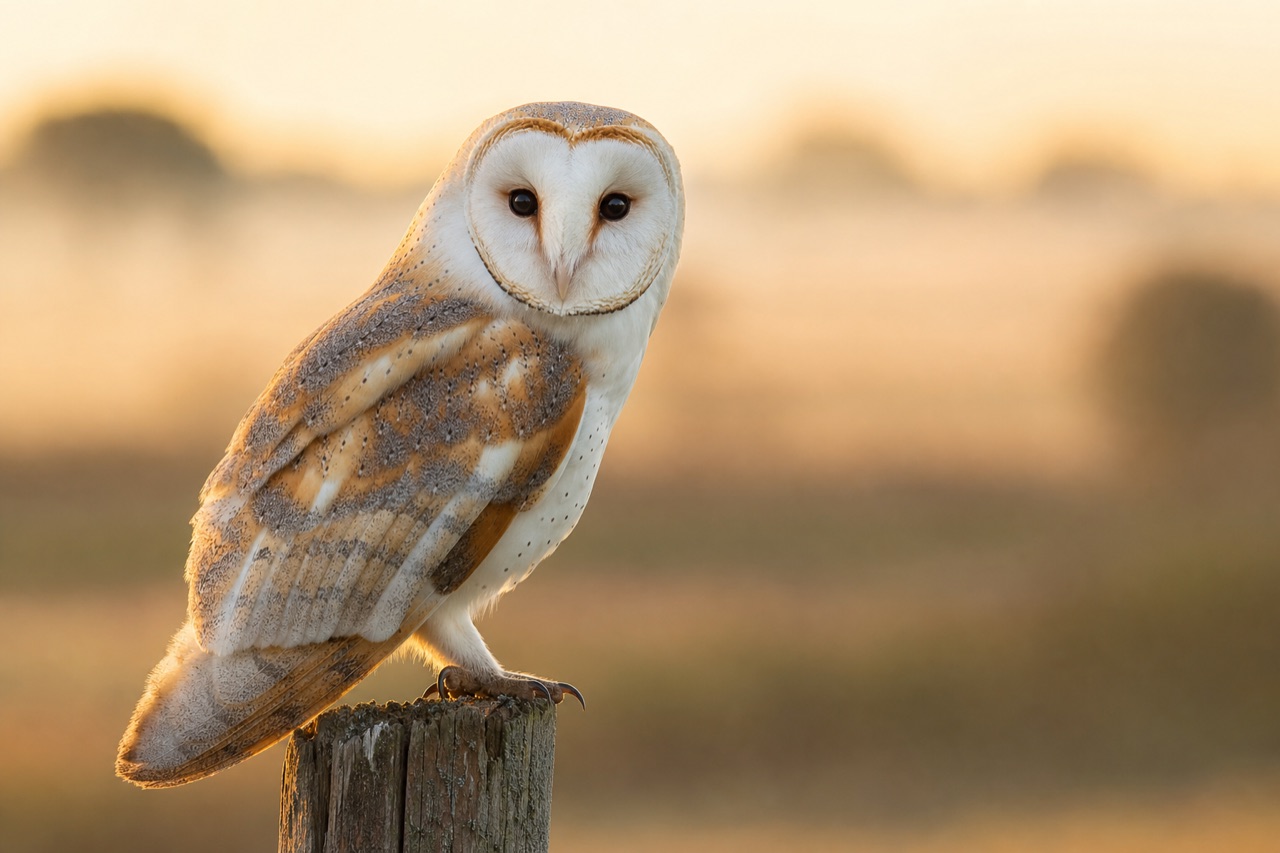
- Observe from a safe place and keep children and pets away. Do not approach large wildlife, bats, snakes, birds of prey, or sick or dead birds.
- Contact a wildlife rehabilitator, local wildlife authority or vet promptly. Describe visible injuries, breathing difficulty, entanglement or a collision without trying to diagnose the animal.
- Ask for species-specific instructions before handling, moving or feeding it. Do not enter a road, fire zone, railway or water to attempt a rescue.
Guidance: RSPCA: injured wildlife advice. Reviewed 8 September 2026.
Contact options
These independent services have their own areas, hours and capacity. For an injured dog or cat, call a local veterinary practice first. If you cannot reach a responder, try the local wildlife authority or another vet; do not wait for a reply from WARN.
What to tell a responder
Share the exact location or map pin, when you found the animal, what you can see and how to contact you. Take a photo only from a safe distance. Explain any nearby traffic, fire, water, people or pets so the responder can plan an appropriate response.
First: Does It Actually Need Help?
The most common wildlife "rescue" is a mistake, and it usually involves a young animal that was never in trouble.
**Fledgling birds on the ground are normal.** A bird with feathers, hopping and unable to fly well, is at a standard developmental stage and its parents are almost certainly nearby and feeding it. Removing it is the single most frequent well-intentioned harm done to wild birds. A nestling — naked or downy, clearly too young — genuinely does need help.
**Fawns and leverets are left alone deliberately.** Deer leave fawns hidden for hours; hares leave leverets in a form in the open. A young animal sitting still and alone is following instinct, not abandoned.
**Foxes and other young mammals** frequently appear unattended while a parent forages.
Clear signs that intervention IS needed: visible blood or a wound; an obviously broken limb or a wing held at an odd angle; the animal has been in a cat's mouth, which requires veterinary treatment even with no visible injury because of bacterial infection; flies or maggots on the animal; a known dead parent; the animal is cold, weak, unresponsive or shivering; or it is in immediate danger where it lies, such as on a road.
If you are unsure, observe from a distance for a couple of hours before acting. That single step prevents most unnecessary removals.
Guide 2
How to Contain an Animal Safely
If intervention is genuinely needed, the goal is to get the animal contained and to a professional with as little stress as possible. Stress kills wild animals — capture myopathy is a real and frequently fatal condition — so speed and quiet matter more than gentleness of technique. Fear and distress are welfare problems in their own right, not merely unpleasant ones; see what is animal welfare.
**Protect yourself first.** Wear thick gloves. Wild animals bite and scratch when frightened, regardless of injury. Never handle a bird of prey, heron, swan, gull, deer, badger, fox, bat or snake without training or instruction — beaks, talons, hooves and teeth cause serious injury, and some carry disease risk. For those species, call and wait.
**Use a cardboard box**, not a wire cage. Punch ventilation holes from the inside out so no sharp edges point inwards. Line it with a towel or unravelled kitchen roll, not straw or hay.
**Cover the animal with a towel to pick it up**, supporting the body, and place it in the box. Close the box securely — animals recover and escape into vehicles.
**Then leave it alone.** Somewhere dark, quiet, warm and away from pets, children and household noise. Do not check on it repeatedly. Every look is another predator encounter as far as the animal is concerned.
Guide 3
What Never to Do
These are the mistakes that most often turn a survivable situation into a fatal one.
**Do not give food or water.** This is the most important item on the page. A cold, shocked or dehydrated animal cannot digest, and fluid given by mouth is frequently inhaled into the lungs. Many animals that arrive at rehabilitators die of aspiration pneumonia caused by well-meaning feeding rather than the original injury. Rehydration is done by professionals, often subcutaneously, once the animal is warm.
**Do not give cow's milk to any wild mammal.** It is not nutritionally appropriate for any of them and causes severe gastrointestinal problems.
**Do not attempt treatment.** No splints, no antiseptic, no human painkillers. Many common human medications are toxic to animals, and a badly set limb often has to be re-broken.
**Do not keep it.** Wild animals need species-appropriate rehabilitation and a release plan, and in many places keeping wildlife without a licence is an offence. An animal that becomes habituated to humans usually cannot be released.
**Do not take photographs for social media before it is stabilised.** The delay costs the animal.
Guide 4
Who to Call
Contact a licensed wildlife rehabilitator or a veterinary practice. Both will take the animal, and vets in most countries will treat injured wildlife brought in by the public without charging the finder.
**In the UK**, the RSPCA operates a 24-hour cruelty and advice line, and local independent wildlife hospitals and rescues exist in most areas. The British Divers Marine Life Rescue handles marine mammals and stranded cetaceans.
**In the United States**, wildlife rehabilitators are licensed at state level. Your state's fish and wildlife agency maintains a directory, and most areas have independent rehabilitation centres. Some species — migratory birds, raptors — require specifically permitted rehabilitators.
**Anywhere**, a local veterinary practice is a good first call even if it cannot treat wildlife itself, because it will know who does.
When you call, be ready to say what the animal is, what is wrong with it, exactly where you found it, and whether you have contained it. The location matters more than people expect: most rehabilitated wildlife is released back where it was found, because that is where its territory and its knowledge of food and water are.
Guide 5
Special Cases Worth Knowing
**Cat-caught animals need a vet even if uninjured.** Cat saliva carries bacteria that cause fatal septicaemia in small animals within a couple of days. Antibiotics are needed quickly, and the absence of visible wounds means nothing.
**Bats should never be handled with bare hands**, anywhere. In the UK they are legally protected and there is a rabies-related risk; contact a bat helpline rather than handling. In the US, contact your state health department.
**Swans, geese and large birds** are strong enough to break a human arm. Do not attempt these alone.
**Deer** are extremely prone to capture myopathy and frequently die from the stress of handling rather than their injuries. Keep away and call.
**Animals hit by cars** should be moved off the road only if you can do so safely — your own safety comes first, and a live animal in a live traffic lane is a serious hazard to everyone.
**Baby birds that are clearly nestlings** can often simply be put back. If the nest is intact and reachable, replace them. Birds have a poor sense of smell and will not reject a handled chick — that is a myth.