Southern Africa · Orphan care

Rhino Orphan Calf Rescue

What happens to rhino calves orphaned by poaching, from emergency stabilisation to milk feeding, sanctuary care and eventual rewilding where possible.

By WARN Research & Conservation TeamLast updated

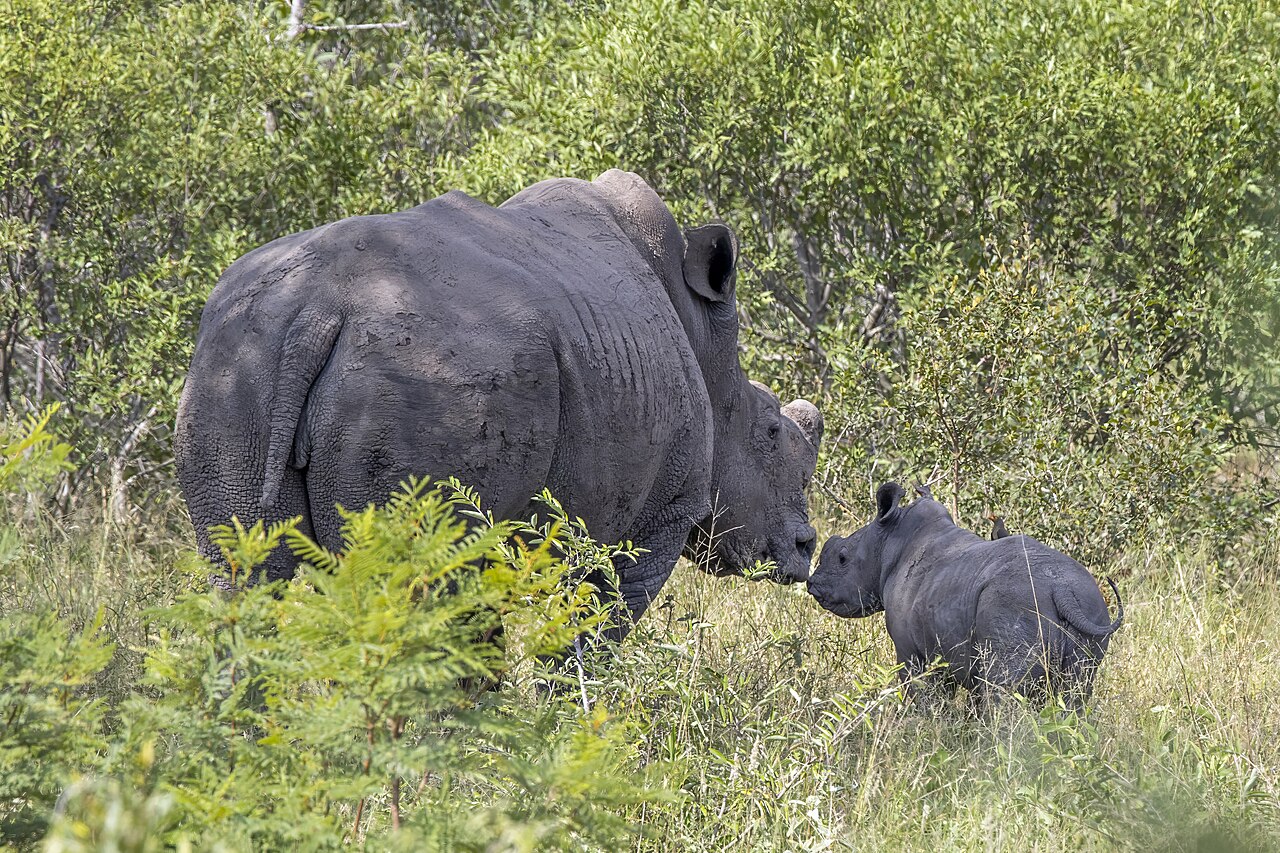
An adult white rhinoceros touching noses with its calf among shrubs in Kruger National Park, South Africa.

In brief

Rhino orphan calf rescue starts with emergency stabilisation after poaching, then specialist milk feeding, quarantine, trauma care and long rehabilitation before any possible return to a protected reserve.

24/7
Early calf care
Milk
Specialist feeding need
Years
Rehabilitation timeline
Horn
Poaching driver

Guide 1

Why Rhino Calves Become Orphans

Rhino calves are often orphaned when their mothers are killed for horn. Some are found standing near the body, dehydrated and traumatised. Others run into bush and may not be found for hours or days. Fast response can determine whether a calf survives.

Guide 2

What Calf Rescue Requires

Young calves need careful capture, veterinary checks, fluids, warmth and specialist milk. They also need protection from stress because trauma can trigger collapse. As they grow, they require secure paddocks, social pairing and minimal human imprinting.

Can Orphan Rhinos Return to the Wild?

Some can return to secure reserves after years of care, social development and pre-release preparation. Others may remain in protected sanctuary settings if health, behaviour or reserve security makes release unsafe.

Guide 4

Milk, Warmth and Round-the-Clock Care

Rhino calves orphaned by poaching need specialist milk formula, thermal protection and 24-hour keeper presence for months. Stress and incorrect diet kill orphans quickly. Partner orphanages scale this care with grants that cover formula, veterinary monitoring and eventual rewilding preparation.

Guide 5

Rewilding Orphan Rhinos

Successful rewilding pairs orphans with surrogate groups, gradually reduces human contact and introduces bush habitat before release into protected reserves with anti-poaching support. The pathway takes years — predictable funding matters.

Source Notes

WARN uses named intergovernmental, conservation and animal-welfare sources for numeric claims. These notes summarise the source basis for this page.

IUCN Red List

Rhino species remain under pressure from poaching and habitat insecurity.

CITES

Commercial international trade in rhino horn is prohibited.

Southern African rhino rescue practice

Specialist orphan care and protected release sites are central to calf survival.

Rhino Orphan Calf Rescue: Frequently Asked Questions

What happens to baby rhinos after poaching?
Surviving calves need immediate veterinary assessment, fluids, specialist milk and protected care. Many require years of rehabilitation.
Can orphan rhinos be rewilded?
Some can be rewilded into secure protected reserves when they are old enough, healthy and socially ready.
Why is rhino calf care expensive?
Calves need round-the-clock care, specialist nutrition, secure facilities, veterinary support and long-term monitoring.
Can rhino orphan calves survive without their mother?
Yes, with specialist milk, warmth and keeper care. Without intervention, orphans die within days from dehydration, predation or stress.
How can UK donors help rhino orphans?
Donate to rhino appeal. Gifts are intended to support milk formula, veterinary care and rewilding preparation through South African and East African partners.
How long before an orphan can be rewilded?
Typically several years. Calves must reach sufficient size, socialise with other rhinos and lose dependence on human feeders.
Does WARN run rhino orphanages?
No. WARN is developing grant support. Check the relevant appeal and /about/where-your-money-goes/#grant-register for recipient selection, agreements and published payments. Field operations remain partner-led.
How can I check whether WARN has paid a grant?
Read /about/where-your-money-goes/#grant-register for published recipient, approval and payment records. A reconciled financial summary and individual grant records have not yet been published here. This is a reporting status, not a statement that income, expenditure or grants are zero. Contact WARN for information about your gift.

Help Fund Frontline Rescue

World Animal Rescue Network CIC (Company no. 17298990) raises funds for established local partners. Your support helps build the rescue capacity these animals need.

Support Rhino Protection