Wildlife appeal · Rhino protection
How to Help Rhinos
Rhinos need protection that lasts beyond the next headline. Help support carefully assessed care, habitat and conservation needs.
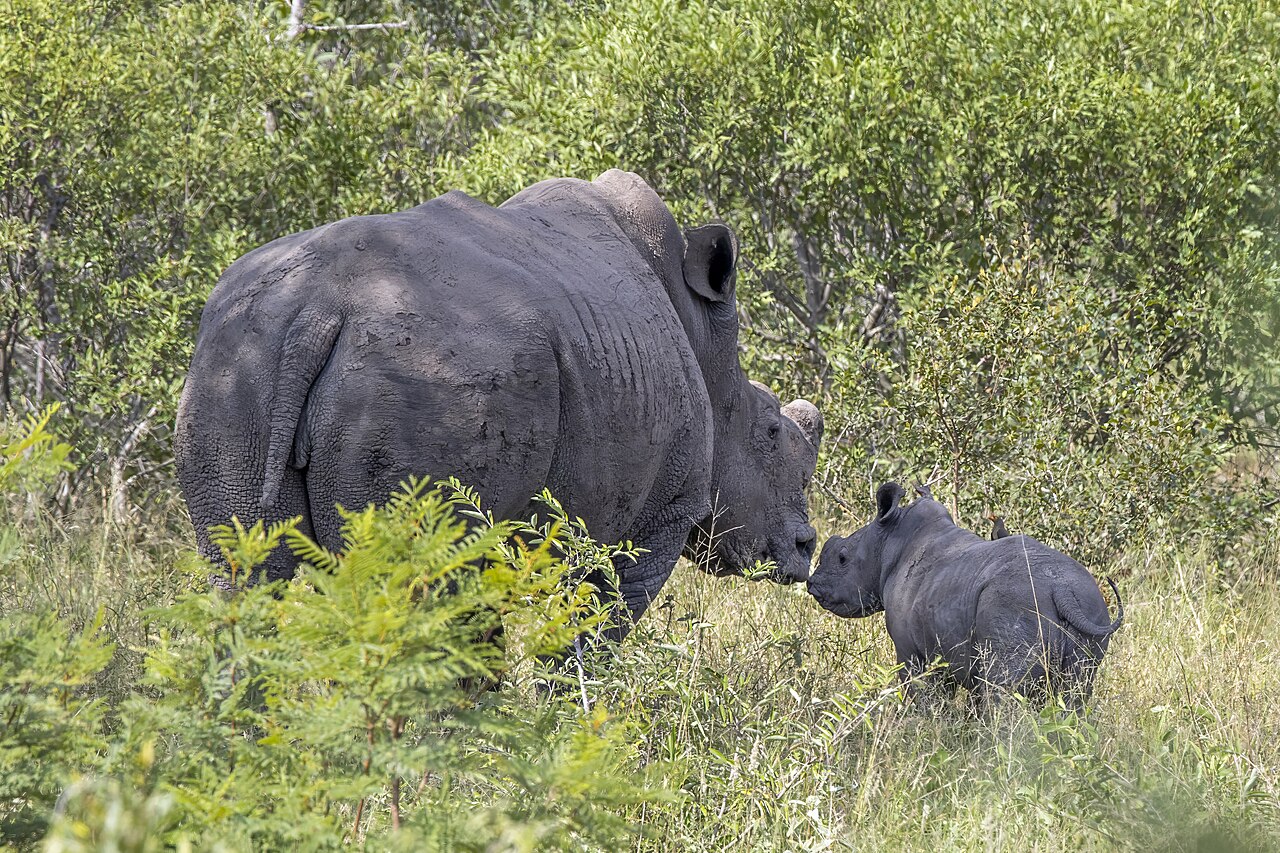
White rhinoceros and calf photographed in Kruger National Park, South Africa on 26 April 2024. This species photograph does not document a current poaching incident or a WARN-funded project.
Photo: Charles J. Sharp / Wikimedia Commons (CC BY-SA 4.0). Commons-generated thumbnail; no further image edits. Display may be cropped. Source CC BY-SA 4.0
- Understand the animal’s needs and the proposed support
- Choose a one-off or monthly gift, or share the evidence
- Read recipient selection and grant records before giving
In brief
Rhino conservation needs vary sharply between the five living species. Illegal killing, small populations and habitat pressures require locally appropriate responses. WARN seeks support for assessed needs and will publish recipient decisions and grant records; a donation does not guarantee a patrol, treatment or rescued calf.
By WARN Research & Conservation TeamLast updated
Choose informed support
Support rhinos
Rhinos need protection that lasts beyond the next headline. Help support carefully assessed care, habitat and conservation needs.
Before you give
Your gift supports this appeal’s stated purpose. Activities described on this page are eligible or proposed support; published grant records show what has been agreed, paid or reported.
Choose an amount and frequency you can afford. No donation amount guarantees a particular rescue, treatment or release.
WARN is a UK community interest company, number 17298990. Gift Aid is unavailable.
Support rhinos
Choose your amount and giving frequency
How often
Choose an amount
Your gift supports this appeal’s purpose. Grants depend on assessed needs, agreed budgets and available funds.
Where should it go?
Secure payment · You'll be directed to a secure checkout.
Secure donation · accepted methods
Secure card checkout powered by Stripe. Card details are entered on Stripe; available wallets depend on your device and browser.
5
Living rhino species
Africa & Asia
Different species and needs
Local evidence
Threats vary between populations
Accountability
Purpose and payment records
Species context checked 8 September 2026. Conservation classifications describe a species or population; they do not measure WARN’s work.
How to support rhinos
Gifts selected for this appeal are intended for eligible rhino welfare and conservation. WARN will assess the species, location, responsible organisation, proposed work and costs before agreeing an award. No paid WARN patrol or named recipient is confirmed on this page.
- 1
Read the purpose and assessment questions
Explore the needs below and read grant selection and where your money goes. A species photograph or an outside organisation’s report does not establish a WARN grant.
- 2
Choose a gift that suits you
Select this appeal, choose one-off or monthly and enter an amount. Review the purpose, currency and frequency before continuing to Stripe. Available wallets depend on your device.
- 3
Follow the published records
Keep your payment receipt and use the grant register for recipient decisions and payment records when published. A receipt confirms your gift; it is not evidence that a grant has already reached a field team.
- 4
Share the evidence
Share dated rhino conservation reports with the correct species and country. Avoid posting sensitive locations or operational details that could expose animals or staff to risk.
Why one rhino story cannot describe every species
Black and white rhinos live in Africa; greater one-horned, Javan and Sumatran rhinos live in Asia. Save the Rhino’s species records show large differences in conservation status and population size. Support that is appropriate for one location may not address the most pressing need elsewhere.
The International Rhino Foundation’s State of the Rhino reporting and Save the Rhino’s threat information explain why illegal killing remains a serious concern alongside habitat and population challenges. A worldwide total can conceal the vulnerability of a very small individual population. Dated species-level evidence is more useful for assessing a proposal than an undated 'one rhino every day' slogan.
Protecting rhinos is an ongoing responsibility involving the relevant authorities and qualified teams. WARN’s proposed support must be tied to a clear purpose, budget and reporting agreement. A photograph of a calf or an outside organisation’s success does not establish that WARN has funded its care.
Evidence: Save the Rhino — Species and population records. External organisations describe their own work; citing them does not identify them as a WARN grantee.
What threats does rhino support need to address?
Illegal killing and trafficking
Protection needs to respond to the local threat and operate under lawful authority. Public fundraising should avoid exposing sensitive animal locations or the routines of the people protecting them.
Limited or fragmented habitat
Population recovery depends on suitable space and appropriate management as well as reducing direct killing. A proposal should explain the habitat problem it would address and who has responsibility for the site.
Small populations and care needs
Very small populations face different challenges from larger ones. Veterinary or continuing-care requests need species-relevant expertise, appropriate oversight and realistic expectations.
Species, geography and donor context
| African species | Black rhino and white rhino |
|---|---|
| Asian species | Greater one-horned, Javan and Sumatran rhinos |
| Classification | Black, Javan and Sumatran rhinos are Critically Endangered; status differs across the five species |
| Population figures | Use the species, reporting year and original source together |
| WARN’s role | Assess proposed support; publish recipient and funding records |
What support could this appeal make possible?
Possible support would be judged against the species, location and documented need. These examples are not promises of a particular unit of work for a gift amount.
Focus1
Authorised protection capacity
Assess specific equipment, training or operating requests with a justified purpose and accountable oversight. Sensitive information should remain protected in public reporting.
Focus2
Qualified veterinary or recovery care
Assess a documented gap in treatment, recovery or continuing care, including access to appropriate professionals and a plan for the animal’s future.
Focus3
Habitat and conservation management
Consider a clearly scoped habitat or monitoring activity with appropriate permissions and evidence of how it supports rhino welfare or conservation.
What should a rhino conservation proposal show?
The questions below help distinguish a plausible activity from an unsupported promise of impact.
- Which species and what local need?
- A proposal should identify the species and the pressure it addresses. Broad claims about all rhinos cannot substitute for a specific purpose.
- What authority and expertise support delivery?
- Review the organisation’s legal responsibility, relevant personnel and ability to carry out the proposed activity safely and lawfully.
- How will money and outcomes be reported?
- Ask for agreed spending evidence and an appropriate activity or outcome measure. Publish enough to be accountable while withholding sensitive locations and operational details.
These are WARN’s assessment priorities for a proposed award. Read the recipient-selection policy.
How to help without donating
Keep sensitive information private
Share the official report rather than adding exact wildlife locations, patrol details or staff information.
Check the species and date
Black, white, greater one-horned, Javan and Sumatran rhino figures describe different populations. Preserve the reporting period in a shared statistic.
Avoid wildlife products and inappropriate contact
Use appropriate authorities or platform tools to report suspected trade. Choose observation experiences that follow the responsible operator’s welfare rules.
How would support reach rhinos?
Gifts selected for this appeal are intended for eligible rhino welfare and conservation. WARN will assess the species, location, responsible organisation, proposed work and costs before agreeing an award. No paid WARN patrol or named recipient is confirmed on this page.
WARN is building its grant-making work. Before an award, an organisation’s authority, welfare standards, budget and ability to report must be assessed. Recipient decisions and grant payments will be published as records become available.
The activities described on this page are eligible needs to assess. They are not a statement that WARN has already paid for a rescue, clinic, patrol or sanctuary place. A suggested gift amount does not guarantee a fixed outcome.
How responsible support works
From a gift to a grant
This is WARN’s grant-making process. Check the published records below for this appeal’s actual progress.
Assess the need
Review an organisation’s identity, local capacity, welfare practices, current request and proposed budget.
Agree the support
Choose a suitable purpose within the appeal, agree the budget and set proportionate reporting requirements.
Record the payment
Publish the recipient, amount, purpose and payment status when a grant record is available.
Follow the results
Report what the recipient can evidence, with dates and limitations. An approved grant and a completed outcome are different stages.
Grant register
Approved commitments and completed payments are different stages. Public records identify recipients and purposes without exposing donor details, banking information or sensitive wildlife locations.
Records not yet published
A reconciled financial summary and individual grant records have not yet been published here. This is a reporting status, not a statement that income, expenditure or grants are zero. Contact WARN for information about your gift.
Ask about a donation or grantLearn more and explore other ways to help
Explore the evidence, practical animal-welfare information and other relevant ways to support the cause.
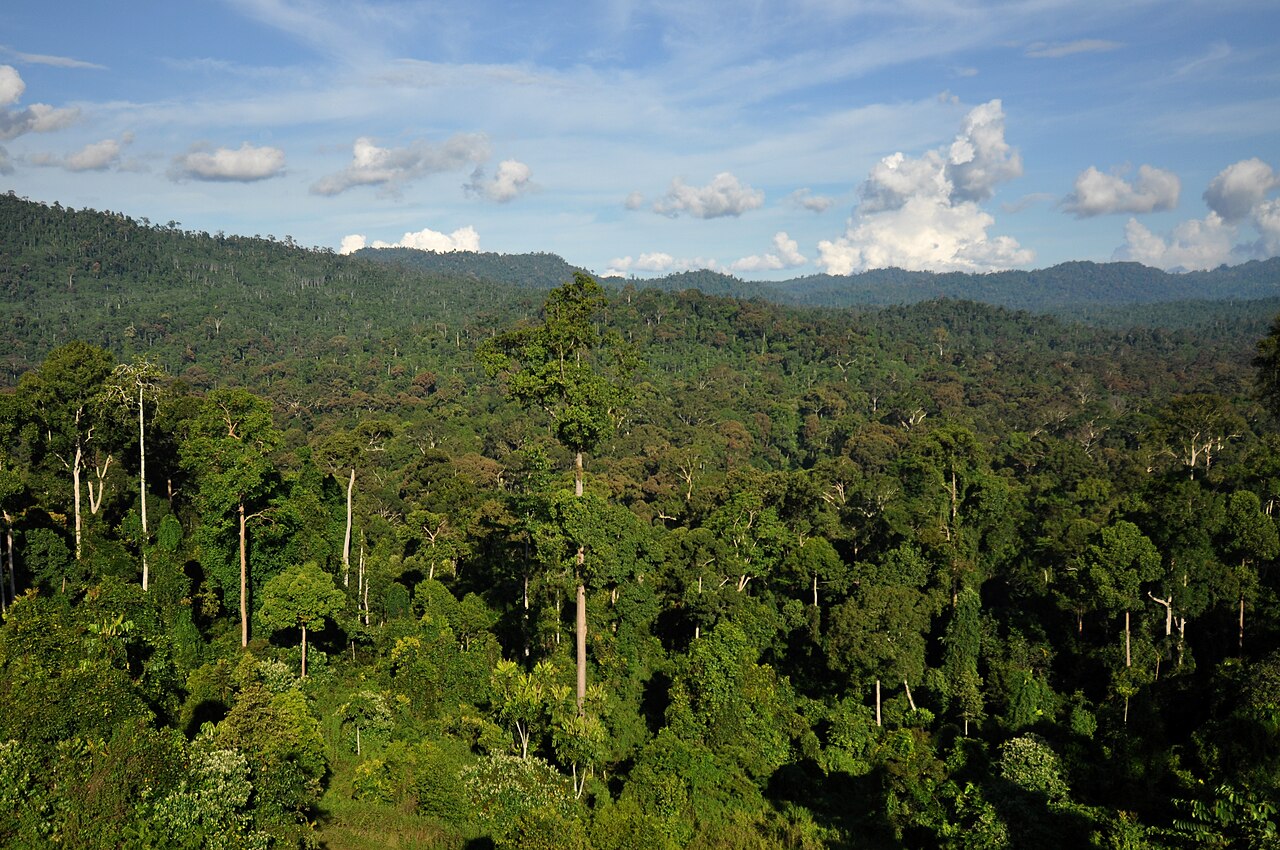
Protect Critical Habitats
Learn about habitat protection, ecological restoration and community stewardship, and how proposed work and its lasting benefit would be assessed.
Open this page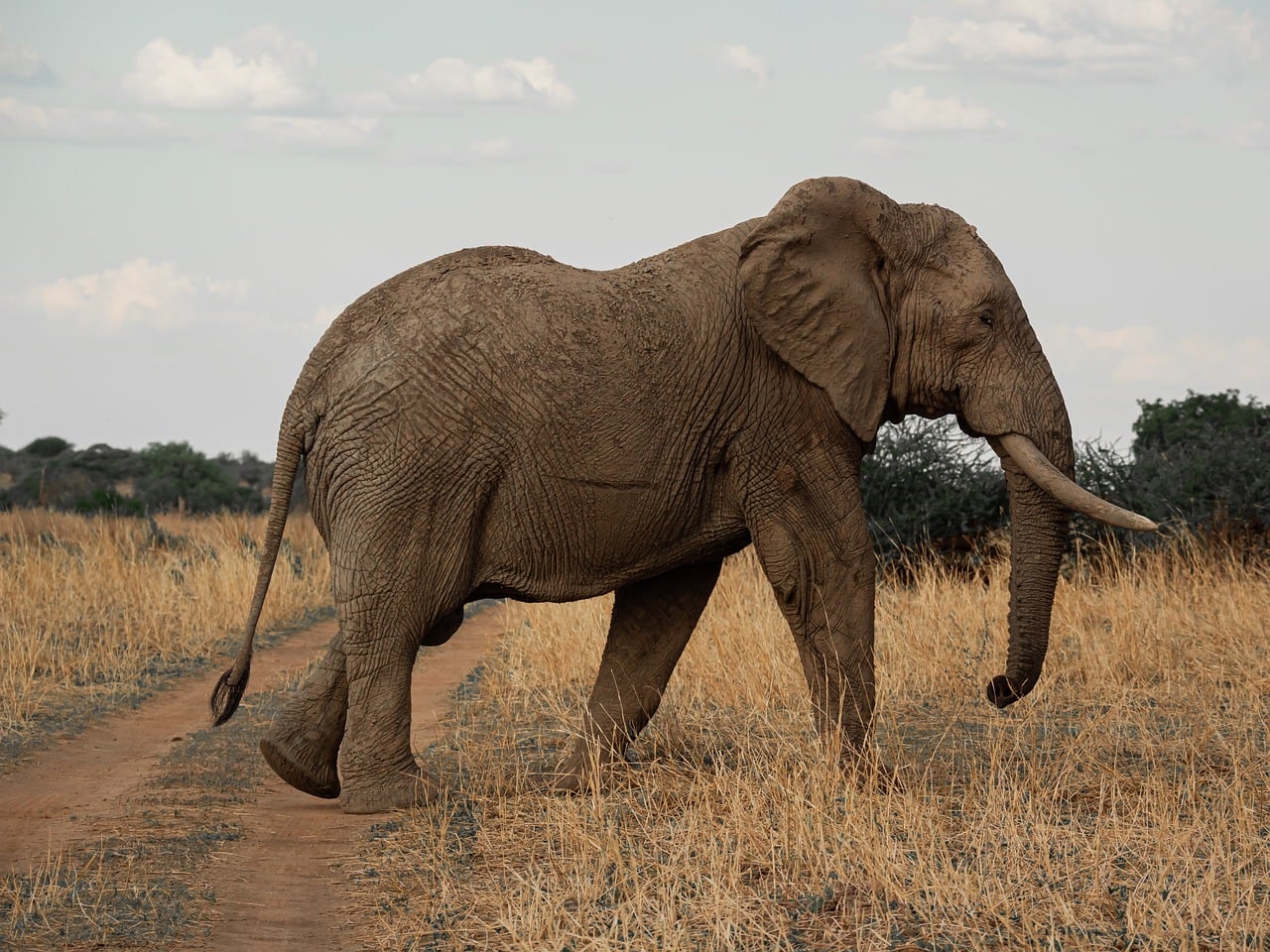
Elephant Rescue & Protection
Explore elephant veterinary care, snare prevention and humane coexistence in Indonesia and Malaysia, with clear proposed purposes and funding records.
Open this page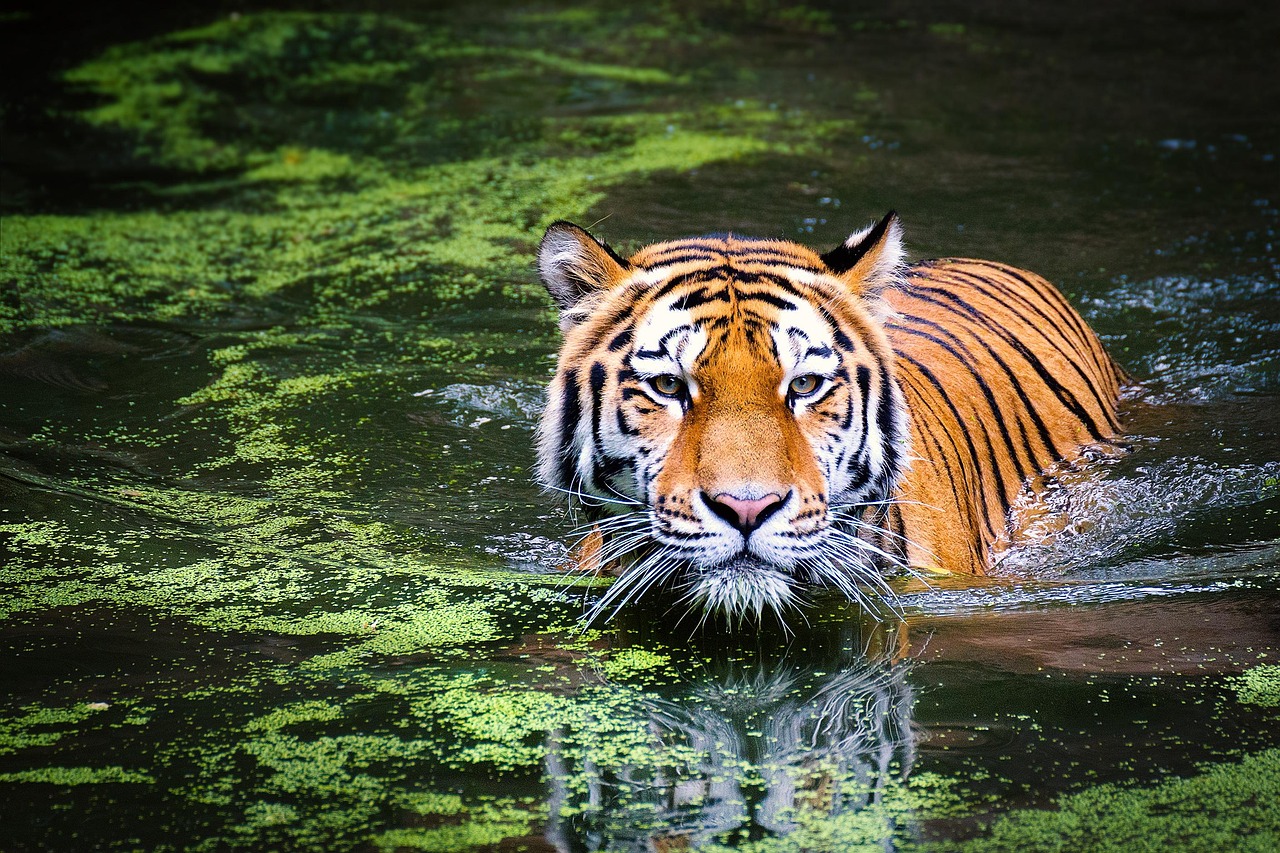
Help Wild Tigers
Tigers need safe habitat and protection from illegal killing and conflict. Explore proposed conservation support and dated evidence before giving.
Open this pageYour questions answered
Rhinos: frequently asked questions
Are all rhino species equally threatened?
Does a donation fund a full patrol day?
Does WARN run a rhino reserve?
Why are exact locations sometimes omitted?
How do I donate to help rhinos?
How can I help rhinos from the UK?
Can I give monthly to help rhinos?
How does my donation reach rhinos?
Is this Gift Aid eligible or US tax-deductible?
Can I help without donating?
Help protect a future for rhinos
Choose a contribution to assessed rhino needs or share the original conservation evidence.
Help rhinos