Sri Lanka · Marine rescue

Sea Turtle Rescue in Sri Lanka

How sea turtle rescue works in Sri Lanka, from nesting beach protection to bycatch response, plastic injury care and hatchling protection.

By WARN Research & Conservation TeamLast updated

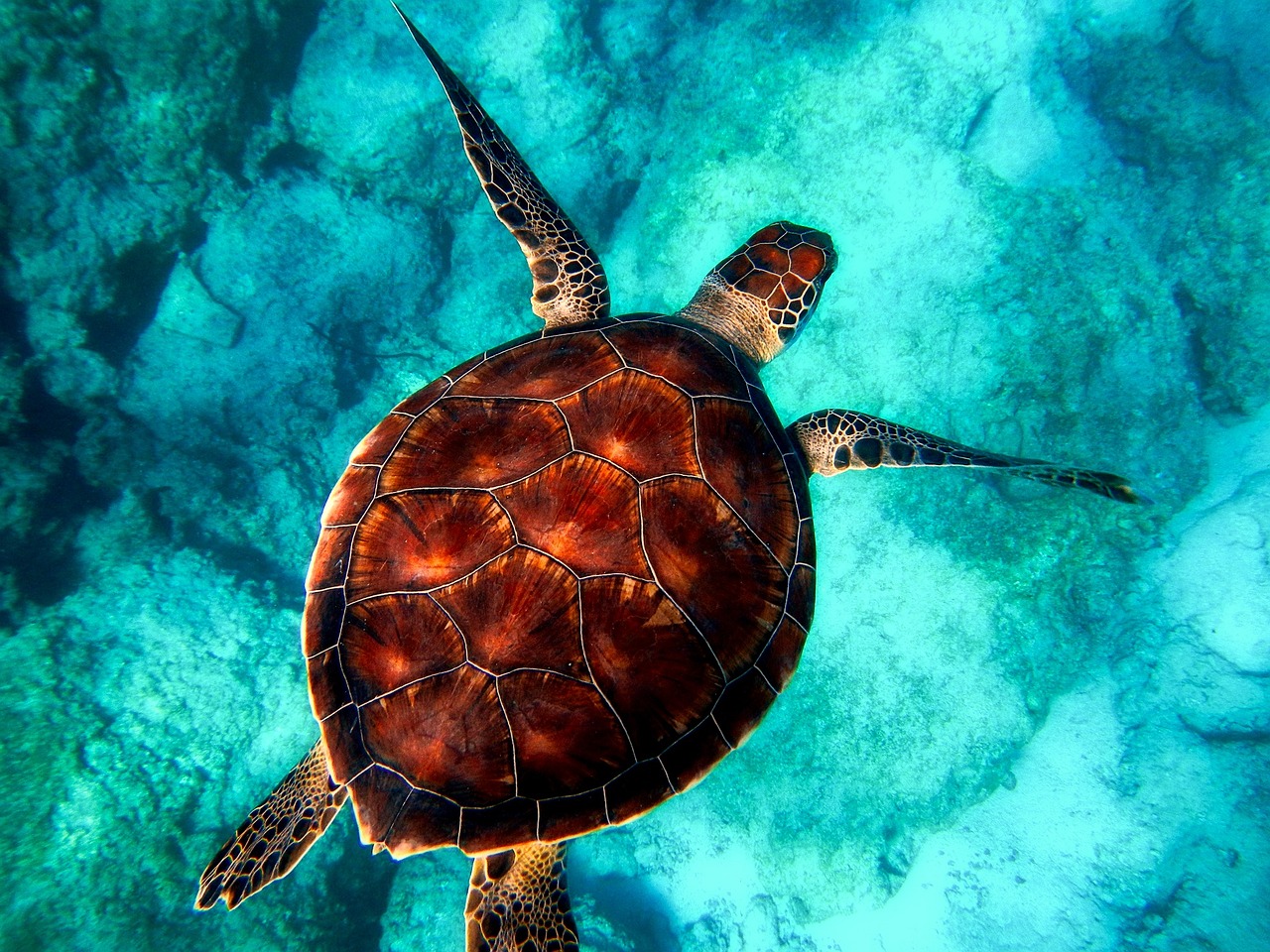
A sea turtle swimming over a reef after rescue and release

In brief

Sea turtle rescue in Sri Lanka focuses on protecting nests, reducing bycatch, treating injured turtles and helping hatchlings reach the sea safely.

7
Sea turtle species
5
Species found in Sri Lanka
1/1000
Hatchlings reaching adulthood
Bycatch
Major threat

Guide 1

Why Sri Lanka Is Important for Turtles

Sri Lanka has nesting and feeding areas used by several sea turtle species, including green, hawksbill, olive ridley, loggerhead and leatherback turtles. Coastal development, light pollution, egg collection, plastic and fishing gear all create rescue needs.

Guide 2

What Sea Turtle Rescue Includes

Rescue can mean protecting nests, relocating eggs only where necessary, treating turtles injured by hooks or ghost nets, supporting turtle-safe fishing gear and releasing rehabilitated turtles when they are medically fit.

Guide 3

Why Hatchery Standards Matter

Some turtle hatcheries are genuinely conservation-focused, while others are tourism businesses with poor welfare and scientific standards. Effective rescue prioritises natural nesting, predator protection, correct sand temperatures and minimal handling.

Guide 4

Nesting Beach Protection in Sri Lanka

Sri Lanka's beaches host green, olive ridley and leatherback turtles. Nest relocation, hatchery standards and minimal handling protect clutches from poaching and lighting disorientation. WARN's sea-turtle appeal funds partner-led nest protection and bycatch triage on the south and east coasts.

Guide 5

Bycatch and Ghost-Gear Injuries

Turtles entangled in fishing gear or ghost nets need emergency veterinary care — flipper amputation, shell repair and rehabilitation before release. Potential grants could support triage supplies and holding pools where coastal fisheries overlap turtle migration routes.

Source Notes

WARN uses named intergovernmental, conservation and animal-welfare sources for numeric claims. These notes summarise the source basis for this page.

IUCN Red List

Several sea turtle species are threatened globally.

CITES

Sea turtles are protected from commercial international trade.

Marine conservation guidance

Best practice prioritises nest protection, reduced bycatch and minimal hatchling handling.

Sea Turtle Rescue in Sri Lanka: Frequently Asked Questions

Which sea turtles nest in Sri Lanka?
Sri Lanka is associated with green, hawksbill, olive ridley, loggerhead and leatherback turtles, though nesting abundance varies by coast and season.
Are turtle hatcheries always good?
No. Hatcheries need strong welfare and conservation standards. Poorly run tourism hatcheries can harm hatchlings through handling, crowding or incorrect release timing.
What injures sea turtles most?
Common injuries come from fishing hooks, ghost nets, plastic ingestion, boat strikes, beach disturbance and egg collection.
Can I donate to sea turtle rescue in Sri Lanka?
Yes — donate to sea turtle appeal or symbolically adopt at adopt a sea turtle from £5/month. Gifts are intended to support nest protection and bycatch triage through Sri Lankan partners.
What makes a turtle hatchery ethical?
Minimal handling, in-situ nests where possible, no tourist touching of hatchlings, and release at night toward the ocean. See ethical turtle hatchery sri lanka.
Does WARN run hatcheries in Sri Lanka?
No. WARN is developing grant support. Check the relevant appeal and /about/where-your-money-goes/#grant-register for recipient selection, agreements and published payments. Field work remains partner-led.
Which turtle species nest in Sri Lanka?
Green, olive ridley and leatherback turtles — all threatened by fisheries bycatch, nest poaching and coastal development.
How can I check whether WARN has paid a grant?
Read /about/where-your-money-goes/#grant-register for published recipient, approval and payment records. A reconciled financial summary and individual grant records have not yet been published here. This is a reporting status, not a statement that income, expenditure or grants are zero. Contact WARN for information about your gift.

Help Fund Frontline Rescue

World Animal Rescue Network CIC (Company no. 17298990) raises funds for established local partners. Your support helps build the rescue capacity these animals need.

Support Sea Turtle Rescue