Guide 1
What the June 2026 Raids Recovered
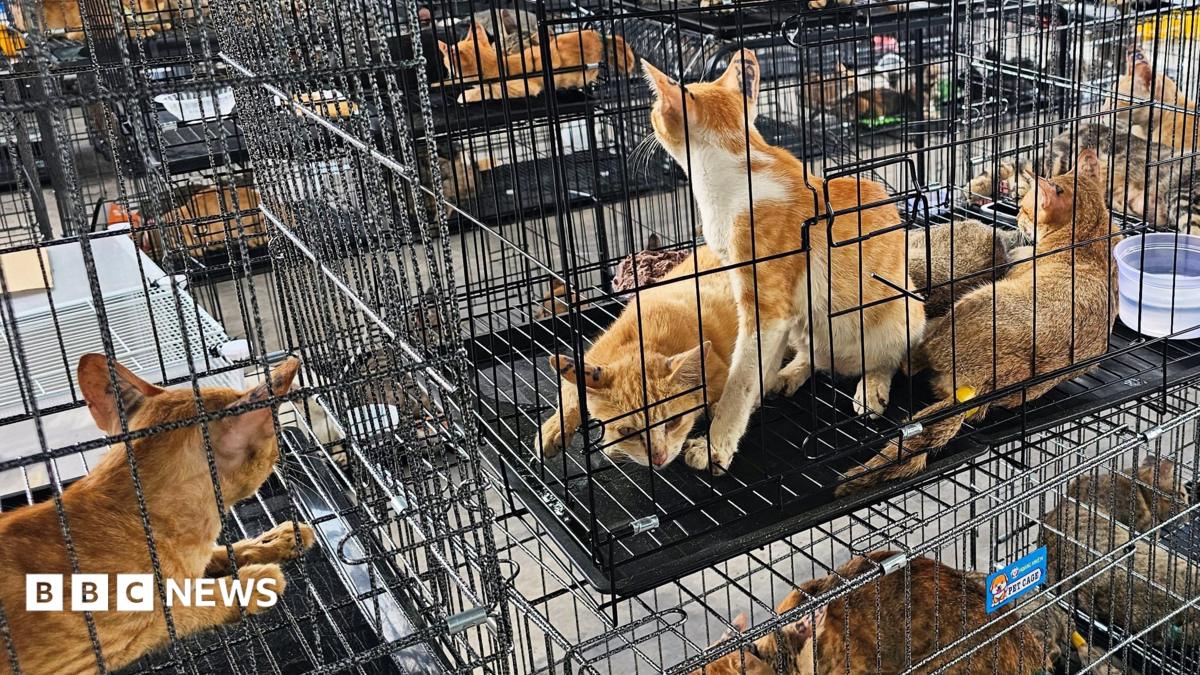
Reporting from animal welfare groups and police accounts describes more than 400 live cats, around 80 dead cats preserved on ice, and 21 additional cats at a separate facility. Police arrested nine people linked to an alleged group that collected stolen cats across southern Vietnam for roughly three years before selling them to meat traders every two to three days.
Guide 2
Why Stolen Pets Matter in This Case
Collectors often target owned cats because demand can exceed available strays. Humane World for Animals reported more than 40 reunions with owners after this raid — direct evidence that pet theft, not only street collection, feeds the trade.
Guide 3
What Survivors Need After Seizure
Successful raids still leave a care bottleneck: quarantine, rabies risk assessment, wound treatment, vaccination, parasite control and shelter placement. Without funded capacity, even large seizures overwhelm local welfare teams.
Guide 4
June 2026 Police Raid Context
A June 2026 police operation in Vietnam intercepted more than 400 stolen pet and stray cats bound for the meat trade. Post-seizure care — quarantine, veterinary triage, disease screening and shelter placement — is the critical gap WARN partner grants address.
Guide 5
Stolen Pets Versus Stray Cats
Many seized cats wear collars or microchips — evidence they were pets stolen from homes. Reunification attempts, quarantine and long-term shelter care all require funded capacity partners are scaling with international support.