Wildlife Guide · Thailand & Cambodia
Betta
Betta splendens (Regan, 1910)
The labyrinth fish of rice paddies — wild Vulnerable, pet trade flooded with fighting-fish myths.
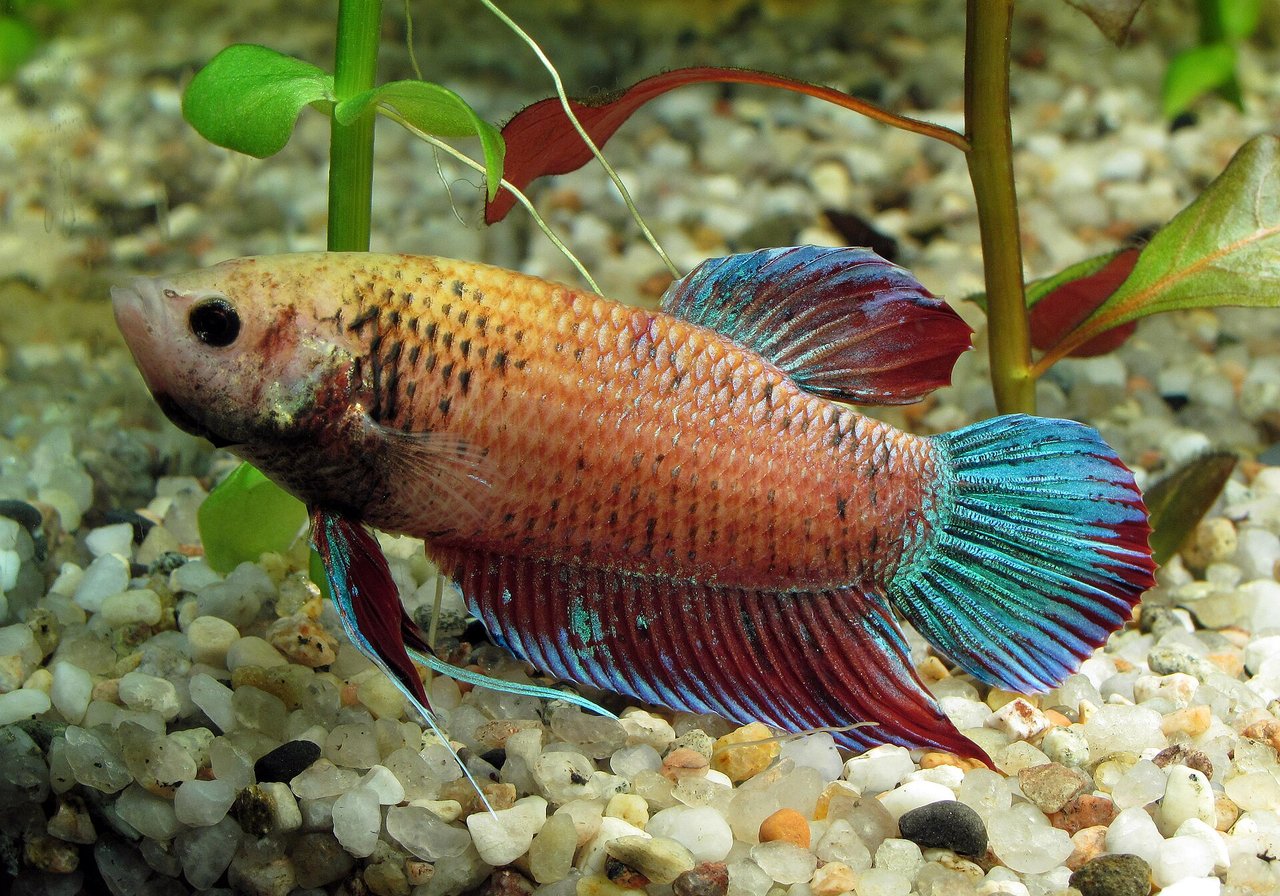
Source: Wikimedia Commons
In brief
Betta splendens is a Vulnerable labyrinth fish of South-east Asian rice paddies — males are territorial; pet bettas need heated filtered tanks of at least 15–20 litres, not unheated bowls or vases.
Also in Animals A to Z · Animals that start with B
How you can help
You can support the related appeal — read its purpose, recipient status and fund terms first — or give once to where it is needed most. Sharing accurate information helps too.
By WARN Research & Conservation TeamLast updated
The Siamese fighting fish (Betta splendens) is a labyrinth fish native to shallow waters of Thailand and neighbouring countries, listed Vulnerable on the IUCN Red List as habitat loss, pollution and hybridisation with released ornamental strains threaten wild populations. Male bettas defend territories fiercely — a behaviour exploited in historic fighting pits and modern marketing that sells them in unheated vases as if they thrive alone in stagnant water. Captive lines show extreme finnage from selective breeding, but all bettas need heated, filtered tanks, gentle flow and enrichment — not flower vases on desks.
Vulnerable
IUCN Red List status (2011 assessment)
15–20 L+
Minimum heated tank size commonly recommended
76–82 °F
Typical preferred temperature range (24–28 °C)
Not listed
CITES — high-volume captive breeding
Figures sourced from IUCN Red List — Betta splendens, OATA — betta welfare guidance, Practical Fishkeeping — betta care .
Betta: Quick Facts
| IUCN status | Vulnerable (2011) |
|---|---|
| Native range | Thailand, Cambodia, Laos, Vietnam |
| Labyrinth organ | Breathes air at surface — still needs clean water |
| Temperature | 24–28 °C (76–82 °F) |
| Male housing | Solitary — never two males together |
| CITES | Not listed — captive-bred trade |
Scientific Classification
| Kingdom | Animalia |
|---|---|
| Phylum | Chordata |
| Class | Actinopterygii |
| Order | Anabantiformes |
| Family | Osphronemidae |
| Genus | Betta |
| Species | Betta splendens (Regan, 1910) |
Conservation Status
- IUCN Status
- Vulnerable (IUCN, 2011). Habitat loss, pollution and hybridisation with ornamental releases.
- Population
- Wild population declining; captive trade in hundreds of millions annually
- Trend
- Decreasing in the wild
- Assessed
- 2011
- CITES
- Not listed
Key Facts: Betta
- Wild Betta splendens are Vulnerable — habitat loss and pollution threaten native range.
- Males fight to serious injury — never house two males together.
- Labyrinth organ allows air breathing but does not remove need for clean heated water.
- Unheated vases and 'betta bowls' cause immune suppression and early death.
- Long-finned show morphs are human-bred — wild fish are duller green-brown.
- WARN's twelve-morph betta library covers halfmoon, plakat, crowntail and more.
Wild bettas and Vulnerable status
Wild Betta splendens inhabit shallow rice paddies, slow streams and floodplain pools in the Mekong basin — murky, warm, vegetation-rich water quite unlike a desktop vase. The IUCN lists the species Vulnerable: agricultural intensification, pesticide runoff and drainage of wetlands reduce habitat while ornamental releases hybridise wild genetics.
Wild males show shorter fins and green-brown cryptic colouration — spectacular red and blue show fish are generations of captive selective breeding. Conservation of wild bettas depends on protecting rice-field mosaic habitats, not only banning wild harvest (which captive breeding largely replaced).
Territorial behaviour and tank mates
Male bettas evolved to defend bubble-nest territories — seeing another male triggers flaring, chasing and biting that continues until one is dead or removed. Females can be kept in carefully structured sorority tanks by experienced keepers but aggression still erupts — most households should keep one betta alone in a species tank.
Community tanks are possible with caution: avoid fin-nippers like barbs and fast swimmers that stress slow-finned males. Shrimp and snails often work; bright male guppies may be mistaken for rivals. Line-of-sight blocks with plants reduce stress from reflections.
Heated tanks, filtration and enrichment
Bettas are tropical — room-temperature water in Britain causes chronic stress and susceptibility to fin rot and ich. A heater maintaining 24–28 °C and a gentle filter preventing ammonia buildup are baseline requirements. Minimum tank volumes of 15–20 litres give swimming space and stable parameters; larger allows live plants and hiding spots.
Bettas enjoy resting on broad leaves near the surface — their labyrinth organ supplements oxygen but does not excuse dirty water. Soft flow matters: strong filters blow fish against glass. Enrichment includes live or silk plants, caves and occasional mirror exposure for short exercise — not constant mirror stress.
Pet trade myths and welfare failures
Marketing still sells bettas as vase fish that eat plant roots — a fiction causing starvation and ammonia burns. Carnivorous bettas need high-protein pellets and frozen foods, not roots. Cup display in shops causes chronic stress; buyers should select active fish with intact fins and clear eyes.
Breeding extreme finnage produces fish that struggle to swim — ethical keepers support plakat (short-fin) lines or provide shallow tanks with resting spots. WARN opposes fighting-fish culture and vase marketing equally.
Explore betta breeds on WARN
Fin shape and colour morphs change swimming ability and care priorities. WARN publishes a twelve-morph betta library at betta covering halfmoon, plakat, crowntail, delta, butterfly, marble and more — each with fin type, temperament, typical size, health notes and heated-tank FAQs.
Plakats suit community setups better than heavy halfmoons; crowntails need pristine water to prevent fin fray infection. The library links every morph back to wild Vulnerable Betta splendens ecology — reminding readers that pet fish have threatened wild cousins in Thai rice paddies.
Betta Types & Morphs Guide
From the Halfmoon and Crowntail to the Plakat, Veiltail, Delta tail and five more — explore 12 of the world's most searched betta fish morphs with temperament, tank setup, common health issues and responsible fishkeeping guidance.
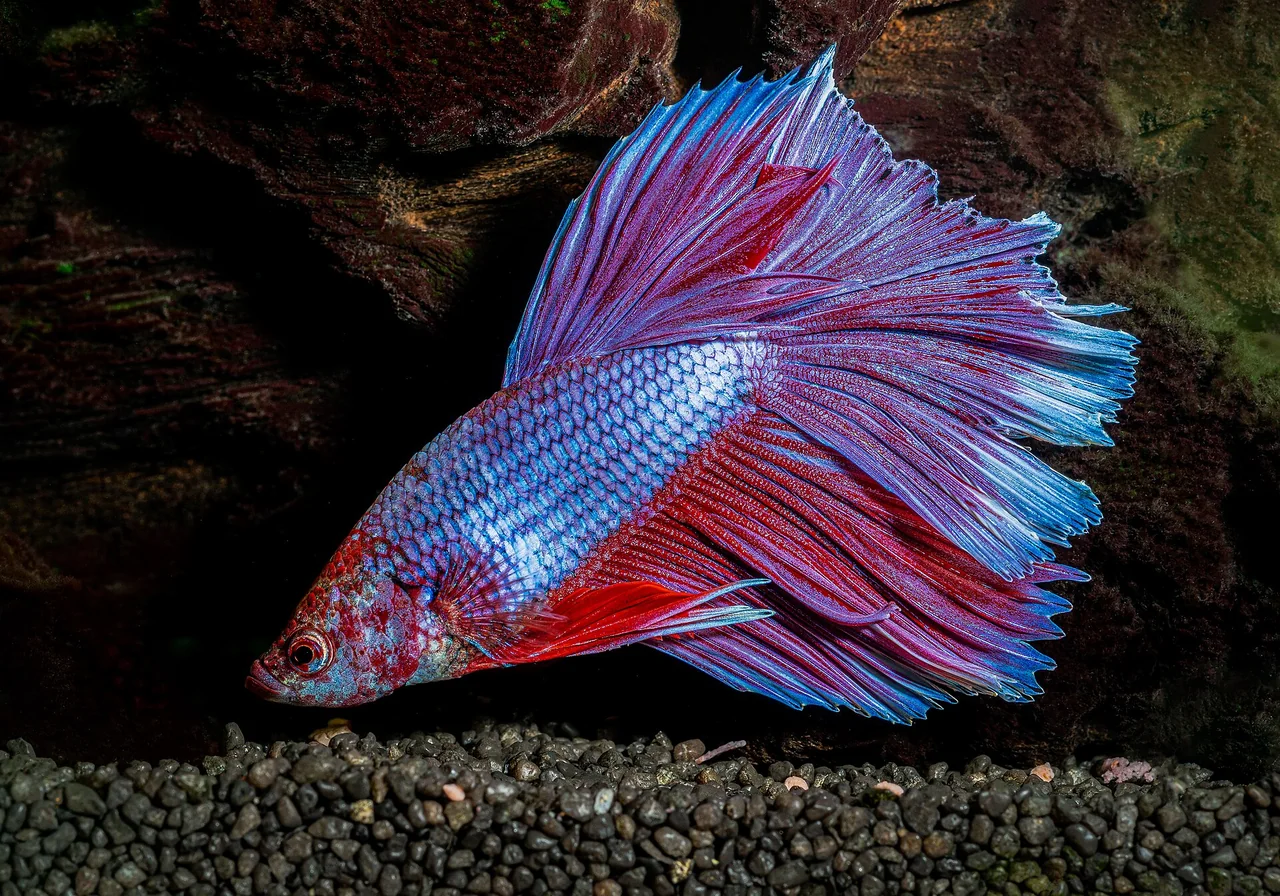
Halfmoon
Thailand (domestic line)
Territorial, solitary, showy
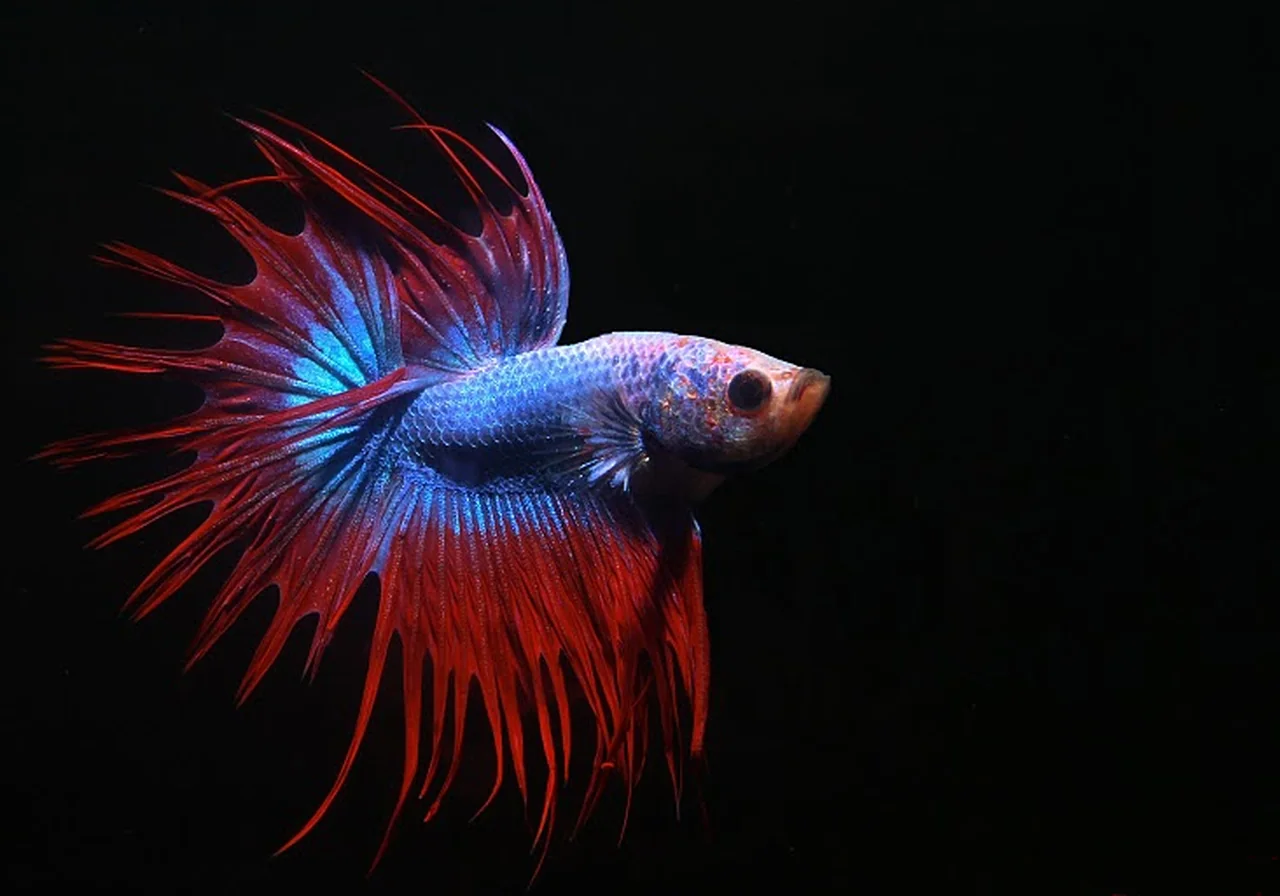
Crowntail
Thailand (domestic line)
Aggressive display, solitary, fin-prone
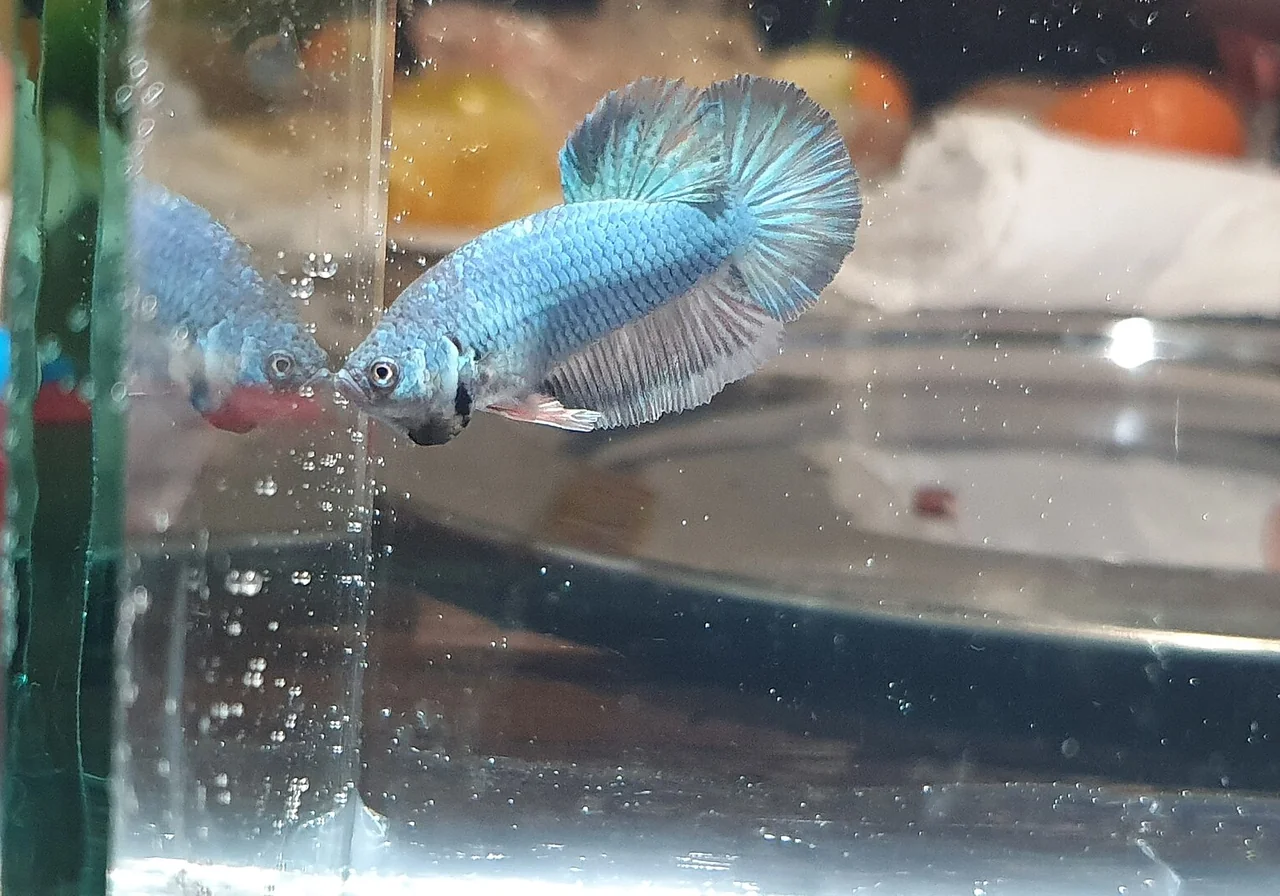
Plakat
Thailand (fighting-fish line)
Hardy, active, short-finned
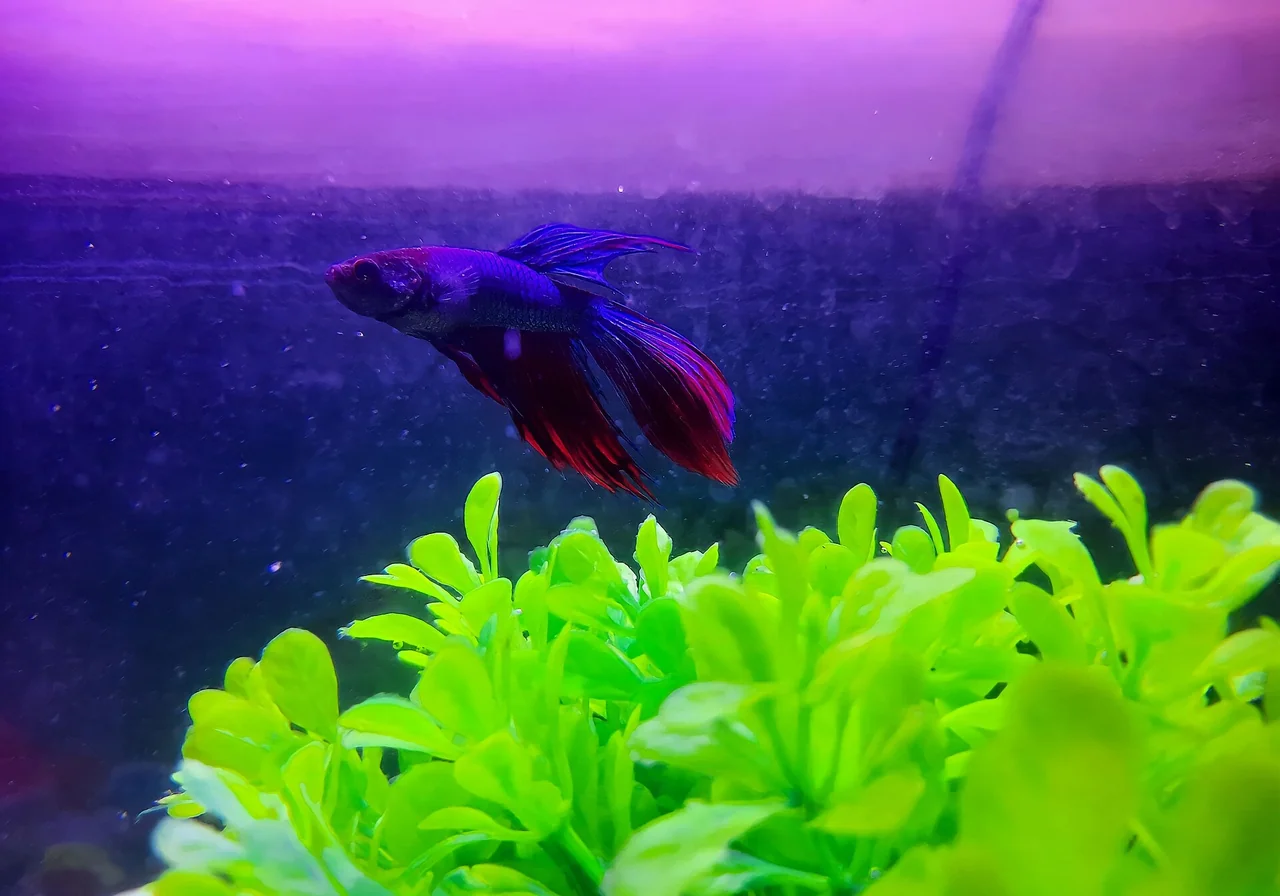
Veiltail
Domestic (early pet-trade line)
Calm, common, long-finned
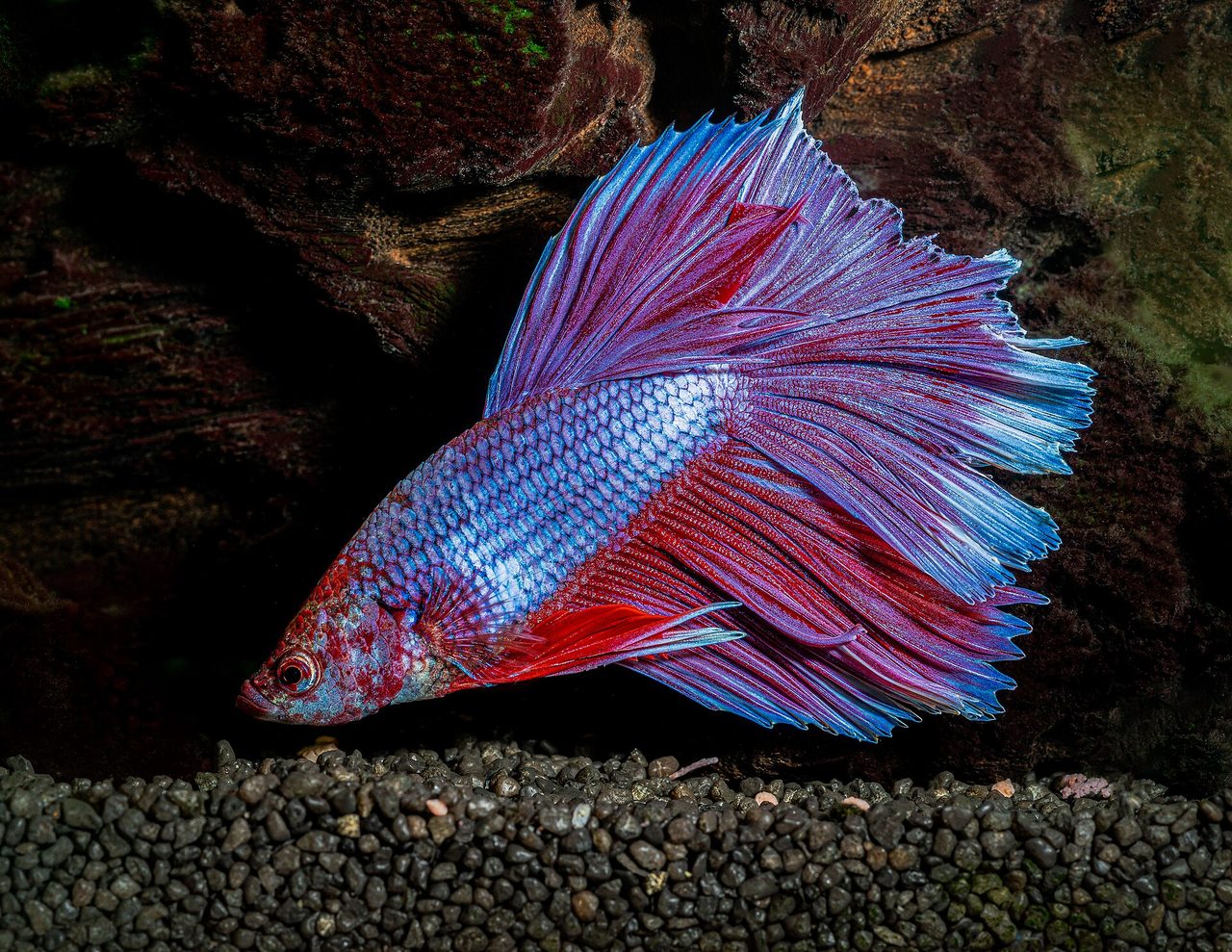
Delta Tail
Domestic (line-bred morph)
Territorial, active, display-oriented
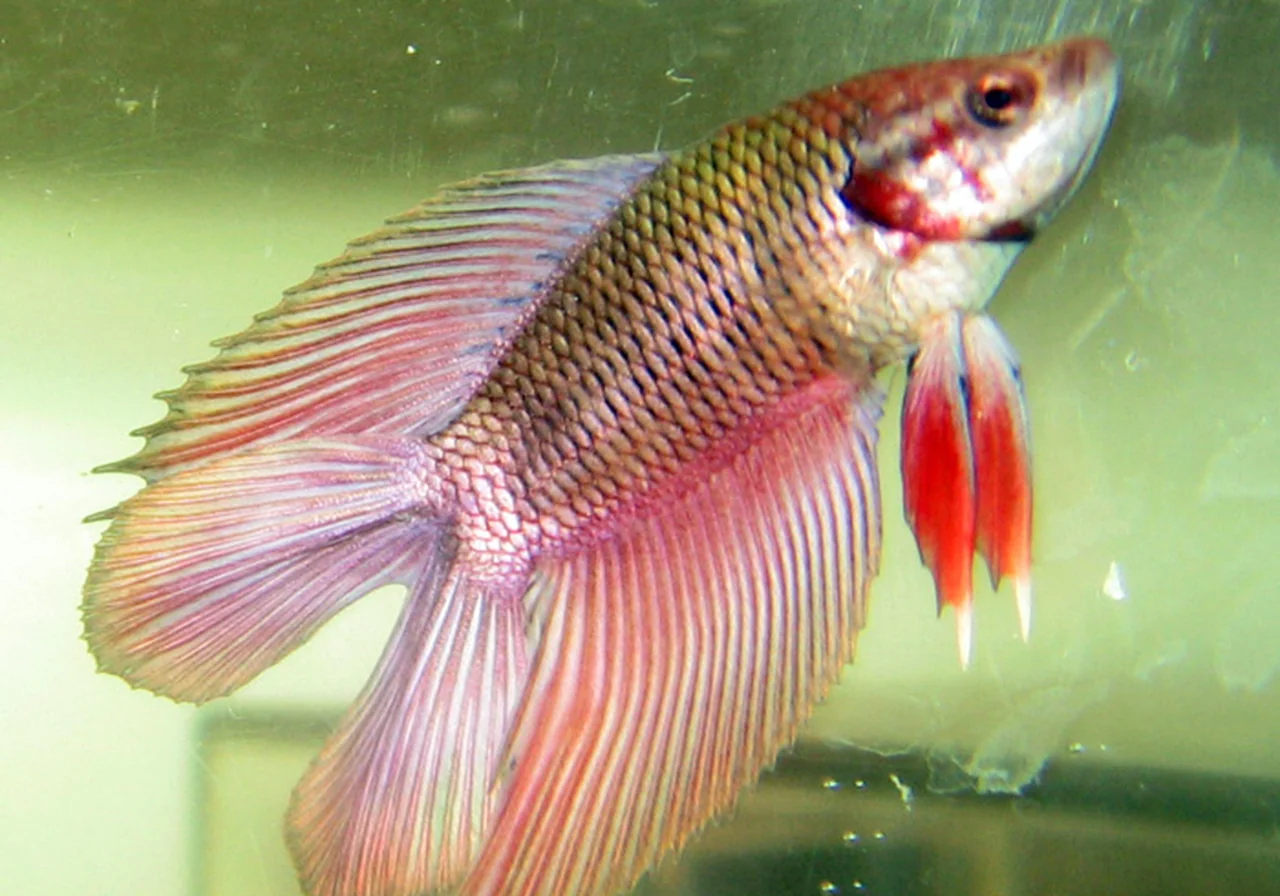
Double Tail
Domestic (line-bred morph)
Showy, sometimes shorter-bodied, solitary
Elephant Ear
Domestic (Dumbo line)
Calm, distinctive, fin-heavy
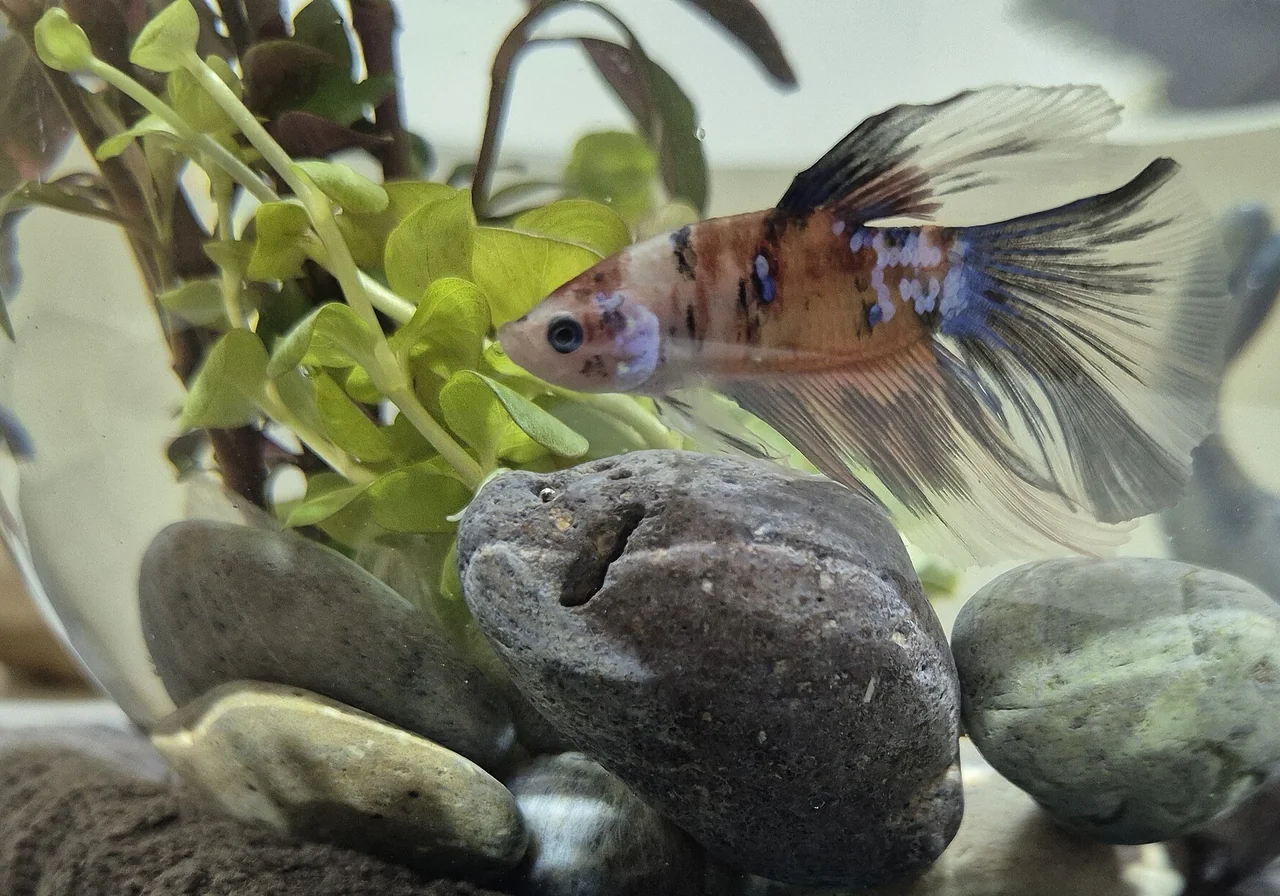
Koi
Domestic (marble colour pattern)
Active, colour-changing, solitary
Dragon Scale
Domestic (thick scale mutation)
Hardy-looking, scale-armoured, solitary
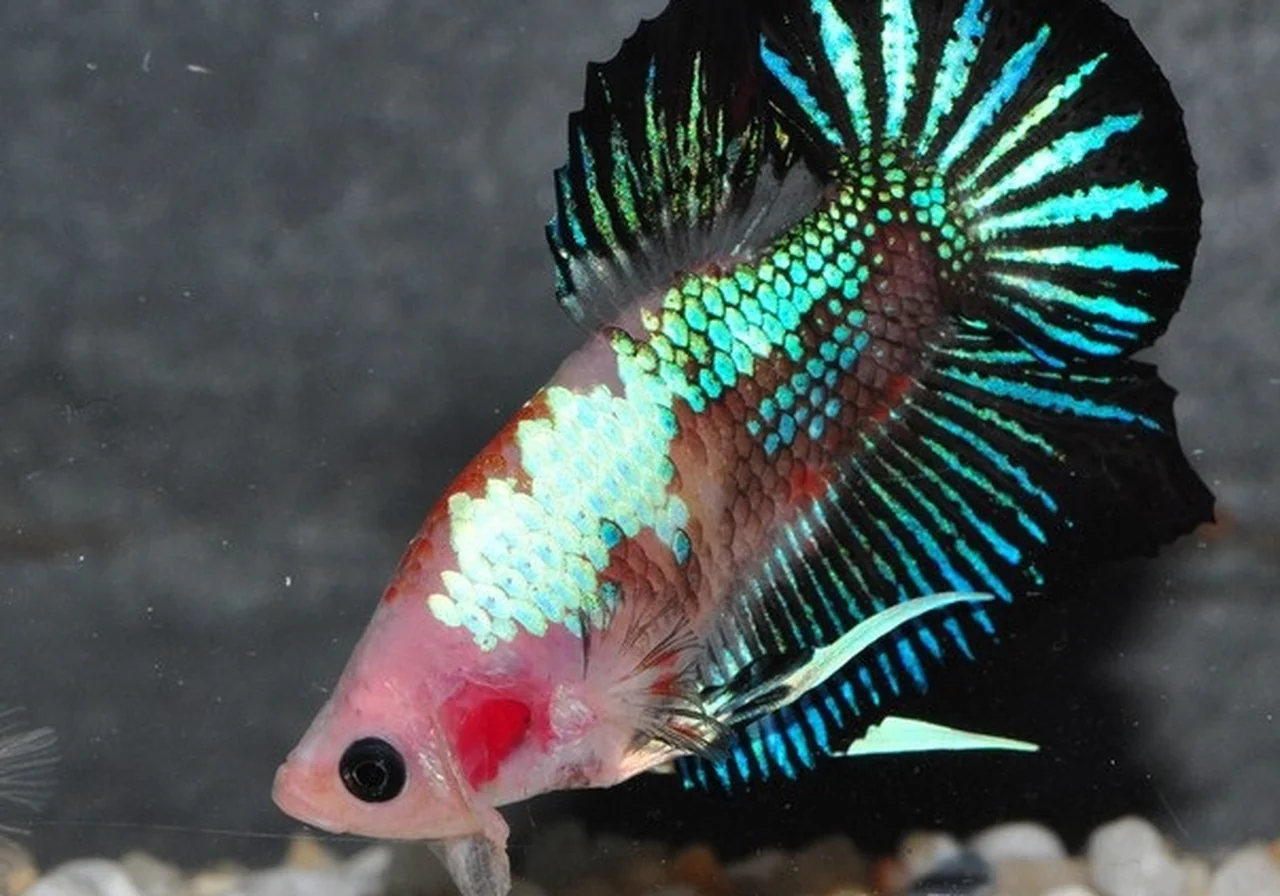
Marble
Domestic (jumping gene colour)
Active, colour-changing, hardy
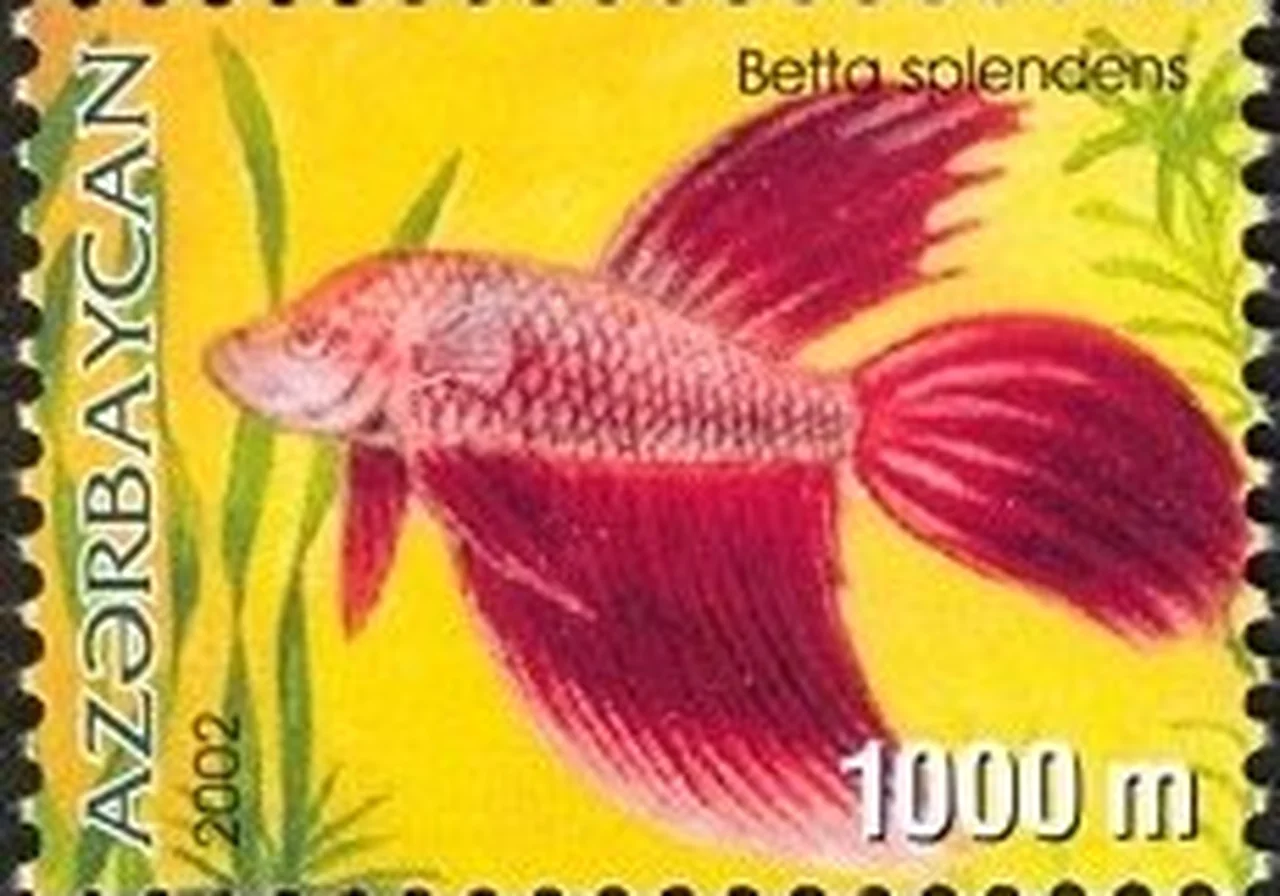
Butterfly
Thailand (domestic line)
Territorial, solitary, showy
Spade Tail
Domestic (line-bred morph)
Active, territorial, inquisitive
What WARN Does
WARN publishes free aquarium welfare education in South-east Asia and worldwide. Wild bettas share rice-field landscapes with farming communities in Thailand — habitat protection and honest pet-trade education both support Vulnerable Betta splendens populations.
If this guide helps you understand wildlife and the pressures it faces, a gift to WARN supports habitat protection and free public education in our partner countries.
How can I help save the betta?
Explore practical ways to support the betta, from everyday choices and sharing reliable information to reviewing a related appeal before giving.
Explore ways to support
Read the related appeal’s purpose, recipient status and fund terms. Choose an affordable gift after checking what is proposed and what has been reported.
Ease the pressures
Avoid the wildlife trade and souvenirs, never buy wild animals as pets, and choose sustainable, habitat-friendly products — the threats behind the betta's decline fall when demand does.
Spread the word
Share accurate, sourced information about the betta. Wider awareness is what turns concern into lasting protection.
Betta: Frequently Asked Questions
How can I help save the betta?
Can bettas live in a bowl without a heater?
Why can't two male bettas live together?
Are wild bettas endangered?
Do bettas eat plant roots in vases?
What do siamese fighting fishs eat?
Where do siamese fighting fishs live?
Are siamese fighting fishs dangerous?
How long do siamese fighting fishs live?
How big is a siamese fighting fish?
Sources & References
Population figures, conservation status and biological facts on this page are drawn from authoritative scientific and intergovernmental sources.
Terms used on this page
Plain-English definitions, from our wildlife and conservation glossary.
Latest Betta Stories
Quick, fact-checked reads on the betta — amazing facts, key questions and the threats it faces.
Briefings
White Tiger Breeding: Welfare, Evidence and Responsible Support
Understand the concerns about breeding for rare tiger colours, how to assess conservation claims and why caring for existing animals remains important.
Read the storyBriefings
Ten Million Dogs and Cats: The Hidden Scale of Southeast Asia's Meat Trade
Investigations across Vietnam, Cambodia and Indonesia point to an estimated ten million dogs and cats slaughtered for meat each year — many of them stolen pets. Here is what the trade looks like and what reform now requires.
Read the storyBriefings
Thailand Wildlife Tourism: The Hidden Cost Behind the Selfie
Elephant rides, tiger venues, bear photo-ops, slow loris selfies — Thailand's wildlife-tourism industry hides serious welfare problems behind a friendly facade.
Read the storyExplore more animals
Discover more animals, their habitats and their conservation status in the WARN wildlife-guide library.