Wildlife Guide · Australia
Budgerigar
Melopsittacus undulatus (Shaw, 1805)
Australia's tiny parrot — a wild flocking bird, not just a cage pet.
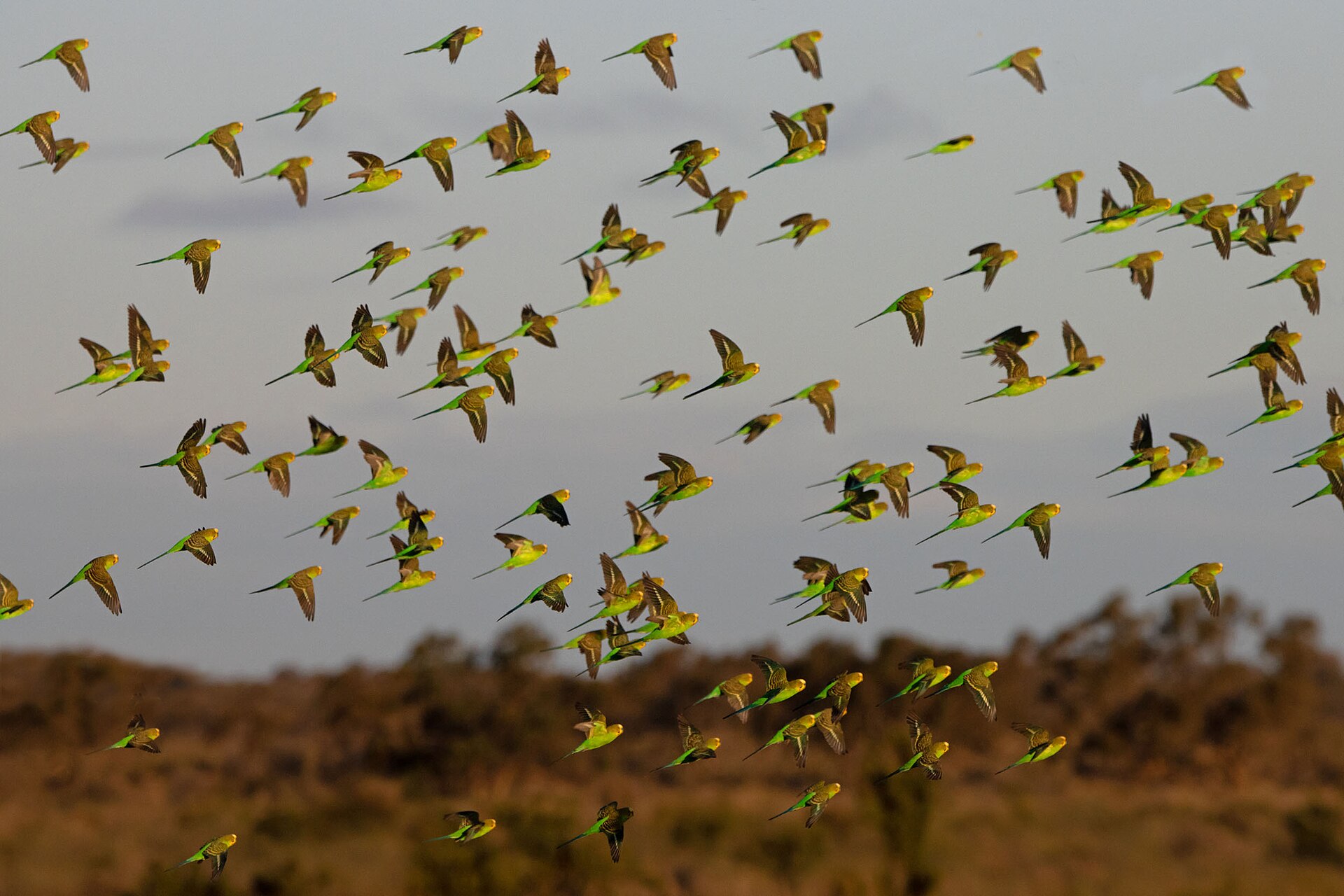
Photo: PotMart186 / Wikimedia Commons (CC BY-SA 4.0)
In brief
The budgerigar (Melopsittacus undulatus) is a small Australian parrot — Least Concern in the wild — famous in captivity but naturally a nomadic flocking bird of the Outback, related to macaws and cockatoos within the parrot order.
Also in Animals A to Z · Animals that start with B
By WARN Research & Conservation TeamLast updated
The budgerigar, or budgie, is a small parrot native to the arid interior of Australia. Wild birds wear green and yellow scalloped plumage and form large nomadic flocks that follow water and seeding grasses. Globally it is one of the most popular cage birds, with countless colour morphs bred in captivity. In the wild the species remains Least Concern with a vast range, though drought and habitat change affect local abundance. Understanding budgerigars as wild parrots — cousins to macaws and cockatoos — reframes how we view the pet trade.
18 cm
Typical length — one of the smallest parrots
LC
IUCN Least Concern status
5+ million
Estimated global captive population
CITES II
Commercial trade regulated
Figures sourced from IUCN Red List — budgerigar, Smithsonian National Zoo — budgerigar, Encyclopaedia Britannica — budgerigar and other references on this page.
Budgerigar: Quick Facts
| Common names | Budgerigar, budgie, shell parakeet |
|---|---|
| Wild range | Arid and semi-arid Australia |
| IUCN status | Least Concern |
| Wild colour | Green and yellow with black barring |
| Length | About 18 cm |
| Related guides | Parrot, macaw, cockatoo |
Scientific Classification
| Kingdom | Animalia |
|---|---|
| Phylum | Chordata |
| Class | Aves |
| Order | Psittaciformes |
| Family | Psittaculidae |
| Species | Melopsittacus undulatus |
Conservation Status
- IUCN Status
- Least Concern globally. Wide range across interior Australia with large nomadic populations; local fluctuations follow drought and rainfall cycles.
- Population
- Millions of wild individuals; no precise global census
- Trend
- Stable overall; local decreases during severe drought
- Assessed
- 2018
- CITES
- Appendix II — international trade requires permits
Captive colour morphs are not separate species; conservation focus is on wild green-form ecology.
Key Facts: Budgerigar
- Wild budgerigars are green and yellow; blue, white and other colours are captive-bred mutations.
- Budgies belong to the parrot order — see WARN guides on parrot, macaw and cockatoo for related context.
- In Australia flocks can number thousands, moving with rainfall and grass seed availability.
- Captive budgies still need flight space, companionship and mental stimulation — not just a small cage.
- Wild population is Least Concern, but drought and land-use change affect regional numbers.
- Illegal capture of wild birds for export still occurs despite legal captive supply.
Wild budgerigars of the Outback
Melopsittacus undulatus occurs across mainland Australia except the wettest coastal fringes and Tasmania. Wild budgerigars inhabit open woodland, scrub and grassland, nesting in tree hollows — often after rainfall triggers breeding. Flocks are nomadic, tracking seeding native grasses and waterholes across semi-desert landscapes.
Natural colouration is green with a yellow head and black barring on the wings and mantle — excellent camouflage among eucalyptus foliage. Males typically have a blue cere (nostril area); females brown or tan, aiding sexing in the field.
Mass flock movements after heavy rains are among Australia's great wildlife spectacles. Documentary footage of swirling green clouds above the Outback reflects natural behaviour far removed from solitary cage life.
From wild parrot to global pet
Budgerigars entered European aviculture in the mid-nineteenth century and became the world's most widely kept parrot. Selective breeding produced blue, white, yellow-faced and pied morphs unknown in nature. The pet industry now relies almost entirely on captive propagation in Europe, North America and Asia.
Despite abundant legal supply, wild-trapped budgerigars occasionally enter illegal trade chains, laundered as captive-bred. CITES Appendix II requires documentation for international commercial shipments.
Even small parrots need welfare standards: paired or grouped housing, daily flight exercise, varied diet beyond seed alone and veterinary care. Budgies live 5 to 10 years commonly, with some reaching 15 — longer than many owners expect.
Ecology and conservation
The IUCN lists the budgerigar as Least Concern with a stable, enormous range. Population estimates run to millions of wild birds, though precise counts are impossible given nomadism. Local declines may occur during prolonged drought when water and seed fail simultaneously.
Agricultural expansion and cattle grazing alter grass communities budgerigars depend on, but the species adapts to some modified landscapes. Invasive predators and competition for nest hollows with introduced starlings pose regional risks.
Conservation priority is lower than for Critically Endangered parrots, yet the budgerigar serves as an ambassador species: learning its wild ecology builds respect for all Psittaciformes, including heavily trafficked macaws.
Budgerigars in the parrot family
Taxonomically budgerigars sit within the cockatoo lineage (superfamily Cacatuoidea) as the only small long-tailed member. They share zygodactyl feet, hooked bills and vocal learning with macaws and cockatoos — see WARN's parrot hub for trade and conservation themes spanning the order.
Brazil and Colombia host very different parrots — macaws and Amazon parrots — but the welfare lesson is shared: parrots are not disposable decorations. Longevity, intelligence and social needs apply at every scale from budgie to hyacinth macaw.
Readers considering a budgie should adopt from shelters, provide aviary space where possible and never support vendors of unclear origin. Wild budgerigars belong under Australian skies in flocks, not in smuggler's boxes.
Budgerigar Colour Varieties Guide
From the wild-type Light Green and Sky Blue to the Lutino, Albino, Spangle, Pied and the large English (exhibition) type — explore popular budgerigar colour varieties, how each mutation arises, how to tell the sexes apart, and the welfare and care these small flock parrots need.
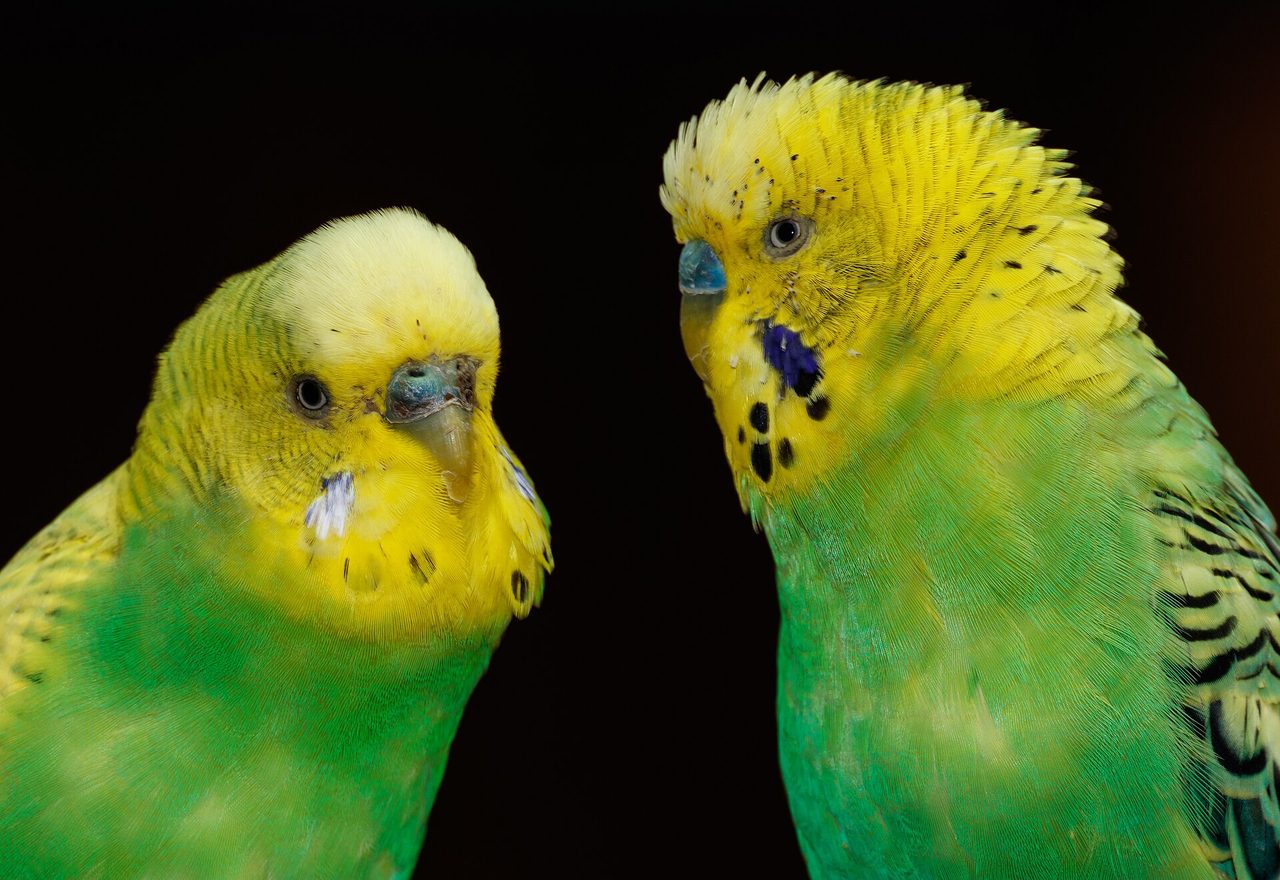
Light Green (Wild-type)
Domestic colour variety (wild type native to inland Australia)
Active, social, vocal
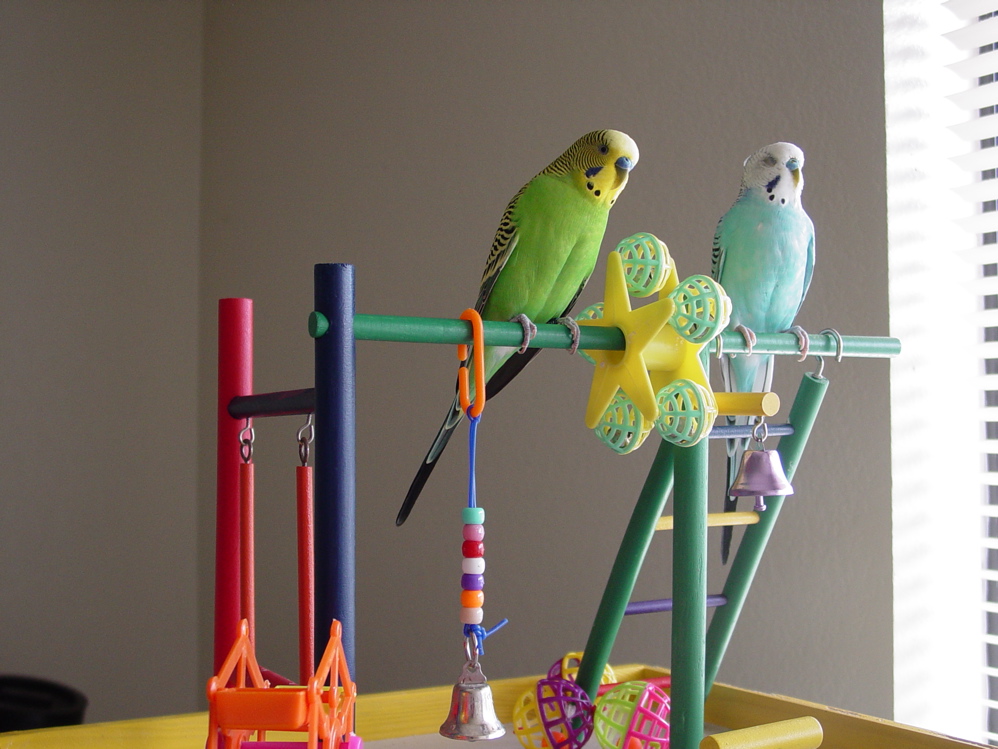
Sky Blue
Domestic colour variety (wild type native to inland Australia)
Active, social, curious
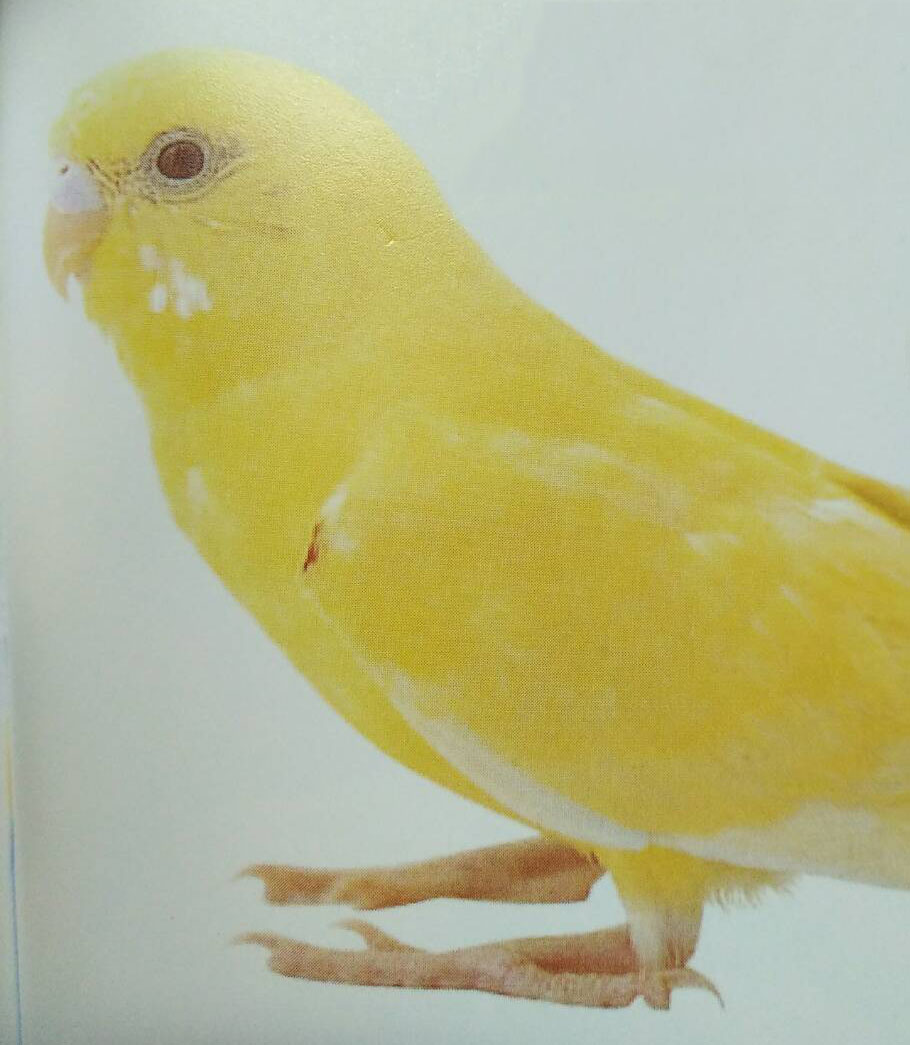
Lutino
Domestic colour variety (wild type native to inland Australia)
Active, social, sometimes bold
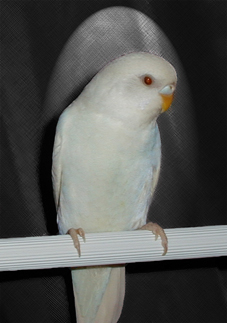
Albino
Domestic colour variety (wild type native to inland Australia)
Active, social, sometimes shy
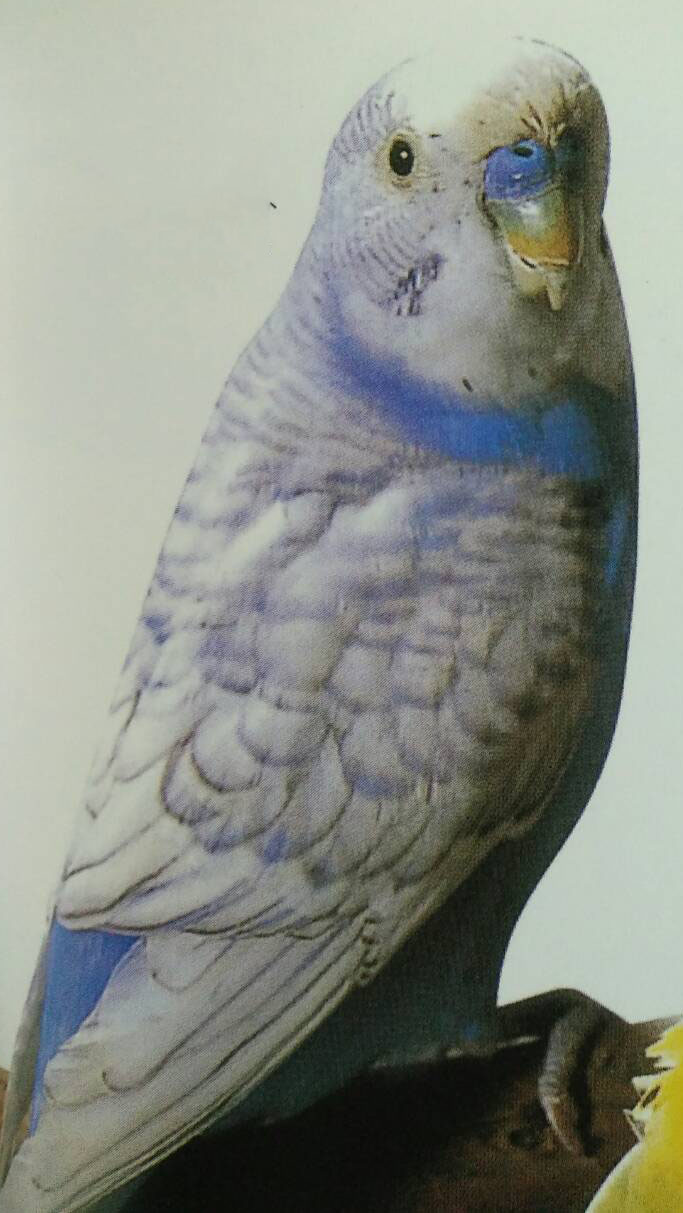
Spangle
Domestic colour variety (wild type native to inland Australia)
Active, social, lively
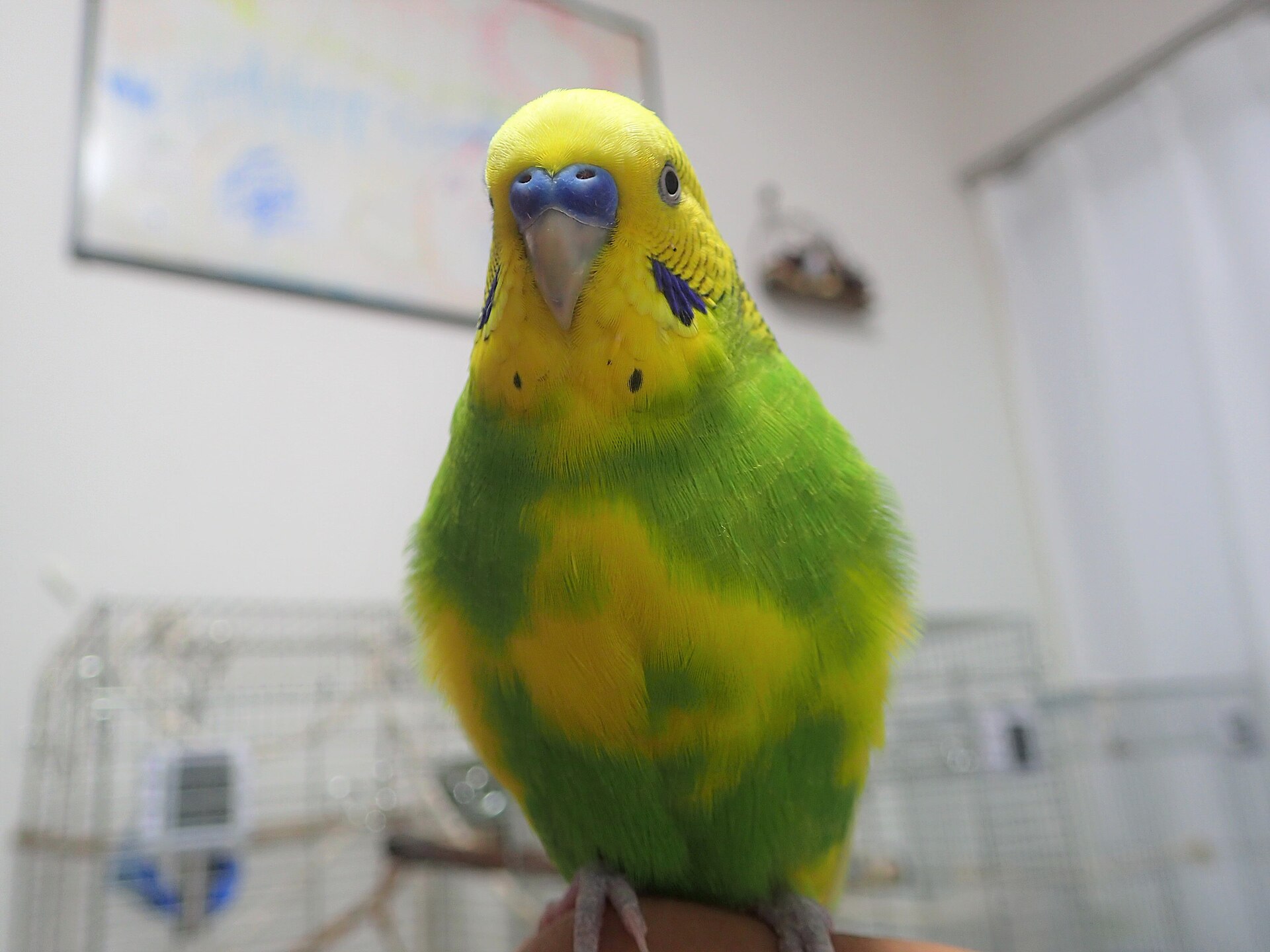
Pied
Domestic colour variety (wild type native to inland Australia)
Active, social, individual
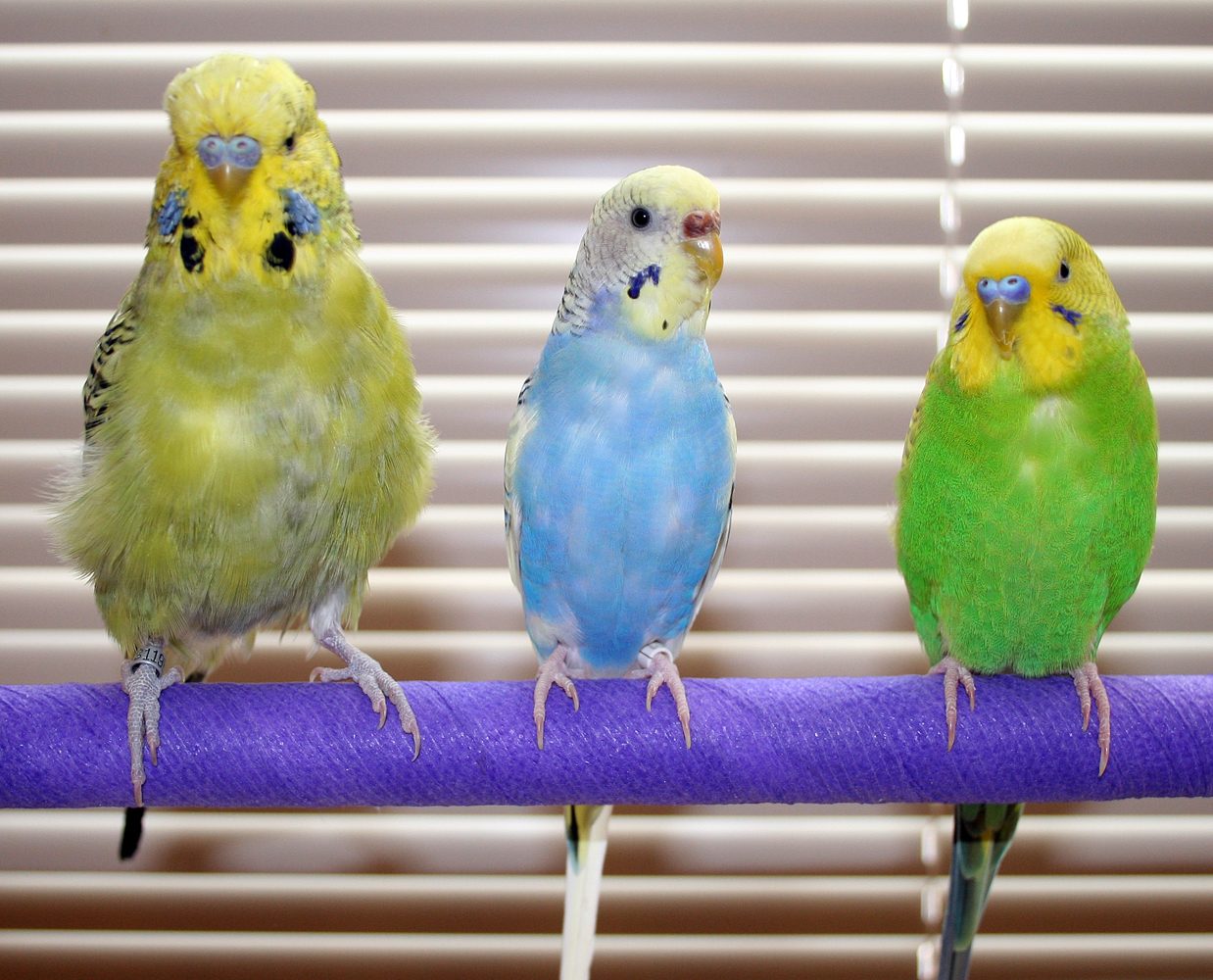
English (Exhibition) Budgerigar
Domestic colour variety (wild type native to inland Australia)
Calm, slower, people-oriented
What WARN Does
WARN's parrot crisis work focuses on trafficked macaws and Amazon parrots in Brazil and Colombia, but this budgerigar guide connects readers in Pakistan, Malaysia and Indonesia to honest parrot education — wild birds, legal trade limits and why even common species deserve proper care.
If this guide helps you understand wildlife and the pressures it faces, a gift to WARN supports habitat protection and free public education in our partner countries.
Budgerigar: Frequently Asked Questions
Are budgerigars wild birds?
How long do budgerigars live?
Are budgies related to macaws?
Are budgerigars endangered?
Can budgerigars talk?
What do wild budgerigars eat?
Where do budgerigars live?
Are budgerigars dangerous?
How big is a budgerigar?
Sources & References
Population figures, conservation status and biological facts on this page are drawn from authoritative scientific and intergovernmental sources.
Terms used on this page
Plain-English definitions, from our wildlife and conservation glossary.
Latest Budgerigar Stories
Quick, fact-checked reads on the budgerigar — amazing facts, key questions and the threats it faces.
Species
Why Are Dugongs Disappearing — and What's Being Done to Save Them?
Dugongs are vanishing from waters where they once thrived, declared functionally extinct in China and critically endangered in East Africa. Here's why — and the work that offers hope.
Read the storySpecies
12 Amazing Facts About Koalas (They Are Not Bears, and They Have Fingerprints)
Fingerprints indistinguishable from ours, 20 hours of sleep a day, and a diet that would poison most animals. Twelve koala facts.
Read the storySpecies
12 Amazing Facts About Kangaroos (They Cannot Walk Backwards)
Tendons that work like springs, a tail used as a fifth leg, and the ability to pause a pregnancy. Twelve verified kangaroo facts.
Read the storyExplore more animals
Discover more animals, their habitats and their conservation status in the WARN wildlife-guide library.