Cat Breed · Isle of Man
Manx
Famous for taillessness — a round, sturdy cat with a hopping gait.
By WARN Research & Conservation TeamLast updated
In brief
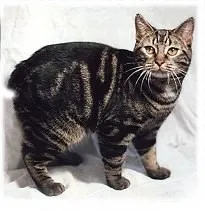
The Manx is a sturdy, round-bodied cat from the Isle of Man, instantly recognised for its missing or shortened tail. Sociable and playful, it has powerful hind legs that give a distinctive rabbit-like hop and a reputation as a devoted, dog-like companion.
What are the key facts about a Manx?
The Manx is a cat breed from Isle of Man: medium (3–5 kg), playful, loyal, rabbit-like hop. Famous for taillessness — a round, sturdy cat with a hopping gait.
| Origin | Isle of Man |
|---|---|
| Size | Medium (3–5 kg) |
| Weight | 3.5-5.5 kg (8-12 lb), with broad-chested males at the heavier end |
| Lifespan | 13–17 years |
| Coat | Comes in shorthair and longhair (the Cymric) varieties, both with a plush, dense double coat that feels padded to the touch. The shorthair needs weekly brushing, while the longhair benefits from two or three sessions a week to prevent matting. Shedding is moderate and rises during seasonal coat changes. |
| Temperament | Playful, loyal, rabbit-like hop |
| Good with | A friendly, adaptable choice for families, including those with gentle children and other pets, and manageable for attentive first-time owners. Manx cats form strong bonds, follow their people about and often greet visitors at the door. They suit both houses and flats provided they get play and company, but tail-touching should be avoided as the area can be sensitive. |
Is a Manx a good cat for you?
A Manx is a good cat when your home matches a friendly, adaptable choice for families, including those with gentle children and other pets, and manageable for attentive first-time owners. manx cats form strong bonds, follow their people about and often greet visitors at the door. they suit both houses and flats provided they get play and company, but tail-touching should be avoided as the area can be sensitive.. It is a playful, loyal, rabbit-like hop medium (3–5 kg) breed from Isle of Man.
Famous for taillessness — a round, sturdy cat with a hopping gait. That one-line pitch is not a care plan. Factor grooming (Comes in shorthair and longhair (the Cymric) varieties, both with a plush, dense double coat that feels padded to the touch. The shorthair needs weekly brushing, while the longhair benefits from two or three sessions a week to prevent matting. Shedding is moderate and rises during seasonal coat changes.), typical adult size (3.5-5.5 kg (8-12 lb), with broad-chested males at the heavier end), and the health issues listed below before you pay a deposit.
Meet adults of the breed, not only puppies or kittens, and prefer rescue or health-screened homes. A Manx that looks right in a photo can still be the wrong animal for a small flat, a full-time office job, or a household that wanted a low-energy companion.
What is a Manx?
Famous for taillessness — a round, sturdy cat with a hopping gait. Origin is Isle of Man; coat or markings are described as Comes in shorthair and longhair (the Cymric) varieties, both with a plush, dense double coat that feels padded to the touch. The shorthair needs weekly brushing, while the longhair benefits from two or three sessions a week to prevent matting. Shedding is moderate and rises during seasonal coat changes..
Kennel and registry labels describe a type. Individual Manxs still vary, and rescue animals may be mixes.
Where does the Manx come from?
Manxs come from Isle of Man. The Manx developed naturally on the Isle of Man, where a spontaneous genetic mutation for taillessness spread through the island's isolated cat population over centuries.
Folklore offered colourful explanations, from a cat that was last aboard Noah's Ark to mating with rabbits, but the trait is simply the result of a dominant gene fixed by isolation. The breed was among the founding members recognised by early cat fancies and remains one of the oldest known pedigree breeds. Tail length varies from completely absent (rumpy) to nearly full (longy).
How much care does a Manx need?
Plan 13–17 years of food, vet care, grooming and time. A Manx is medium (3–5 kg) (3.5-5.5 kg (8-12 lb), with broad-chested males at the heavier end) from Isle of Man, with coat care described as comes in shorthair and longhair (the cymric) varieties, both with a plush, dense double coat that feels padded to the touch. the shorthair needs weekly brushing, while the longhair benefits from two or three sessions a week to prevent matting. shedding is moderate and rises during seasonal coat changes..
Match daily exercise to the playful, loyal, rabbit-like hop temperament rather than to Instagram.
Grooming follows the coat, not a generic clip: Comes in shorthair and longhair (the Cymric) varieties, both with a plush, dense double coat that feels padded to the touch. The shorthair needs weekly brushing, while the longhair benefits from two or three sessions a week to prevent matting. Shedding is moderate and rises during seasonal coat changes.. Keep the animal lean; extra weight is a joint and heart tax, especially in a medium cat.
Budget for unexpected vet bills. The health section below is why “cheap to buy” is not the same as cheap to keep.
What surprises people about the Manx?
A few details about the breed, alongside the practical care information in this guide.
- Manx tails are graded by length: rumpy (none), rumpy-riser, stumpy and longy, and only fully tailless cats traditionally compete at the top show level.
- The cat is so emblematic of its homeland that it has appeared on Isle of Man coins and postage stamps.
- The tailless gene is dominant, so two tailless Manx are never bred together because inheriting two copies is lethal to the developing kittens.
- The longhaired version of the breed is recognised separately as the Cymric, pronounced 'kim-rick'.
What health issues should you know about in a Manx?
Health concerns to discuss with your vet, including changes to watch for and everyday care. This is general guidance, not veterinary advice — always speak to your vet.
Spina bifida
Spina bifida can occur in this breed and may need veterinary monitoring.
Care: Discuss prevention and treatment with your vet.
Arthritis
Arthritis can occur in this breed and may need veterinary monitoring.
Care: Discuss prevention and treatment with your vet.
Constipation
Constipation can occur in this breed and may need veterinary monitoring.
Care: Discuss prevention and treatment with your vet.
Who should skip a Manx?
Skip a Manx if you are homes that cannot match a playful, loyal, rabbit-like hop medium (3–5 kg) cat from Isle of Man. This Isle of Man cat is medium (3–5 kg) and playful, loyal, rabbit-like hop — the mismatch is usually lifestyle, not a missing accessory.
This page is allowed to say no. Skip if you are homes that cannot match a playful, loyal, rabbit-like hop medium (3–5 kg) cat from Isle of Man.
A different cat breed on this site may fit. Wanting “a Manx” after a film or a colour photo is not a reason to ignore the skip list.
What are the hidden catches with a Manx?
The hidden cost of a Manx is usually not the purchase price. It is years of care, the health list on this page, and the mismatch between a playful, loyal, rabbit-like hop animal and a busy home.
The impulse-buy catch
A Manx from Isle of Man is often sold on looks. Coat, colour and size are not a temperament test. Meet the adult animal, ask about health screening, and walk away from pressure sales.
The spina bifida catch
Spina bifida can occur in this breed and may need veterinary monitoring. Discuss prevention and treatment with your vet.
The arthritis catch
Arthritis can occur in this breed and may need veterinary monitoring. Discuss prevention and treatment with your vet.
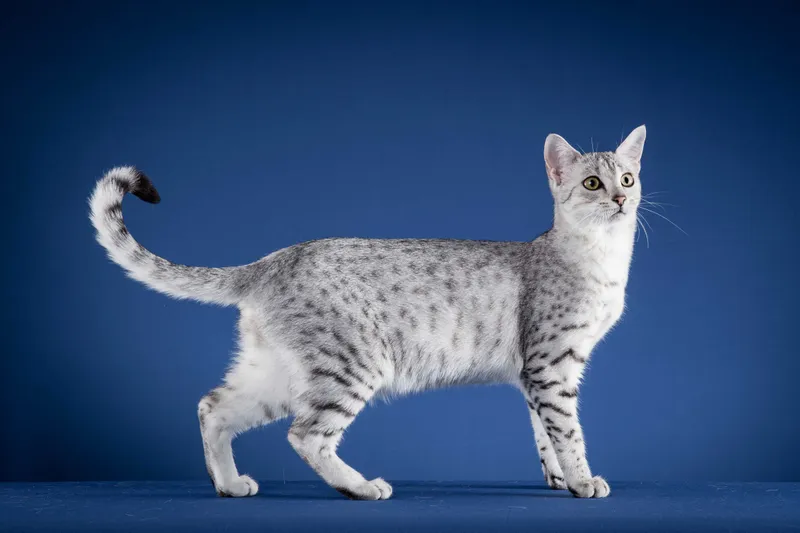
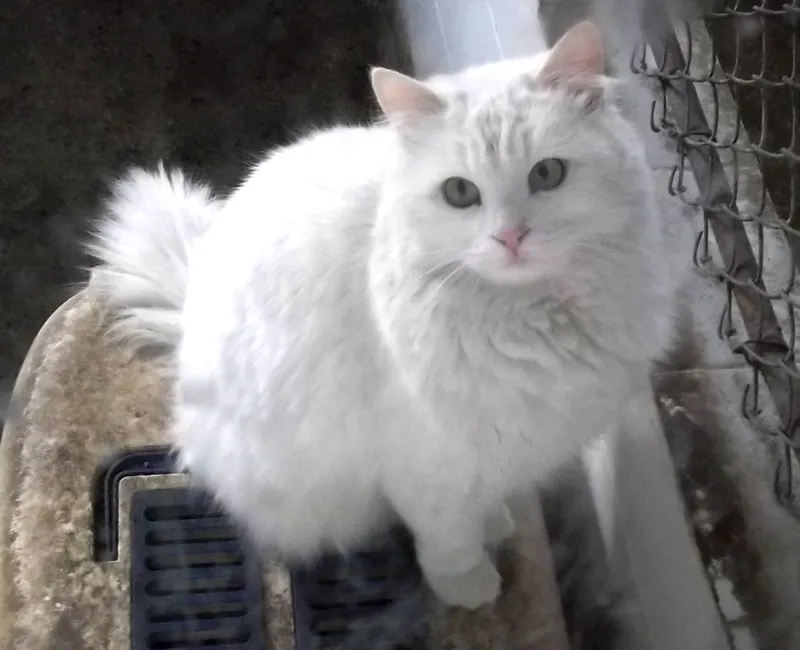
How does a Manx compare with Egyptian Mau and Turkish Angora?
A Manx is not interchangeable with Egyptian Mau and Turkish Angora. Compare origin, size, lifespan and temperament before you choose — those four lines prevent most regret.
| Cat fact | Manx | Egyptian Mau | Turkish Angora |
|---|---|---|---|
| Origin | Isle of Man | Egypt | Turkey |
| Size | Medium (3–5 kg) | Medium (3–5 kg) | Medium (2.5–5 kg) |
| Lifespan | 13–17 years | 13–17 years | 13–17 years |
| Temperament | Playful, loyal, rabbit-like hop | Loyal, active, sensitive | Elegant, intelligent, playful |
What is the verdict on the Manx?
Choose a Manx only if the care, skip-if and health sections still look like your life after a week of thinking. Otherwise pick a different cat or wait. Rescue is usually the better first door than a waiting-list puppy or kitten.
If the match is real, budget for 13–17 years of vet care and do not skip health screening. If it is not, walking away is the kind choice — for you and for the animal.
Every cat deserves a chance
Whatever breed you love, countless cats live without a home or care. A symbolic adoption or a gift to WARN funds community-cat welfare — neutering, vaccination and treatment for cats most people never see.