Cat Breed · Turkey
Turkish Angora
An ancient silky longhair often white with odd-coloured eyes.
By WARN Research & Conservation TeamLast updated
In brief
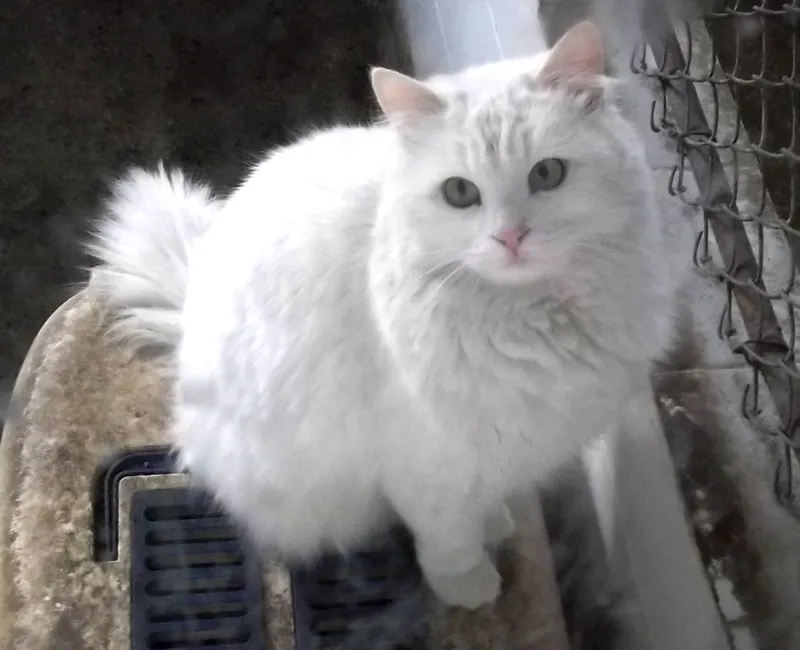
The Turkish Angora is an elegant, fine-boned longhaired cat from Turkey, often pure white with shimmering silky fur and sometimes odd-coloured eyes. Lively, intelligent and people-loving, it is one of the oldest natural breeds and a confident, playful household companion.
What are the key facts about a Turkish Angora?
The Turkish Angora is a cat breed from Turkey: medium (2.5–5 kg), elegant, intelligent, playful. An ancient silky longhair often white with odd-coloured eyes.
| Origin | Turkey |
|---|---|
| Size | Medium (2.5–5 kg) |
| Weight | 2.5-5 kg (5.5-11 lb), with the slightly larger males at the top of the range |
| Lifespan | 13–17 years |
| Coat | Long, fine and silky with no woolly undercoat, which makes it surprisingly easy to care for and resistant to matting. A brush once or twice a week keeps it smooth and glossy, with heavier seasonal shedding in spring. The single coat lies flat and flowing, plumed at the tail, and comes in white and many other colours. |
| Temperament | Elegant, intelligent, playful |
| Good with | An excellent, adaptable choice for families, first-time owners and multi-pet homes, suiting both houses and flats. Affectionate and clever, Turkish Angoras enjoy being involved in everything, get on well with respectful children and other pets, and often take charge of the household. They crave company and play, so they do best where someone is around and willing to keep them entertained. |
Is a Turkish Angora a good cat for you?
A Turkish Angora is a good cat when your home matches an excellent, adaptable choice for families, first-time owners and multi-pet homes, suiting both houses and flats. affectionate and clever, turkish angoras enjoy being involved in everything, get on well with respectful children and other pets, and often take charge of the household. they crave company and play, so they do best where someone is around and willing to keep them entertained.. It is a elegant, intelligent, playful medium (2.5–5 kg) breed from Turkey.
An ancient silky longhair often white with odd-coloured eyes. That one-line pitch is not a care plan. Factor grooming (Long, fine and silky with no woolly undercoat, which makes it surprisingly easy to care for and resistant to matting. A brush once or twice a week keeps it smooth and glossy, with heavier seasonal shedding in spring. The single coat lies flat and flowing, plumed at the tail, and comes in white and many other colours.), typical adult size (2.5-5 kg (5.5-11 lb), with the slightly larger males at the top of the range), and the health issues listed below before you pay a deposit.
Meet adults of the breed, not only puppies or kittens, and prefer rescue or health-screened homes. A Turkish Angora that looks right in a photo can still be the wrong animal for a small flat, a full-time office job, or a household that wanted a low-energy companion.
What is a Turkish Angora?
An ancient silky longhair often white with odd-coloured eyes. Origin is Turkey; coat or markings are described as Long, fine and silky with no woolly undercoat, which makes it surprisingly easy to care for and resistant to matting. A brush once or twice a week keeps it smooth and glossy, with heavier seasonal shedding in spring. The single coat lies flat and flowing, plumed at the tail, and comes in white and many other colours..
Kennel and registry labels describe a type. Individual Turkish Angoras still vary, and rescue animals may be mixes.
Where does the Turkish Angora come from?
Turkish Angoras come from Turkey. The Turkish Angora is an ancient natural breed from the region around Ankara, historically called Angora, and is documented in Europe as far back as the 16th and 17th centuries, where its silky coat made it a prized luxury.
By the early 20th century the breed had become scarce, and Turkey established a careful preservation programme at Ankara Zoo to protect the pure white cats. American servicemen and breeders imported cats from the zoo in the 1960s, and the breed gained championship recognition with US registries in the 1970s. It remains a point of national pride in Turkey.
How much care does a Turkish Angora need?
Plan 13–17 years of food, vet care, grooming and time. A Turkish Angora is medium (2.5–5 kg) (2.5-5 kg (5.5-11 lb), with the slightly larger males at the top of the range) from Turkey, with coat care described as long, fine and silky with no woolly undercoat, which makes it surprisingly easy to care for and resistant to matting. a brush once or twice a week keeps it smooth and glossy, with heavier seasonal shedding in spring. the single coat lies flat and flowing, plumed at the tail, and comes in white and many other colours..
This temperament does not thrive on a 20-minute walk and eight hours alone.
Grooming follows the coat, not a generic clip: Long, fine and silky with no woolly undercoat, which makes it surprisingly easy to care for and resistant to matting. A brush once or twice a week keeps it smooth and glossy, with heavier seasonal shedding in spring. The single coat lies flat and flowing, plumed at the tail, and comes in white and many other colours.. Keep the animal lean; extra weight is a joint and heart tax, especially in a medium cat.
Budget for unexpected vet bills. The health section below is why “cheap to buy” is not the same as cheap to keep.
What surprises people about the Turkish Angora?
A few details about the breed, alongside the practical care information in this guide.
- Many Turkish Angoras have heterochromia, meaning one blue eye and one amber or green eye, a trait especially associated with the white cats.
- Ankara Zoo ran a dedicated breeding programme to preserve the breed, with particular value placed on odd-eyed white cats.
- Unlike many longhairs, the Angora has no thick undercoat, so its silky fur tangles far less and is easy to maintain.
- White Angoras with one or two blue eyes can carry a higher chance of deafness on the blue-eyed side, linked to the white coat gene.
What health issues should you know about in a Turkish Angora?
Health concerns to discuss with your vet, including changes to watch for and everyday care. This is general guidance, not veterinary advice — always speak to your vet.
Deafness in white cats
Deafness in white cats can occur in this breed and may need veterinary monitoring.
Care: Discuss prevention and treatment with your vet.
Hypertrophic cardiomyopathy (HCM)
Thickening of the heart muscle that may cause sudden illness or heart failure.
Care: Breeding cats should be screened; affected cats may need lifelong medication under veterinary care.
Ataxia
Ataxia can occur in this breed and may need veterinary monitoring.
Care: Discuss prevention and treatment with your vet.
Who should skip a Turkish Angora?
Skip a Turkish Angora if you are owners who wanted a low-exercise companion. This Turkey cat is medium (2.5–5 kg) and elegant, intelligent, playful — the mismatch is usually lifestyle, not a missing accessory.
This page is allowed to say no. Skip if you are owners who wanted a low-exercise companion.
A different cat breed on this site may fit. Wanting “a Turkish Angora” after a film or a colour photo is not a reason to ignore the skip list.
What are the hidden catches with a Turkish Angora?
The hidden cost of a Turkish Angora is usually not the purchase price. It is years of care, the health list on this page, and the mismatch between a elegant, intelligent, playful animal and a busy home.
The impulse-buy catch
A Turkish Angora from Turkey is often sold on looks. Coat, colour and size are not a temperament test. Meet the adult animal, ask about health screening, and walk away from pressure sales.
The deafness in white cats catch
Deafness in white cats can occur in this breed and may need veterinary monitoring. Discuss prevention and treatment with your vet.
The hypertrophic cardiomyopathy (hcm) catch
Thickening of the heart muscle that may cause sudden illness or heart failure. Breeding cats should be screened; affected cats may need lifelong medication under veterinary care.
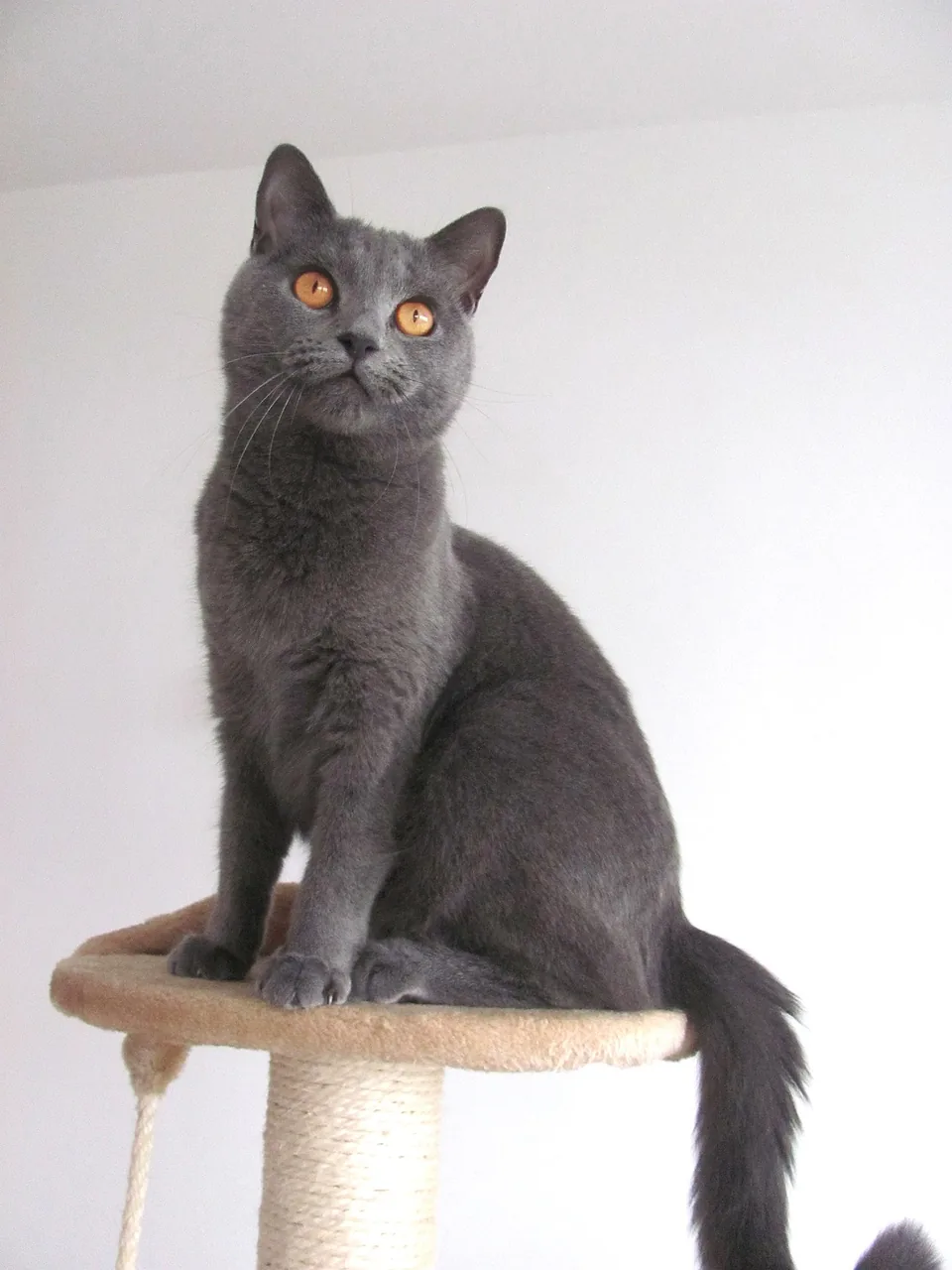
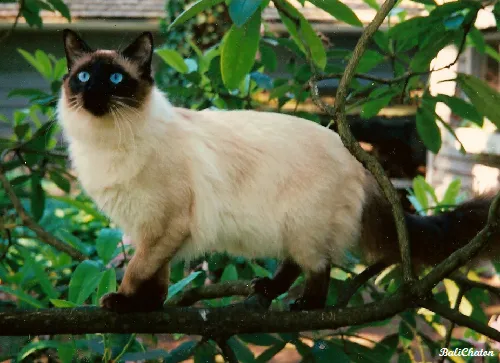
How does a Turkish Angora compare with Chartreux and Balinese?
A Turkish Angora is not interchangeable with Chartreux and Balinese. Compare origin, size, lifespan and temperament before you choose — those four lines prevent most regret.
| Cat fact | Turkish Angora | Chartreux | Balinese |
|---|---|---|---|
| Origin | Turkey | France | United States |
| Size | Medium (2.5–5 kg) | Medium (3–7 kg) | Medium (2.5–5 kg) |
| Lifespan | 13–17 years | 13–17 years | 13–17 years |
| Temperament | Elegant, intelligent, playful | Quiet, observant, loyal | Vocal, affectionate, intelligent |
What is the verdict on the Turkish Angora?
Choose a Turkish Angora only if the care, skip-if and health sections still look like your life after a week of thinking. Otherwise pick a different cat or wait. Rescue is usually the better first door than a waiting-list puppy or kitten.
If the match is real, budget for 13–17 years of vet care and do not skip health screening. If it is not, walking away is the kind choice — for you and for the animal.
Every cat deserves a chance
Whatever breed you love, countless cats live without a home or care. A symbolic adoption or a gift to WARN funds community-cat welfare — neutering, vaccination and treatment for cats most people never see.