Wildlife Guide · Worldwide — domestic; wild ancestor in South and South-east Asia
Chicken
Gallus gallus domesticus — descended from red junglefowl (Gallus gallus)
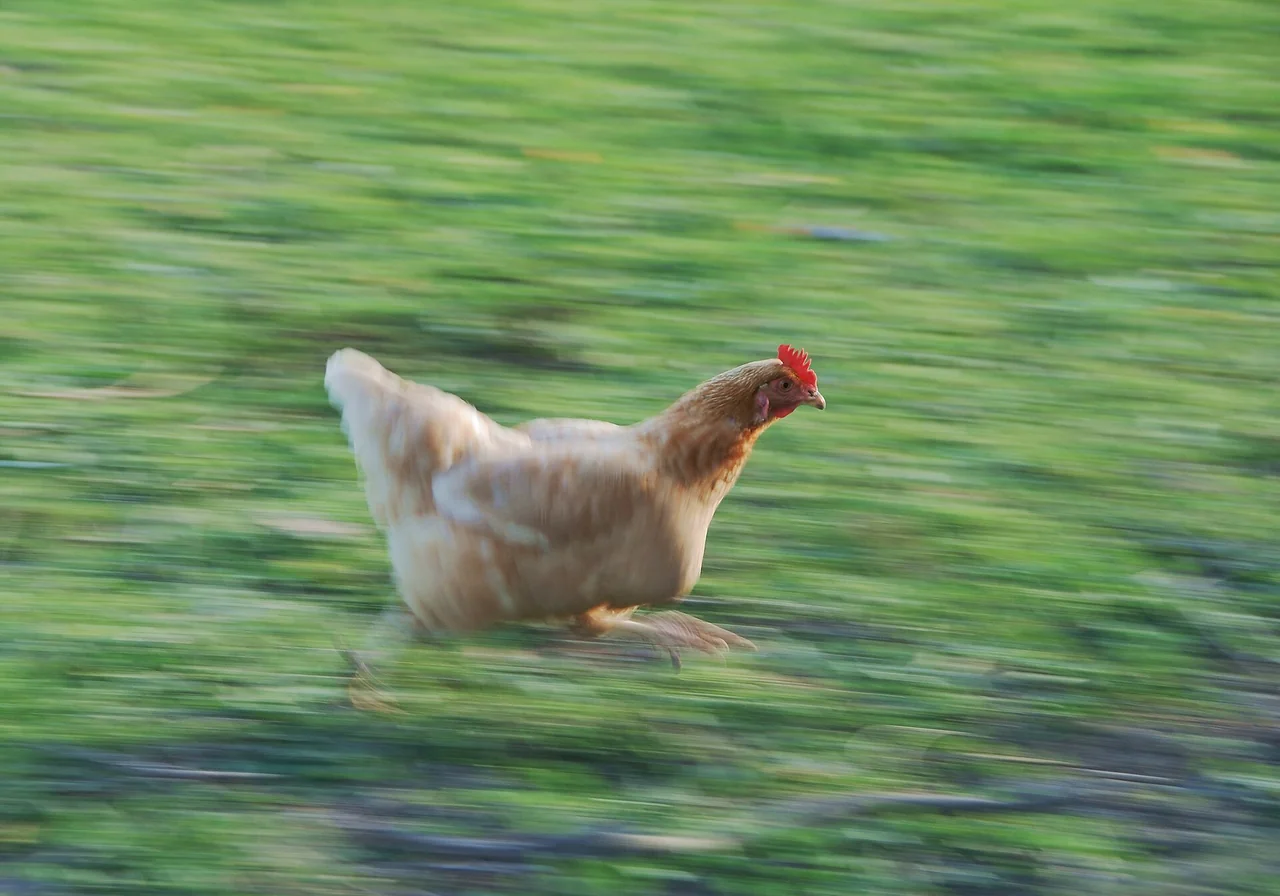
The world's commonest bird — junglefowl turned livestock, companion and welfare challenge at industrial scale.
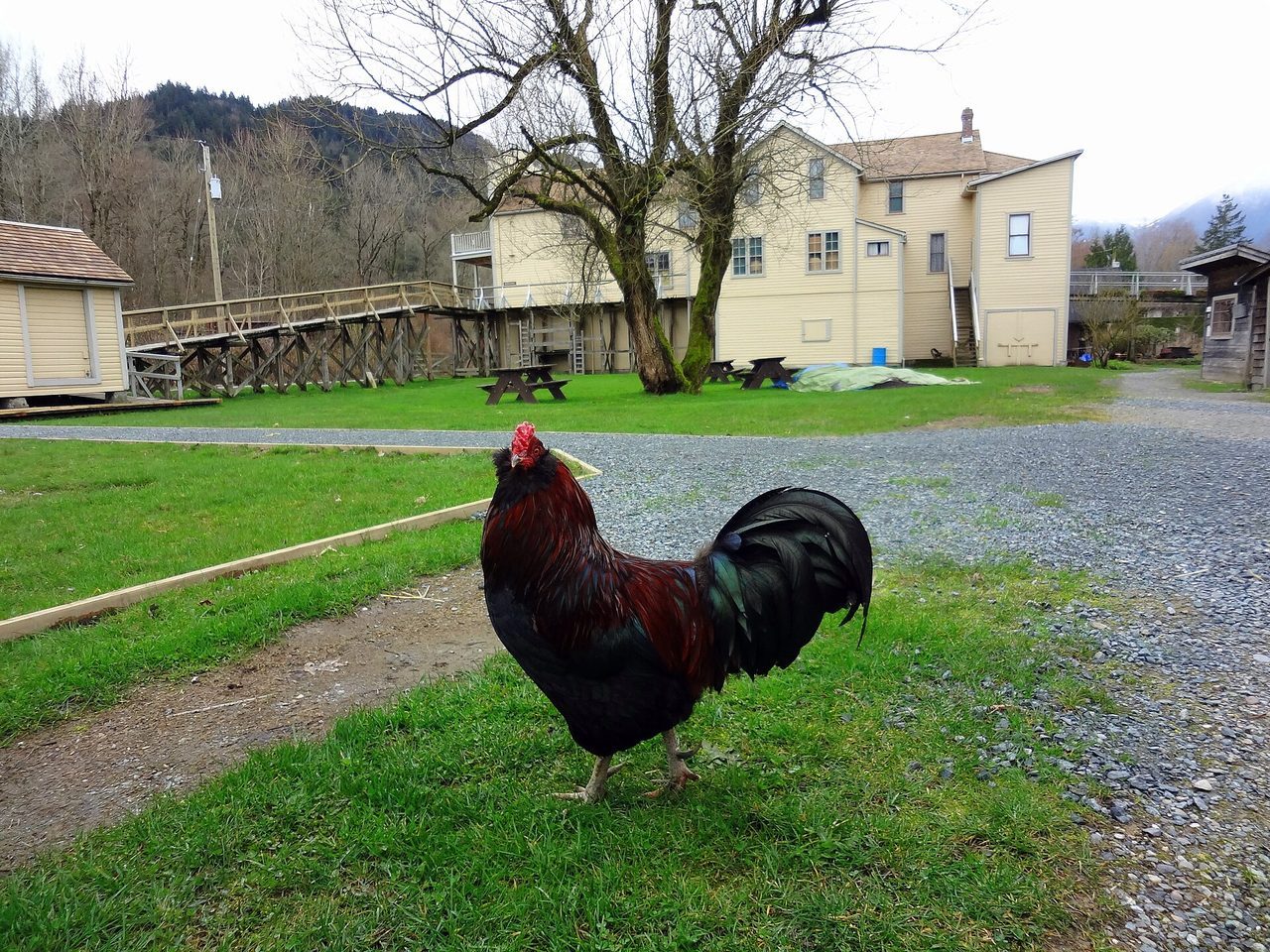
Photo: Mwoodbc / Wikimedia Commons (CC BY-SA 3.0)
In brief
Chickens (Gallus gallus domesticus) descend from Least Concern red junglefowl — the world's commonest bird, raised for meat and eggs; backyard companions need space, dust baths and predator-safe housing unlike industrial systems.
Also in Animals A to Z · Animals that start with C
By WARN Research & Conservation TeamLast updated
The domestic chicken descends from red junglefowl of South and South-east Asia, domesticated at least 8,000 years ago. More than 25 billion chickens alive at any moment make Gallus gallus domesticus the most numerous bird on Earth — raised for meat, eggs, cockfighting and backyard companionship. Wild red junglefowl remain Least Concern in forest edge habitat, but industrial broiler and layer systems impose rapid-growth genetics, crowded sheds and short miserable lives on billions annually. WARN's guide addresses honest welfare for backyard flocks, rescue hens and the contrast with factory farming.
25 billion+
Chickens alive worldwide at any time
8,000+ yr
Domestication history in Asia
Least Concern
IUCN status — wild red junglefowl
Not listed
CITES — domestic livestock
Figures sourced from IUCN Red List — Gallus gallus, RSPCA — chicken welfare, Compassion in World Farming — chickens .
Chicken: Quick Facts
| Wild ancestor | Red junglefowl (Gallus gallus) |
|---|---|
| Global population | 25+ billion alive at any time |
| Domestication | At least 8,000 years in Asia |
| Eggs per year | Up to 300+ in commercial layers |
| Broiler slaughter age | Roughly 5–7 weeks in intensive systems |
| CITES | Not listed — domestic livestock |
Scientific Classification
| Kingdom | Animalia |
|---|---|
| Phylum | Chordata |
| Class | Aves |
| Order | Galliformes |
| Family | Phasianidae |
| Species | Gallus gallus domesticus |
Conservation Status
- IUCN Status
- Domesticated — not assessed. Wild red junglefowl Least Concern; hybridisation with feral chickens a local concern.
- Population
- 25+ billion domestic chickens alive; wild junglefowl population stable
- Trend
- Increasing — industrial production expanding globally
- Assessed
- 2018 (Gallus gallus)
- CITES
- Not listed
Key Facts: Chicken
- Chickens descend from red junglefowl — not a separate wild species.
- More chickens exist than any other bird; most live in intensive farming systems.
- Backyard hens need predator-proof runs, dust baths, perches and social groups.
- Ex-battery hens require gradual rehabilitation after cage confinement.
- Broiler breeds suffer leg disorders from rapid growth genetics.
- WARN's twelve-breed chicken library covers layers, bantams, heritage and show types.
From junglefowl to global livestock
Red junglefowl (Gallus gallus) still inhabit forest edges from India to Indonesia — the IUCN lists them Least Concern, though hybridisation with feral domestic chickens threatens wild genetics in some regions. Humans selected junglefowl for egg production, fighting temperament and later meat yield over millennia. Multiple domestication events may have occurred across South and South-east Asia before chickens spread along trade routes to Africa, Europe and the Americas.
Modern industrial strains bear little resemblance to heritage breeds: broilers reach slaughter weight in six weeks; layers produce 300+ eggs annually in wire cages. These genetics prioritise production over welfare — skeletal and respiratory disease are built into many commercial lines.
Natural behaviour and flock life
Chickens are social galliforms with a clear pecking order, dust bathing, sun bathing, foraging and roosting instincts. A hen naturally lays a clutch then broods — continuous laying in domestic strains is a human-selected anomaly maintained by removing eggs. Roosters crow at dawn; hens communicate with over 30 vocalisations including food calls and alarm notes.
Depriving chickens of perches, litter to scratch and space to flee causes feather pecking, cannibalism and stereotypic pacing. Free-range labels vary legally — true pasture access with shelter differs sharply from a pop-hole into a bare yard.
Backyard flocks and companion care
Backyard hens suit owners who provide secure housing against foxes, badgers, hawks and dogs — buried wire, locked coop doors and covered runs are essential in Britain. Minimum space guidance recommends roughly one square metre per bird in the run plus sheltered roost space. Dust baths control parasites; mixed-grain feeding supplements layer pellets and fresh greens.
Ex-commercial hens rehomed from cage systems often arrive featherless and weak — they need gentle integration, calcium support and patience as feathers regrow. Cockerels are often unwanted due to crowing restrictions; rehoming centres struggle with surplus males from accidental hatches.
Factory farming and welfare reform
Roughly 70 billion chickens are slaughtered annually for meat worldwide — the majority in crowded sheds with ammonia-rich air, dim lighting and no perches. Beak trimming reduces injury in stressed flocks but causes chronic pain when done without analgesia. Slaughter at six weeks means broilers are still chicks in behaviour — their bodies are adult-sized through selective breeding.
Cage-free and free-range egg systems improve on barren battery cages but still permit high stocking densities and early culling of male chicks in hatcheries. WARN does not operate poultry farms but publishes honest education so readers understand the gap between a garden hen and an industrial carcass.
Explore chicken breeds on WARN
Heritage breeds preserve genetic diversity lost in industrial hybrids. WARN publishes a twelve-breed chicken library at chicken covering Rhode Island Red, Sussex, Leghorn, Silkie, Orpington, bantams and more — each with origin, egg or meat purpose, temperament and backyard-welfare notes.
Choosing a breed should match climate, space and purpose: lightweight Leghorns lay prolifically; heavy Orpingtons suit cold climates; bantams need less space but remain full chickens in behaviour. The library helps adopters and smallholders select birds they can care for properly — not impulse Easter chicks discarded in autumn.
Chicken Breeds Guide
From the Rhode Island Red and Leghorn to the Silkie, Orpington, Sussex, Plymouth Rock and six more — explore 12 of the world's most searched chicken breeds with temperament, egg production, common health issues and responsible welfare guidance.
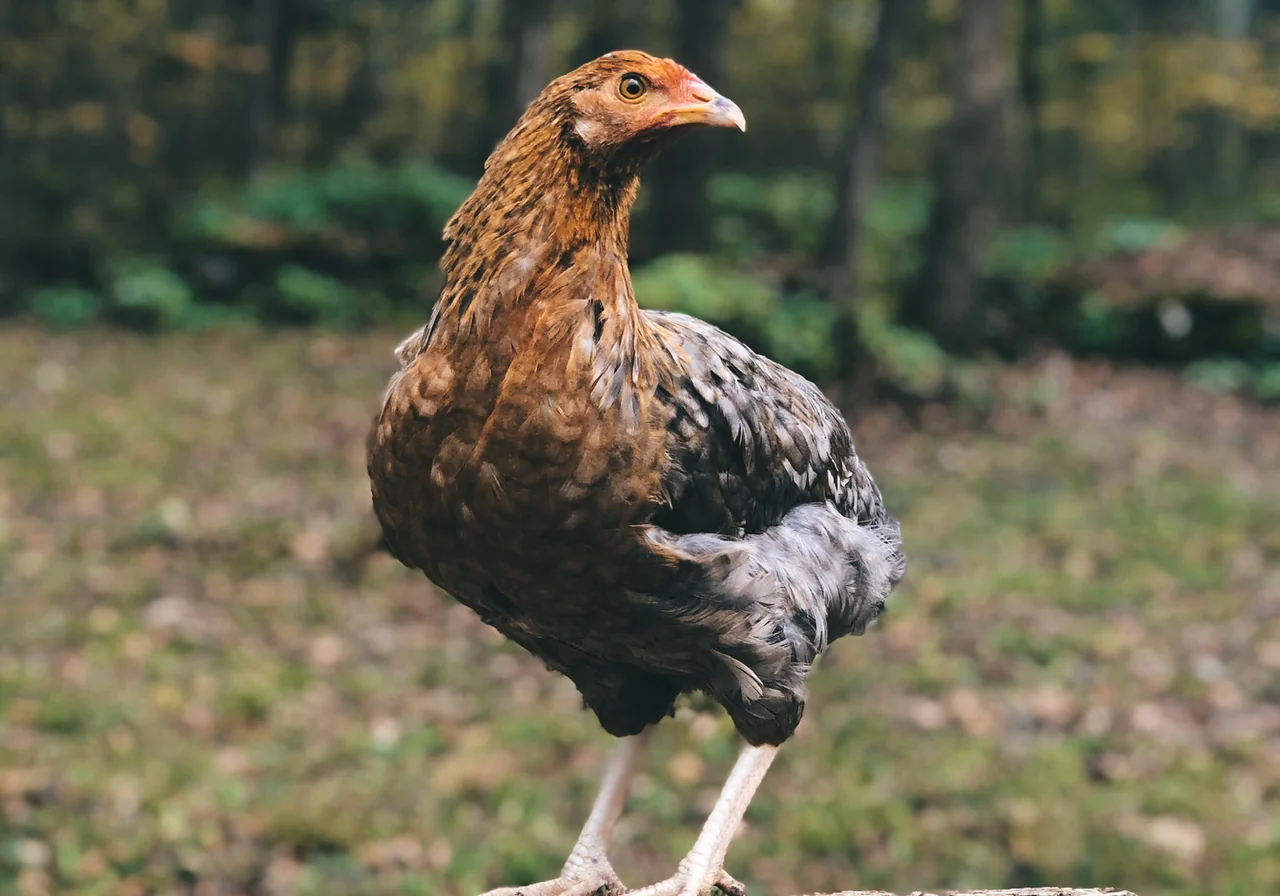
Rhode Island Red
United States
Hardy, active, confident
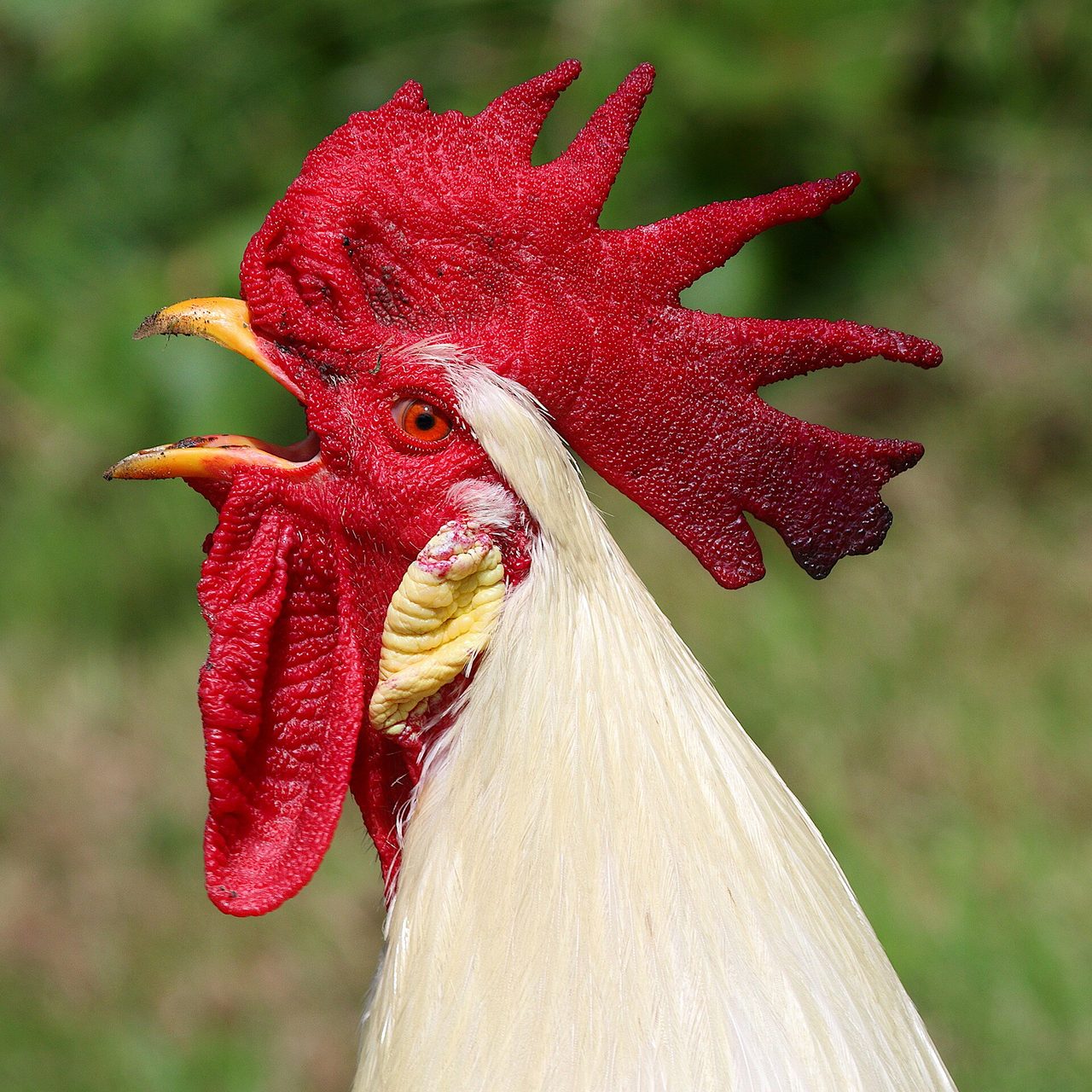
Leghorn
Italy
Active, flighty, excellent layer
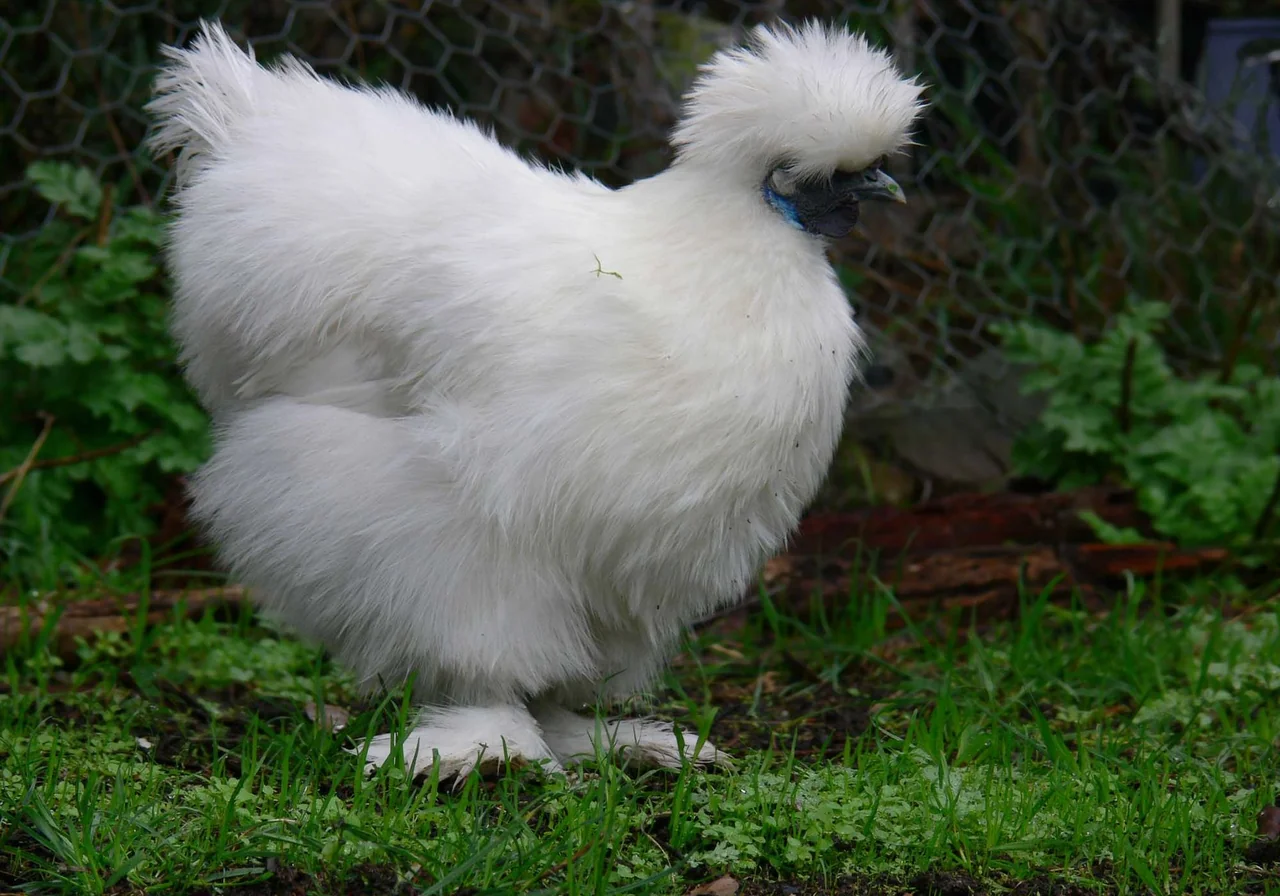
Silkie
China
Docile, broody, gentle
Orpington
England
Calm, friendly, broody
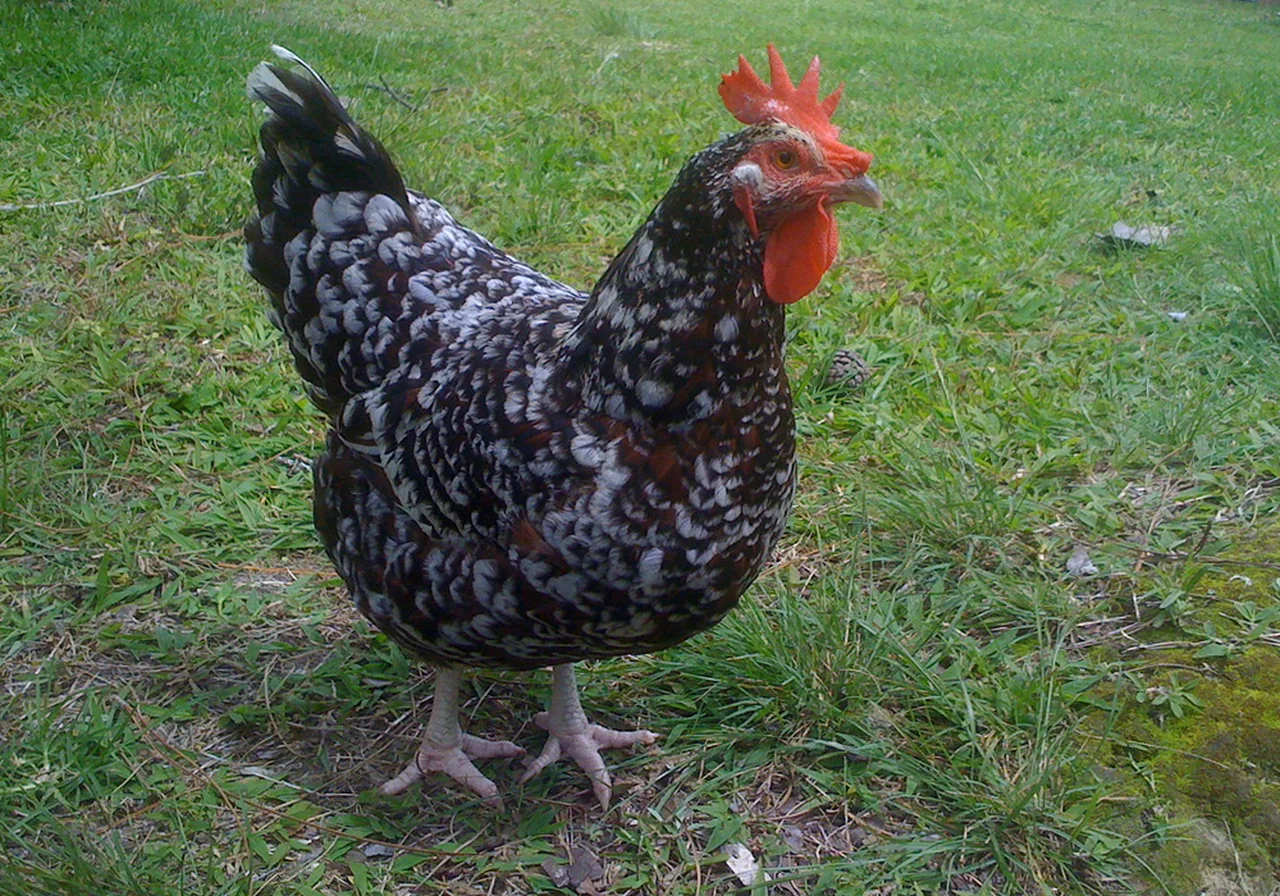
Sussex
England
Curious, friendly, good forager
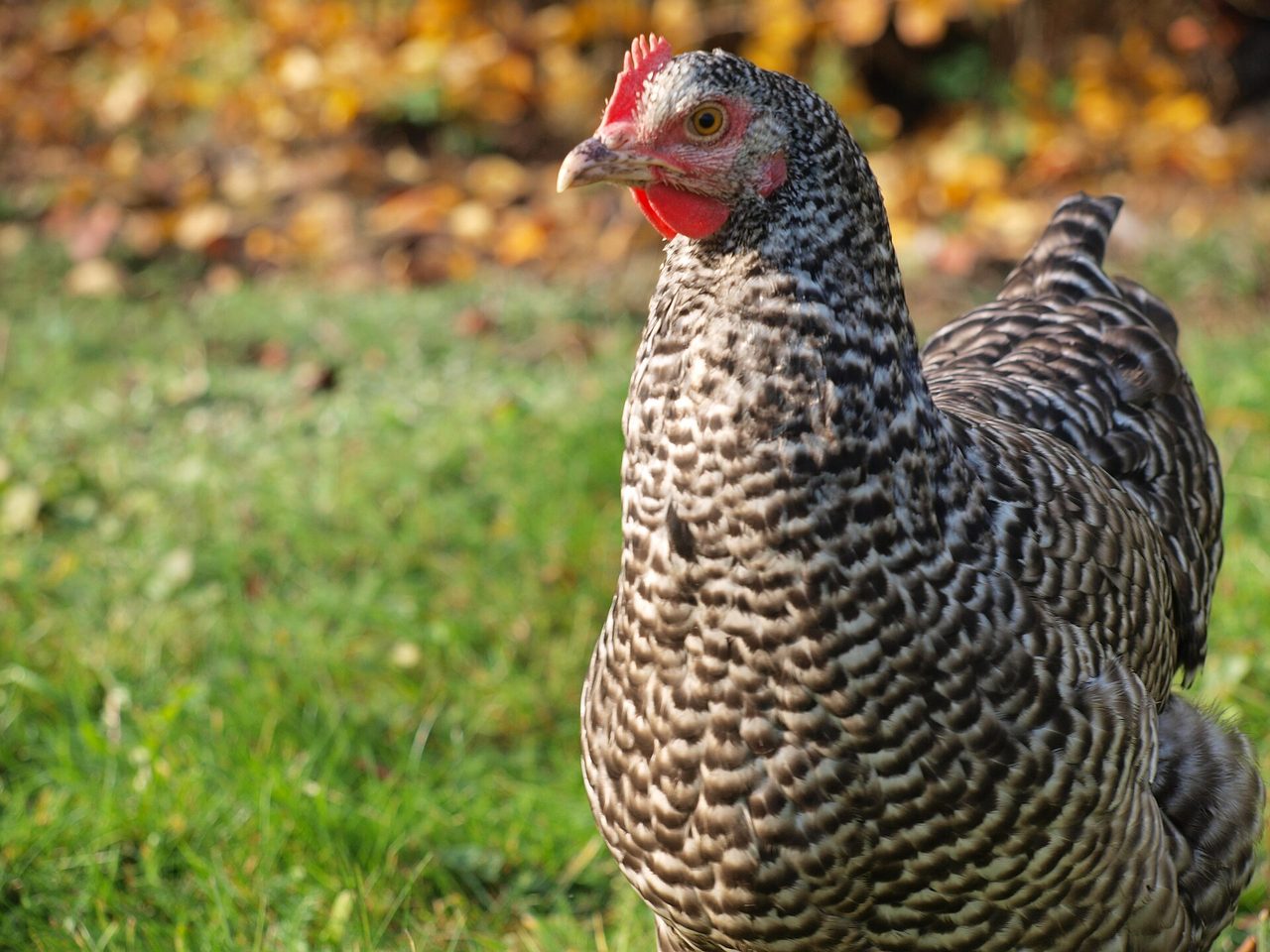
Plymouth Rock
United States
Docile, hardy, reliable
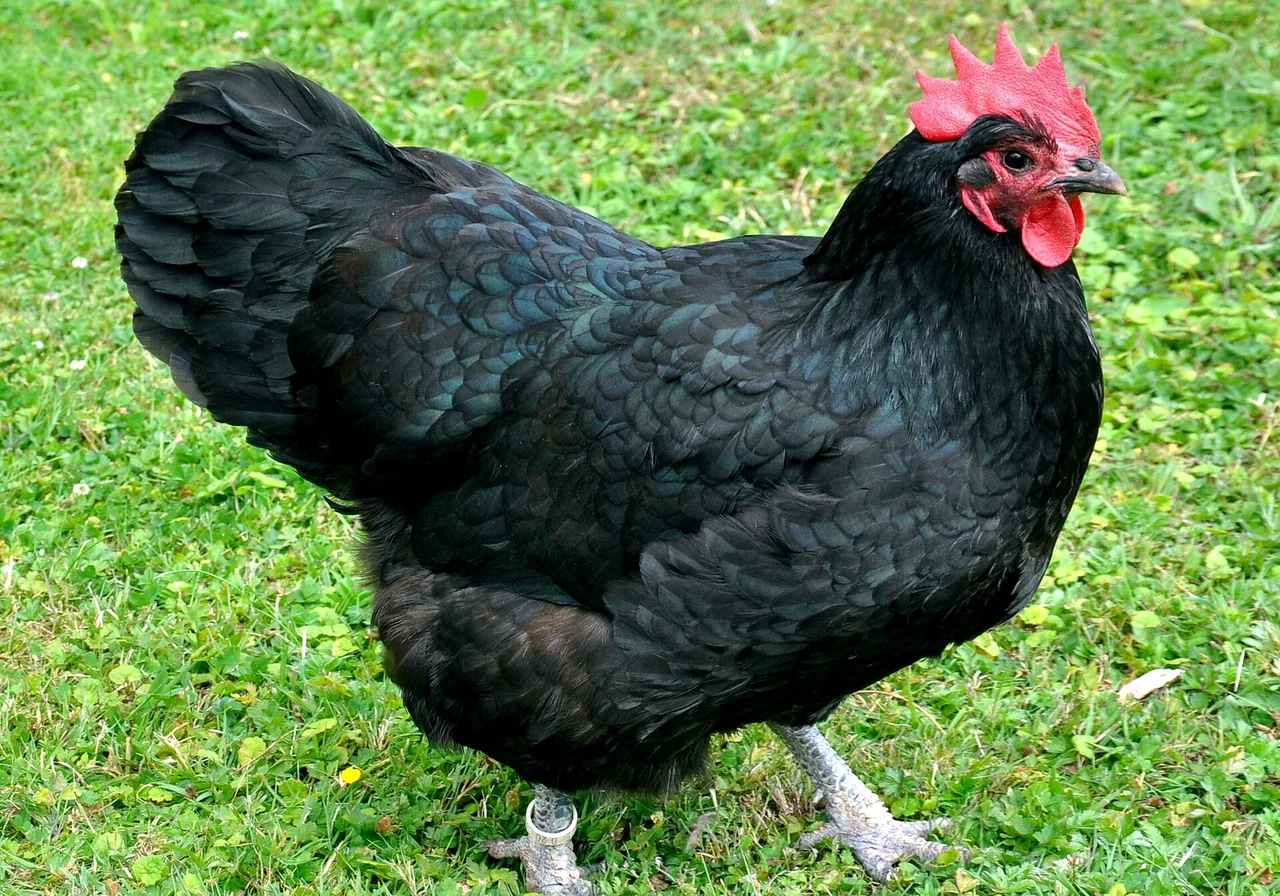
Australorp
Australia
Calm, productive, heat-tolerant
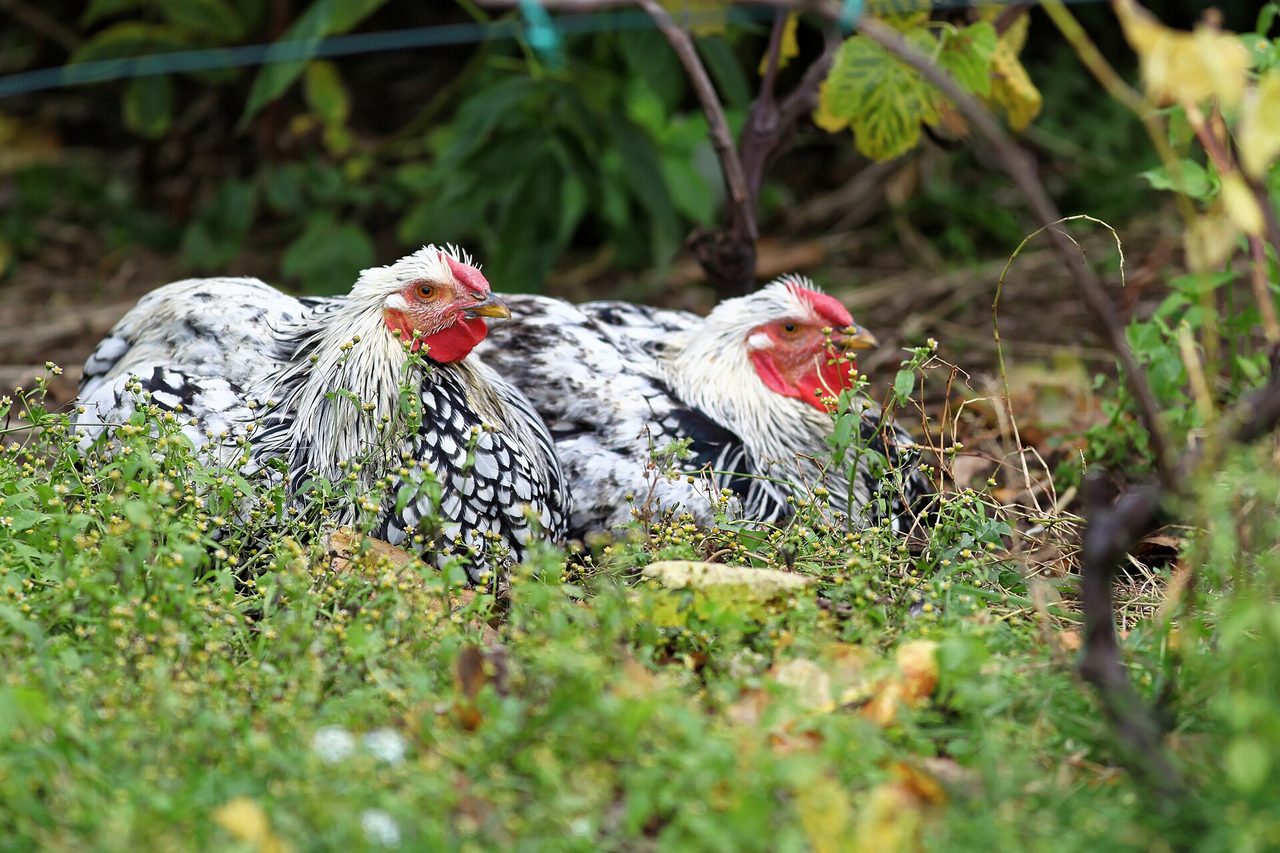
Wyandotte
United States
Calm, cold-hardy, showy
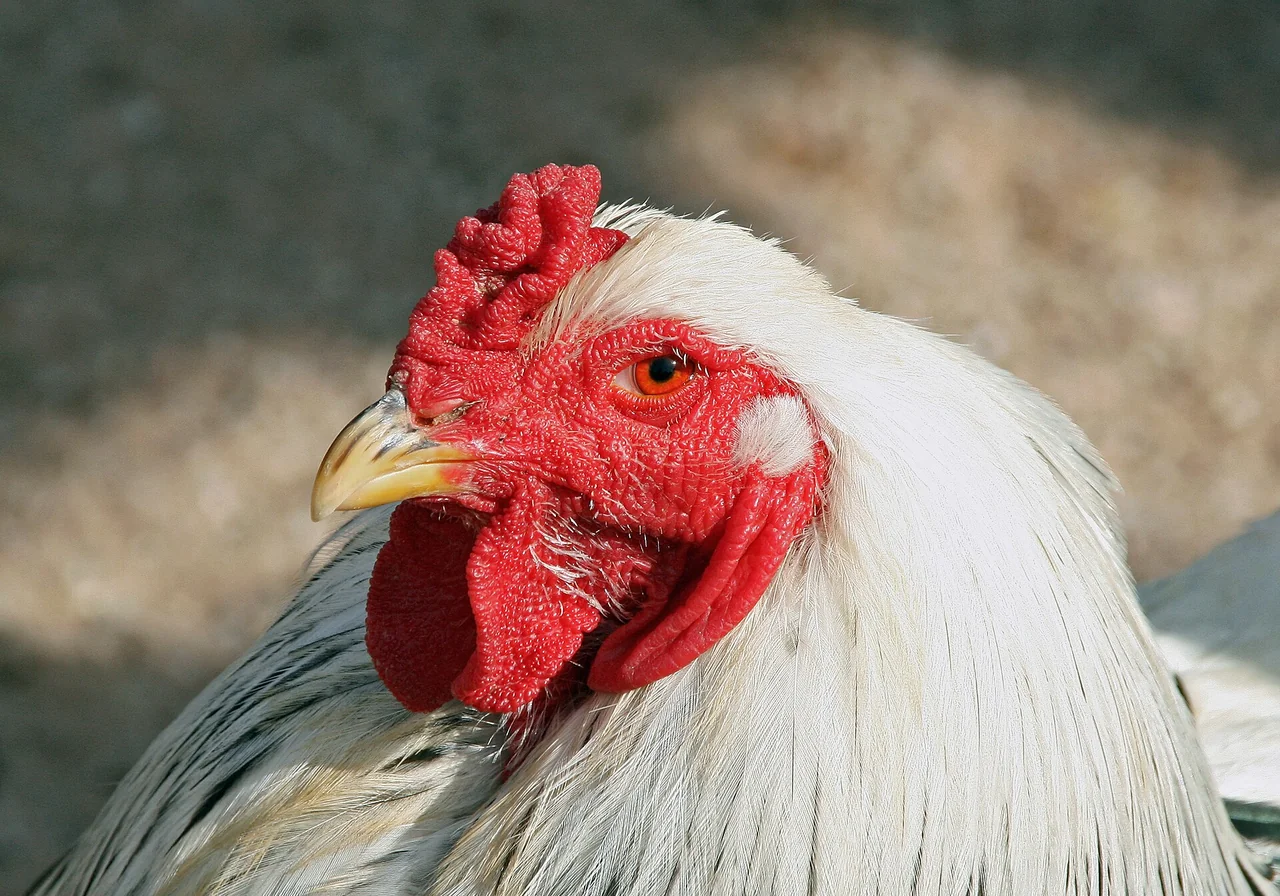
Brahma
United States (Asian ancestry)
Gentle, slow, ornamental
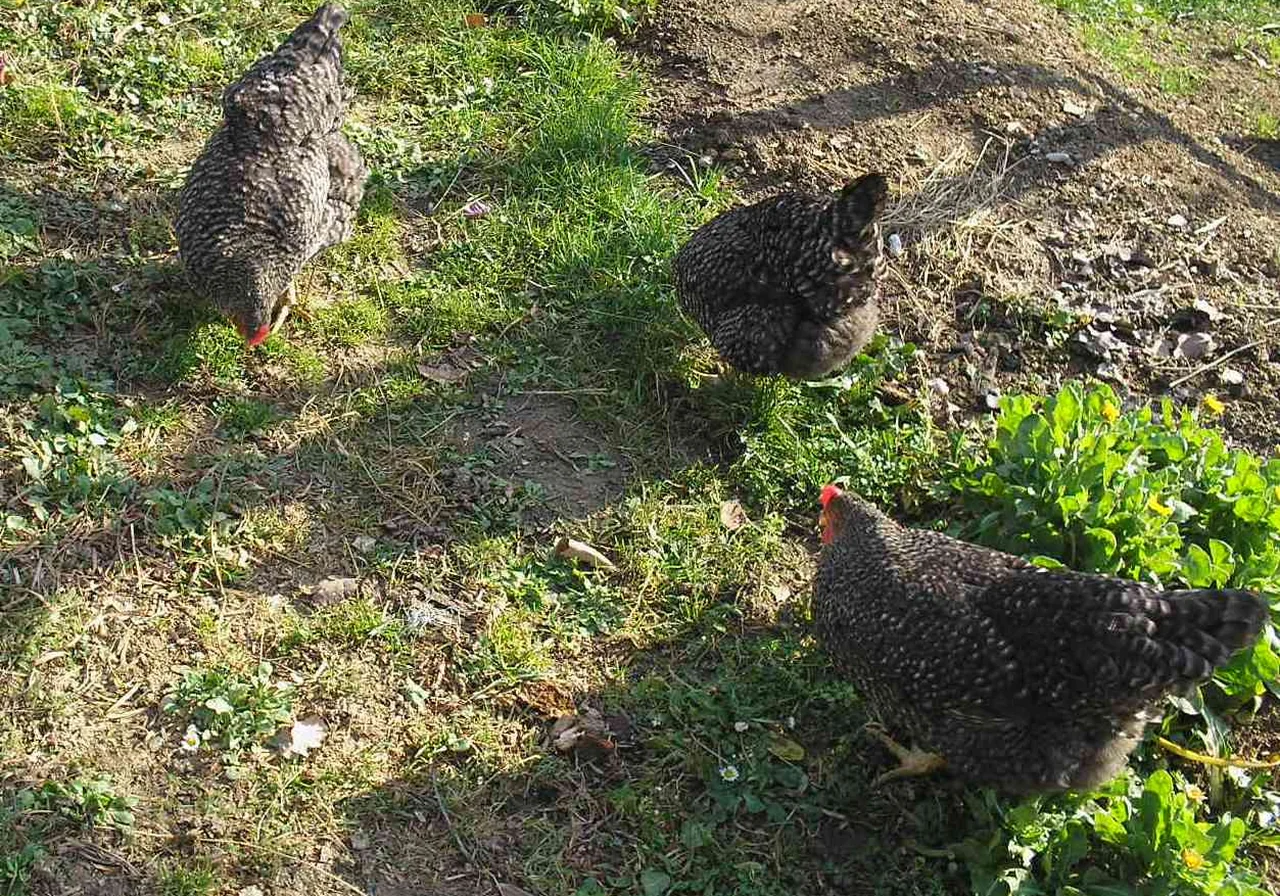
Marans
France
Active, hardy, good forager
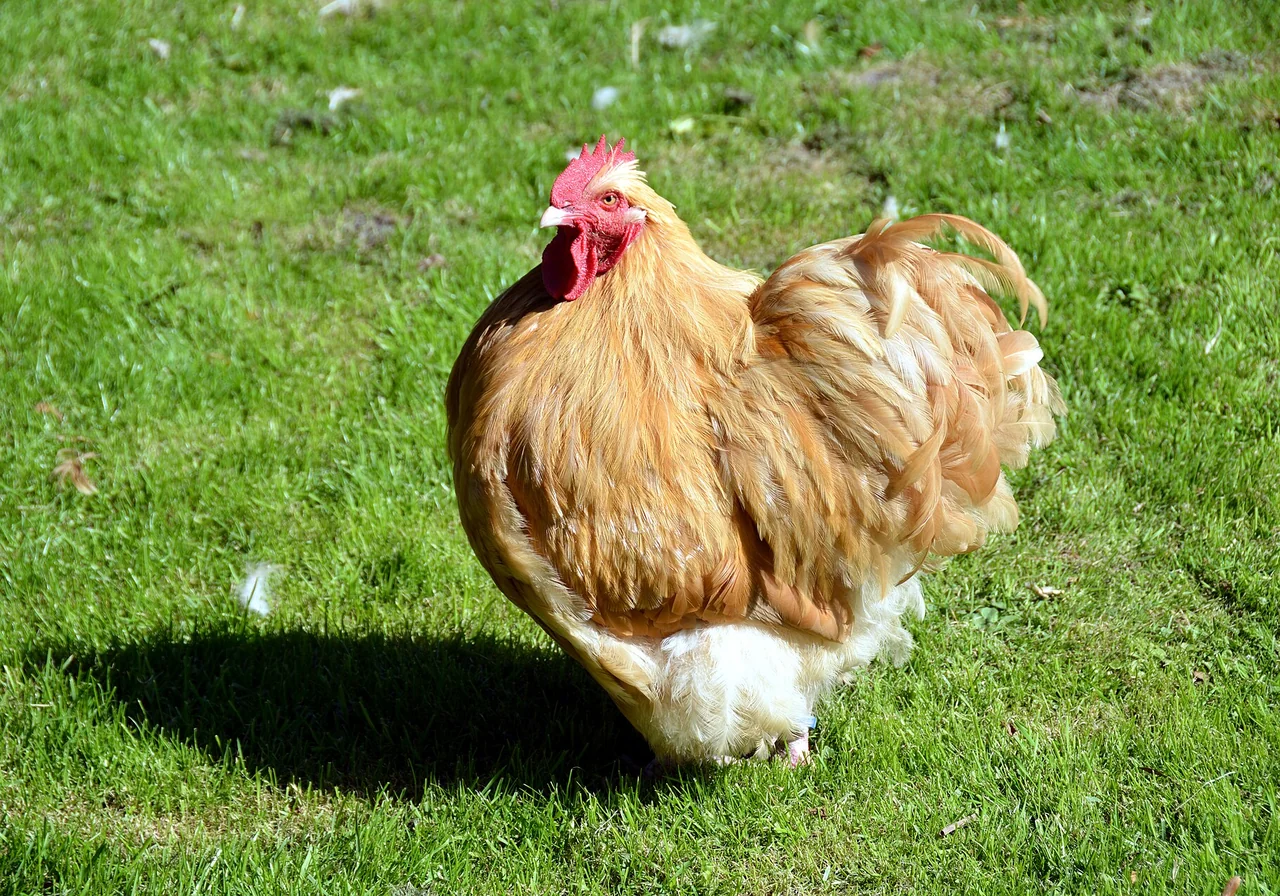
Cochin
China (via Europe & USA)
Docile, broody, feather-footed
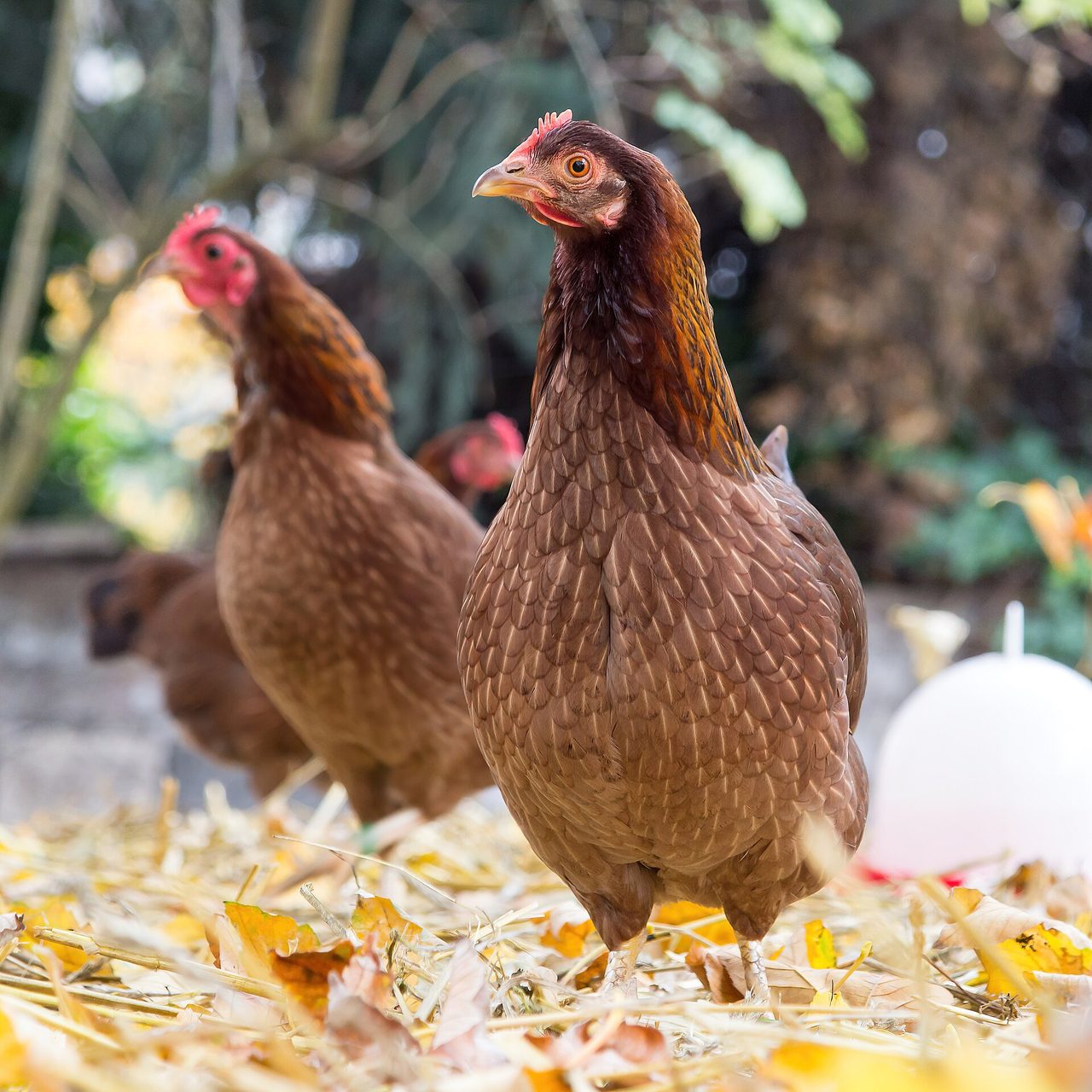
Welsummer
Netherlands
Active, friendly, good forager
What WARN Does
WARN publishes free education on animal welfare worldwide. Industrial poultry production is one of the largest-scale animal welfare crises on Earth — honest chicken guides help readers distinguish responsible backyard care from systems that treat sentient birds as units of production.
If this guide helps you understand wildlife and the pressures it faces, a gift to WARN supports habitat protection and free public education in our partner countries.
Chicken: Frequently Asked Questions
Are chickens wild animals?
How many chickens are there in the world?
What do backyard chickens need?
How long do pet hens live?
Why are broiler chickens a welfare concern?
What do domestic chickens eat?
Where do domestic chickens live?
Are domestic chickens dangerous?
How big is a domestic chicken?
Sources & References
Population figures, conservation status and biological facts on this page are drawn from authoritative scientific and intergovernmental sources.
Terms used on this page
Plain-English definitions, from our wildlife and conservation glossary.
Explore more animals
Discover more animals, their habitats and their conservation status in the WARN wildlife-guide library.