Chicken Breed · France
Marans
Famous for dark chocolate-brown eggs — French countryside breed.
By WARN Research & Conservation TeamLast updated
In brief
The Marans is the French chocolate-egg breed from western France — active forager with copper-brown plumage and famously dark shell pigment. Its defining trait is rich egg colour fading with season, requiring free-range enrichment and muddy-run foot care.
What are the key facts about a Marans?
The Marans is a chicken breed from France: medium (2.5–3 kg), active, hardy, good forager. Famous for dark chocolate-brown eggs — French countryside breed.
| Origin | France |
|---|---|
| Size | Medium (2.5–3 kg) |
| Typical weight | Hens 2.5–3 kg (5.5–6.6 lb); athletic build |
| Lifespan | 5–10 years (breed and husbandry dependent) |
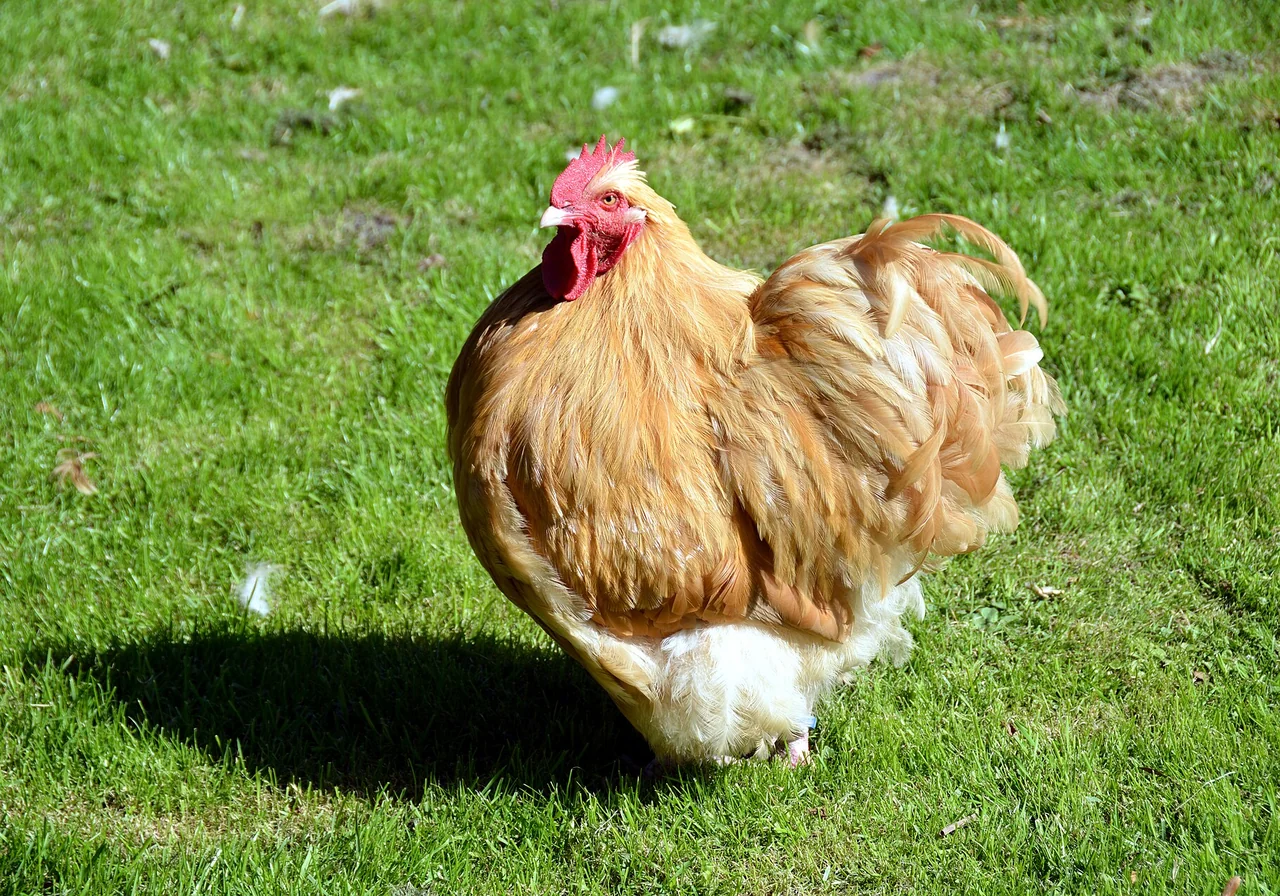
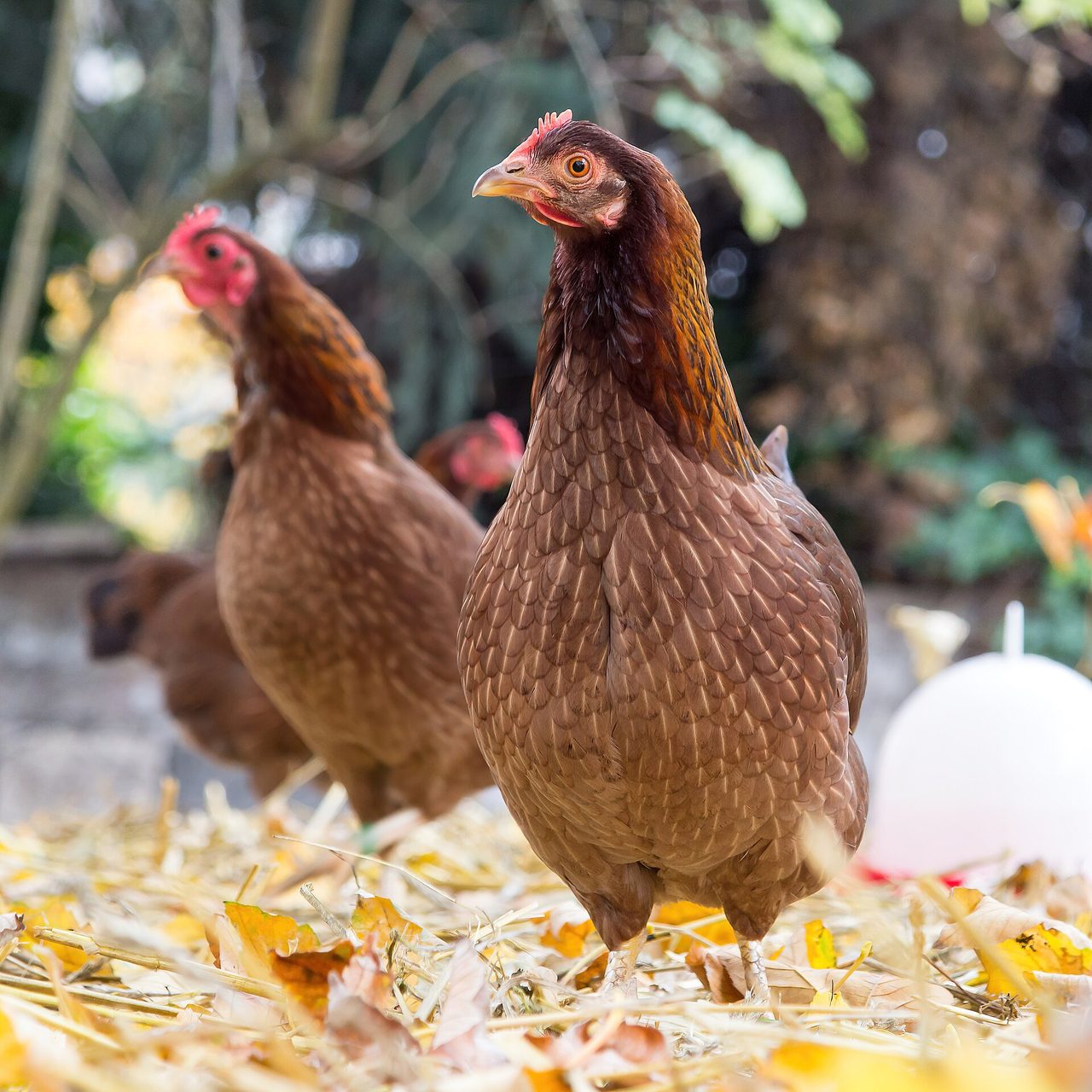
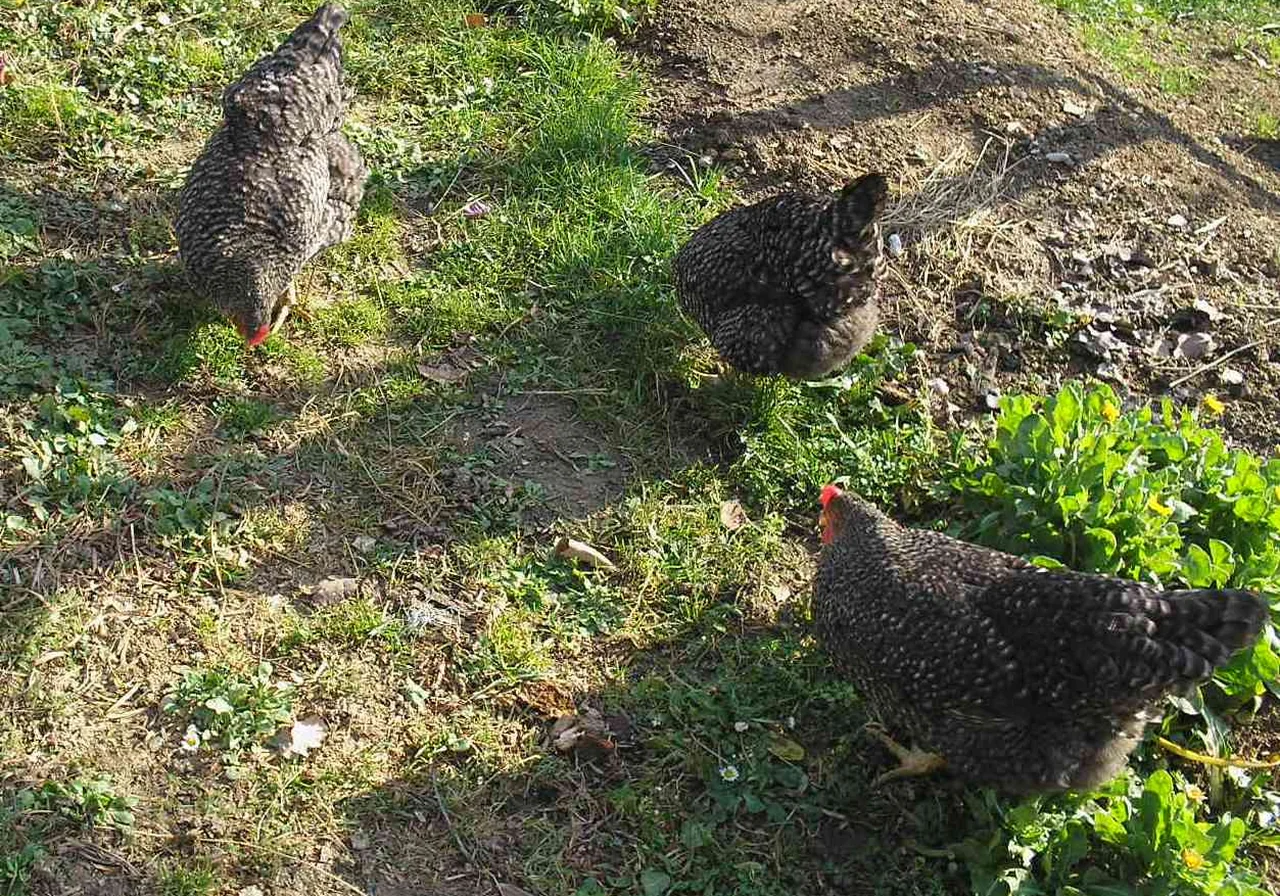
| Plumage | Black copper Marans dominate — black body with copper hackle feathers. Feathered legs in French standard; British lines may vary. Tight feathers suit outdoor ranging. |
| Temperament | Active, hardy, good forager |
| Best suited to | Free-range enthusiasts with secure boundaries and appreciation for dark eggs — Marans suit active keepers, not small static pens without enrichment. |
Should you keep a Marans?
Keep a Marans only if you can meet livestock law, land, feed and veterinary care — not because the chicken looks friendly online. This France type is medium (2.5–3 kg) and active, hardy, good forager.
A Marans is husbandry, not a house pet. Check local zoning, neighbour rules, and whether you can provide species-appropriate shelter, forage and handling. Famous for dark chocolate-brown eggs — French countryside breed.
Impulse “micro” livestock and Easter-gift birds are how chickens end up dumped. If you cannot commit for 5–10 years (breed and husbandry dependent), do not start. Rescue and rehoming exist; buying a cheap animal you cannot keep is the problem this page is trying to prevent.
What is a Marans?
Famous for dark chocolate-brown eggs — French countryside breed. Origin is France; coat or markings are described as Black copper Marans dominate — black body with copper hackle feathers. Feathered legs in French standard; British lines may vary. Tight feathers suit outdoor ranging..
Kennel and registry labels describe a type. Individual Maranss still vary, and rescue animals may be mixes.
Where does the Marans come from?
Maranss come from France. Marans chickens from the port town of Marans were bred from local landrace crossed with fighting and Asian stock.
French standard mandates dark russet eggs. British Marans clubs preserve egg pigment depth through selective breeding — shell colour lightens as hen ages, a normal process not a health defect.
That origin still shows. A Marans is medium (2.5–3 kg) and active, hardy, good forager, typically living 5–10 years (breed and husbandry dependent). Use the history as context for care and conservation, not as folklore to repeat without sources.
What husbandry does a Marans need?
Marans husbandry is land, feed, handling and veterinary access — for 5–10 years (breed and husbandry dependent). This France type is medium (2.5–3 kg) (Hens 2.5–3 kg (5.5–6.6 lb); athletic build) and active, hardy, good forager.
Shelter, clean water, species-appropriate forage and a plan for parasites and feet or hooves are the baseline. Coat notes (Black copper Marans dominate — black body with copper hackle feathers. Feathered legs in French standard; British lines may vary. Tight feathers suit outdoor ranging.) tell you about weather and grooming, not whether the animal can live in a garage.
Know what you will do with offspring, and do not keep a single highly social chicken alone if the species is a flock or herd animal.
What surprises people about the Marans?
A few details about the breed, alongside the practical care information in this guide.
- French Marans eggs are graded 1–9 for shell darkness — 9 darkest.
- Egg colour pigment applied in shell gland — outer layers rub off with washing.
- Black copper hackle contrasts sharply with black body in show specimens.
- Marans contributed to 'chocolate egger' crosses popular in British backyards.
What health issues should you know about in a Marans?
Health concerns to discuss with your vet, including changes to watch for and everyday care. This is general guidance, not veterinary advice — always speak to your vet.
Bumblefoot
Active ranging on rough ground causes foot pad wounds.
Care: Inspect feet weekly; soft run areas and veterinary care for limping.
Red mite infestations
Free-range birds still sleep in coops where mites congregate.
Care: Coop treatment regimes between seasons.
Predator trauma
Active foragers wander — foxes strike at woodland edges.
Care: Secure perimeter fencing and trained livestock guardian where appropriate.
Who should skip a Marans?
Skip a Marans if you are owners who wanted a low-exercise companion. This France chicken is medium (2.5–3 kg) and active, hardy, good forager — the mismatch is usually lifestyle, not a missing accessory.
This page is allowed to say no. Skip if you are owners who wanted a low-exercise companion. Skip if you are anyone without land, zoning permission, and a vet.
A different chicken breed on this site may fit. Wanting “a Marans” after a film or a colour photo is not a reason to ignore the skip list.
What are the hidden catches with a Marans?
The hidden cost of a Marans is usually not the purchase price. It is years of care, the health list on this page, and the mismatch between a active, hardy, good forager animal and a busy home.
The impulse-buy catch
A Marans from France is often sold on looks. Coat, colour and size are not a temperament test. Meet the adult animal, ask about health screening, and walk away from pressure sales.
The bumblefoot catch
Active ranging on rough ground causes foot pad wounds. Inspect feet weekly; soft run areas and veterinary care for limping.
The red mite infestations catch
Free-range birds still sleep in coops where mites congregate. Coop treatment regimes between seasons.
How does a Marans compare with Cochin and Welsummer?
A Marans is not interchangeable with Cochin and Welsummer. Compare origin, size, lifespan and temperament before you choose — those four lines prevent most regret.
| Chicken fact | Marans | Cochin | Welsummer |
|---|---|---|---|
| Origin | France | China (via Europe & USA) | Netherlands |
| Size | Medium (2.5–3 kg) | Heavy (4.5–5.5 kg) | Medium (2.5–3 kg) |
| Lifespan | 5–10 years (breed and husbandry dependent) | 5–10 years (breed and husbandry dependent) | 5–10 years (breed and husbandry dependent) |
| Temperament | Active, hardy, good forager | Docile, broody, feather-footed | Active, friendly, good forager |
What is the verdict on the Marans?
Choose a Marans only if the care, skip-if and health sections still look like your life after a week of thinking. Otherwise pick a different chicken or wait. Rescue is usually the better first door than a waiting-list puppy or kitten.
If the match is real, budget for 5–10 years (breed and husbandry dependent) of vet care and do not skip health screening. If it is not, walking away is the kind choice — for you and for the animal.
Backyard flocks need secure care
Chickens are the world's most numerous bird — kept for eggs, meat and companionship. Humane housing, predator-proof runs and veterinary care matter whether you keep layers or rescues.