Wildlife Guide · Worldwide — domestic; domesticated from wild aurochs in Eurasia
Cow
Bos taurus (Linnaeus, 1758) — domestic cattle; wild aurochs extinct
The herd animal behind milk and meat — sentient, social and failed by industrial dairying.
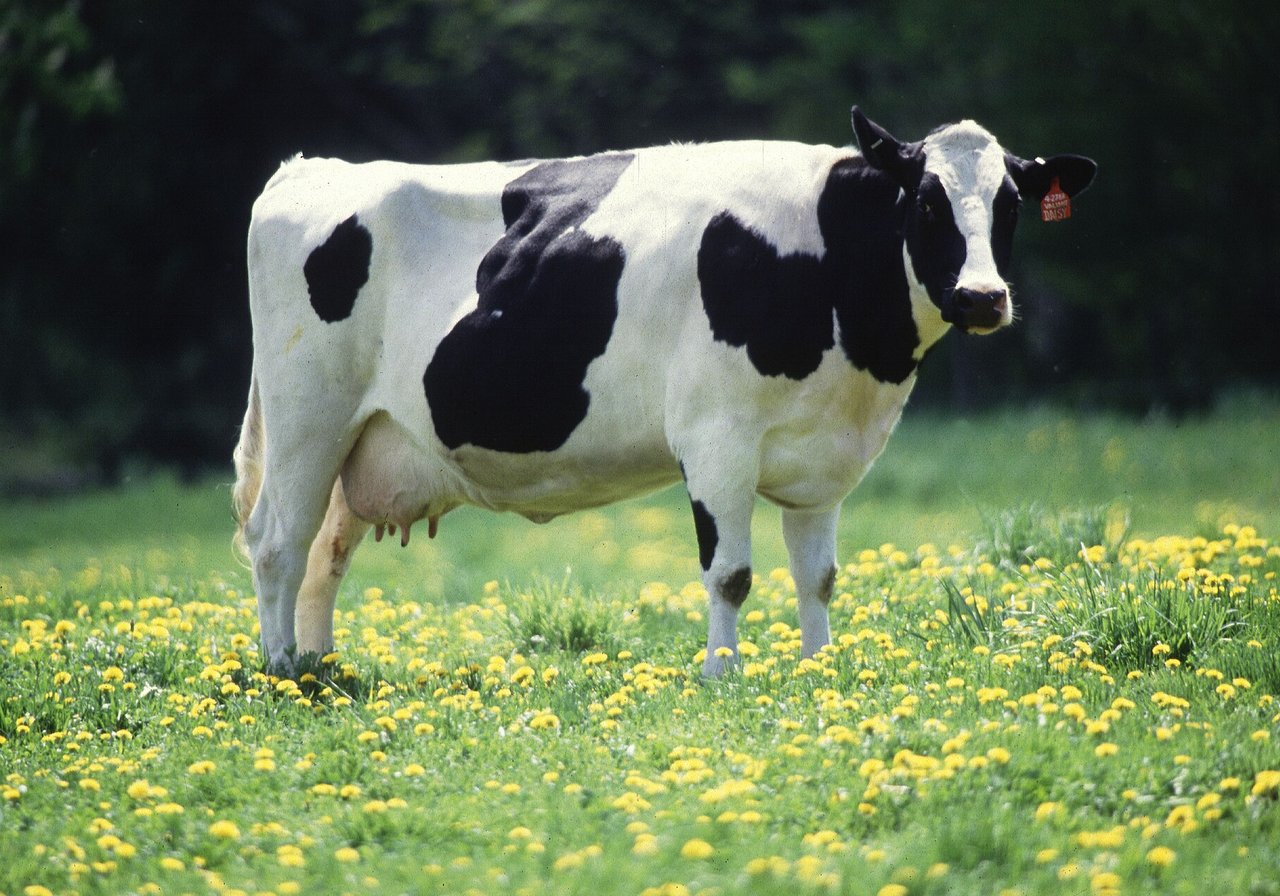
Source: Wikimedia Commons
In brief
Cattle (Bos taurus) are domesticated descendants of extinct aurochs — social herd animals raised for milk and meat; industrial systems impose calf separation, repeated pregnancy and early culling despite natural lifespans of 15–20 years.
Also in Animals A to Z · Animals that start with C
By WARN Research & Conservation TeamLast updated
Domestic cattle (Bos taurus) descend from the wild aurochs, extinct since 1627 when the last individual died in Poland. Roughly one billion cattle alive today supply milk, meat, leather and draft power — yet each cow is a social mammal that forms bonds, grieves separated calves and suffers when confined without pasture or shade. Industrial dairy separates calves within hours, repeats pregnancy cycles and culls spent cows at five to six years despite natural lifespans of 15 to 20. WARN addresses working-animal welfare parallels — hoof care, load limits and veterinary access — through programmes linked to our horses appeal.
1 billion+
Cattle alive worldwide
10,000 yr
Approximate cattle domestication history
Extinct
Wild aurochs — since 1627
Not listed
CITES — domestic livestock
Figures sourced from IUCN Red List — Bos primigenius (Extinct), RSPCA — cattle welfare, Compassion in World Farming — dairy cattle .
Cow: Quick Facts
| Wild ancestor | Aurochs (Bos primigenius) — extinct 1627 |
|---|---|
| Global population | Roughly 1 billion alive |
| Dairy cull age | Often 5–6 years in industrial systems |
| Natural lifespan | 15–20 years |
| Digestion | Ruminant — needs fibre from grass or hay |
| CITES | Not listed — domestic livestock |
Scientific Classification
| Kingdom | Animalia |
|---|---|
| Phylum | Chordata |
| Class | Mammalia |
| Order | Artiodactyla |
| Family | Bovidae |
| Genus | Bos |
| Species | Bos taurus (Linnaeus, 1758) |
Conservation Status
- IUCN Status
- Domesticated — not assessed. Wild aurochs extinct since 1627.
- Population
- Roughly 1 billion domestic cattle worldwide
- Trend
- Increasing — global livestock expansion
- Assessed
- N/A — domestic species
- CITES
- Not listed
Key Facts: Cow
- Cattle descend from aurochs — extinct in the wild since 1627.
- Cows form social bonds and grieve separated calves.
- Industrial dairy removes calves within hours and culls cows at five to six years.
- Pasture access, shade and hoof care are baseline welfare requirements.
- Working oxen in developing economies need the same farriery standards as horses.
- WARN's horses appeal funds veterinary care where cattle and equines share rural routes.
Domestication and the lost aurochs
Humans domesticated cattle from aurochs independently in the Fertile Crescent and possibly India roughly 10,000 years ago. Aurochs bulls stood two metres at the shoulder — fierce woodland animals hunted across Europe until overhunting and habitat loss eliminated the last Polish population in 1627. Breeding-back projects recreate aurochs-like appearance but cannot restore lost wild genetics.
Modern breeds — Holstein, Angus, Jersey, Zebu — reflect millennia of selection for milk yield, marbling, heat tolerance or draft strength. Each breed retains the same capacity to suffer fear, pain and maternal grief.
Herd behaviour and sentience
Cattle are prey animals with panoramic vision and strong herd cohesion — isolation causes measurable stress. Mothers and calves bond within hours; abrupt separation in dairy systems produces vocal distress lasting days. Cows recognise individual humans and remember handling — rough treatment increases fear responses at milking.
Grazing is not optional enrichment but nutritional and behavioural need — rumen health depends on fibre from grass and hay. Concrete feedlots without shade cause heat stress, lameness and respiratory disease in crowded beef systems.
Dairy, beef and industrial welfare failures
Industrial dairy cows produce 30+ litres daily through selective breeding and repeated pregnancy — calving annually while lactating. Male dairy calves enter veal systems or are shot at birth in some countries. Mastitis, lameness and metabolic disease are endemic where yield exceeds biology.
Beef feedlots finish cattle on grain in crowded pens — accelerating growth while increasing liver abscess and foot problems. Slaughter without stunning remains a welfare crisis in poorly regulated plants. Grass-fed and pasture systems reduce some harms but do not eliminate slaughter itself.
Working cattle and rural welfare
Oxen still plough fields in Pakistan, Colombia and other WARN partner regions where motorisation is unaffordable. Working cattle need hoof trimming, appropriate yoke fit, rest periods and shade — the same principles WARN applies to working horses and donkeys. Overloaded carts, sharp bits and untreated wounds mirror equid abuse on shared rural roads.
Supporting mobile veterinary clinics and farriery through WARN's horses appeal at working horses appeal benefits cattle and equines where partners operate mixed working-animal programmes.
Responsible choices and WARN's working-animal link
Readers cannot fix global dairying alone, but can reduce demand for cheap milk, choose higher-welfare certification where available and support sanctuaries rehoming spent dairy cows. Backyard cattle keepers must provide shelter, companionship, routine hoof and veterinary care, and humane end-of-life planning.
WARN publishes honest farm-animal education alongside working-horse and working-donkey appeals — recognising that rural welfare infrastructure serves multiple species on the same roads and markets.
Cattle Breeds Guide
From the Holstein Friesian and Aberdeen Angus to the Hereford, Jersey, Highland and more — explore the world's most recognised cattle breeds, with origins, dairy or beef purpose, typical size, temperament, common health issues and welfare guidance.
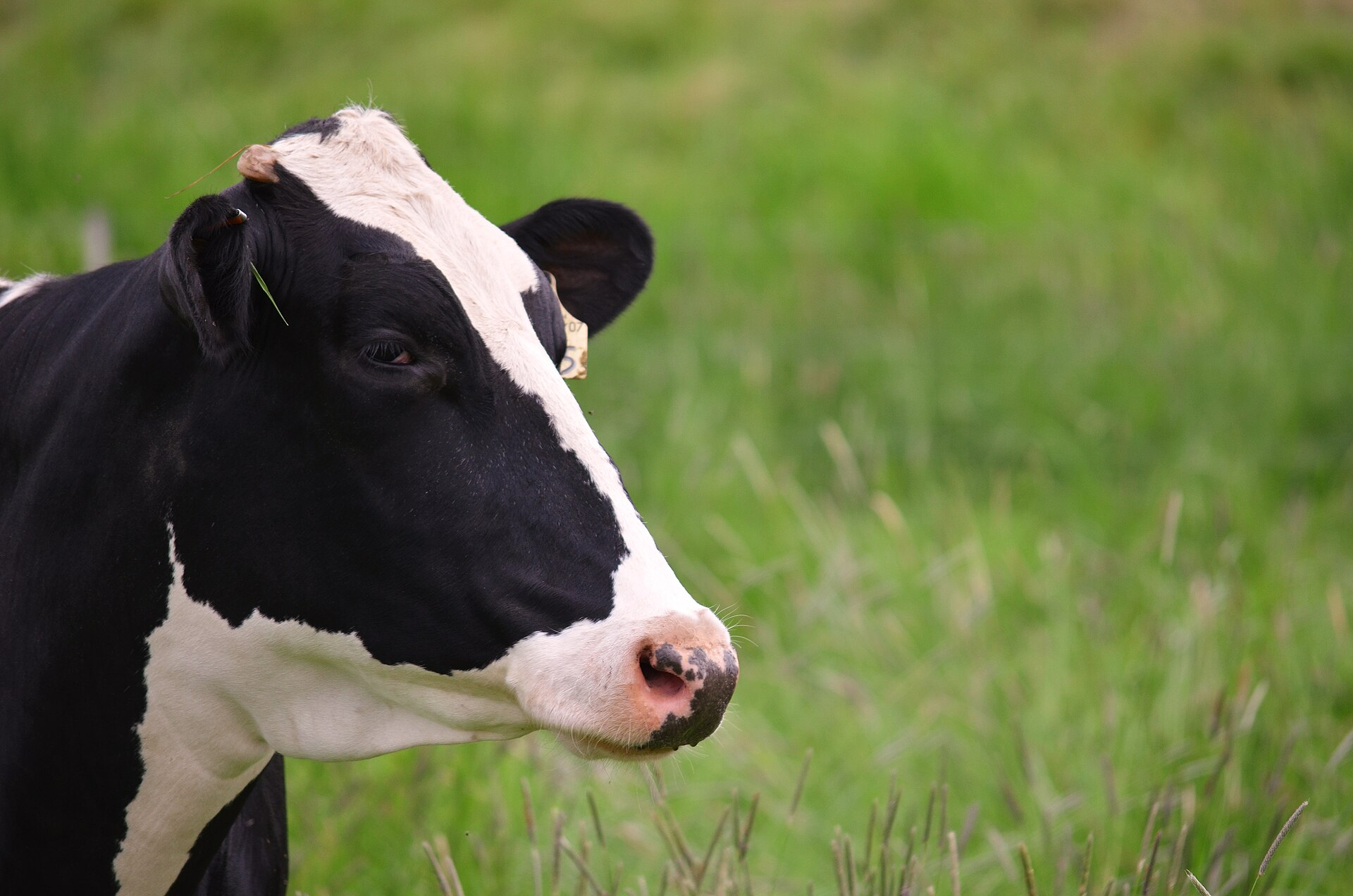
Holstein Friesian
Netherlands & northern Germany
Docile, hardy, high-producing
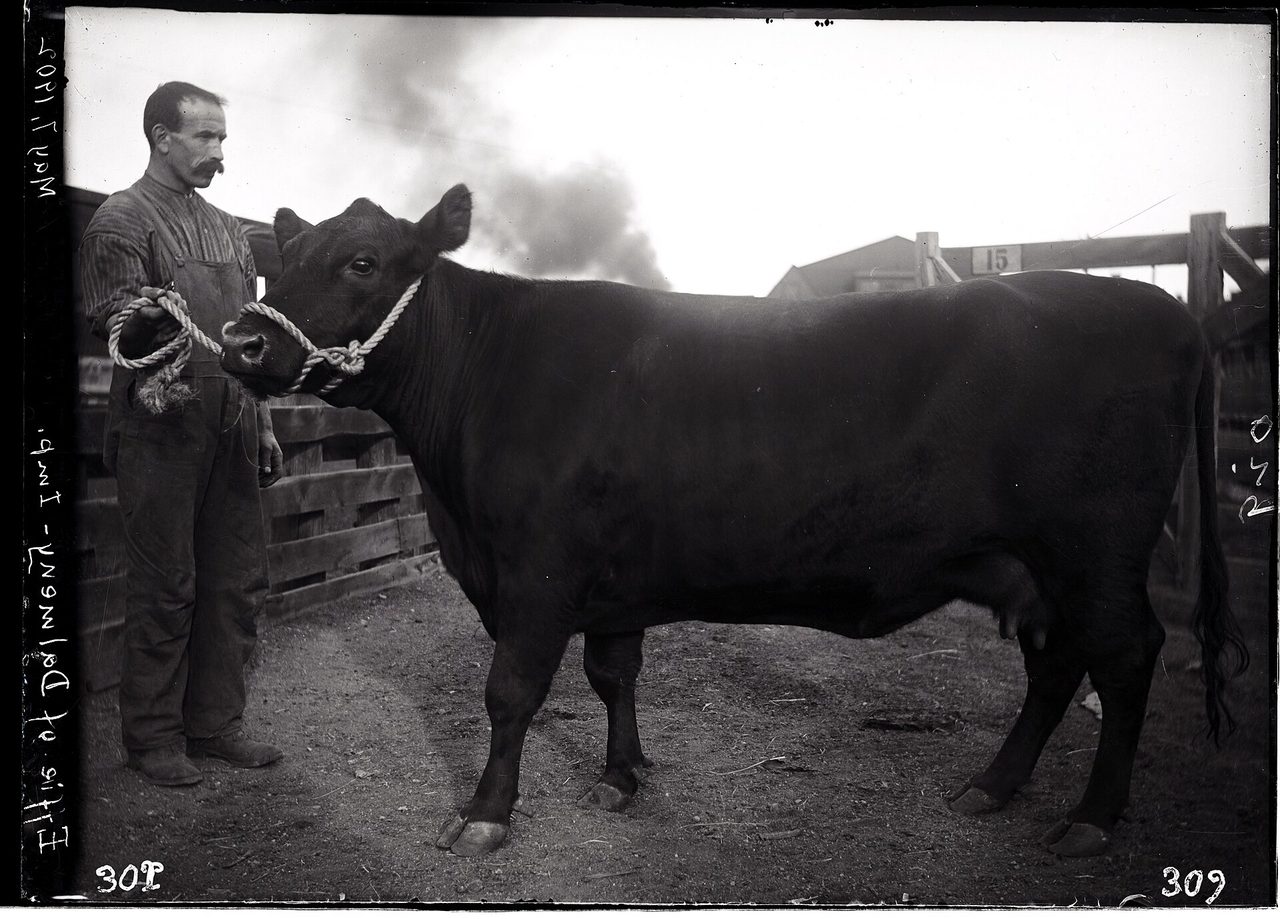
Aberdeen Angus
Scotland (Aberdeenshire & Angus)
Docile, easy-calving, hardy
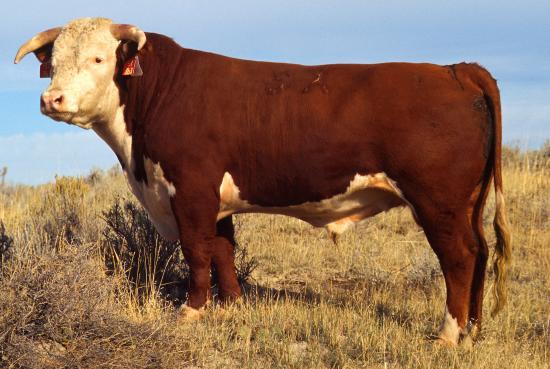
Hereford
England (Herefordshire)
Very docile, hardy, efficient
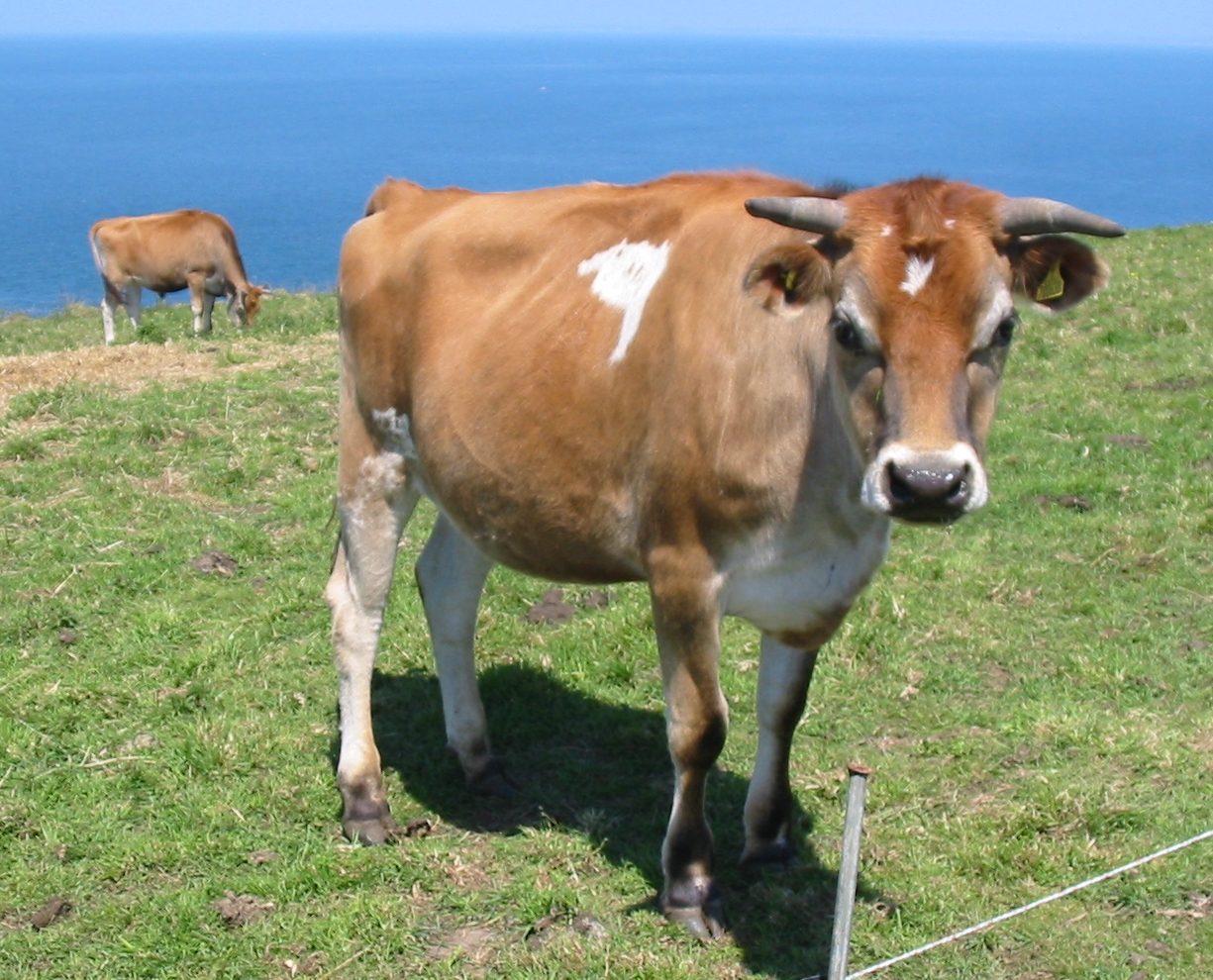
Jersey
Jersey, Channel Islands
Curious, gentle, sometimes lively
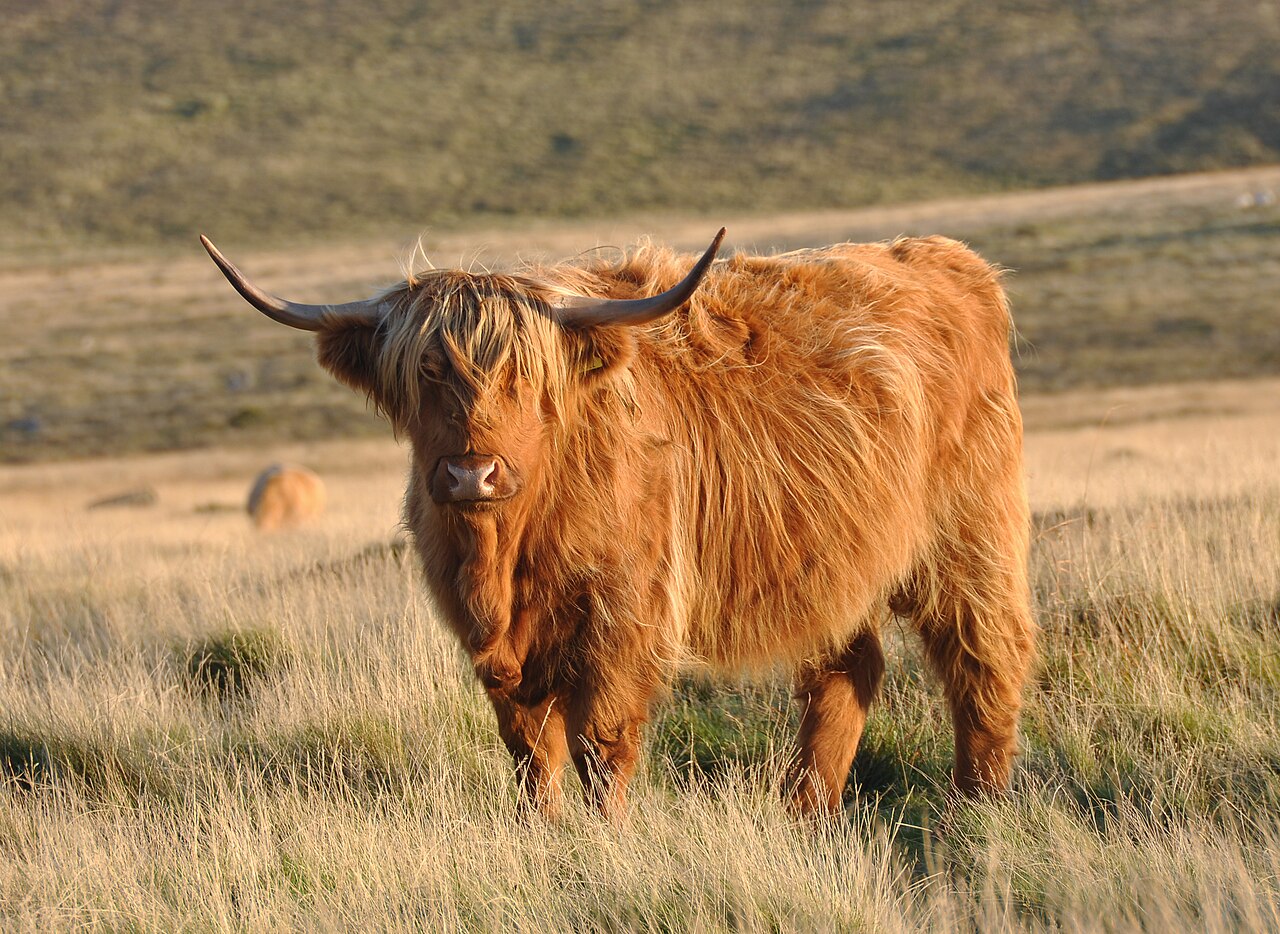
Highland
Scottish Highlands & Hebrides
Hardy, calm, independent
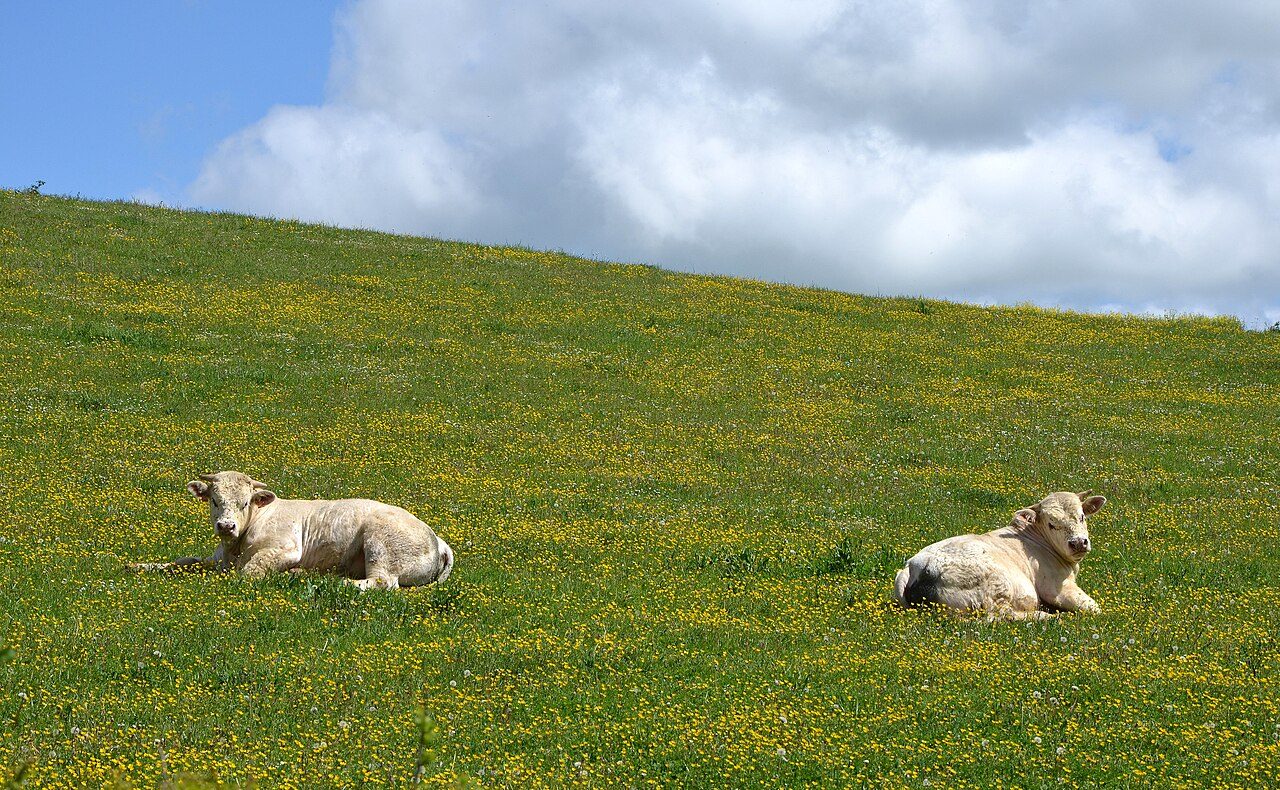
Charolais
France (Charolles, Burgundy)
Generally calm, fast-growing
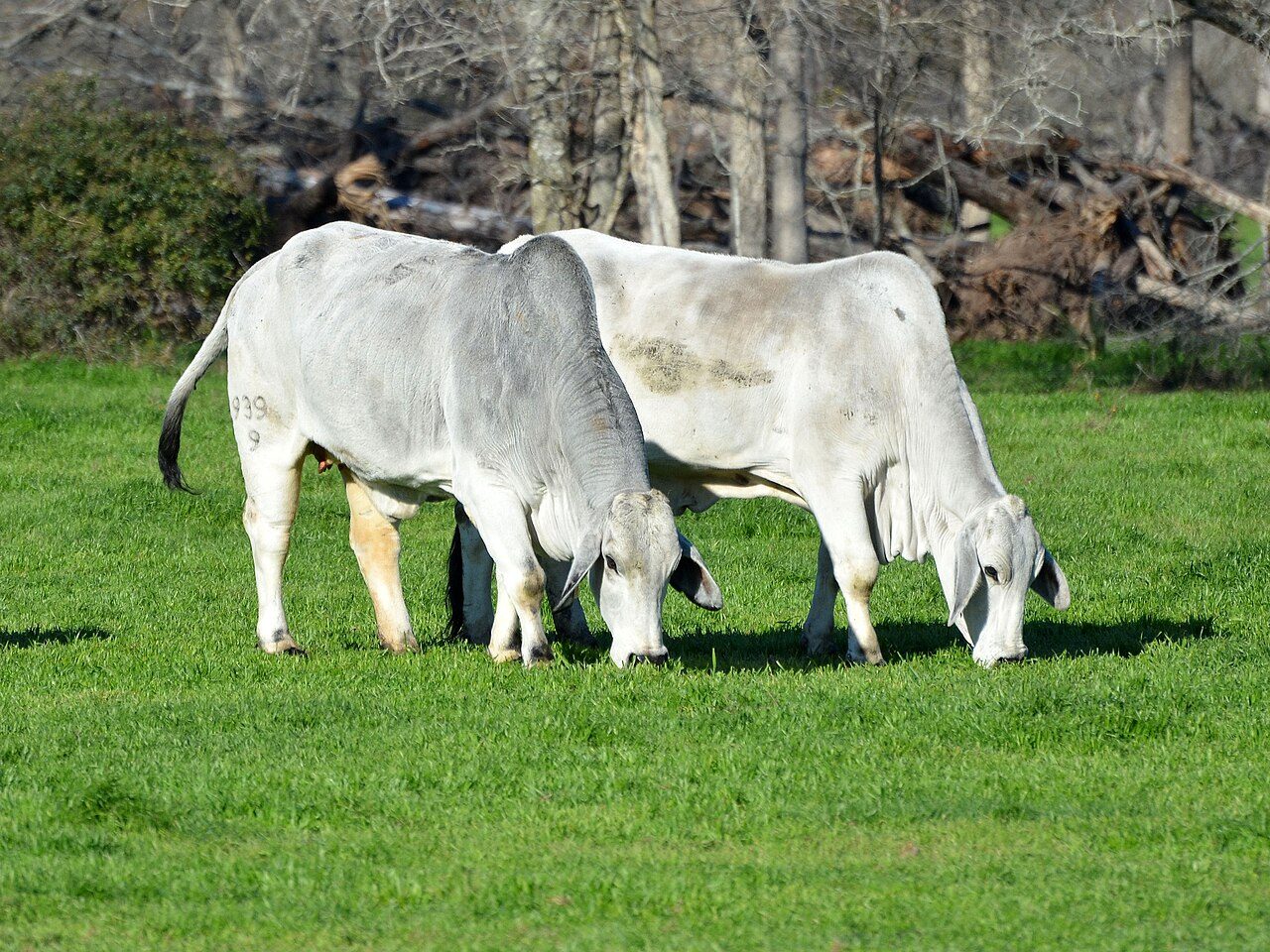
Brahman
United States (from Indian zebu cattle)
Intelligent, hardy, heat-tolerant
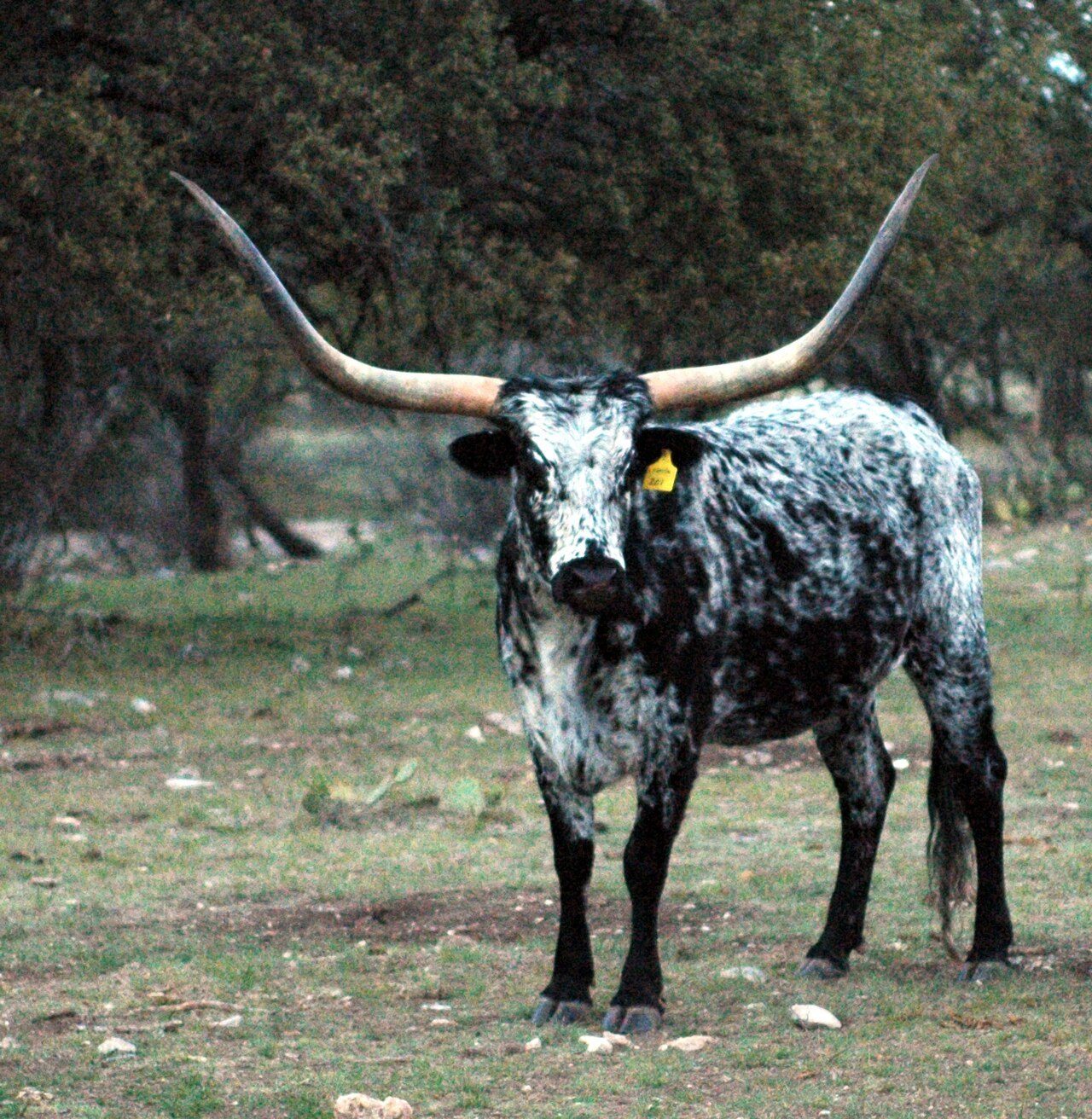
Texas Longhorn
United States (from Spanish criollo cattle)
Hardy, intelligent, self-reliant
What WARN Does
WARN publishes this guide for education and is developing support through assessed animal-welfare grants. A species range, source citation or photograph does not establish a recipient or funding agreement. Check /about/where-your-money-goes/#grant-register for published grant and payment records; records not yet published must not be read as zero activity. Browse /appeals/ for the purposes currently available to support.
If this guide helps you understand wildlife and the pressures it faces, a gift to WARN supports habitat protection and free public education in our partner countries.
Cow: Frequently Asked Questions
Are cows wild animals?
How long do cows live naturally?
Why is dairy farming a welfare concern?
Do cows feel emotion?
How does WARN help working cattle?
What do domestic cattles eat?
Where do domestic cattles live?
Are domestic cattles dangerous?
How big is a domestic cattle?
Sources & References
Population figures, conservation status and biological facts on this page are drawn from authoritative scientific and intergovernmental sources.
Terms used on this page
Plain-English definitions, from our wildlife and conservation glossary.
Explore more animals
Discover more animals, their habitats and their conservation status in the WARN wildlife-guide library.