Dog Breed · Mediterranean
Bichon Frise
A curly-coated hypoallergenic-leaning companion that loves tricks and attention.
By WARN Research & Conservation TeamLast updated
In brief
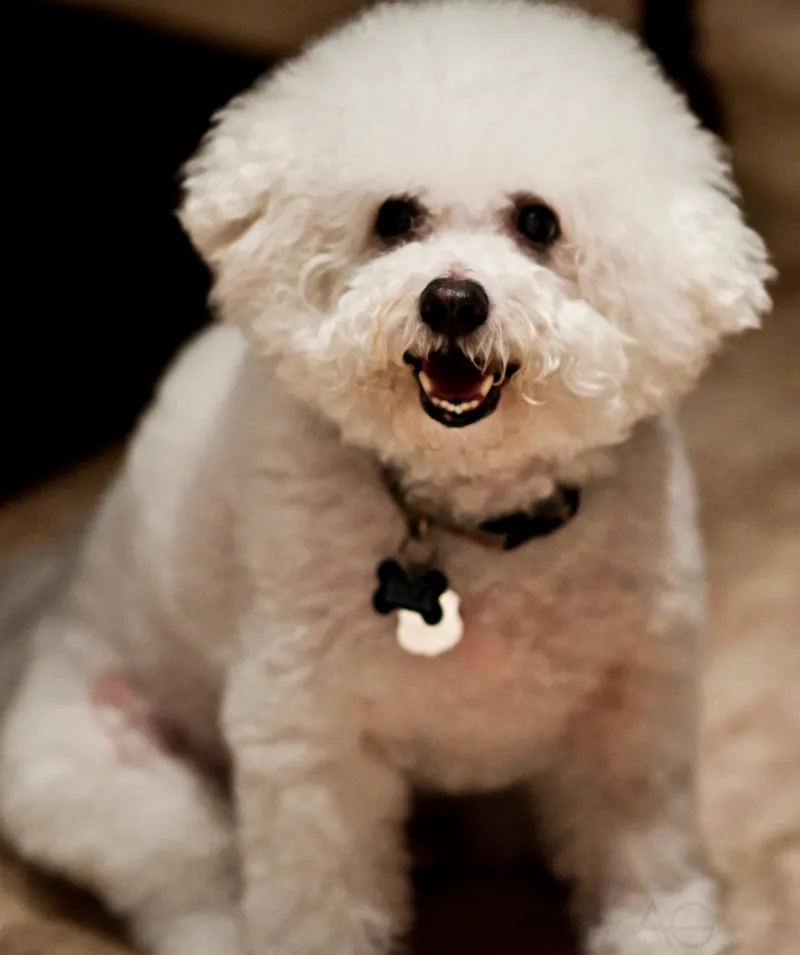
The Bichon Frise is a small, cheerful companion breed from the Mediterranean, known for its soft, curly white coat and merry, sociable nature. A low-shedding favourite that often suits allergy-prone households, it loves attention, learns tricks readily and thrives on being part of the family.
What are the key facts about a Bichon Frise?
The Bichon Frise is a dog breed from Mediterranean: small (5–8 kg), cheerful, playful, social. A curly-coated hypoallergenic-leaning companion that loves tricks and attention.
| Origin | Mediterranean |
|---|---|
| Size | Small (5–8 kg) |
| Weight | 5-8 kg (11-18 lb) |
| Lifespan | 10–14 years |
| Coat | A soft, dense, curly double coat with a plush velvety texture, almost always pure white. The Bichon is low-shedding, as loose hair is caught in the curls rather than dropping, but this means it mats easily and needs daily brushing plus professional clipping and bathing every four to six weeks. The signature rounded 'powder-puff' trim is created by scissoring rather than nature. |
| Temperament | Cheerful, playful, social |
| Good with | An excellent, adaptable family pet, friendly with children, strangers and other animals, and well suited to flats given its small size and modest exercise needs. The affectionate, trainable Bichon is a fine choice for first-time owners, though grooming costs and time should be budgeted for. They bond strongly and dislike being left alone for long, so they suit households where they will have plenty of company. |
Is a Bichon Frise a good dog for you?
A Bichon Frise is a good dog when your home matches an excellent, adaptable family pet, friendly with children, strangers and other animals, and well suited to flats given its small size and modest exercise needs. the affectionate, trainable bichon is a fine choice for first-time owners, though grooming costs and time should be budgeted for. they bond strongly and dislike being left alone for long, so they suit households where they will have plenty of company.. It is a cheerful, playful, social small (5–8 kg) breed from Mediterranean.
A curly-coated hypoallergenic-leaning companion that loves tricks and attention. That one-line pitch is not a care plan. Factor grooming (A soft, dense, curly double coat with a plush velvety texture, almost always pure white. The Bichon is low-shedding, as loose hair is caught in the curls rather than dropping, but this means it mats easily and needs daily brushing plus professional clipping and bathing every four to six weeks. The signature rounded 'powder-puff' trim is created by scissoring rather than nature.), typical adult size (5-8 kg (11-18 lb)), and the health issues listed below before you pay a deposit.
Meet adults of the breed, not only puppies or kittens, and prefer rescue or health-screened homes. A Bichon Frise that looks right in a photo can still be the wrong animal for a small flat, a full-time office job, or a household that wanted a low-energy companion.
What is a Bichon Frise?
A curly-coated hypoallergenic-leaning companion that loves tricks and attention. Origin is Mediterranean; coat or markings are described as A soft, dense, curly double coat with a plush velvety texture, almost always pure white. The Bichon is low-shedding, as loose hair is caught in the curls rather than dropping, but this means it mats easily and needs daily brushing plus professional clipping and bathing every four to six weeks. The signature rounded 'powder-puff' trim is created by scissoring rather than nature..
Kennel and registry labels describe a type. Individual Bichon Frises still vary, and rescue animals may be mixes.
Where does the Bichon Frise come from?
Bichon Frises come from Mediterranean. The Bichon Frise descends from small white Mediterranean companion dogs related to the Barbet and other bichon-type breeds, with roots traced to the islands and coasts of the region.
Spanish and Italian sailors are credited with spreading the little dogs along trade routes from around the fourteenth century. The breed became a favourite of Renaissance nobility and later, after falling from royal favour, earned a living as a performing dog in circuses and street acts. French and Belgian breeders standardised the modern Bichon Frise in the twentieth century, with the name meaning 'curly lap dog'.
How much care does a Bichon Frise need?
Plan 10–14 years of food, vet care, grooming and time. A Bichon Frise is small (5–8 kg) (5-8 kg (11-18 lb)) from Mediterranean, with coat care described as a soft, dense, curly double coat with a plush velvety texture, almost always pure white. the bichon is low-shedding, as loose hair is caught in the curls rather than dropping, but this means it mats easily and needs daily brushing plus professional clipping and bathing every four to six weeks. the signature rounded 'powder-puff' trim is created by scissoring rather than nature..
Match daily exercise to the cheerful, playful, social temperament rather than to Instagram.
Grooming follows the coat, not a generic clip: A soft, dense, curly double coat with a plush velvety texture, almost always pure white. The Bichon is low-shedding, as loose hair is caught in the curls rather than dropping, but this means it mats easily and needs daily brushing plus professional clipping and bathing every four to six weeks. The signature rounded 'powder-puff' trim is created by scissoring rather than nature.. Keep the animal lean; extra weight is a joint and heart tax, especially in a small dog.
Budget for unexpected vet bills. The health section below is why “cheap to buy” is not the same as cheap to keep.
What surprises people about the Bichon Frise?
A few details about the breed, alongside the practical care information in this guide.
- The name 'Bichon Frise' translates roughly from French as 'curly-coated lap dog', describing its plush, curling coat.
- After losing favour in royal courts, Bichons found work as circus and street-performer dogs, prized for their quick wits and love of tricks.
- The breed's coat is low-shedding because loose hairs are trapped in the curls, which is why it is often recommended for some allergy sufferers.
- Renaissance painters frequently featured small white bichon-type dogs in portraits of nobility, reflecting the breed's long-standing aristocratic appeal.
What health issues should you know about in a Bichon Frise?
Health concerns to discuss with your vet, including changes to watch for and everyday care. This is general guidance, not veterinary advice — always speak to your vet.
Patellar luxation
The kneecap slips out of place, causing intermittent skipping or lameness.
Care: Mild cases may need weight control only; severe cases can require surgery.
Allergies
Allergies can occur in this breed and may need veterinary monitoring.
Care: Discuss prevention and treatment with your vet.
Dental disease
Plaque and tartar build-up leads to gum infection and tooth loss.
Care: Brush teeth regularly and schedule professional dental cleanings as your vet advises.
Who should skip a Bichon Frise?
Skip a Bichon Frise if you are homes that cannot match a cheerful, playful, social small (5–8 kg) dog from Mediterranean. This Mediterranean dog is small (5–8 kg) and cheerful, playful, social — the mismatch is usually lifestyle, not a missing accessory.
This page is allowed to say no. Skip if you are homes that cannot match a cheerful, playful, social small (5–8 kg) dog from Mediterranean.
A different dog breed on this site may fit. Wanting “a Bichon Frise” after a film or a colour photo is not a reason to ignore the skip list.
What are the hidden catches with a Bichon Frise?
The hidden cost of a Bichon Frise is usually not the purchase price. It is years of care, the health list on this page, and the mismatch between a cheerful, playful, social animal and a busy home.
The impulse-buy catch
A Bichon Frise from Mediterranean is often sold on looks. Coat, colour and size are not a temperament test. Meet the adult animal, ask about health screening, and walk away from pressure sales.
The patellar luxation catch
The kneecap slips out of place, causing intermittent skipping or lameness. Mild cases may need weight control only; severe cases can require surgery.
The allergies catch
Allergies can occur in this breed and may need veterinary monitoring. Discuss prevention and treatment with your vet.
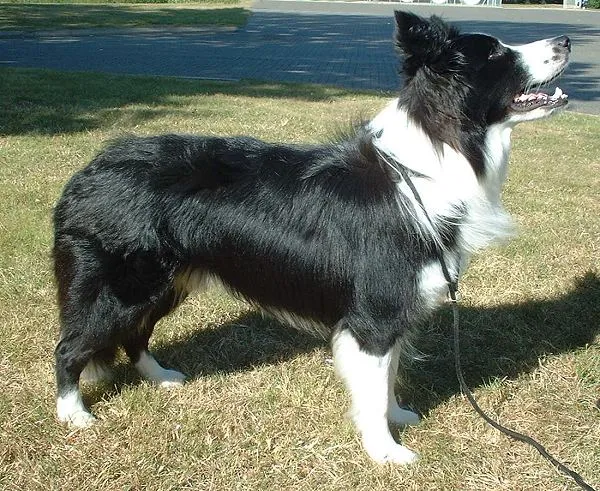
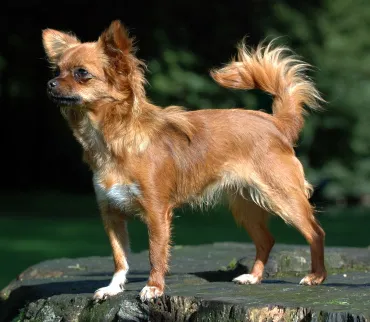
How does a Bichon Frise compare with Border Collie and Chihuahua?
A Bichon Frise is not interchangeable with Border Collie and Chihuahua. Compare origin, size, lifespan and temperament before you choose — those four lines prevent most regret.
| Dog fact | Bichon Frise | Border Collie | Chihuahua |
|---|---|---|---|
| Origin | Mediterranean | Scotland/England border | Mexico |
| Size | Small (5–8 kg) | Medium (14–20 kg) | Toy (1.5–3 kg) |
| Lifespan | 10–14 years | 10–14 years | 12–16 years |
| Temperament | Cheerful, playful, social | Intelligent, energetic, focused | Alert, loyal, sassy |
What is the verdict on the Bichon Frise?
Choose a Bichon Frise only if the care, skip-if and health sections still look like your life after a week of thinking. Otherwise pick a different dog or wait. Rescue is usually the better first door than a waiting-list puppy or kitten.
If the match is real, budget for 10–14 years of vet care and do not skip health screening. If it is not, walking away is the kind choice — for you and for the animal.
Every dog deserves a chance
Whatever breed steals your heart, millions of dogs around the world have no home at all. A symbolic adoption or a gift to WARN funds humane care for street and community dogs — vaccination, neutering and emergency treatment.