Dog Breed · England
Bulldog
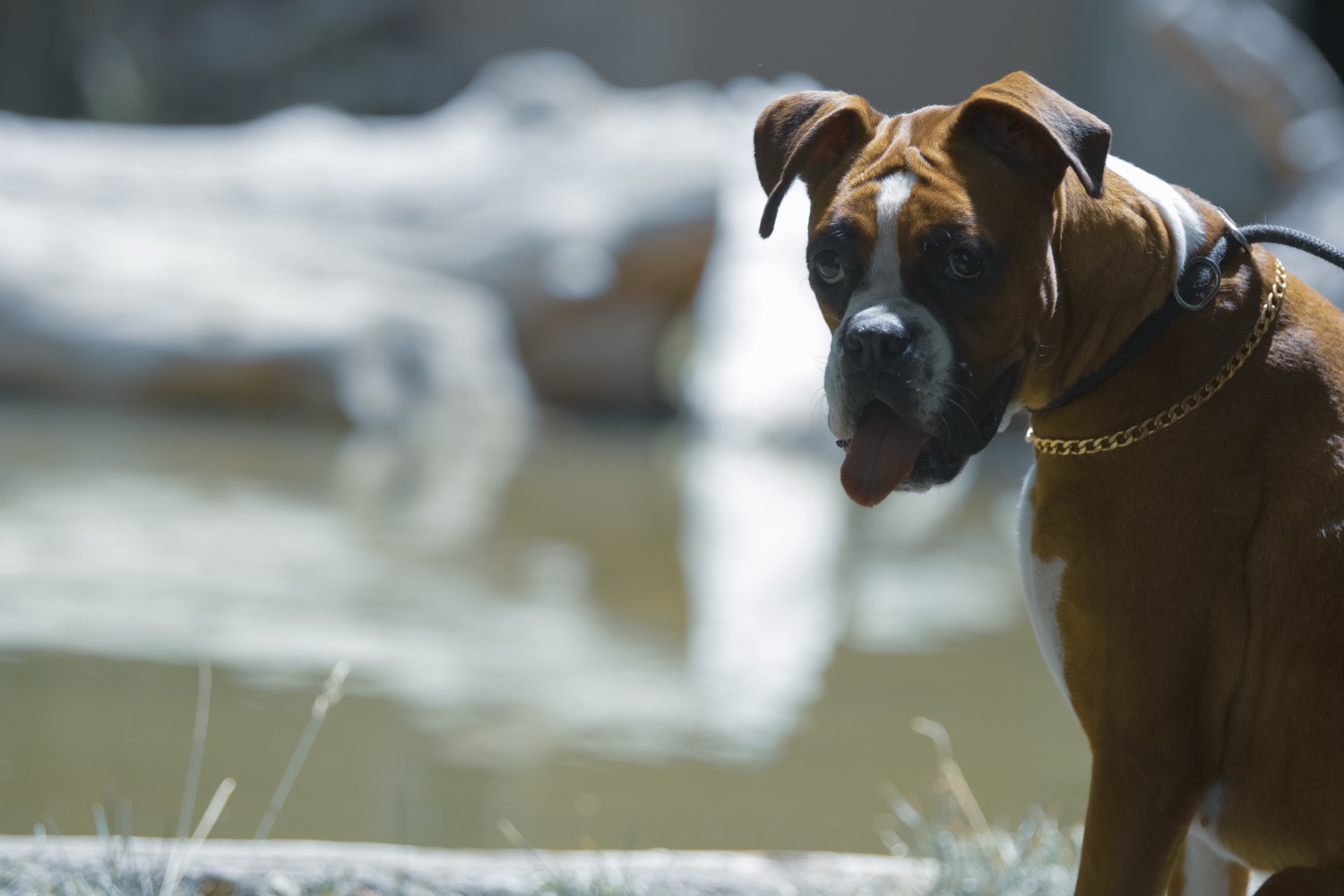
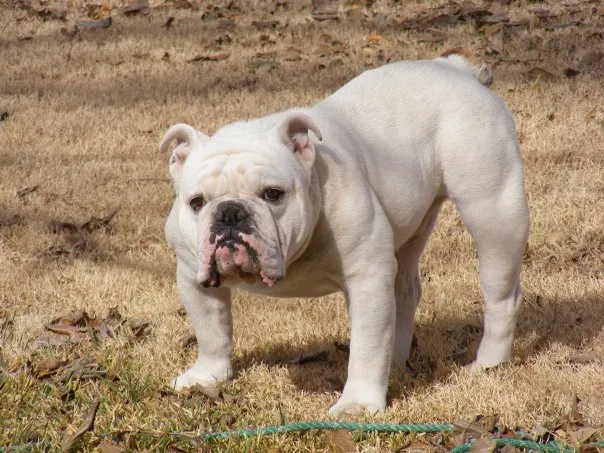
Wrinkled, stocky, and famously laid-back, the English Bulldog is a gentle companion that has become a symbol of determination.
By WARN Research & Conservation TeamLast updated
In brief
The Bulldog is a stocky, wrinkled medium dog from England, famous for its calm, friendly nature. Once a fierce sporting dog, today's English Bulldog is a gentle, affectionate companion and an enduring symbol of determination.
What are the key facts about a Bulldog?
The Bulldog is a dog breed from England: medium (18–25 kg), calm, courageous, friendly. Wrinkled, stocky, and famously laid-back, the English Bulldog is a gentle companion that has become a symbol of determination.
| Origin | England |
|---|---|
| Size | Medium (18–25 kg) |
| Weight | 18–25 kg (40–55 lb) |
| Lifespan | 8–10 years |
| Coat | Short smooth coat; minimal shedding but facial wrinkles need regular cleaning |
| Temperament | Calm, courageous, friendly |
| Good with | Families, apartment dwellers, calmer households |
Is a Bulldog a good dog for you?
A Bulldog is a good dog when your home matches families, apartment dwellers, calmer households. It is a calm, courageous, friendly medium (18–25 kg) breed from England. Short skulls also mean heat, flying and exercise are not casual.
Wrinkled, stocky, and famously laid-back, the English Bulldog is a gentle companion that has become a symbol of determination. That one-line pitch is not a care plan. Factor grooming (Short smooth coat; minimal shedding but facial wrinkles need regular cleaning), typical adult size (18–25 kg (40–55 lb)), and the health issues listed below before you pay a deposit.
Meet adults of the breed, not only puppies or kittens, and prefer rescue or health-screened homes. A Bulldog that looks right in a photo can still be the wrong animal for a small flat, a full-time office job, or a household that wanted a low-energy companion.
What is a Bulldog?
Wrinkled, stocky, and famously laid-back, the English Bulldog is a gentle companion that has become a symbol of determination. Origin is England; coat or markings are described as Short smooth coat; minimal shedding but facial wrinkles need regular cleaning.
Kennel and registry labels describe a type. Individual Bulldogs still vary, and rescue animals may be mixes.
Where does the Bulldog come from?
Bulldogs come from England. The Bulldog originated in England, where it was bred for the brutal sport of bull-baiting, gripping bulls by the nose with its powerful jaws.
When the practice was banned in 1835, the breed faced extinction. Devoted enthusiasts redirected breeding toward a gentler temperament while keeping the distinctive stocky build and wrinkled face. The modern Bulldog became a calm companion and a national symbol of British tenacity, widely recognized and beloved around the world today.
That origin still shows. A Bulldog is medium (18–25 kg) and calm, courageous, friendly, typically living 8–10 years. Use the history as context for care and conservation, not as folklore to repeat without sources.
How much care does a Bulldog need?
Plan 8–10 years of food, vet care, grooming and time. A Bulldog is medium (18–25 kg) (18–25 kg (40–55 lb)) from England, with coat care described as short smooth coat; minimal shedding but facial wrinkles need regular cleaning.
Match daily exercise to the calm, courageous, friendly temperament rather than to Instagram.
Grooming follows the coat, not a generic clip: Short smooth coat; minimal shedding but facial wrinkles need regular cleaning. Keep the animal lean; extra weight is a joint and heart tax, especially in a medium dog.
Budget for unexpected vet bills. The health section below is why “cheap to buy” is not the same as cheap to keep.
What surprises people about the Bulldog?
A few details about the breed, alongside the practical care information in this guide.
- Bulldogs were originally bred for bull-baiting before the sport was banned in 1835.
- Their flat faces mean they can overheat quickly and tire in warm weather.
- Many Bulldog puppies are born by cesarean due to their large heads.
- The Bulldog is a national symbol often associated with British determination.
What health issues should you know about in a Bulldog?
Health concerns to discuss with your vet, including changes to watch for and everyday care. This is general guidance, not veterinary advice — always speak to your vet.
Brachycephalic airway syndrome
Their flat faces can make breathing harder, leading to noisy breathing, snoring, and low tolerance for heat and exercise.
Care: Keeping them cool, lean, and calm in warm weather helps, and a vet can assess severity and discuss options if breathing is notably affected.
Skin fold dermatitis
Moisture and bacteria can collect in their facial and body wrinkles, causing redness, irritation, or odor.
Care: Gently cleaning and drying the folds helps prevent flare-ups, and a vet can treat irritation and suggest a routine.
Hip dysplasia
Bulldogs commonly have hip joints that form imperfectly, which can cause stiffness or a rolling gait.
Care: A vet can assess the joints and advise on weight management and appropriate exercise to keep them comfortable.
Who should skip a Bulldog?
Skip a Bulldog if you are hot climates, frequent flying, or homes that cannot manage heat risk. This England dog is medium (18–25 kg) and calm, courageous, friendly — the mismatch is usually lifestyle, not a missing accessory.
This page is allowed to say no. Skip if you are hot climates, frequent flying, or homes that cannot manage heat risk.
A different dog breed on this site may fit. Wanting “a Bulldog” after a film or a colour photo is not a reason to ignore the skip list.
What are the hidden catches with a Bulldog?
The hidden cost of a Bulldog is usually not the purchase price. It is years of care, the health list on this page, and the mismatch between a calm, courageous, friendly animal and a busy home.
The impulse-buy catch
A Bulldog from England is often sold on looks. Coat, colour and size are not a temperament test. Meet the adult animal, ask about health screening, and walk away from pressure sales.
The breathing and heat catch
Bulldogs with shortened skulls overheat and tire faster. Avoid hot-weather exercise, use a harness, and treat noisy breathing as a veterinary issue, not a breed quirk.
The brachycephalic airway syndrome catch
Their flat faces can make breathing harder, leading to noisy breathing, snoring, and low tolerance for heat and exercise. Keeping them cool, lean, and calm in warm weather helps, and a vet can assess severity and discuss options if breathing is notably affected.
The skin fold dermatitis catch
Moisture and bacteria can collect in their facial and body wrinkles, causing redness, irritation, or odor. Gently cleaning and drying the folds helps prevent flare-ups, and a vet can treat irritation and suggest a routine.
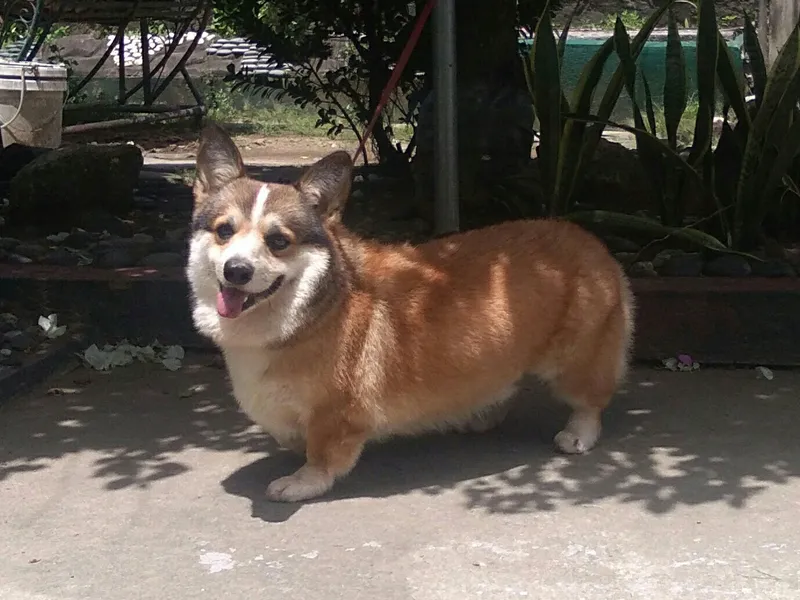
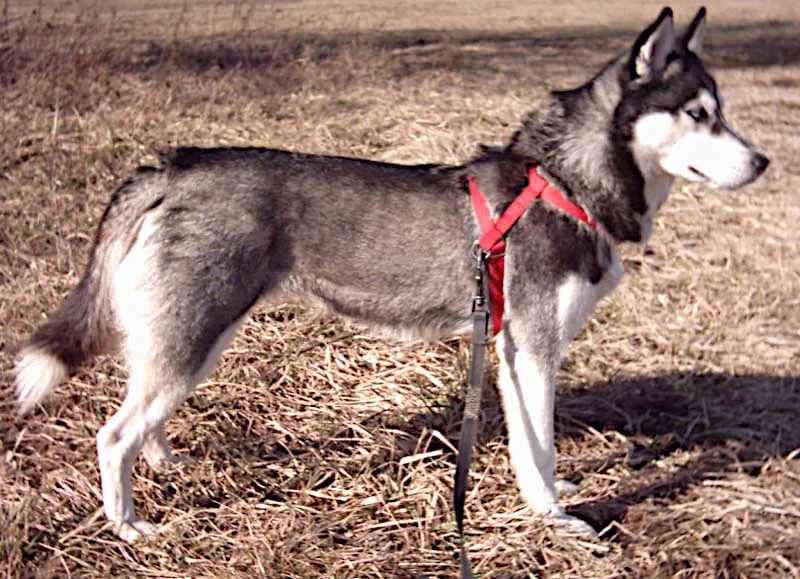
How does a Bulldog compare with Pembroke Welsh Corgi and Siberian Husky?
A Bulldog is not interchangeable with Pembroke Welsh Corgi and Siberian Husky. Compare origin, size, lifespan and temperament before you choose — those four lines prevent most regret.
| Dog fact | Bulldog | Pembroke Welsh Corgi | Siberian Husky |
|---|---|---|---|
| Origin | England | Wales | Siberia (Russia) |
| Size | Medium (18–25 kg) | Small (10–14 kg) | Medium (16–27 kg) |
| Lifespan | 8–10 years | 12–15 years | 12–15 years |
| Temperament | Calm, courageous, friendly | Smart, bold, affectionate | Outgoing, energetic, mischievous |
What is the verdict on the Bulldog?
Choose a Bulldog only if the care, skip-if and health sections still look like your life after a week of thinking. Otherwise pick a different dog or wait. Rescue is usually the better first door than a waiting-list puppy or kitten.
If the match is real, budget for 8–10 years of vet care and do not skip health screening. If it is not, walking away is the kind choice — for you and for the animal.
Every dog deserves a chance
Whatever breed steals your heart, millions of dogs around the world have no home at all. A symbolic adoption or a gift to WARN funds humane care for street and community dogs — vaccination, neutering and emergency treatment.