Dog Breed · England
English Springer Spaniel
A versatile gundog that flushes and retrieves game with enthusiasm.
By WARN Research & Conservation TeamLast updated
In brief
The English Springer Spaniel is a medium-sized, energetic gundog bred in England to flush and retrieve game. Friendly, eager to please and highly trainable, it makes an affectionate family dog for active homes that can meet its considerable need for exercise and companionship.
What are the key facts about a English Springer Spaniel?
The English Springer Spaniel is a dog breed from England: medium (18–25 kg), friendly, eager, energetic. A versatile gundog that flushes and retrieves game with enthusiasm.
| Origin | England |
|---|---|
| Size | Medium (18–25 kg) |
| Weight | Typically 18-25 kg (40-55 lb), with dogs at the heavier end of the range. |
| Lifespan | 10–14 years |
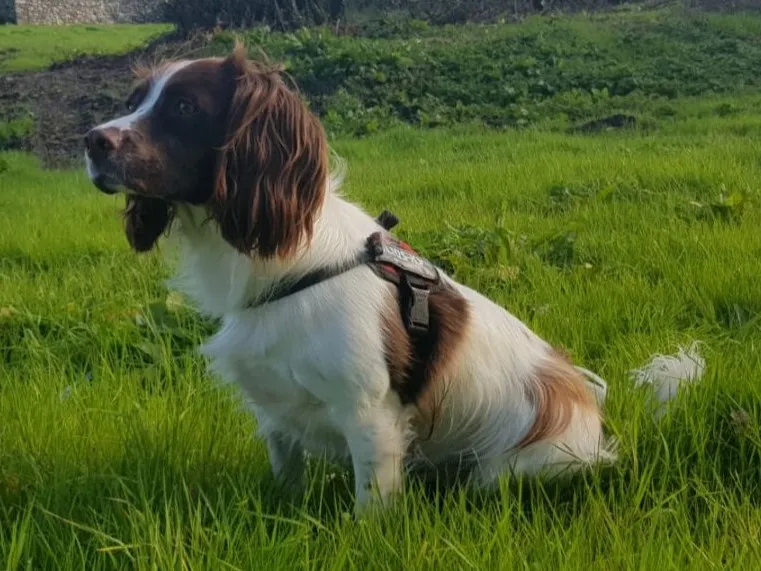
| Coat | A medium-length, water-resistant double coat that lies close and flat or slightly wavy, with feathering on the ears, chest, legs and underside. It is a moderate, steady shedder. Brush two or three times a week to prevent the feathering matting, with occasional trimming and tidying of the ears and feet; show coats need more grooming, while working dogs are often kept shorter. |
| Temperament | Friendly, eager, energetic |
| Good with | A superb family companion for active, outdoorsy households, including those with children, and rewarding for committed owners. Its energy and need for stimulation make it less suited to sedentary or very small flats unless exercise needs are fully met. Sociable and generally good with other dogs and family pets, though its flushing instinct means small animals may be chased. It bonds closely and can dislike being left alone for long. |
Is a English Springer Spaniel a good dog for you?
A English Springer Spaniel is a good dog when your home matches a superb family companion for active, outdoorsy households, including those with children, and rewarding for committed owners. its energy and need for stimulation make it less suited to sedentary or very small flats unless exercise needs are fully met. sociable and generally good with other dogs and family pets, though its flushing instinct means small animals may be chased. it bonds closely and can dislike being left alone for long.. It is a friendly, eager, energetic medium (18–25 kg) breed from England.
A versatile gundog that flushes and retrieves game with enthusiasm. That one-line pitch is not a care plan. Factor grooming (A medium-length, water-resistant double coat that lies close and flat or slightly wavy, with feathering on the ears, chest, legs and underside. It is a moderate, steady shedder. Brush two or three times a week to prevent the feathering matting, with occasional trimming and tidying of the ears and feet; show coats need more grooming, while working dogs are often kept shorter.), typical adult size (Typically 18-25 kg (40-55 lb), with dogs at the heavier end of the range.), and the health issues listed below before you pay a deposit.
Meet adults of the breed, not only puppies or kittens, and prefer rescue or health-screened homes. A English Springer Spaniel that looks right in a photo can still be the wrong animal for a small flat, a full-time office job, or a household that wanted a low-energy companion.
What is a English Springer Spaniel?
A versatile gundog that flushes and retrieves game with enthusiasm. Origin is England; coat or markings are described as A medium-length, water-resistant double coat that lies close and flat or slightly wavy, with feathering on the ears, chest, legs and underside. It is a moderate, steady shedder. Brush two or three times a week to prevent the feathering matting, with occasional trimming and tidying of the ears and feet; show coats need more grooming, while working dogs are often kept shorter..
Kennel and registry labels describe a type. Individual English Springer Spaniels still vary, and rescue animals may be mixes.
Where does the English Springer Spaniel come from?
English Springer Spaniels come from England. Spaniels of the springing type are among the oldest of British gundogs, used for centuries to 'spring' or flush game from cover for nets, falcons and later the gun.
The English Springer and the Cocker were once born in the same litters, divided by size, until they were recognised as separate breeds; the Kennel Club recognised the English Springer Spaniel in 1902. Over time the breed split into two distinct lines: a lighter, racier field type bred for work, and a heavier, more profusely coated show type. Both retain the keen nose, biddable temperament and tireless drive that made the breed a favourite of shooters worldwide.
How much care does a English Springer Spaniel need?
Plan 10–14 years of food, vet care, grooming and time. A English Springer Spaniel is medium (18–25 kg) (Typically 18-25 kg (40-55 lb), with dogs at the heavier end of the range.) from England, with coat care described as a medium-length, water-resistant double coat that lies close and flat or slightly wavy, with feathering on the ears, chest, legs and underside. it is a moderate, steady shedder. brush two or three times a week to prevent the feathering matting, with occasional trimming and tidying of the ears and feet; show coats need more grooming, while working dogs are often kept shorter..
This temperament does not thrive on a 20-minute walk and eight hours alone.
Grooming follows the coat, not a generic clip: A medium-length, water-resistant double coat that lies close and flat or slightly wavy, with feathering on the ears, chest, legs and underside. It is a moderate, steady shedder. Brush two or three times a week to prevent the feathering matting, with occasional trimming and tidying of the ears and feet; show coats need more grooming, while working dogs are often kept shorter.. Keep the animal lean; extra weight is a joint and heart tax, especially in a medium dog.
Budget for unexpected vet bills. The health section below is why “cheap to buy” is not the same as cheap to keep.
What surprises people about the English Springer Spaniel?
A few details about the breed, alongside the practical care information in this guide.
- Working and show Springers have diverged so much they look noticeably different, with field dogs being lighter, shorter-coated and racier.
- The breed's name comes from its historic job of 'springing' game birds from cover.
- Their keen noses and trainability make them widely used as detection dogs for explosives, drugs and even wildlife.
- The English Springer and the Cocker Spaniel descend from the same stock and were once separated only by weight within a single litter.
What health issues should you know about in a English Springer Spaniel?
Health concerns to discuss with your vet, including changes to watch for and everyday care. This is general guidance, not veterinary advice — always speak to your vet.
Ear infections
Ear infections can occur in this breed and may need veterinary monitoring.
Care: Discuss prevention and treatment with your vet.
Hip dysplasia
An inherited malformation of the hip joint that can cause stiffness, lameness, or arthritis as the dog ages.
Care: Keep dogs lean, choose health-screened parents, and seek vet advice for pain management or surgery if needed.
Eye conditions
Breed-related eye problems may include cataracts, progressive retinal atrophy, or cherry eye.
Care: Regular eye checks and prompt vet attention for redness or cloudiness help preserve vision.
Who should skip a English Springer Spaniel?
Skip a English Springer Spaniel if you are owners who wanted a low-exercise companion. This England dog is medium (18–25 kg) and friendly, eager, energetic — the mismatch is usually lifestyle, not a missing accessory.
This page is allowed to say no. Skip if you are owners who wanted a low-exercise companion.
A different dog breed on this site may fit. Wanting “a English Springer Spaniel” after a film or a colour photo is not a reason to ignore the skip list.
What are the hidden catches with a English Springer Spaniel?
The hidden cost of a English Springer Spaniel is usually not the purchase price. It is years of care, the health list on this page, and the mismatch between a friendly, eager, energetic animal and a busy home.
The impulse-buy catch
A English Springer Spaniel from England is often sold on looks. Coat, colour and size are not a temperament test. Meet the adult animal, ask about health screening, and walk away from pressure sales.
The ear infections catch
Ear infections can occur in this breed and may need veterinary monitoring. Discuss prevention and treatment with your vet.
The hip dysplasia catch
An inherited malformation of the hip joint that can cause stiffness, lameness, or arthritis as the dog ages. Keep dogs lean, choose health-screened parents, and seek vet advice for pain management or surgery if needed.
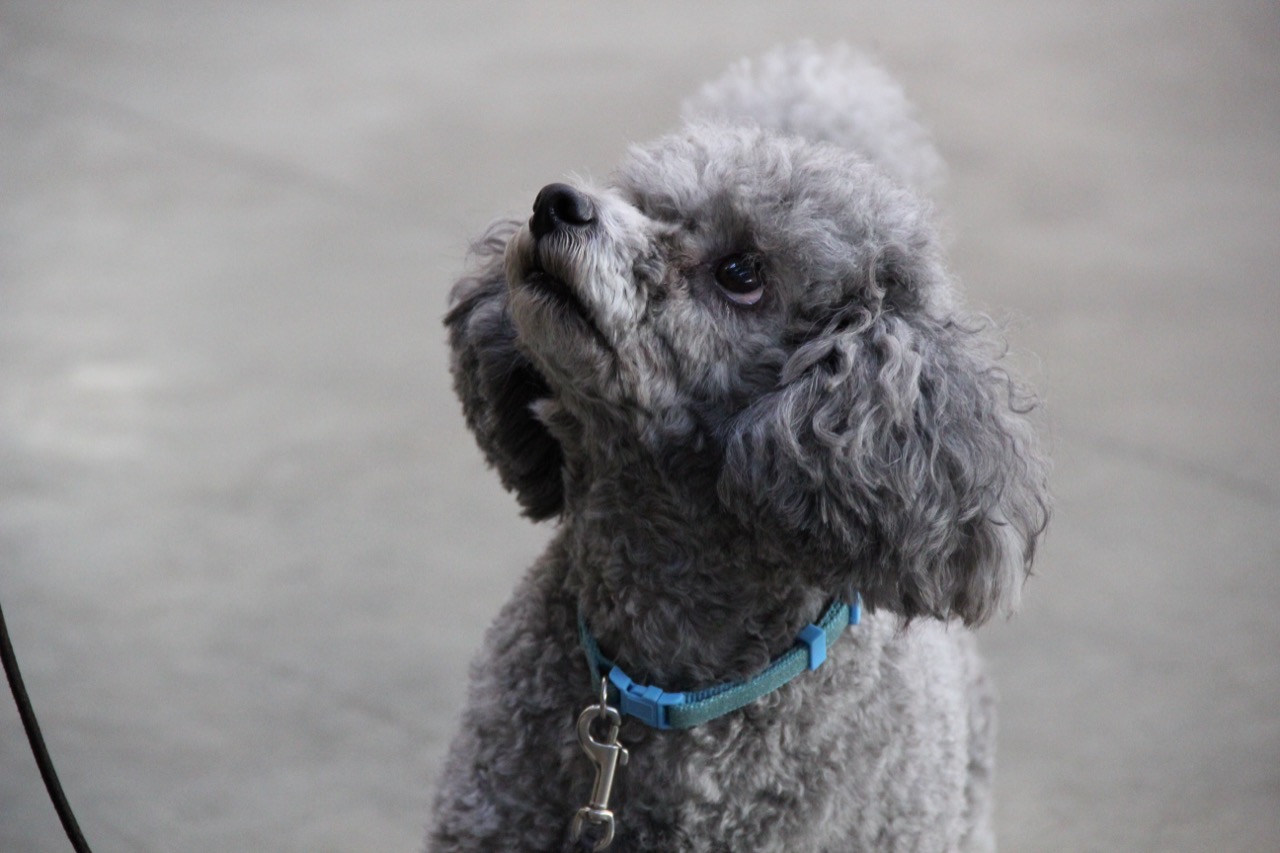
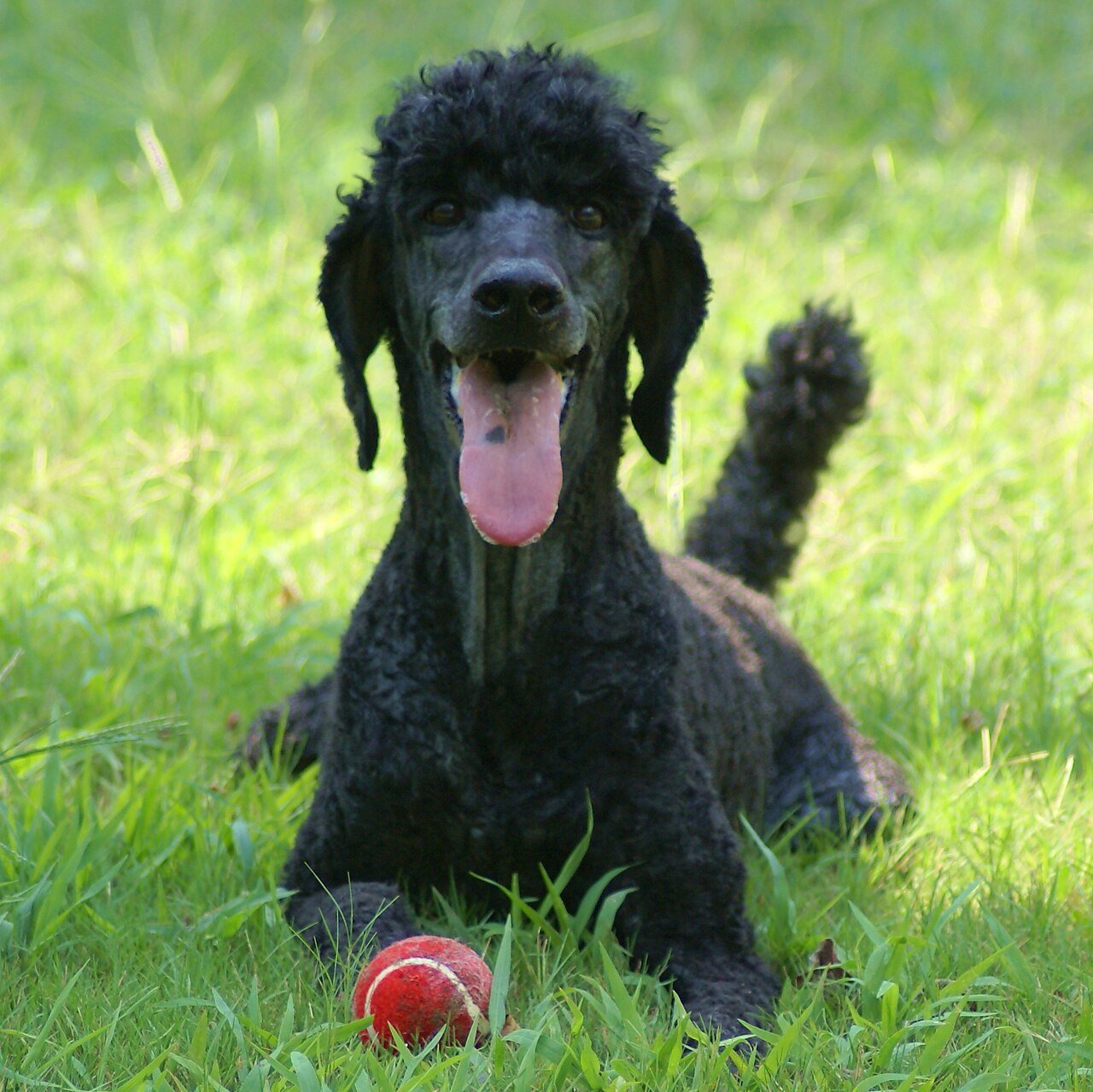
How does a English Springer Spaniel compare with Miniature Poodle and Standard Poodle?
A English Springer Spaniel is not interchangeable with Miniature Poodle and Standard Poodle. Compare origin, size, lifespan and temperament before you choose — those four lines prevent most regret.
| Dog fact | English Springer Spaniel | Miniature Poodle | Standard Poodle |
|---|---|---|---|
| Origin | England | Germany/France | Germany/France |
| Size | Medium (18–25 kg) | Small (4–7 kg) | Large (20–32 kg) |
| Lifespan | 10–14 years | 10–14 years | 10–14 years |
| Temperament | Friendly, eager, energetic | Intelligent, active, proud | Intelligent, active, elegant |
What is the verdict on the English Springer Spaniel?
Choose a English Springer Spaniel only if the care, skip-if and health sections still look like your life after a week of thinking. Otherwise pick a different dog or wait. Rescue is usually the better first door than a waiting-list puppy or kitten.
If the match is real, budget for 10–14 years of vet care and do not skip health screening. If it is not, walking away is the kind choice — for you and for the animal.
Every dog deserves a chance
Whatever breed steals your heart, millions of dogs around the world have no home at all. A symbolic adoption or a gift to WARN funds humane care for street and community dogs — vaccination, neutering and emergency treatment.