Dog Breed · Hungary
Vizsla
The 'Velcro Vizsla' sticks close to owners — an elegant Hungarian pointer.
By WARN Research & Conservation TeamLast updated
In brief
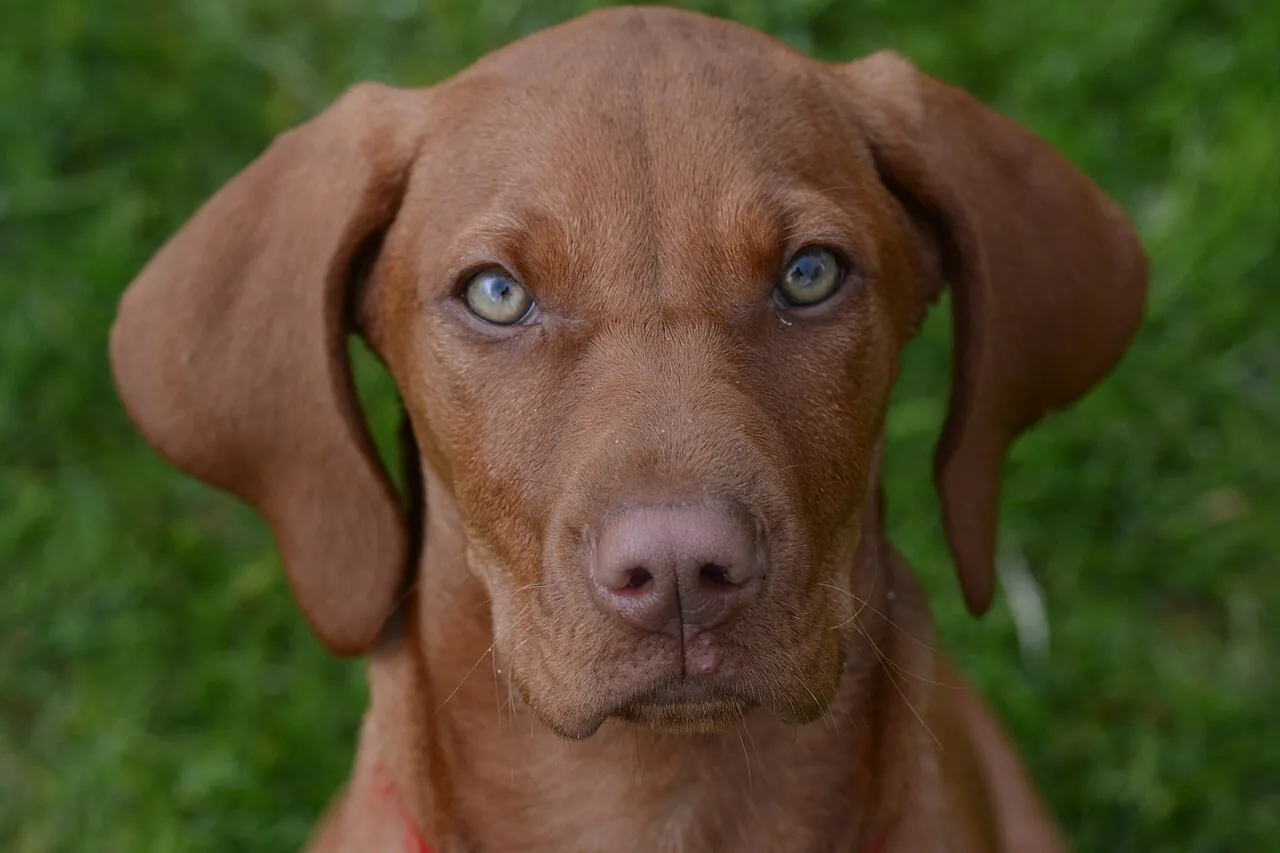
The Vizsla is an elegant, rust-gold Hungarian pointer bred as a versatile hunting dog that points and retrieves on land and water. Its defining trait is intense devotion to its people, earning it the nickname "Velcro Vizsla" for its need to stay physically close and its demand for company.
What are the key facts about a Vizsla?
The Vizsla is a dog breed from Hungary: medium (20–30 kg), affectionate, energetic, gentle. The 'Velcro Vizsla' sticks close to owners — an elegant Hungarian pointer.
| Origin | Hungary |
|---|---|
| Size | Medium (20–30 kg) |
| Weight | Around 20-30 kg (44-66 lb), with males at the upper end |
| Lifespan | 10–14 years |
| Coat | A short, smooth, dense single coat with no undercoat, in shades of golden rust. Grooming is minimal: occasional brushing or a rubber mitt removes loose hair, and baths are needed only occasionally. The lack of undercoat means low odour but little insulation, so Vizslas feel the cold and may need a coat in winter. |
| Temperament | Affectionate, energetic, gentle |
| Good with | A superb family dog for active, attentive households that can provide one to two hours of vigorous exercise daily. Vizslas suit owners who want a constant companion, not those out of the house for long hours, as they are prone to separation anxiety. They are gentle with children and usually sociable with other dogs. Better in homes with space and a garden than small flats, and well suited to runners, hikers and outdoor families. |
Is a Vizsla a good dog for you?
A Vizsla is a good dog when your home matches a superb family dog for active, attentive households that can provide one to two hours of vigorous exercise daily. vizslas suit owners who want a constant companion, not those out of the house for long hours, as they are prone to separation anxiety. they are gentle with children and usually sociable with other dogs. better in homes with space and a garden than small flats, and well suited to runners, hikers and outdoor families.. It is a affectionate, energetic, gentle medium (20–30 kg) breed from Hungary.
The 'Velcro Vizsla' sticks close to owners — an elegant Hungarian pointer. That one-line pitch is not a care plan. Factor grooming (A short, smooth, dense single coat with no undercoat, in shades of golden rust. Grooming is minimal: occasional brushing or a rubber mitt removes loose hair, and baths are needed only occasionally. The lack of undercoat means low odour but little insulation, so Vizslas feel the cold and may need a coat in winter.), typical adult size (Around 20-30 kg (44-66 lb), with males at the upper end), and the health issues listed below before you pay a deposit.
Meet adults of the breed, not only puppies or kittens, and prefer rescue or health-screened homes. A Vizsla that looks right in a photo can still be the wrong animal for a small flat, a full-time office job, or a household that wanted a low-energy companion.
What is a Vizsla?
The 'Velcro Vizsla' sticks close to owners — an elegant Hungarian pointer. Origin is Hungary; coat or markings are described as A short, smooth, dense single coat with no undercoat, in shades of golden rust. Grooming is minimal: occasional brushing or a rubber mitt removes loose hair, and baths are needed only occasionally. The lack of undercoat means low odour but little insulation, so Vizslas feel the cold and may need a coat in winter..
Kennel and registry labels describe a type. Individual Vizslas still vary, and rescue animals may be mixes.
Where does the Vizsla come from?
Vizslas come from Hungary. The Vizsla is an ancient Hungarian breed whose ancestors are thought to have travelled with the Magyar tribes who settled the Carpathian Basin over a thousand years ago.
Prized by Hungarian nobility and warlords, it was developed as an all-round hunting dog for falconry and later for pointing and retrieving game. The breed came close to extinction after the two World Wars, surviving through the efforts of dedicated Hungarian breeders who smuggled dogs out of the country. From a small base of survivors it was re-established and has since spread worldwide as both a field dog and devoted companion.
How much care does a Vizsla need?
Plan 10–14 years of food, vet care, grooming and time. A Vizsla is medium (20–30 kg) (Around 20-30 kg (44-66 lb), with males at the upper end) from Hungary, with coat care described as a short, smooth, dense single coat with no undercoat, in shades of golden rust. grooming is minimal: occasional brushing or a rubber mitt removes loose hair, and baths are needed only occasionally. the lack of undercoat means low odour but little insulation, so vizslas feel the cold and may need a coat in winter..
This temperament does not thrive on a 20-minute walk and eight hours alone.
Grooming follows the coat, not a generic clip: A short, smooth, dense single coat with no undercoat, in shades of golden rust. Grooming is minimal: occasional brushing or a rubber mitt removes loose hair, and baths are needed only occasionally. The lack of undercoat means low odour but little insulation, so Vizslas feel the cold and may need a coat in winter.. Keep the animal lean; extra weight is a joint and heart tax, especially in a medium dog.
Budget for unexpected vet bills. The health section below is why “cheap to buy” is not the same as cheap to keep.
What surprises people about the Vizsla?
A few details about the breed, alongside the practical care information in this guide.
- Vizslas are often called "Velcro dogs" because they crave constant physical contact and will follow their owner from room to room.
- The breed is a true dual-purpose gundog, able to both point and retrieve, and even works in water despite having no undercoat.
- Their golden-rust coat is usually matched by a self-coloured nose, eyes and nails, giving an unusually harmonious overall colour.
- A related breed, the Wirehaired Vizsla, was developed in the 1930s as a separate, rougher-coated variety better suited to cold and cover.
What health issues should you know about in a Vizsla?
Health concerns to discuss with your vet, including changes to watch for and everyday care. This is general guidance, not veterinary advice — always speak to your vet.
Hip dysplasia
An inherited malformation of the hip joint that can cause stiffness, lameness, or arthritis as the dog ages.
Care: Keep dogs lean, choose health-screened parents, and seek vet advice for pain management or surgery if needed.
Epilepsy
Recurrent seizures without other identifiable cause.
Care: Never withhold medication; keep a seizure diary and work with your vet on management.
Skin allergies
Itching, ear infections, and paw licking may reflect food or environmental allergies.
Care: Your vet can diagnose triggers and prescribe appropriate treatment.
Who should skip a Vizsla?
Skip a Vizsla if you are owners who wanted a low-exercise companion. This Hungary dog is medium (20–30 kg) and affectionate, energetic, gentle — the mismatch is usually lifestyle, not a missing accessory.
This page is allowed to say no. Skip if you are owners who wanted a low-exercise companion.
A different dog breed on this site may fit. Wanting “a Vizsla” after a film or a colour photo is not a reason to ignore the skip list.
What are the hidden catches with a Vizsla?
The hidden cost of a Vizsla is usually not the purchase price. It is years of care, the health list on this page, and the mismatch between a affectionate, energetic, gentle animal and a busy home.
The impulse-buy catch
A Vizsla from Hungary is often sold on looks. Coat, colour and size are not a temperament test. Meet the adult animal, ask about health screening, and walk away from pressure sales.
The hip dysplasia catch
An inherited malformation of the hip joint that can cause stiffness, lameness, or arthritis as the dog ages. Keep dogs lean, choose health-screened parents, and seek vet advice for pain management or surgery if needed.
The epilepsy catch
Recurrent seizures without other identifiable cause. Never withhold medication; keep a seizure diary and work with your vet on management.
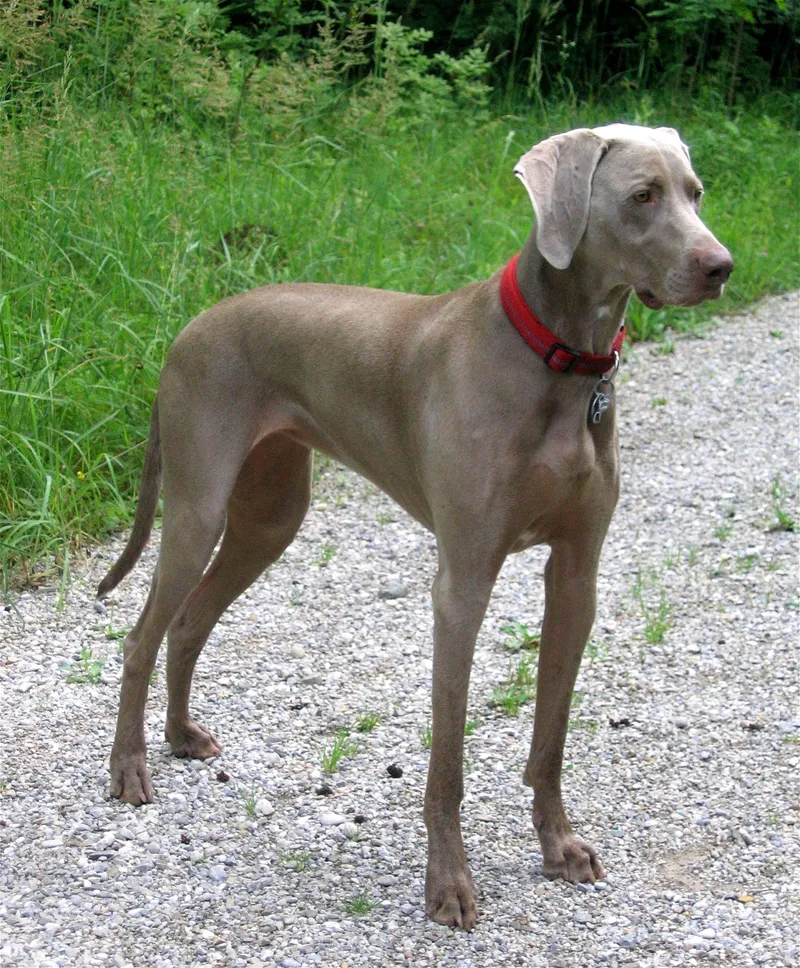
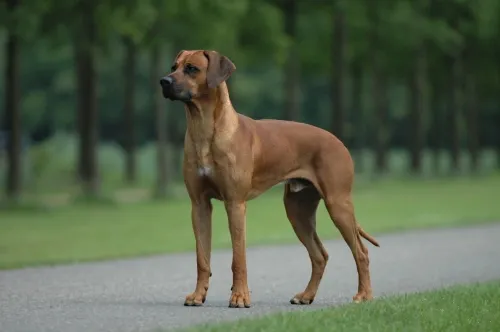
How does a Vizsla compare with Weimaraner and Rhodesian Ridgeback?
A Vizsla is not interchangeable with Weimaraner and Rhodesian Ridgeback. Compare origin, size, lifespan and temperament before you choose — those four lines prevent most regret.
| Dog fact | Vizsla | Weimaraner | Rhodesian Ridgeback |
|---|---|---|---|
| Origin | Hungary | Germany | Southern Africa |
| Size | Medium (20–30 kg) | Large (25–40 kg) | Large (30–40 kg) |
| Lifespan | 10–14 years | 10–14 years | 10–14 years |
| Temperament | Affectionate, energetic, gentle | Energetic, intelligent, loyal | Dignified, loyal, independent |
What is the verdict on the Vizsla?
Choose a Vizsla only if the care, skip-if and health sections still look like your life after a week of thinking. Otherwise pick a different dog or wait. Rescue is usually the better first door than a waiting-list puppy or kitten.
If the match is real, budget for 10–14 years of vet care and do not skip health screening. If it is not, walking away is the kind choice — for you and for the animal.
Every dog deserves a chance
Whatever breed steals your heart, millions of dogs around the world have no home at all. A symbolic adoption or a gift to WARN funds humane care for street and community dogs — vaccination, neutering and emergency treatment.